Thrift stores can feel like treasure hunts, but not every low price is a win. Some secondhand finds come with hidden damage, expensive repairs, or safety concerns that make them far less appealing once you get them home. A bargain loses its charm fast when it starts costing you extra money, time, and frustration. That is why smart thrift shopping is not just about spotting what looks good on the shelf. It is about knowing what to leave behind.
Furniture that needs major restoration

Some secondhand furniture looks charming until you notice shaky legs, deep scratches, broken joints, torn cushions, or peeling finish. Once the repair work starts, the low sticker price quickly stops looking like a bargain. Professional restoration can be expensive, and even a do-it-yourself fix may require more tools, materials, and time than expected. A thrifted table or chair should save you money, not turn into a full-scale renovation. If the damage looks serious, it is usually smarter to walk away.
Project pieces you do not truly love
A cheap item that needs sanding, painting, repairs, or replacement of missing parts can seem exciting in the moment. Still, that thrill can disappear once you realize how much effort it will take to make the piece usable or attractive again. If you are buying something only because it is cheap, and not because you genuinely want it, there is a good chance it will sit untouched for months. Many thrift store shoppers end up with “future projects” that become permanent clutter. Unless you already have a clear plan and real enthusiasm for fixing it, that item is probably not worth bringing home.
Clothing with old stains
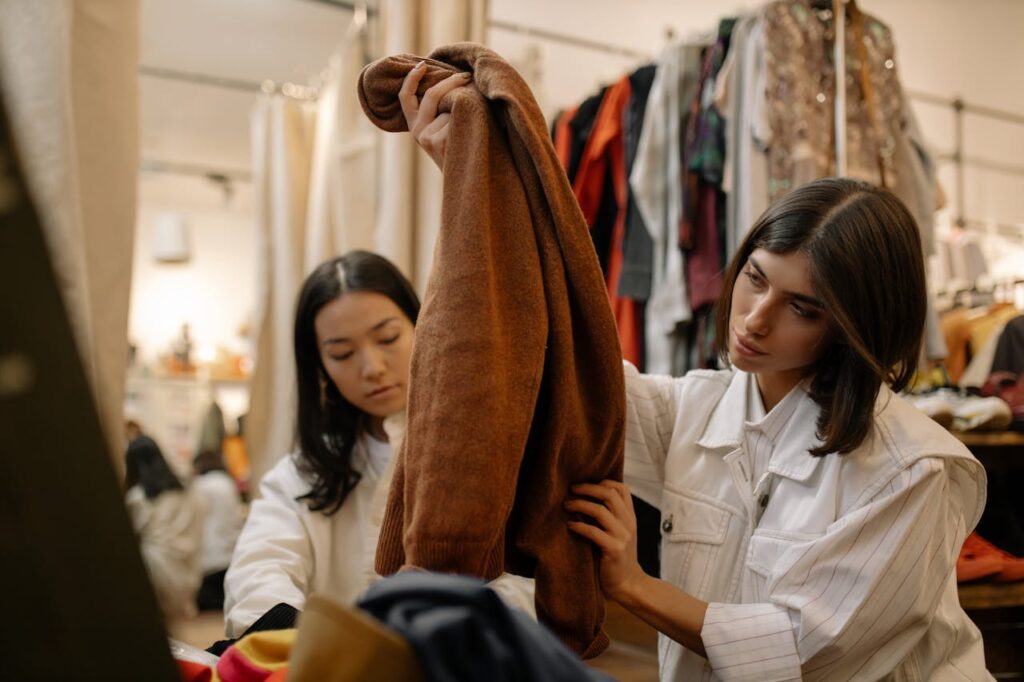
Stains are one of the biggest risks in thrift shopping because you often have no clue what caused them or how long they have been there. A small mark may seem harmless under store lighting, but once you get home, it can become much more noticeable. Some stains sink deep into fabric and refuse to come out, even after repeated washing or stain treatment. That means the piece you thought was a smart buy may end up unwearable. Paying less does not help when the flaw is permanent.
Clothes with holes or severe wear
Tiny holes, frayed hems, weak seams, and thinning fabric can make secondhand clothing a poor investment. These issues often suggest that the garment has already reached the end of its useful life. Even if it still looks decent on the rack, a single wash or wear could make the damage worse. Repairing worn clothing is not always worth the trouble, especially when the fabric itself is already breaking down. A cheap top or dress is not a bargain if it falls apart almost immediately.
Low-quality fabrics that will disappoint fast
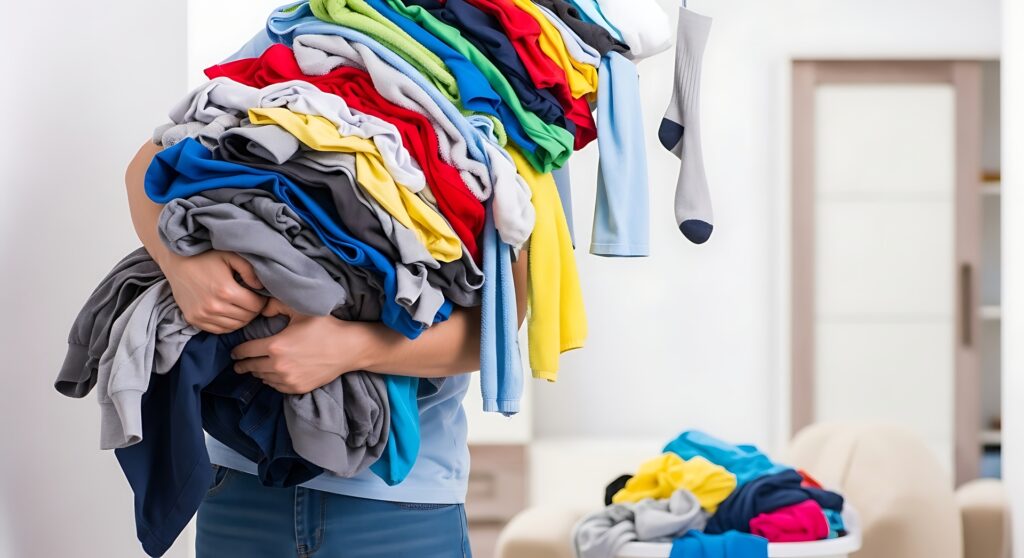
Not every thrifted clothing item deserves a second chance. Pieces made from flimsy or poor-quality materials often feel cheap because they are cheap, and age only makes that worse. They may lose shape quickly, feel uncomfortable on the skin, or look worn out after very little use. A low price can tempt you into buying something you would never choose at full price, and that is usually a sign to pause. When the quality is poor from the start, the item rarely earns a place in your wardrobe.
Items with strong animal or mystery odors
A bad smell is never something to ignore. Strong animal odors, mildew, smoke, or strange stale scents can cling to fabric, wood, or padding in ways that are very hard to remove. What seems like a minor problem in the store can become a major annoyance in your home. In some cases, odor points to deeper issues like mold, heavy contamination, or long-term storage damage. If an item smells wrong, trust that warning and leave it behind.
Upholstered pieces with stains and smells
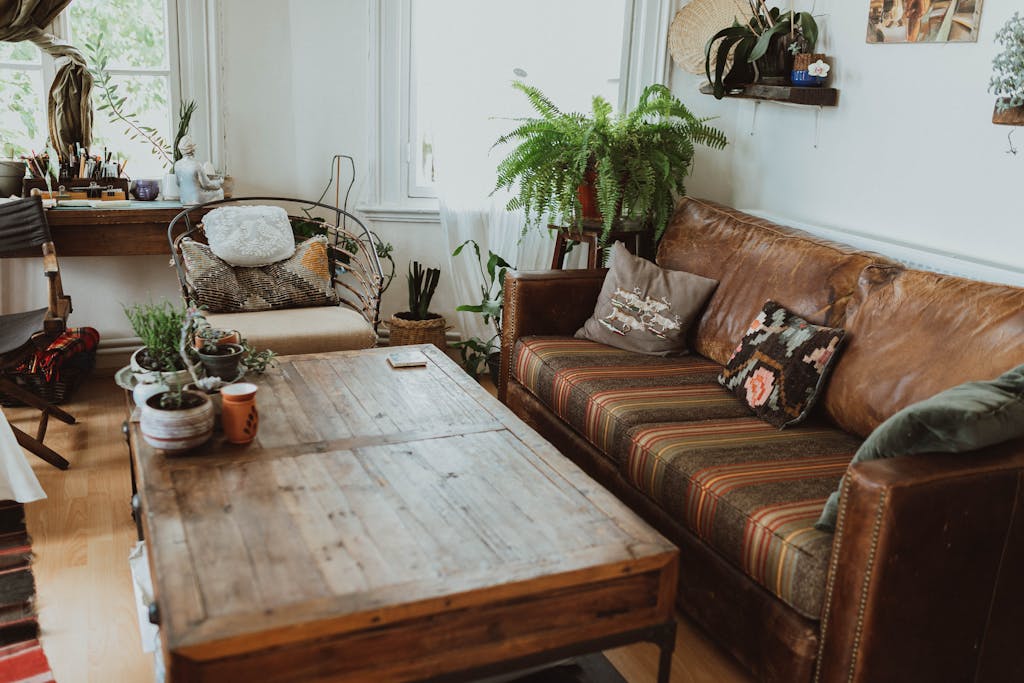
Secondhand upholstered furniture can hide far more problems than you see on the surface. Smells sink deep into the fabric and padding, and stains may reflect years of use that no quick cleaning can fully erase. Sofas, armchairs, and padded stools may look fine from a distance, but once they enter your home, every flaw becomes easier to notice. Cleaning soft furniture can be expensive, and even then, the results are not guaranteed. Unless the piece is in excellent condition, upholstered thrift finds can be more trouble than they are worth.
Electronics you have not researched
Electronics can be one of the most tempting sections in a thrift store, but they can also be one of the riskiest. Older appliances and gadgets may have wiring problems, missing parts, short lifespans, or safety issues that are impossible to spot quickly. Even if the item powers on, that does not mean it works properly or will last. Some electronics also cost more to repair than they are worth. Buying secondhand tech without checking its condition and background can turn a cheap find into a complete waste.
Baby gear with an unclear safety history
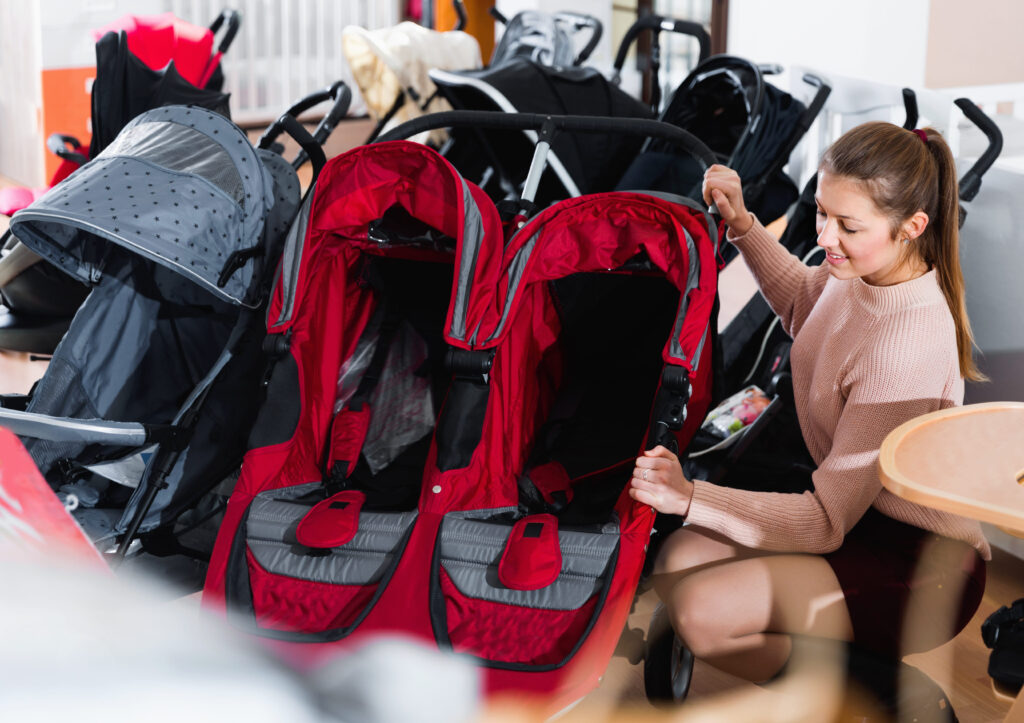
Used baby items deserve extra caution. A stroller, crib accessory, toy, or feeding item may look fine on the outside, but that does not mean it is still safe to use. Some products may have been recalled, broken, or used improperly in ways that are not obvious at a glance. Safety standards can also change over time, which makes older baby gear a gamble. Saving money is never worth risking a child’s well-being.
Chipped, cracked, or leaking goods
Broken items often seem easier to forgive than they really are. A chipped bowl, cracked vase, damaged table top, or leaking container may still seem usable, but that damage usually gets worse over time. Even small flaws can affect safety, appearance, and function. In many cases, the item becomes something you need to handle carefully instead of something you can enjoy confidently. If it is already broken before you buy it, it is rarely the smart choice.
Conclusion
The best thrift store finds are the ones that need little to no rescue. A true bargain should save you money and serve a real purpose without demanding major cleaning, repairs, or guesswork. Once you start excusing stains, damage, odors, or safety concerns, the shopping trip stops being clever and starts becoming costly. Thrifting works best when you stay selective and disciplined. Sometimes the smartest purchase is the one you never make.