Spring has a funny way of exposing tired eating habits. After months of heavy comfort food, bland side dishes, and the same sad grocery cart on repeat, your meals can start to feel dull, heavy, and far less nourishing than they should. That is where spring produce quietly changes everything. The season brings brighter flavors, lighter textures, and ingredients that make ordinary meals feel fresher without forcing you into a full kitchen reset.
The real problem is that many people walk right past some of the best spring ingredients in the store. They stick to привычные basics, miss what is in season, and end up with meals that feel flat, overly processed, or missing color and balance. A few smart additions can turn a basic salad, grain bowl, omelet, or pasta dish into something that feels more alive. These spring ingredients deserve a spot on your plate before the season slips away.
Asparagus
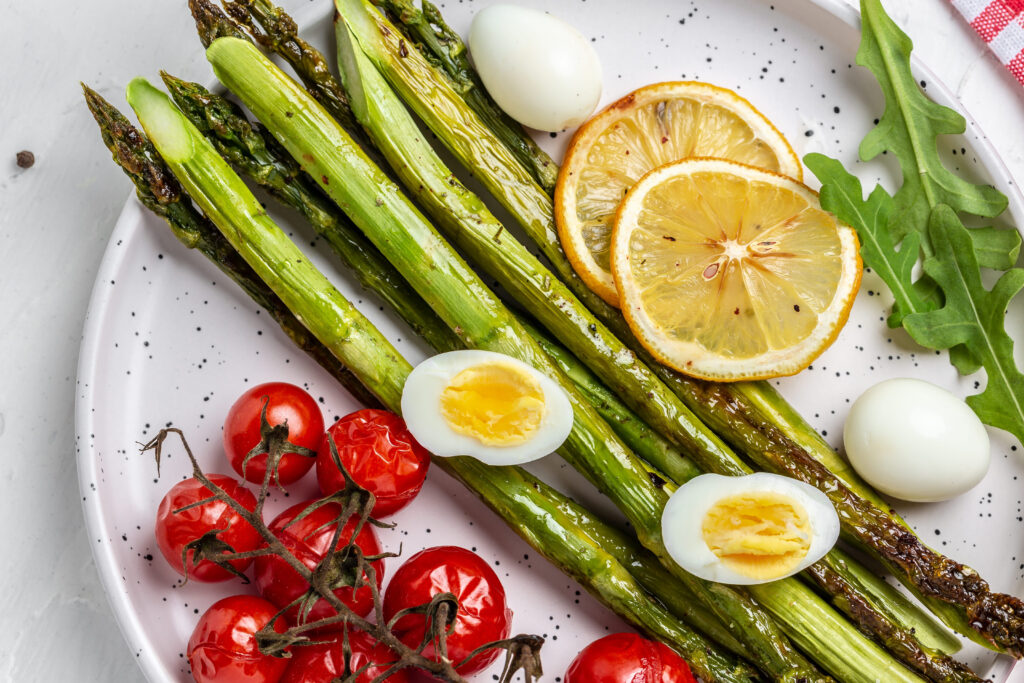
Asparagus is one of those ingredients that instantly makes a plate look smarter and taste fresher. It has that crisp, earthy bite that works in omelets, grain bowls, salads, and simple roasted dinners without much effort. It also helps meals feel lighter, which is exactly what many people crave once winter food starts to feel too rich. If your lunches and dinners have started tasting repetitive, asparagus is often the easiest fix.
Watercress
Watercress does not always get the attention that spinach or lettuce does, but it brings something stronger to the table. Its peppery bite adds personality, which helps salads taste less like an obligation and more like actual food. It also works well in sandwiches, bowls, and simple lunch plates that need freshness without becoming bland. If your greens routine feels tired, watercress is a smart upgrade.
Radishes
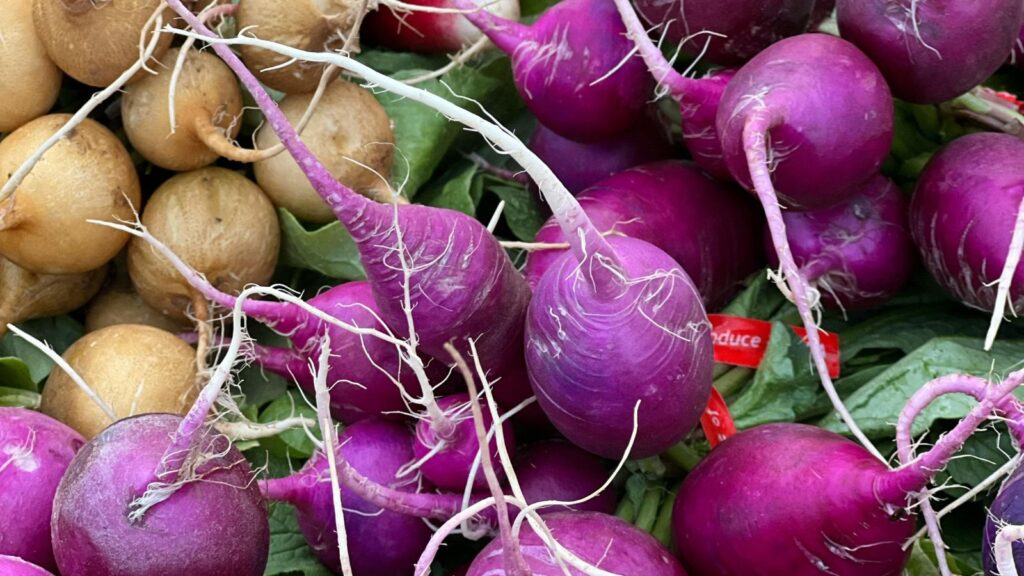
Spring meals can sometimes lean too heavily on tender greens and soft textures. That is where radishes earn their keep. They bring sharpness, crunch, and a fresh bite that wakes up sandwiches, salads, and grain bowls almost immediately. Even a few thin slices can make a simple plate feel more balanced and more interesting.
Spring onions
There is a reason meals can taste healthy but still feel unsatisfying. They often lack punch. Spring onions solve that problem with a milder, fresher flavor than heavy cooking onions, making them perfect for eggs, roasted vegetables, soups, and savory bowls. They add just enough sharpness to make simple food taste more finished without taking over the plate.
Snap peas

Healthy meals often fail because they feel joyless. Snap peas help fix that. They are crisp, slightly sweet, and easy to toss into stir-fries, salads, and quick snack plates without much prep. Their bright bite gives lighter meals a playful feel, making it easier to actually want to eat well rather than feel like you are forcing yourself through another boring lunch.
Fresh peas
Peas are often overlooked because people think of them as a frozen side dish from childhood. Fresh spring peas tell a different story. They are sweet, tender, and easy to fold into pasta, rice dishes, salads, and vegetable sautés. They help meals feel comforting and fresh at the same time, which is a rare combination and one worth using while the season lasts.
Strawberries

Strawberries often get boxed into the dessert category, which means people miss their best savory potential. They bring color, brightness, and natural sweetness to salads, breakfast bowls, and even simple cheese-based plates. Their juicy texture also helps make lighter meals feel more satisfying rather than skimpy. When meals seem dull or too heavy, strawberries can soften and brighten the whole experience.
Tender herbs
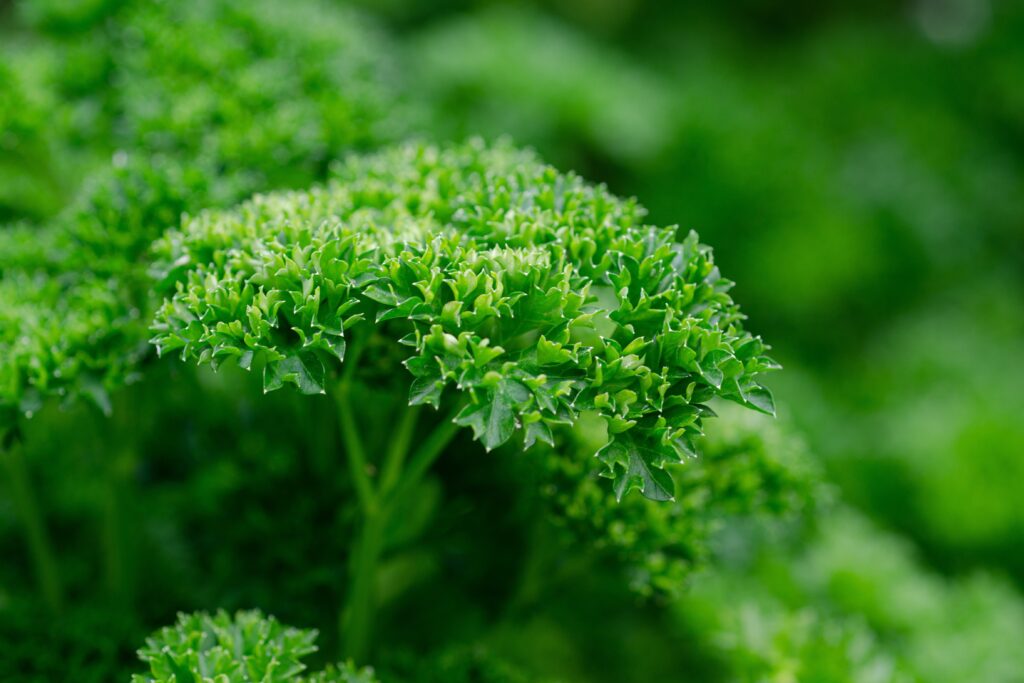
Parsley, mint, dill, basil, and chives can change a meal faster than almost any major ingredient. They make basic vegetables taste livelier, give grain bowls a cleaner finish, and help simple proteins feel less repetitive. When meals feel healthy in a dull way, fresh herbs are often the missing piece. They add brightness, aroma, and that just makes people feel like they usually chase with heavier sauces.
Conclusion
A lot of people keep cooking the same way long after the season has changed. That is how meals end up feeling dense, uninspired, and less balanced than they could be. Spring ingredients give you an easy chance to reset your plate with more color, sharper flavor, and lighter energy. Ignore them, and your meals may stay stuck in a tired routine long after spring has moved on.