Hardwood floors are beautiful and can elevate the look of any home, but they demand careful care to stay looking their best. Many homeowners unintentionally harm their wood by cleaning it improperly. Using the wrong tools or techniques can dull, warp, stain, or otherwise damage the finish. Knowing what to avoid is as important as knowing what to do. Below are eight expanded points highlighting common mistakes that can undermine your efforts to maintain pristine hardwood floors.
Never Use Excess Water or Soggy Mops
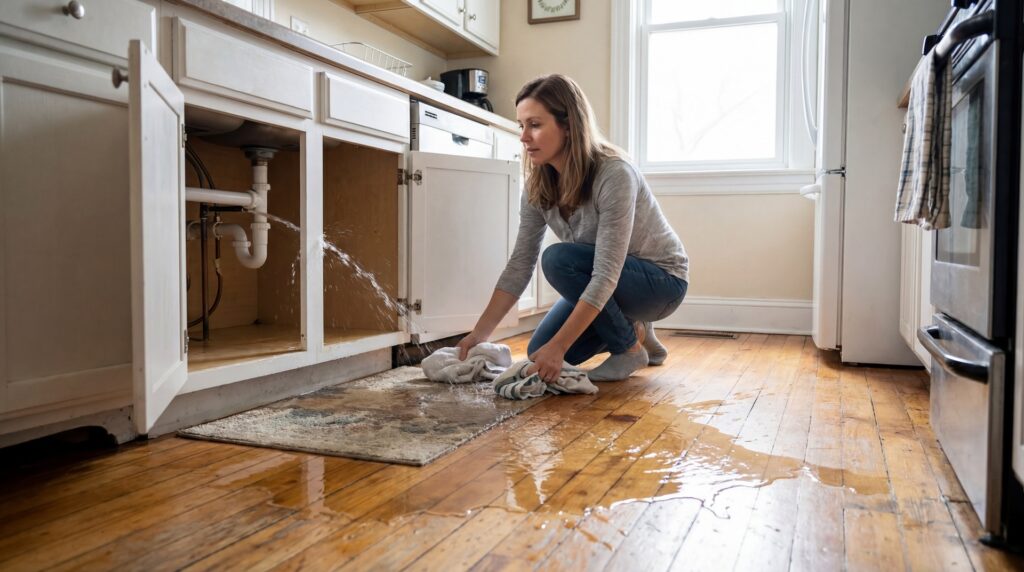
Water and hardwood are a destructive combination. Hardwood is porous and absorbs moisture quickly, which leads to warping, swelling, cupping, and even mold growth. Traditional mopping with buckets of water or letting a mop stay wet on the surface invites damage. Instead, only ever use a damp microfiber mop that has been thoroughly wrung out so it isn’t dripping before you touch the floor. Using too much water is one of the most common causes of long-term structural issues in hardwood, and it is completely unnecessary with proper technique.
Avoid Traditional String Mops and Old Cleaning Tools
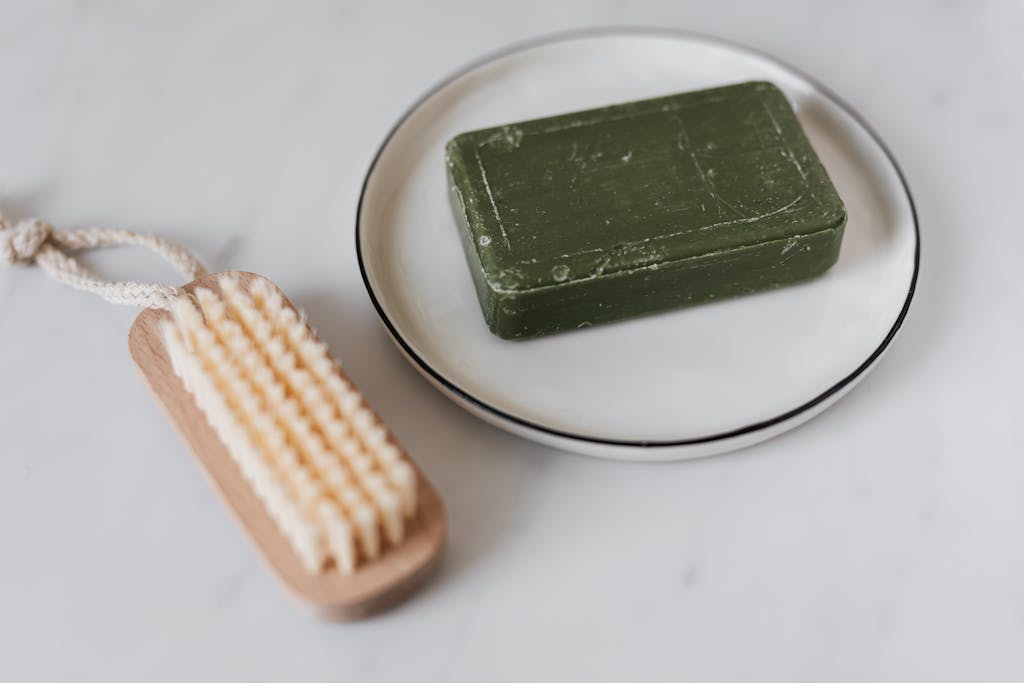
Old-fashioned string mops hold a lot of water, and their fibers can scrub too aggressively against the wood. Not only do they deposit excess moisture, but they also tend to push grime into the grain, leaving residue and dulling the finish. Traditional buffer brushes or harsh scrubbers also scratch surfaces. Gentle tools made for wood floors, soft microfiber mops, and soft-bristle brooms are far gentler on the surface and much more effective at lifting away dirt without harm.
Never Use Bleach or Ammonia-Based Cleaners
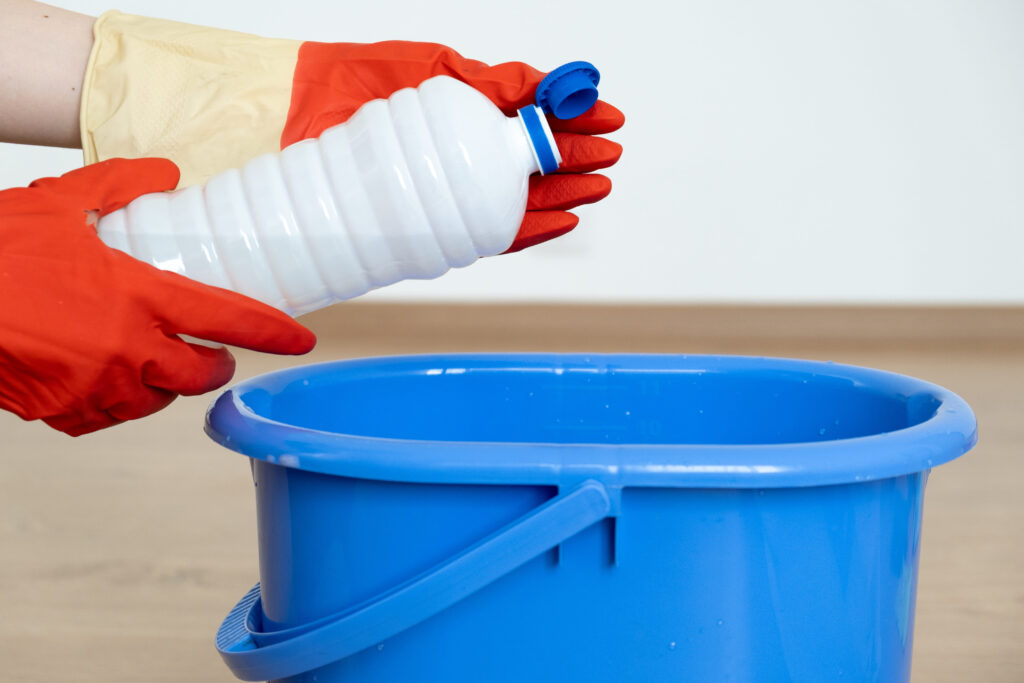
Chemical cleaners like bleach or ammonia are too harsh for hardwood finishes. These strong substances can strip the finish, discolor the wood, and cause uneven fading or premature aging of your floors. They might offer a quick illusion of cleanliness, but their long-term impact is destructive. Hardwood floors need cleaning products that are pH-neutral and specifically designed for wood care to maintain both appearance and integrity.
Steer Clear of Oil-Based Soaps and Wax Buildups
Oil soaps or wax-based cleaners often promise shine, but they leave behind residue that attracts more dirt and makes future cleaning harder. Over time, this buildup can create a slippery surface that dulls the natural beauty of hardwood. Removing wax once applied can also require harsh chemicals or sanding. It’s better to maintain floors with products formulated for hardwood or mild, approved cleaning mixtures.
Do Not Use Vinegar or Acidic Cleaners Too Often
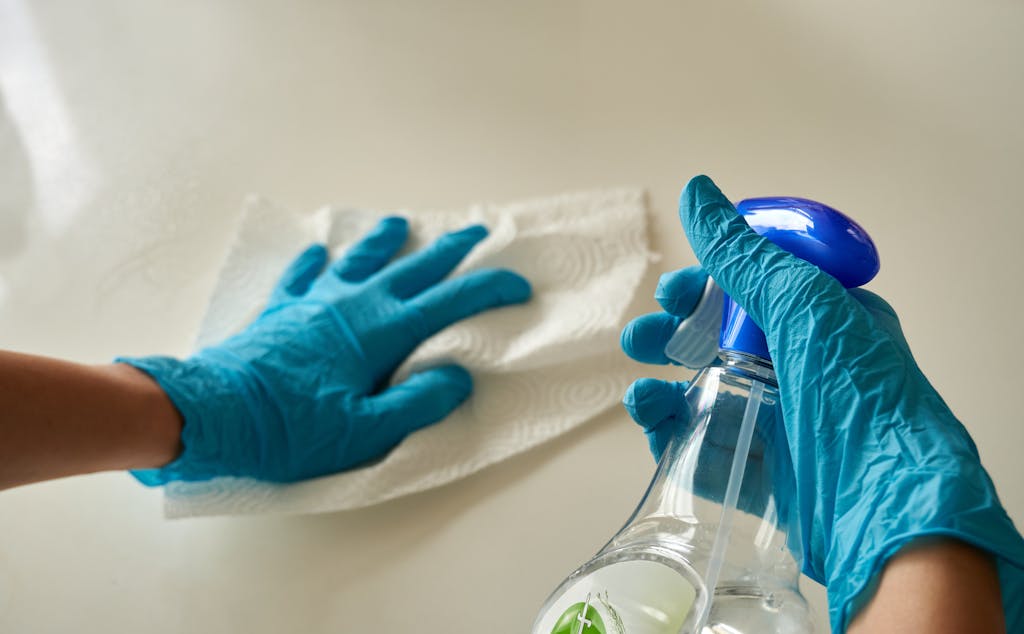
Natural as vinegar is, its high acidity can break down the protective finish on hardwood. While some sources suggest a diluted vinegar solution for occasional use, regular cleaning with acidic substances can dull the finish and cause permanent damage. It’s wise to reserve vinegar for rare, very light cleaning tasks, if at all, and focus on specially formulated wood floor cleaners for routine maintenance.
Don’t Ignore Debris Before Mopping

Mopping without first clearing dust, grit, and debris is counterproductive. Fine dirt particles act like sandpaper on the wood surface, causing scratches and wear. Before any damp cleaning, sweep or vacuum thoroughly with a soft-floor attachment to lift away loose particles. This prevents abrasions and allows the mop to truly clean rather than grind dirt into the finish.
Avoid Steam Cleaners and High-Heat Tools

Steam cleaning might work well for tile or laminate, but it’s not suitable for hardwood. The heat and moisture from steam can penetrate the finish, causing the wood to swell, warp, or lose its sheen. Even if the floors appear sealed, repeated steam use can invite moisture beneath the surface. Stick with dry or lightly damp methods that respect the wood’s sensitivity to heat and water.
Never Delay Cleaning Spills or Dirt Buildup
Spilled liquids or tracked-in grime should be addressed immediately. Leaving spills to sit allows moisture to penetrate and stain the wood, while dirt buildup becomes progressively harder to remove and more likely to scratch the floor. A soft cloth for blotting spills and regular, quick dusting sessions help prevent small messes from becoming lasting damage.
Conclusion
Maintaining hardwood floors doesn’t have to be difficult, but it does require the right habits. Avoiding these eight cleaning mistakes will help keep your floors beautiful, increase their lifespan, and save you costly repairs in the long run.