Your home is your sanctuary, a place where you feel safe, comfortable, and in control. But beneath the surface of everyday life, potential fire hazards often go unnoticed by many homeowners. From the seemingly harmless objects you see daily to the hidden corners you overlook, these fire hazards could silently threaten your safety.
The reality is that most household fires start in places you least expect. It’s not always the kitchen or the living room where fires spark. Understanding where these risks are hiding and what steps you can take to minimize them is crucial to keeping your home—and your loved ones—safe.
Outdated Electrical Systems
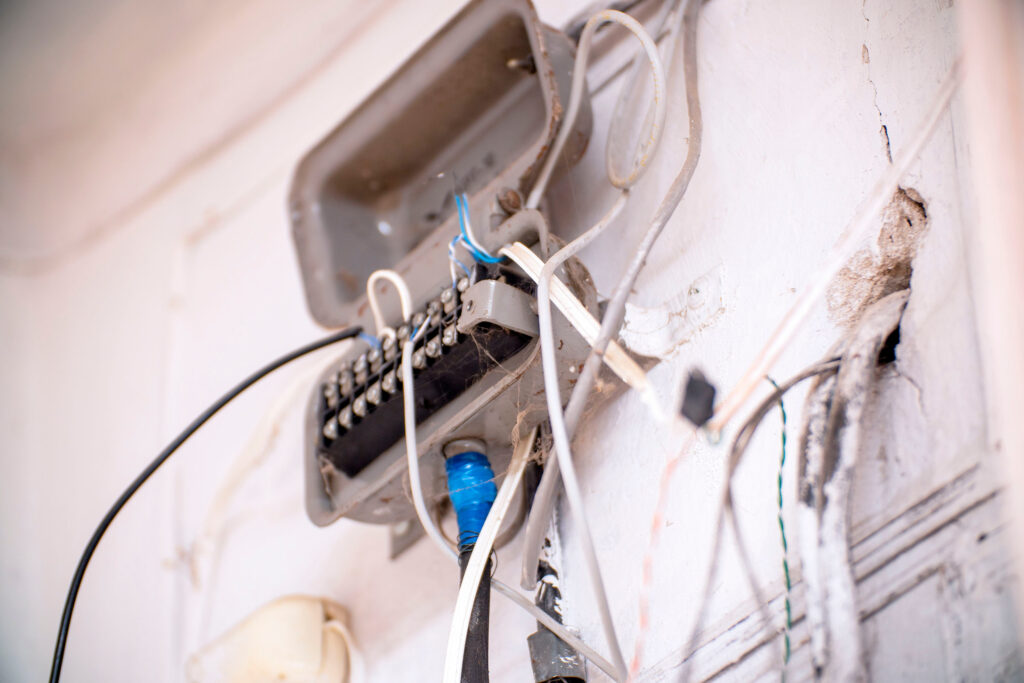
One of the most common but often overlooked causes of house fires is faulty or outdated electrical wiring. Over time, electrical systems degrade, and older wiring, especially in homes built before the 1970s, becomes a ticking time bomb. Wear and tear on cables can cause short circuits or sparks that ignite nearby materials.
Even if you don’t see any visible signs of trouble, age alone is enough to increase the likelihood of an electrical fire. Old outlets, worn-out extension cords, and malfunctioning circuit breakers all add to the risk. A proactive inspection by a licensed electrician can go a long way in preventing these hidden dangers.
Clogged Dryer Vents
Dryer vents may seem like a minor area of concern, but they’re a hotbed for fire risks. When lint builds up inside the vent, it blocks airflow, causing the dryer to overheat. That excessive heat can easily ignite lint or fabric, resulting in a devastating fire.
To prevent this, clean the lint trap after every load, but don’t stop there. Annually, hire a professional to clean the entire dryer vent system. It’s a small investment that could save your home from a potentially catastrophic fire.
Overloaded Power Strips
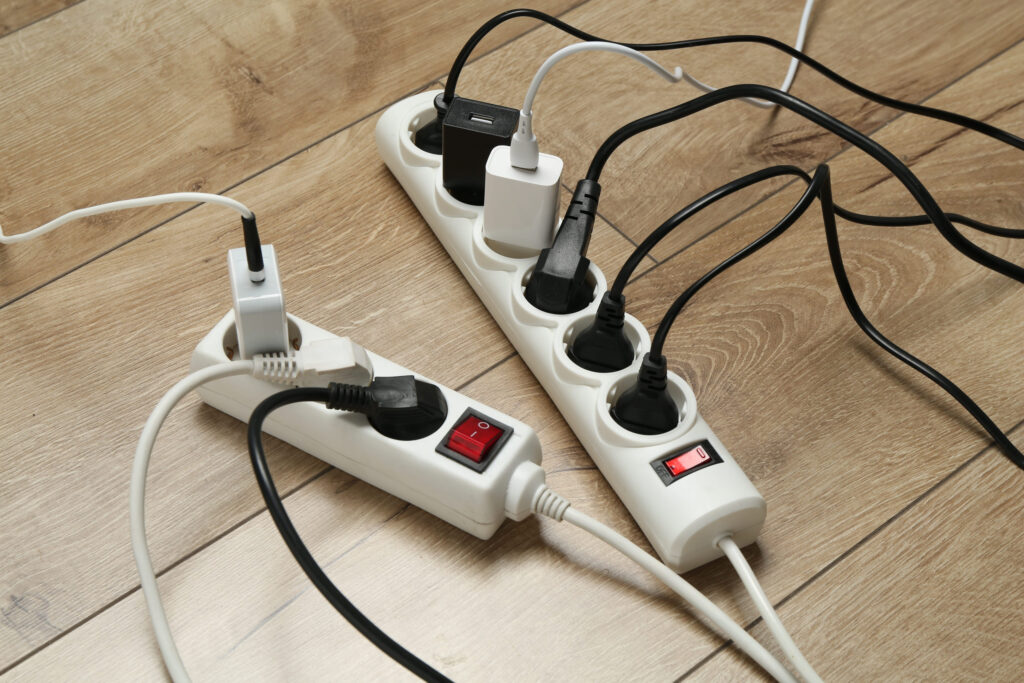
We’ve all been guilty of plugging too many devices into a single power strip, thinking it can handle the load. However, overloading power strips is one of the most common fire hazards in modern homes. These strips are designed to handle a specific wattage, and exceeding that limit can cause them to overheat and catch fire.
To reduce this risk, always check the wattage limit on your power strips and avoid daisy-chaining multiple strips together. It’s a simple habit that can prevent an unnecessary tragedy.
Candles and Open Flames
Candles add warmth and ambiance to any room, but they’re also a major fire risk. Leaving them unattended or too close to flammable materials, such as curtains, books, or bedding, can quickly turn them into fire hazards.
The best way to prevent a candle fire is to extinguish the flame when you leave the room, never place candles on unstable surfaces, and keep them away from anything that could catch fire. Battery-operated LED candles can be a safer alternative, giving you the same glow without the risk.
Flammable Chemicals and Cleaning Products
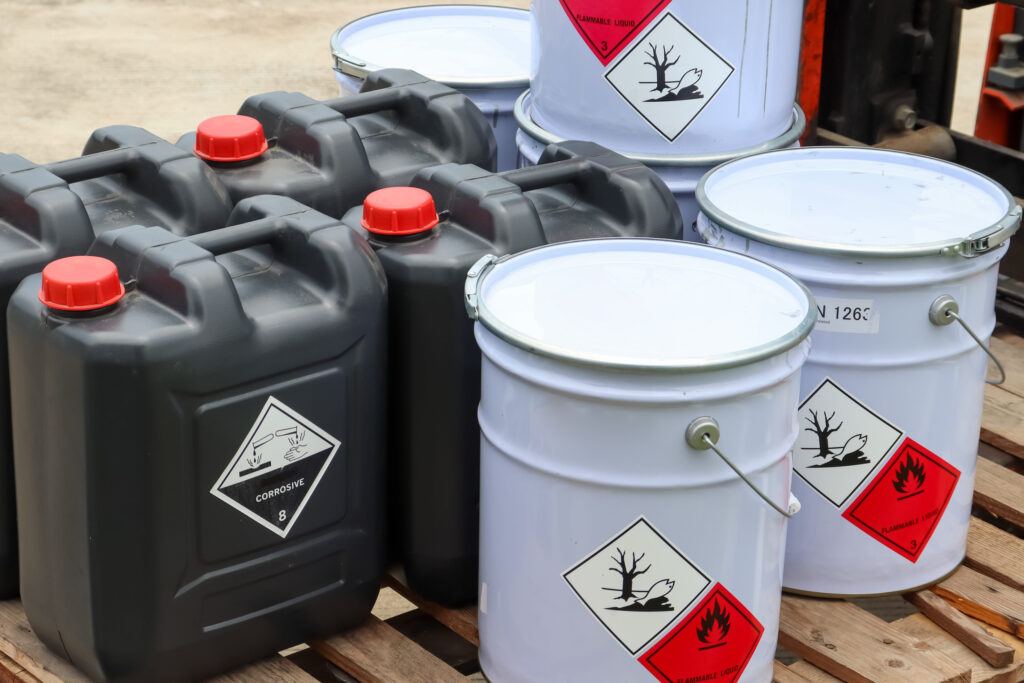
Did you know that the way you store household cleaners, paints, and other chemicals could contribute to a fire? Many of these products are highly flammable and should never be stored near heat sources or in direct sunlight. Common items like gasoline, paint thinners, and aerosol cans can become volatile when exposed to heat or direct sunlight.
Always store chemicals in a cool, dry place, away from your furnace or hot water heater. It’s essential to read the labels on all products to understand their proper storage and handling requirements. A small mistake can result in a disaster.
Space Heaters
As temperatures drop, space heaters come out of storage and become essential for keeping warm. However, they are often a fire risk if not used properly. Space heaters placed too close to furniture, blankets, or curtains can easily overheat and cause a fire.
To use space heaters safely, place them on a flat, non-flammable surface and keep them at least 3 feet away from any combustible material. And never leave them running when you leave the room or go to sleep.
Dirty Chimneys
For homeowners with fireplaces, a dirty chimney can lead to a dangerous fire. Over time, creosote (a highly flammable substance) builds up in chimneys, especially when burning wood or other fuels. If this buildup is not cleaned out, it can ignite, causing a fire that can quickly spread through your home.
Schedule regular chimney inspections and cleanings, particularly before the winter season, to reduce this fire risk. A professional chimney sweep can remove harmful creosote and ensure that your fireplace is safe to use.
Improperly Discarded Cigarettes

Cigarette butts that are carelessly discarded can be one of the most dangerous fire risks. If not fully extinguished, they can smolder for hours before catching fire. Whether tossed in a trash can or left in a potted plant, a still-glowing cigarette can spark a blaze.
The key to preventing cigarette-related fires is simple: never discard butts or matches in areas that can easily ignite. Always use a proper container for disposal, such as a metal can or a designated ashtray.