The freezer aisle loves a shortcut. It promises comfort in a cardboard box, dinner in five minutes, and cleanup that barely counts as a chore. For many older adults, that convenience feels like a win, especially on low-energy days.
The problem is that some frozen meals hide a nutritional ambush under all that ease. The source you shared highlights five common offenders, and the biggest issues are sodium, saturated fat, and heavy processing packed into meals that often look harmless at first glance. That matters because the American Heart Association says most adults should stay under 2,300 milligrams of sodium a day and ideally aim for 1,500 milligrams, yet some frozen entrées can chew through most of that in a single sitting.
Frozen food is not the villain. A smart frozen meal can absolutely fit into a balanced routine. But some products are less like dinner and more like a salt delivery system wearing a polite little label.
Seniors do better with meals that offer lean protein, real vegetables, reasonable sodium, and enough fiber to feel satisfying instead of flimsy. The trick is learning which boxes deserve freezer space and which ones should stay right where they are.
Frozen pizza topped with processed meat
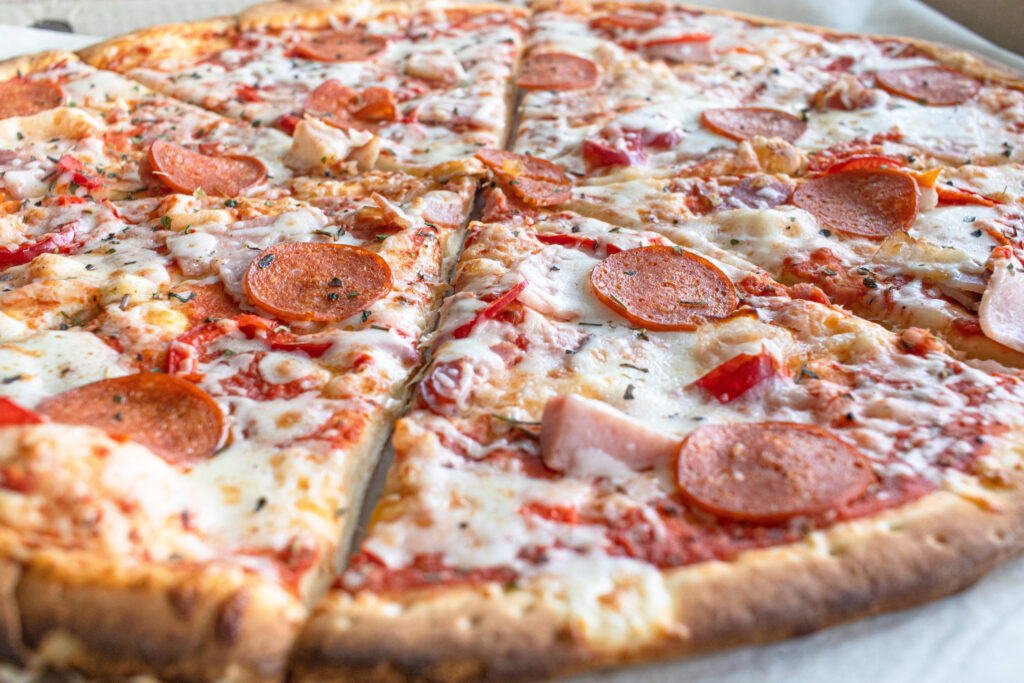
Pepperoni pizza has charm, but it also has baggage. The source page notes that a single 12-inch frozen pepperoni pizza can top 3,000 milligrams of sodium, which blows past the AHA’s daily maximum in one go. Then there is the processed meat issue.
The World Health Organization says data from 10 studies estimated that eating 50 grams of processed meat daily is linked to about an 18 percent increase in colorectal cancer risk. That does not mean one slice spells doom, but it does mean frozen pizzas stacked with pepperoni and sausage should stay in the occasional treat lane. A thin-crust vegetable pizza, or a homemade version with lighter toppings, gives you comfort without the same nutritional wreckage.
Frozen breakfast sandwiches

These little sandwiches look tidy, but they are often tiny traps. Consumer Reports found frozen breakfast sandwiches that delivered around 820 milligrams of sodium per serving, and the article you shared notes that many sit in the 700 to 900 milligram range while still offering very little fiber. That is the worst kind of convenience meal because it is heavy where you do not need it and weak where you do.
Seniors need meals that support fullness, steady energy, and heart health, not a salty bundle of bread, processed meat, and cheese that disappears in four bites. If breakfast needs to be fast, an English muffin with egg, avocado, or turkey at home usually wins on nutrition and taste.
Frozen casseroles with cream sauces
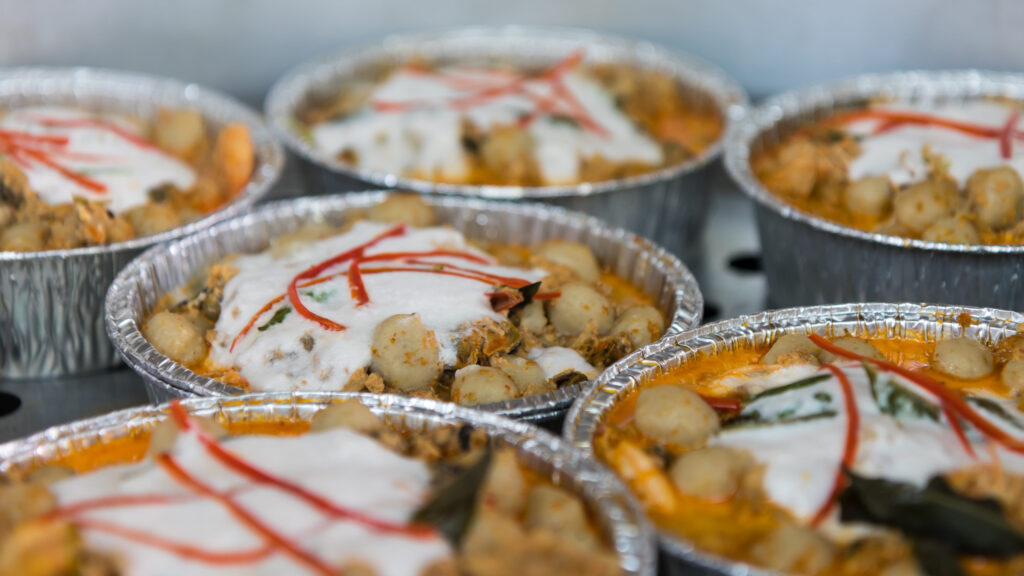
Creamy casseroles feel comforting because they are rich, but that richness is often exactly the issue. The Dietary Guidelines for Americans recommend keeping saturated fat under 10 percent of daily calories, and the American Heart Association suggests an even tighter goal of less than 6 percent for better heart health. Many frozen casseroles built around cream sauces, cheese, and refined starches make it easy to overshoot that without even noticing.
They also tend to crowd out brighter ingredients like beans, greens, and whole grains that older adults actually need more of. If the casserole section is calling your name, look for versions centered on vegetables, legumes, brown rice, and lean protein, rather than meals that read like a dairy avalanche.
Frozen dinners loaded with sodium.

Classic tray-style frozen dinners are often the first items to watch. The article you shared cites a 2022 supermarket analysis that found some frozen entrées containing 1,630 milligrams of sodium per serving, which is a huge hit when the AHA’s ideal target for most adults is 1,500 milligrams for the whole day.
Meals like this may look portion-controlled, but nutritionally, they can be wildly unbalanced. For seniors already trying to manage blood pressure or heart health, that kind of sodium stack-up turns a quick dinner into an unnecessary strain. A better move is to scan the label and treat anything pushing past roughly 600 to 700 milligrams as an everyday red flag, not an automatic staple.
Breaded frozen fish fillets
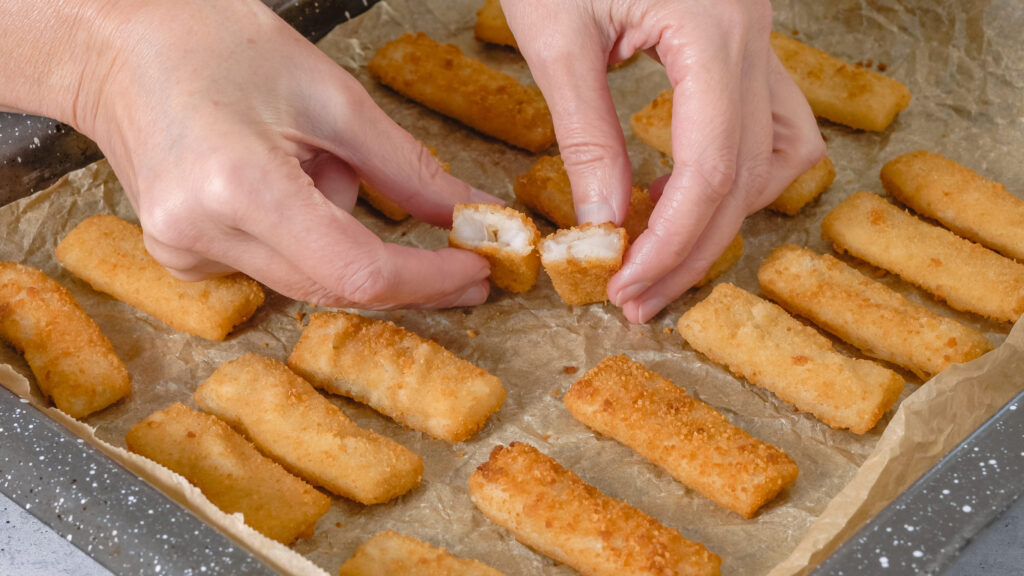
Fish sounds healthy on the box, and sometimes that label is enough to fool people. Breaded frozen fillets often come pre-fried or are designed to mimic fried food, which changes the nutrition story in a hurry.
Research shows frying can reduce beneficial omega-3 fats in some fish preparations and can worsen the omega-6 to omega-3 balance, depending on the oil and method used. That matters because fish earns its healthy reputation largely from those omega-3 fats in the first place. Seniors shopping for seafood do better with plain frozen fillets they can bake, grill, or steam, because then the fish stays the hero instead of becoming a crunchy disguise for added fat and salt.