The food industry loves a good disguise. A bag says protein. A box says made with oats. A frozen bar says fruit. Suddenly, people treat snack foods like nutrition heroes instead of what they often are: dressed-up cravings with better marketing.
Federal guidance still says added sugars should stay below 10% of daily calories, and the FDA says 20% Daily Value counts as high for added sugars or sodium.
That is where the trouble starts. The problem is not that every so-called healthy junk food is terrible. The problem is that people eat them the wrong way, in the wrong amount, and for the wrong reason.
A snack can look clean on the label and still wreck your calorie budget, your hunger cues, and your diet goals. So which foods wear the biggest halo and cause the messiest damage?
Flavored Yogurt Cups Hide a Sugar Problem in Plain Sight
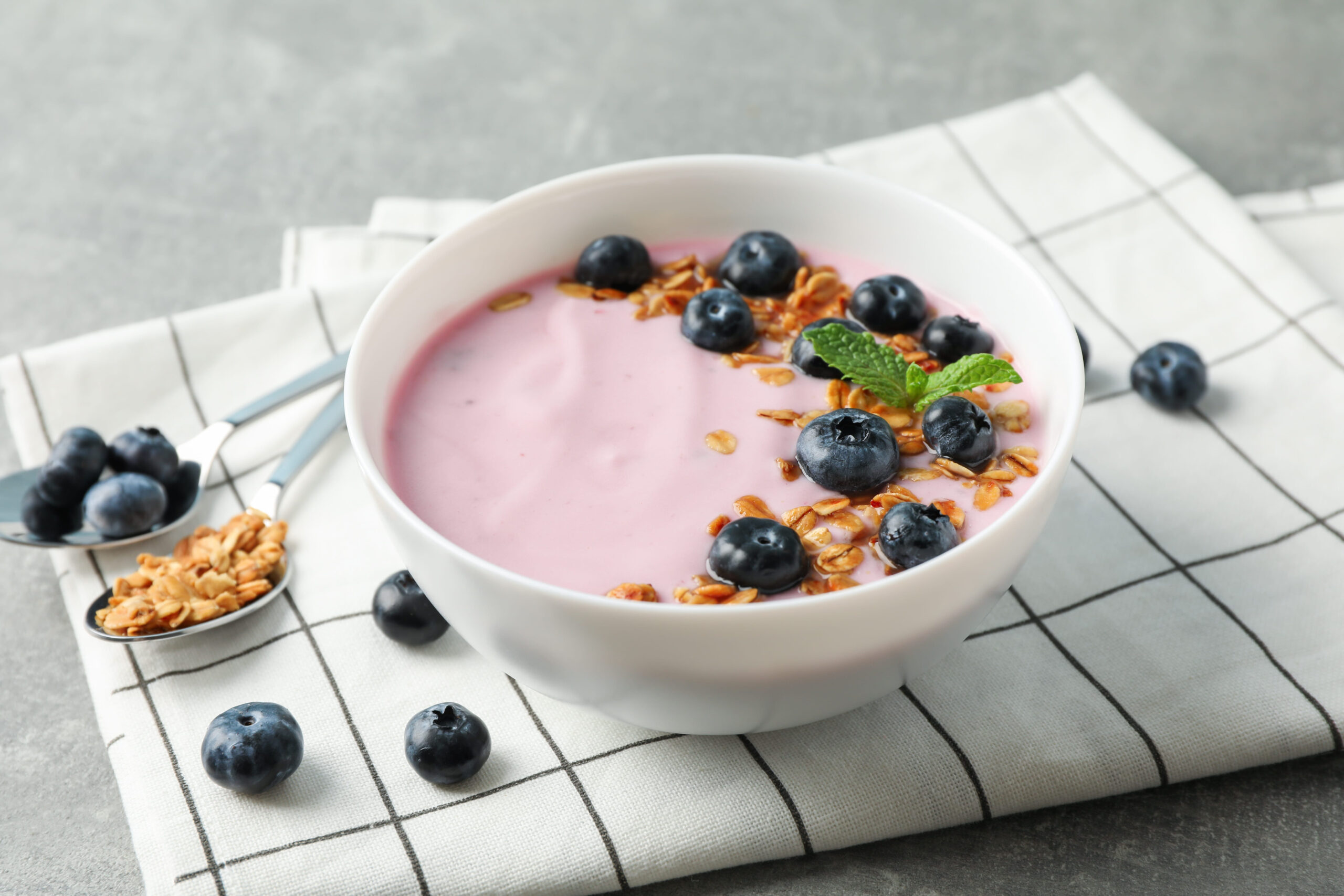
Yogurt has one of the strongest health halos in the store. That halo fades fast when the cup comes loaded with added sugar. The American Heart Association advises choosing plain or no-sugar-added yogurt with fruit, and both the CDC and FDA warn that added sugars add up quickly. A snack should calm your hunger, not act like dessert in gym clothes.
The fix is simple. Buy plain Greek yogurt. Add fruit yourself. That move gives you more control and fewer nasty surprises.
Trail Mix Turns Reckless When Candy Takes Control
Trail mix sounds rugged and sensible. In reality, many store versions act more like candy with a few nuts thrown in for public relations. A better snack mix pairs complex carbs and protein, which is why homemade blends work better than sugary prepackaged ones. Once chocolate chunks, sweet coatings, and giant portions show up, the snack stops helping and starts drifting.
This is where smart snacking needs a hard border. Build your own mix. Use nuts, seeds, and a little dried fruit. Portion it before you start eating, or the bag will win.
Beef Jerky Looks Lean but Often Brings a Salt Bomb
Jerky feels disciplined. It is chewy, high in protein, and easy to carry. Then sodium crashes the party. 20% Daily Value or more is high for sodium, so some jerky products can become a quiet problem for people who treat them like an endless snack.
Read the label before you trust the package. Look for lower-sodium versions. Eat one serving, not half the bag. Protein helps, but a salt overload still counts.
Sweet Potato Fries Lose Their Advantage the Second They Hit Hot Oil
Sweet potatoes do have real nutritional value. NIH says orange and yellow vegetables are major sources of provitamin A, and baked sweet potato is notably rich in vitamin A. That sounds great until the food gets deep-fried, oversalted, and served in a mountain big enough to feed a football team. A smart ingredient can still become a bad meal.
This is the classic healthy-food mistake. People focus on the ingredient and ignore the method. Roast or air-fry sweet potatoes at home. Then keep the serving sane.
Pretzels Fool You Because They Barely Fight Hunger
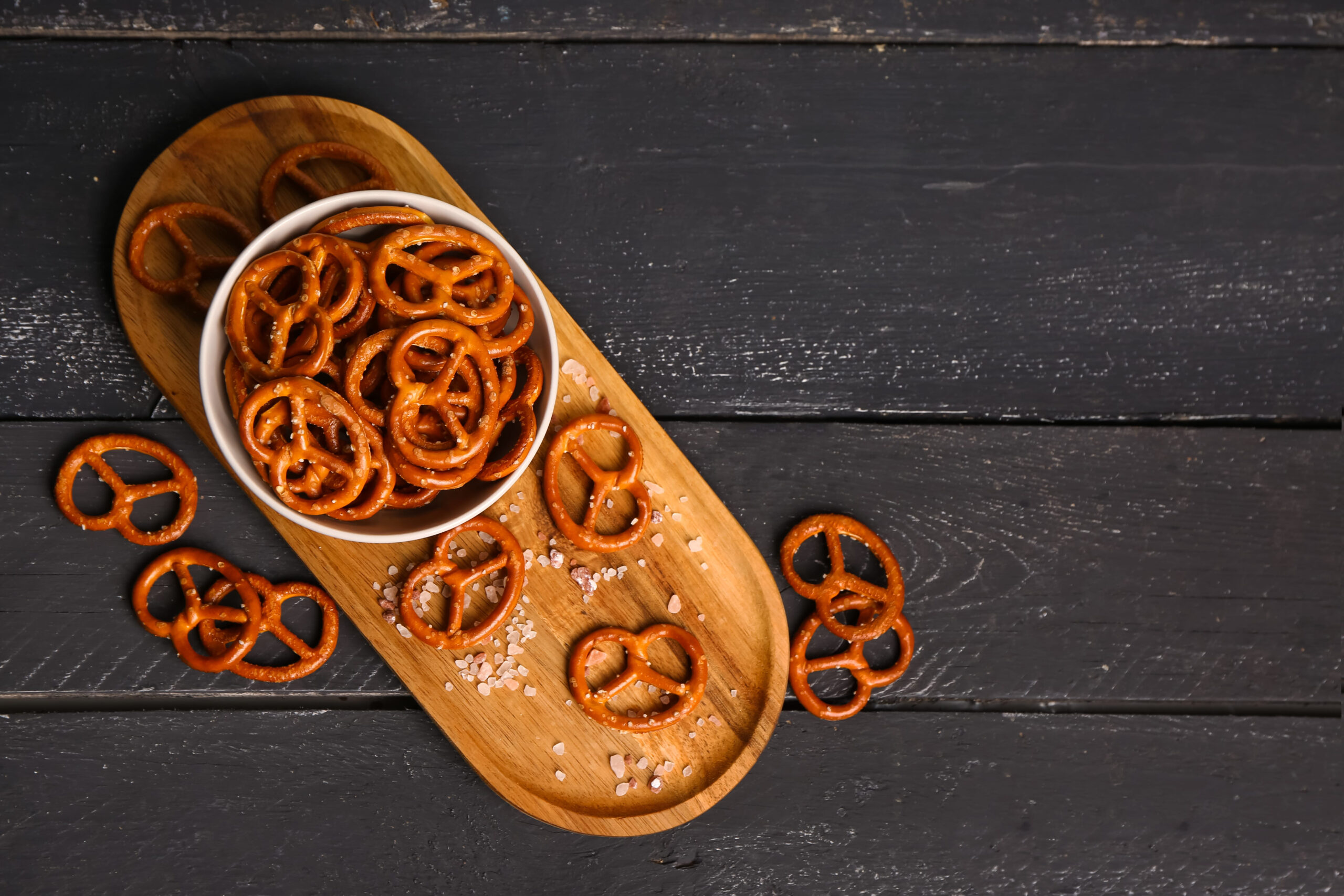
Pretzels look harmless. They are usually lower in fat than chips, so people treat them like a safe bet. That logic falls apart fast because low fat does not mean filling. The American Heart Association recommends snacks that combine carbs with protein, healthy fat, and fiber, which plain pretzels do not do well on their own.
That is why pretzels often boomerang. You eat them. You feel good for ten minutes. Then hunger comes back like it paid rent. Pair them with hummus or nut butter, or skip them for a more balanced option.
Sorbet Bars Can Drain Your Sugar Budget Faster Than You Think
Frozen fruit bars look light and cheerful. Many people assume ice cream is automatically better than they are. That is not always true. The FDA says 20% Daily Value or more is high for added sugars, and the CDC still recommends keeping added sugar below 10% of daily calories. A sweet snack still counts, even when it comes on a stick.
The smarter move is to read the label like a hawk. Choose options with shorter ingredient lists and lower added sugar. Better yet, freeze your own fruit and yogurt. That trick saves money and cuts the nonsense.
The “Better” Breakfast Sandwich Still Fails When You Order the Full Meal
A small breakfast sandwich can be one of the less chaotic fast-food choices. McDonald’s lists the Egg McMuffin at 310 calories and 17 grams of protein. The problem starts when people add hash browns, a sweet drink, and extra sides, which pushes the meal far past the neat image they had in mind. A decent choice can still drown in add-ons.
That is the hidden downside of fast-food restraint. It only works if you actually stay restrained. Order the sandwich. Skip the meal upgrade. Leave before the combo deal talks you into bad math.
Hummus Helps, but Pita Chips Often Ruin the Plan
Hummus deserves its reputation. Chickpeas provide protein and fiber, and Harvard describes them as a nutritious staple rich in carbohydrates, protein, fiber, B vitamins, and minerals. The trouble sits right next to the tub. Pita chips can turn a strong dip into a salty, crunchy calorie trap in a hurry.
This snack works better with a split strategy. Keep some chips if you like them. Then use vegetables for the rest. That one move cuts the damage without killing the snack.
Dark Chocolate Still Bites Back When You Treat It Like a Health Supplement
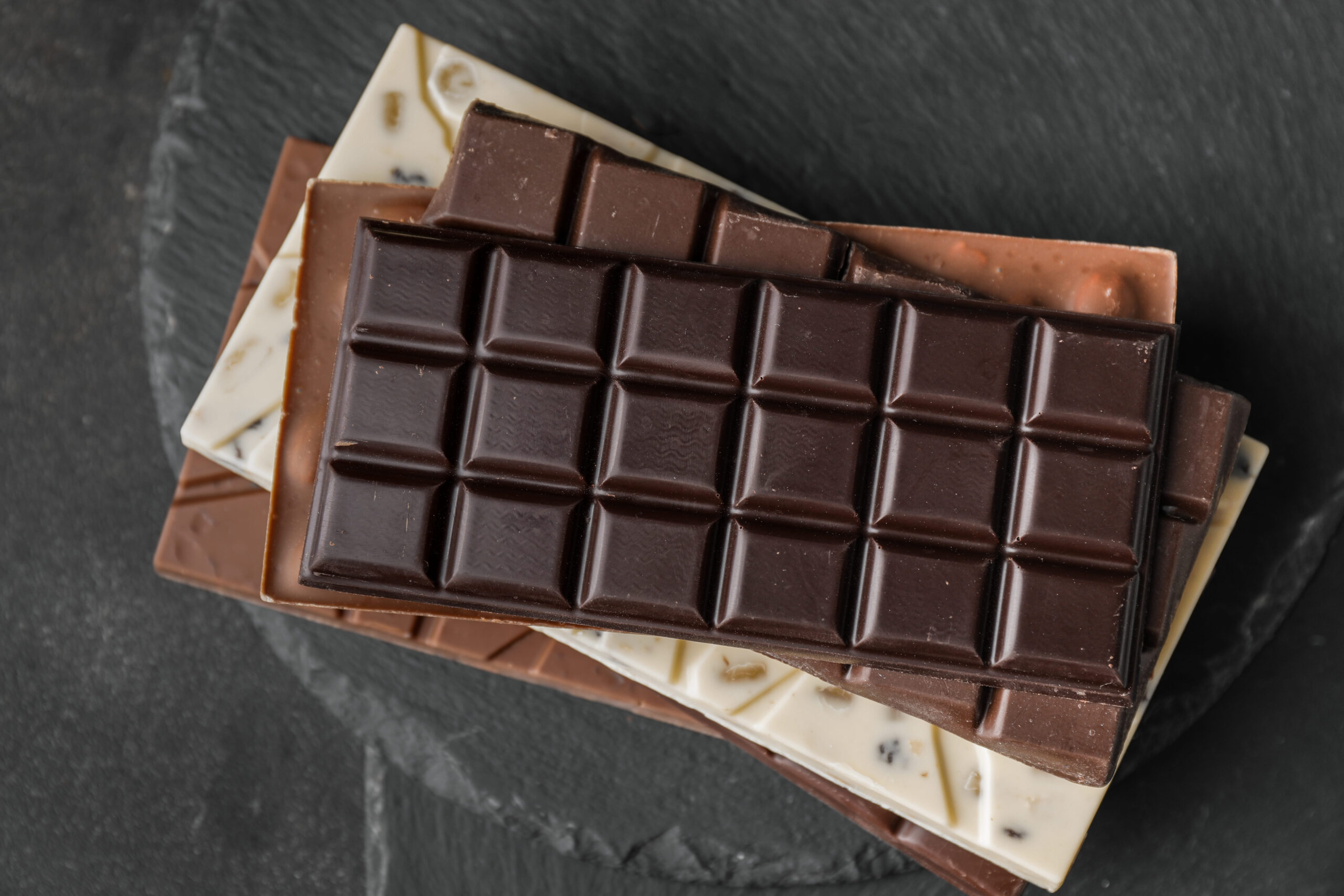
Dark chocolate has real advantages over milk chocolate. Harvard notes that darker chocolate is more likely to be high in flavonoids and lower in sugar. That sounds impressive, but it does not turn a candy bar into a wellness plan. Calories still count, and many commercial bars still bring sugar and fat to the table.
This is where good advice gets mangled. People hear one positive headline and start eating chocolate like medicine. Keep the portion small. Pick a darker bar. Enjoy it as a treat, not as a loophole.
Cheese and Crackers Collapse Under Portion Creep
Cheese can be satisfying. Crackers can be useful. Together, they often slide from snack to mini feast before anyone notices. The American Heart Association recommends building snacks with a balance of carbs, protein, healthy fat, and fiber, which means a few crackers and a modest amount of cheese can work, but a giant pile will not.
The mistake here is visual. People rarely count crackers. They just keep stacking. Use a plate, not the sleeve. Add fruit to stretch the snack without stretching the regret.
A Simple Taco Is Fine Until the Combo Meal Starts Showing Off
A plain crunchy taco is not the worst thing on a fast-food menu. Taco Bell lists a Crunchy Taco at 170 calories, which is modest compared with many oversized menu items. Then the combo enters the scene, and the calories jump sharply depending on the sides and drink. One tidy choice can become a full-blown derailment in minutes.
Fast food rarely ruins people with one item. It ruins them with momentum. Order one or two simple items. Skip the soda. Do not let a decent pick turn into a full parade.
Oatmeal Cookies Still Carry the Same Old Cookie Trap
Oats sound wholesome. That is why oatmeal cookies fool so many people. The FDA and CDC both stress keeping added sugars in check, and cookies still count as a concentrated source when the recipe leans hard on sugar and fat. A cookie with oats is still a cookie.
The better move is to stop pretending. Treat oatmeal cookies as dessert. Buy smaller ones or make your own with less sugar. A little honesty goes a long way.
Popcorn Goes From Smart to Slippery When Butter Takes Over
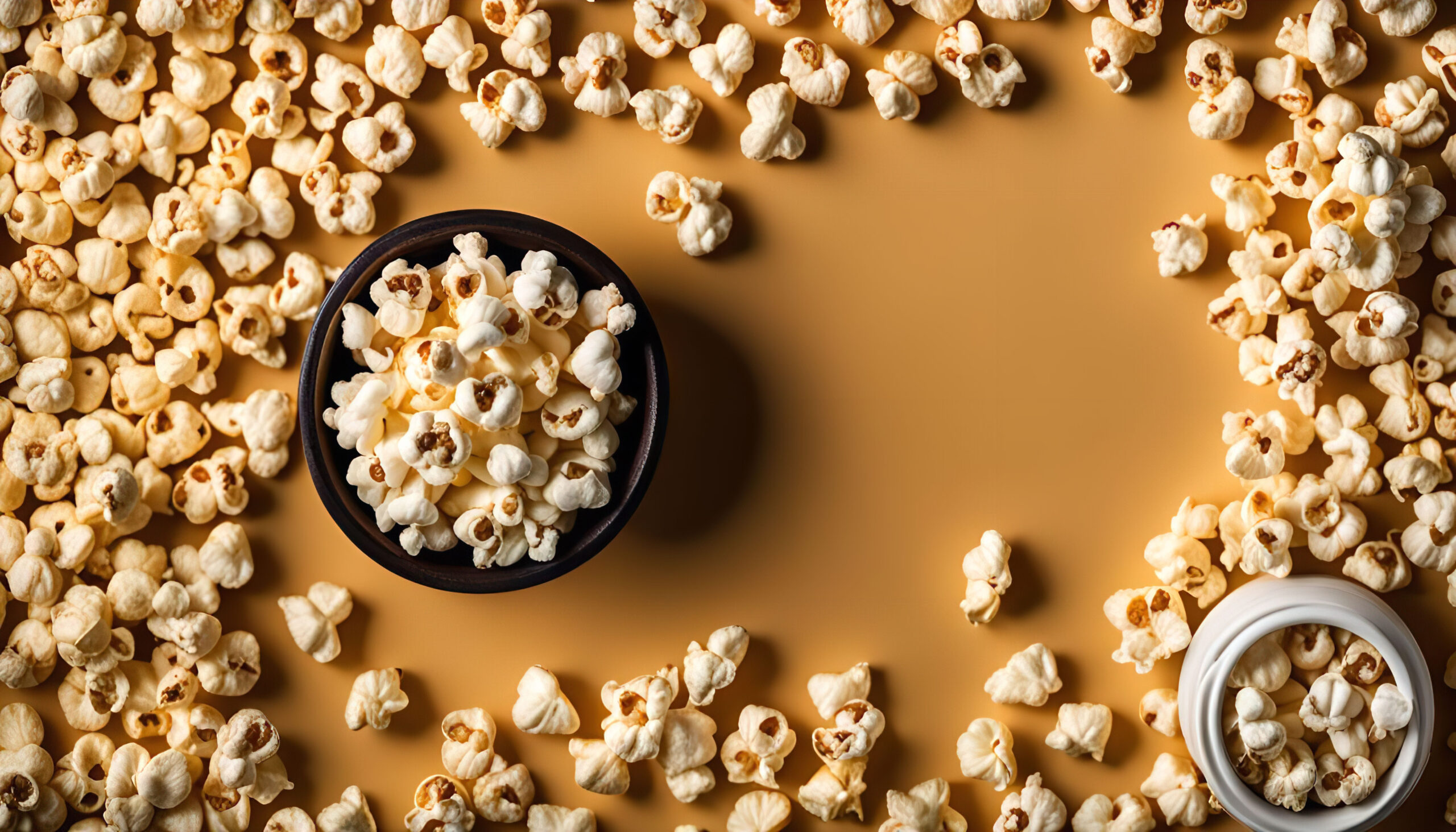
Popcorn starts with strong credentials. USDA says popcorn is a whole grain and a good source of fiber, and air-popped popcorn can provide about 15% of daily fiber needs in one serving. That is the good news. The bad news is that popcorn turns reckless once butter, oil, and salty coatings pile on like confetti.
This snack succeeds or fails on preparation. Air-popped popcorn can be a strong choice. Movie-style popcorn often is not. Use herbs, spices, or a light sprinkle of seasoning instead of drowning it in seasoning.
Tortilla Chips and Salsa Still Blow Up Fast When You Stop Counting
Salsa sounds fresh and bright. That makes people feel oddly safe around chips. The FDA’s label guide makes the rule clear: 5% Daily Value is low, and 20% is high, especially for nutrients like sodium. The issue is not the salsa. The issue is that chips disappear fast and rarely stop at one serving.
This snack needs boundaries. Measure the chips first. Let the salsa add flavor, not an excuse for endless scooping. Once the bowl sits between two people, portion control usually leaves the room.
Roasted Chickpeas Work Better Than Most Crunchy Snacks, but Flavor Dust Can Still Undo Them
Roasted chickpeas deserve more attention. Harvard notes that chickpeas provide protein and fiber, which helps with fullness and gives them more staying power than many empty, crunchy snacks. That advantage shrinks when manufacturers coat them in aggressive salt, sugar, or flavor dust. Even good ingredients can get hijacked by processing.
Pick dry-roasted versions with simpler ingredient lists. Or roast your own at home. That way, you keep the crunch and ditch the bait-and-switch.
The Real Danger Is the Health Halo
Most diet damage does not come from obvious junk. It comes from foods that look healthy enough to escape scrutiny. That is why labels matter so much. The FDA says 5% Daily Value or less is low, while 20% or more is high, which gives you a quick way to spot snacks that talk clean but hit hard.
The fix is not perfect. The fix is better judgment. Look for snacks with some protein or fiber. Watch added sugar and sodium. Then control the portion before the package controls you.
Conclusion
The worst snack mistakes rarely look dramatic. They look normal. A yogurt cup here, a “healthy” trail mix there, a few pita chips, a little dark chocolate, and suddenly the day goes sideways. Healthy junk foods are not dangerous because they exist. They are dangerous because they make people drop their guard.
So what should you do next? Start with your kitchen. Check three snacks you already buy. Look at the serving size, added sugar, sodium, and fiber. Which one still deserves a place on your shelf, and which one has been fooling you all along?