We’ve all done it: thrown fresh fruits in the fridge, thinking it will keep them fresh for longer. While refrigeration is the best way to store certain foods, it can actually harm others. Many fruits need a warm environment to ripen properly and maintain their flavor and texture. Here’s the truth: some fruits just don’t belong in the fridge.
If you want to enjoy the full taste and freshness of your produce, keep reading to learn which fruits should never see the inside of your refrigerator.
Avocados
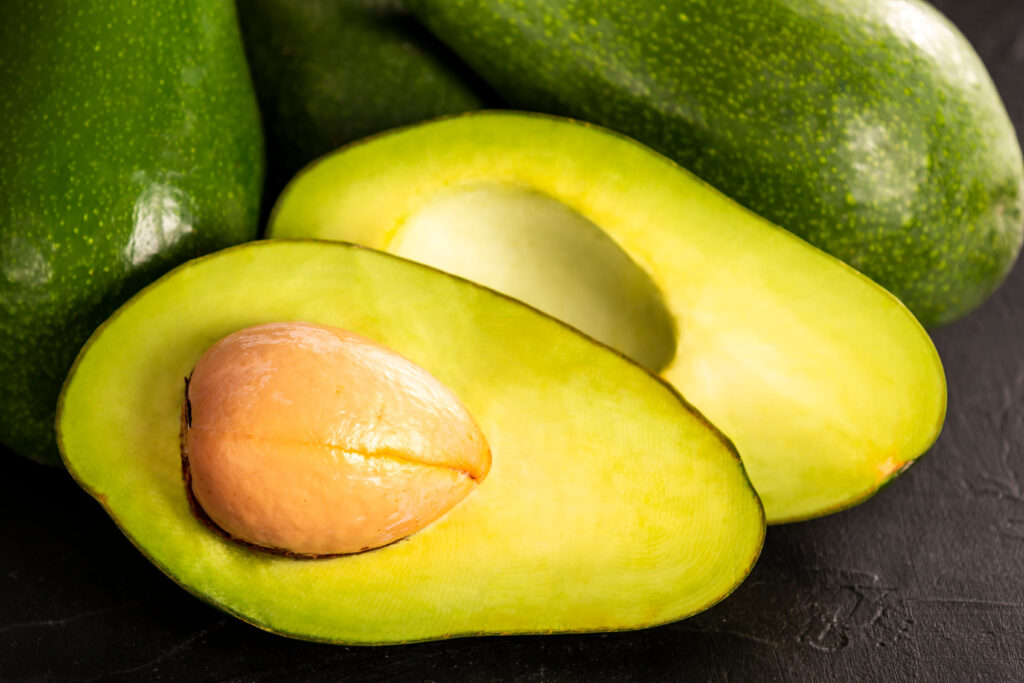
Avocados are one of the few fruits that most people put in the fridge to preserve them, but this isn’t necessary until they’re ripe. Storing an unripe avocado in the fridge can slow down the ripening process and leave you with a firm, unyielding fruit.
Instead, let your avocado ripen at room temperature for a few days. Once it’s soft to the touch, place it in the fridge to slow down further ripening and extend its shelf life for a couple of days. The key is to know when it’s ready to go into the fridge.
Tomatoes

Tomatoes are among the most commonly refrigerated fruits, but storing them in the fridge can actually do more harm than good. When tomatoes are exposed to cold temperatures, their cell walls break down, resulting in a mealy, unpleasant texture.
Not only does the texture change, but refrigeration also dulls their natural flavor, leaving them bland. The best way to store tomatoes is by leaving them at room temperature, away from direct sunlight. If they’re overripe, you can refrigerate them for a short time, but try to consume them soon after.
Whole Melons
If you’ve been refrigerating your melons, you might be doing it wrong. Whole melons like watermelon, cantaloupe, and honeydew are best stored at room temperature. The fridge’s cold temperature can inhibit the fruit’s natural sweetness and dull its flavor.
Let melons ripen on the countertop until fully ripe, and refrigerate them only after they’re cut to preserve their freshness. Whole melons, when left at room temperature, will retain their sweet, juicy texture, making every bite refreshing and satisfying.
Mangoes
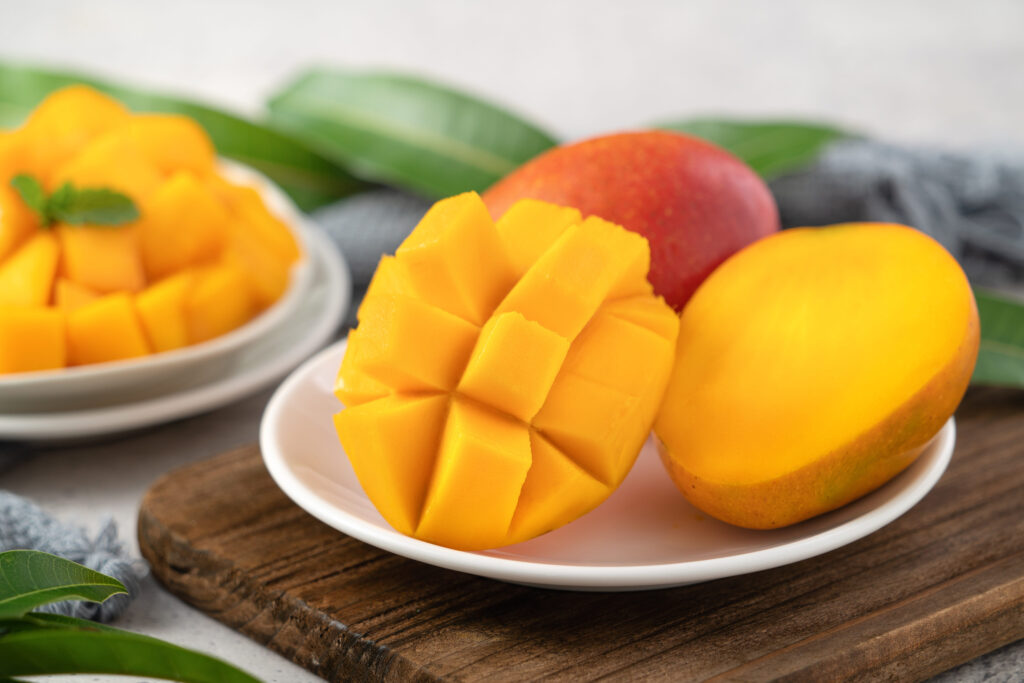
Mangoes are tropical fruits that require warmth to ripen. If you place an unripe mango in the fridge, it will not ripen properly, and you’ll be left with a tough, unappetizing fruit. The best way to ripen mangoes is by keeping them at room temperature until they give slightly when pressed.
Once ripe, you can refrigerate them to keep them fresh for a few extra days. But never store them in the fridge before they’ve ripened naturally, that’s when the true flavor shines.
Bananas
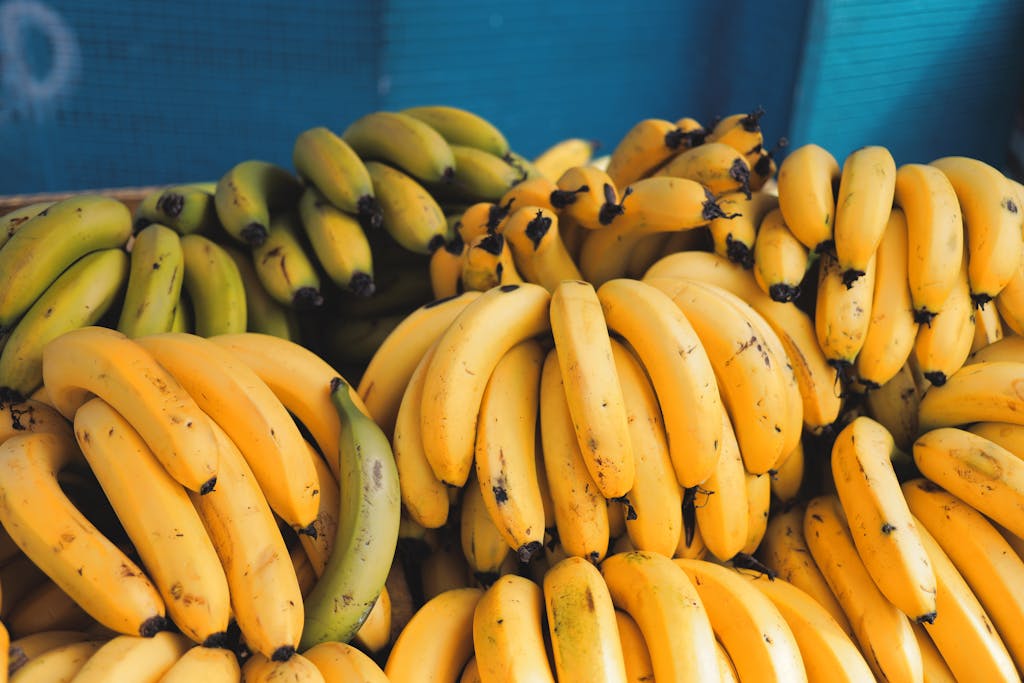
Bananas are another fruit that should never be refrigerated. While it may seem like a good idea to store bananas in the fridge to extend their shelf life, doing so actually slows their ripening and turns their skin a dull black. Room temperature is perfect for bananas because they continue to ripen at a natural pace.
If you want to slow down the ripening process, place your bananas in a separate area or away from other fruits. If they ripen too quickly, you can peel and freeze them for smoothies or baking.
Cucumbers
Cucumbers are another fruit that suffers when refrigerated. While they may seem like a vegetable, cucumbers are technically a fruit, and they do better at room temperature. When kept in the fridge, cucumbers tend to become watery and mushy, losing that satisfying crunch.
Store them on your kitchen counter in a cool, dry area, and if you must refrigerate them, try to consume them quickly. For the best results, though, leave cucumbers out of the fridge until you’re ready to eat them.
Persimmons
Persimmons are delicate fruits that are best enjoyed once they’ve ripened. If you store them in the fridge before they’ve fully ripened, they will remain hard and unpleasant to eat. The key to enjoying persimmons is letting them ripen naturally at room temperature.
Keep them on your kitchen counter or in a fruit bowl until they soften and reach their peak flavor. Once they’re ripe, you can store them in the fridge for a few days, but only after they’ve reached full ripeness.
Peaches
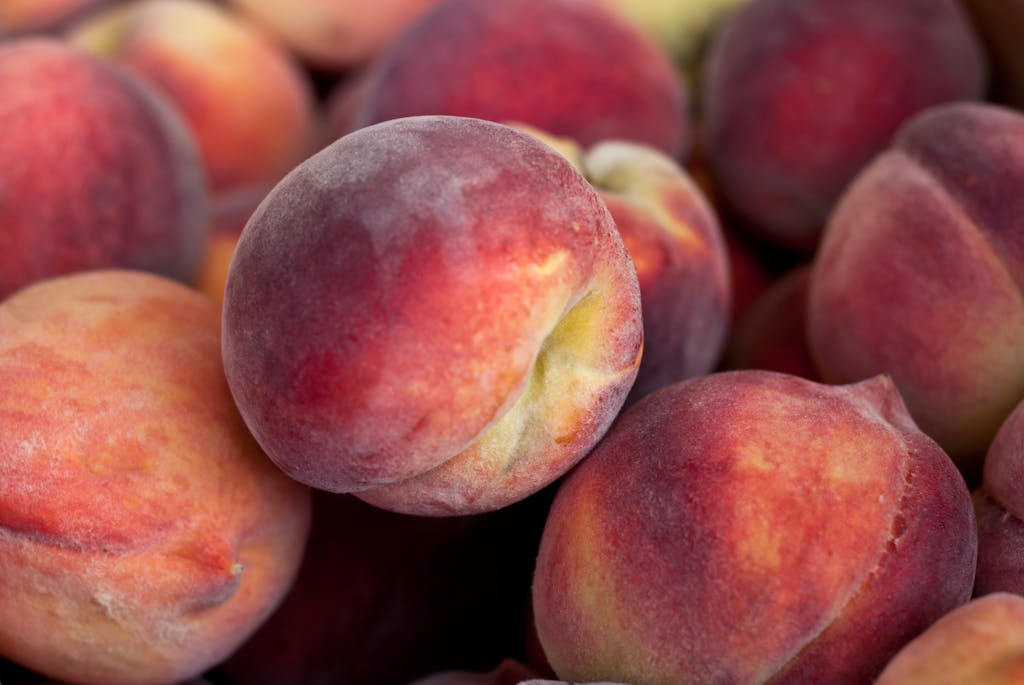
Peaches are a juicy summer favorite, but refrigeration can ruin their delicate texture. When you refrigerate peaches, their flavor becomes muted, and the flesh can become dry and mealy. To get the best flavor and texture, let peaches ripen on the counter until they’re soft to the touch.
Once ripe, you can refrigerate them for a few days to extend their freshness. But don’t refrigerate them too soon; their natural sweetness is best enjoyed when allowed to ripen at room temperature.