In the world of cooking, there are countless tips and tricks passed down through generations. However, many of these popular beliefs are just that—beliefs. Testing in the kitchen has debunked many of these myths, revealing the truth behind some of your long-held culinary assumptions. Let’s explore some of these myths, from tomatoes to meat searing, and discover what really makes your dishes shine.
The Best Part of a Tomato Is the Flesh
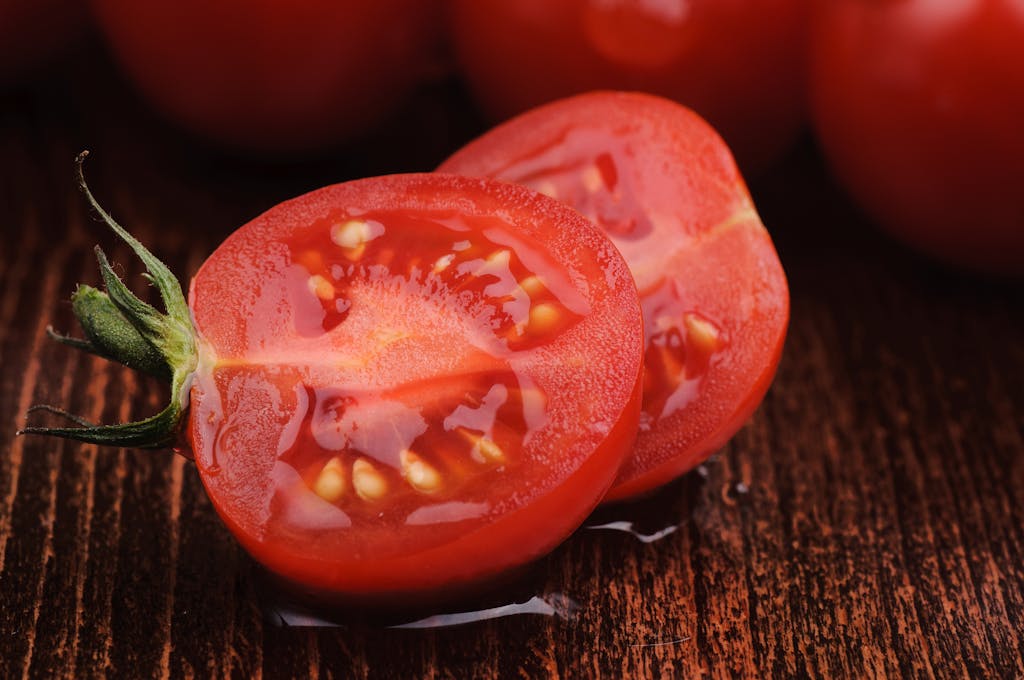
For years, we’ve been told that the best part of a tomato is the flesh, often removing the seeds and jelly to improve texture. However, testing shows the opposite. The seeds and jelly actually hold a significant amount of the tomato’s flavor—specifically, glutamic acid, a compound that enhances umami. In our tests with tomato gratins, we found the version with the seeds and jelly intact had a richer, deeper flavor than its seedless counterpart. Removing the seeds may be necessary in some cases, but they shouldn’t be dismissed as flavorless.
Slamming the Oven Door Won’t Ruin Your Soufflé or Cake
Many believe that slamming the oven door during baking will destroy delicate dishes like soufflés and cakes. In reality, this isn’t true. Our test kitchen put this myth to the test with various batter muffins, yellow cake, angel food cake, and soufflé, and slammed the oven door right before they reached their peak. To our surprise, every single dish emerged unscathed. The key here is that a properly developed foam is resilient, and slamming the door won’t interrupt the rising process.
Bread Doesn’t Go Stale Because It Loses Moisture
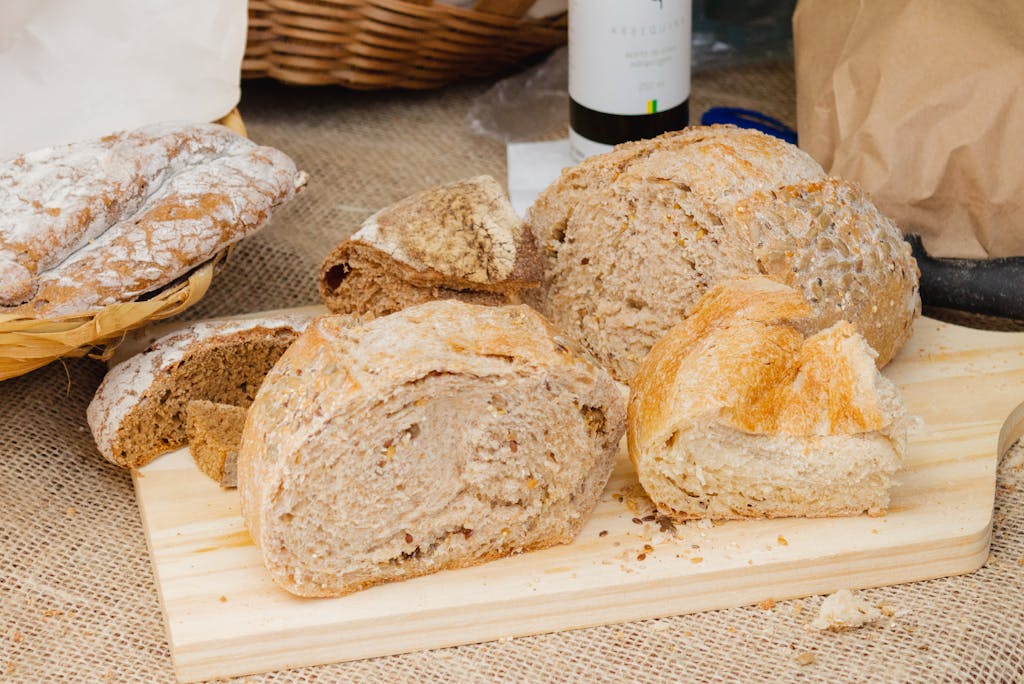
You may have thought that bread stales because it loses moisture, but that’s not the real reason. The true culprit behind stale bread is a process called retrogradation, where starch molecules crystallize and absorb moisture. This turns the bread hard and crumbly. So, if you’re preparing bread for stuffing, it’s better to dry it in the oven rather than waiting for it to go stale.
Salt Makes Water Boil Faster
It’s commonly believed that adding salt to water helps it boil faster, but that’s not the case unless you add a lot of salt. Our experiment showed that salted and unsalted water reached the boiling point in the same amount of time. In fact, you need 1½ tablespoons of salt per quart of water to raise the boiling point by just 1 degree, something that won’t noticeably speed up the cooking process in everyday situations.
Cooking Wine Removes All Its Alcohol
It’s commonly stated that cooking with wine eliminates all the alcohol content. However, alcohol is never fully removed during the cooking process. Alcohol and water form an azeotrope, a mixture with a single, constant boiling point, meaning that even as alcohol evaporates, some will remain in the food. Even after extensive simmering, up to 5 percent of the alcohol will still be present in the dish.
Cooking Meat in Liquid Doesn’t Add Moisture
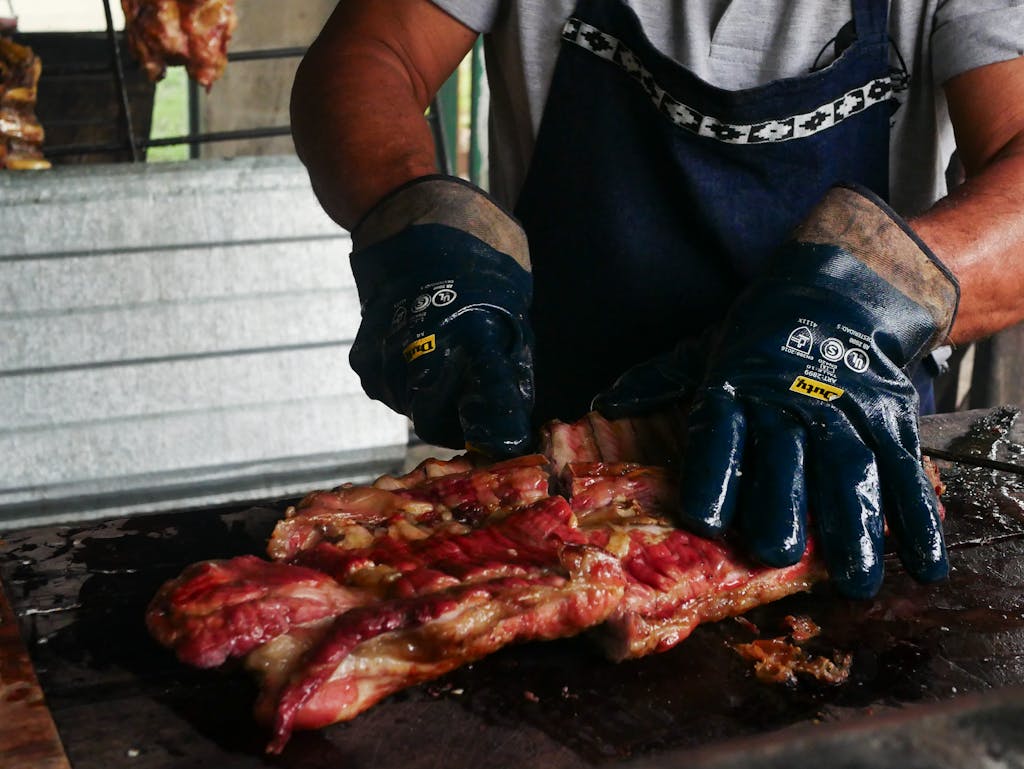
The myth that cooking meat in liquid, such as when braising, helps it retain moisture is false. In fact, braising pulls moisture out of the meat and into the surrounding liquid. Testing with beef chuck showed that the meat lost 12.5 percent of its weight during cooking. The moistness you experience with braised meat comes not from the liquid but from the temperature and slow cooking method, which helps break down connective tissues and tenderize the meat.
Oil and Vinegar Don’t Mix
Many believe that oil and vinegar cannot be combined without separation, but they can form a stable emulsion. An emulsion happens when one liquid is broken down into tiny droplets and suspended within another. We tested vinaigrettes with different emulsifiers, such as mayonnaise and mustard, and found that they successfully kept the oil and vinegar together. So, the next time you’re making a salad dressing, don’t skip the emulsifier for a longer-lasting blend.
Potatoes Won’t Tame Spiciness
Some people add potatoes to a spicy dish, thinking they will absorb the heat. In reality, this doesn’t work. To counterbalance spiciness, you need fat or sugar, both of which can help neutralize the heat. Ingredients like butter, sour cream, cheese, sugar, or honey are much more effective at reducing the heat in spicy foods. However, using your best judgment is crucial in knowing when and what to add.
Not All Parts of a Chile Are Equally Hot
Many believe that the seeds of a chile pepper are the hottest part, but this is a misconception. The true source of the heat in a chile lies in the pith, the white membrane inside the pepper. We tested jalapeños and found that the pith contained significantly more capsaicin (the compound responsible for heat) than the seeds or flesh. So, if you want to avoid the most intense heat, remove the pith.
Acidic Marinades Don’t Tenderize Meat
It’s a common misconception that acidic marinades, such as those with lemon juice or vinegar, tenderize meat. While acids can weaken collagen, their effect is limited to the surface of the meat. Left for too long, acidic marinades can break down the outer layers of meat to the point of mushiness, rather than enhancing tenderness. For optimal tenderness, the meat’s cut, cooking time, and method play a more significant role.
You Don’t Need a Full Pot of Water to Cook Pasta
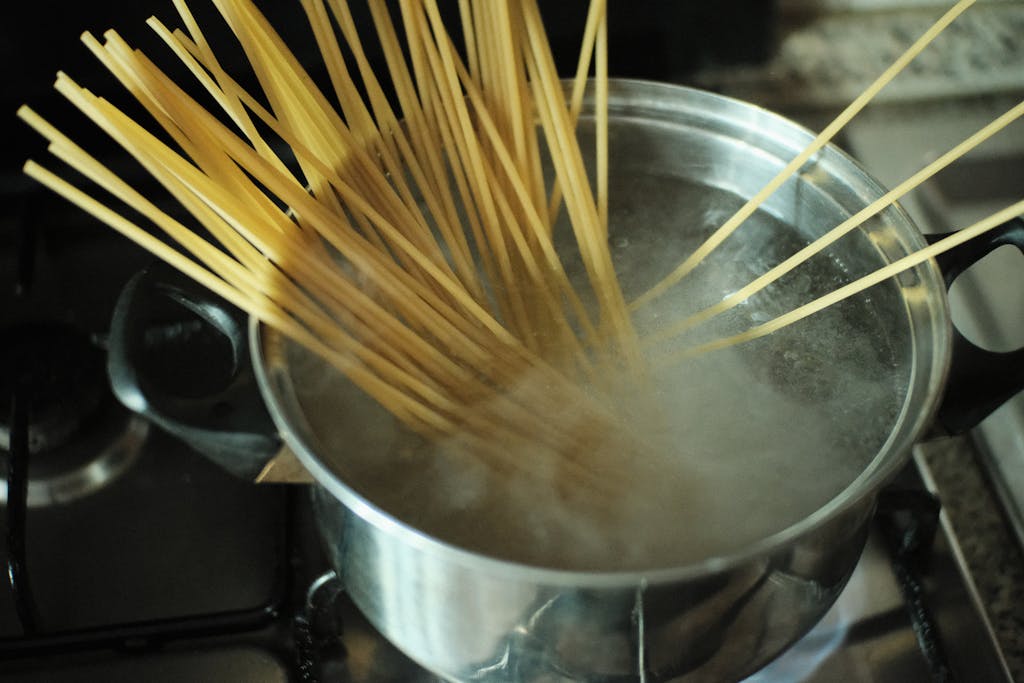
The myth that you need a huge pot of water to cook pasta is simply outdated. You can cook pasta in just half the usual amount of water, as long as you stir it frequently. Our tests with 2 quarts of water for a pound of spaghetti produced perfectly cooked pasta. In fact, the starchy water can be beneficial when making sauces, as it helps the sauce cling to the pasta better.
Searing Meat Doesn’t Seal in Juices
The idea that searing meat locks in juices is one of the most enduring myths in the kitchen. Our experiments with rib-eye steaks showed that searing the meat before or after cooking had the same result: both sets of steaks lost around 22 percent of their weight. Searing creates a flavorful crust, but it doesn’t trap juices inside. The moisture loss comes from the cooking process itself, not the searing.
Conclusion
Cooking myths have been passed down for generations, but now, thanks to modern testing and experiments, we can finally separate fact from fiction. Whether it’s about tomatoes, soufflés, or pasta, these myths have been tested and proven wrong. The next time you’re in the kitchen, you can confidently challenge the conventional wisdom and make your cooking even better.