Earwigs might not be as famous as some other pests, but when they invade your home or garden, they can certainly make their presence known. Unfortunately, many people make mistakes when trying to get rid of these pesky insects, which only leads to more frustration. If you’re dealing with earwigs, it’s crucial to avoid common pitfalls that only make the problem worse. Here are the 7 biggest mistakes people make when attempting to eliminate earwigs, and how you can avoid them.
Ignoring Prevention Methods
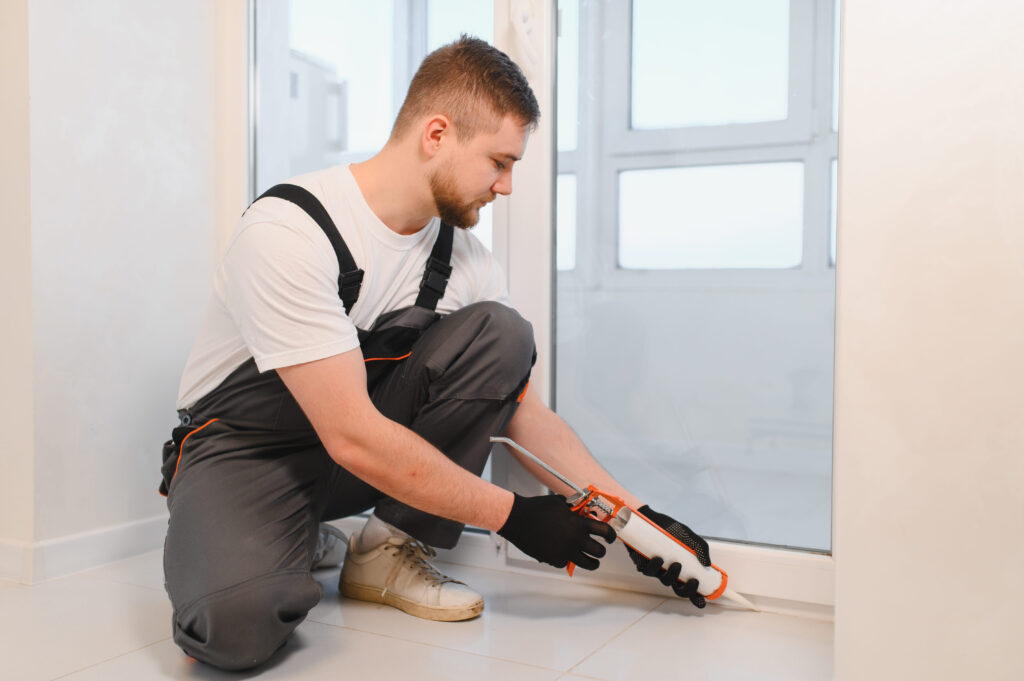
One of the biggest mistakes people make when dealing with earwigs is failing to take preventive measures. Most homeowners wait until the problem becomes severe before acting. By the time you spot an earwig, it could mean there’s a larger infestation that’s difficult to control. Instead of waiting for them to invade, proactive steps can help keep them at bay. Seal cracks and gaps around windows and doors, and use weather stripping to ensure there are no entry points. This simple prevention method is often overlooked but can save you a headache later.
Using the Wrong Pesticides
Pesticides are a common go-to solution for many pests, including earwigs. However, using the wrong pesticide can be ineffective and even dangerous. Not all insecticides are suitable for earwigs, and using ones that aren’t designed for this particular insect can result in wasted time and money. Furthermore, the wrong pesticide could harm your plants, pets, or even your own health. Be sure to choose a pesticide that specifically targets earwigs. Organic or natural pesticides are a better option if you’re concerned about safety and environmental impact.
Underestimating the Role of Moisture
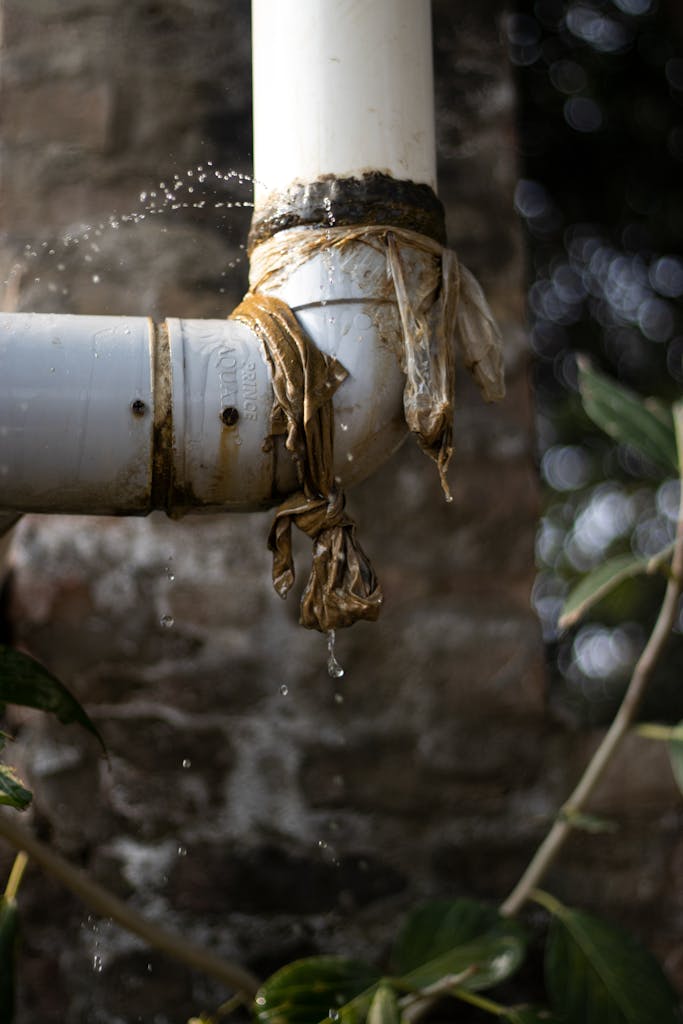
Earwigs thrive in moist environments, so another common mistake is underestimating the role moisture plays in attracting them. Many people mistakenly believe that earwigs only like dark spaces, but the truth is, they also seek out moisture. Neglecting to address damp areas in your home or garden can encourage earwig populations to grow. Common sources of excess moisture include leaky pipes, standing water, and overly damp soil. If you notice an increase in earwigs, check for moisture issues and fix them immediately to discourage them from nesting in your home.
Overlooking the Yard
While many focus on indoor pest control when battling earwigs, they fail to realize that the yard plays a crucial role in their presence. Earwigs are often drawn to your home by outdoor environments that offer shelter and food. Overgrown grass, piles of leaves, and moist areas in the garden can create ideal habitats for earwigs. It’s essential to regularly tidy your yard, rake leaves, and trim grass to reduce hiding places for these insects. Make sure to also remove any organic debris, as earwigs feed on decaying matter, which could attract them to your garden.
Failing to Clean Up Food Sources
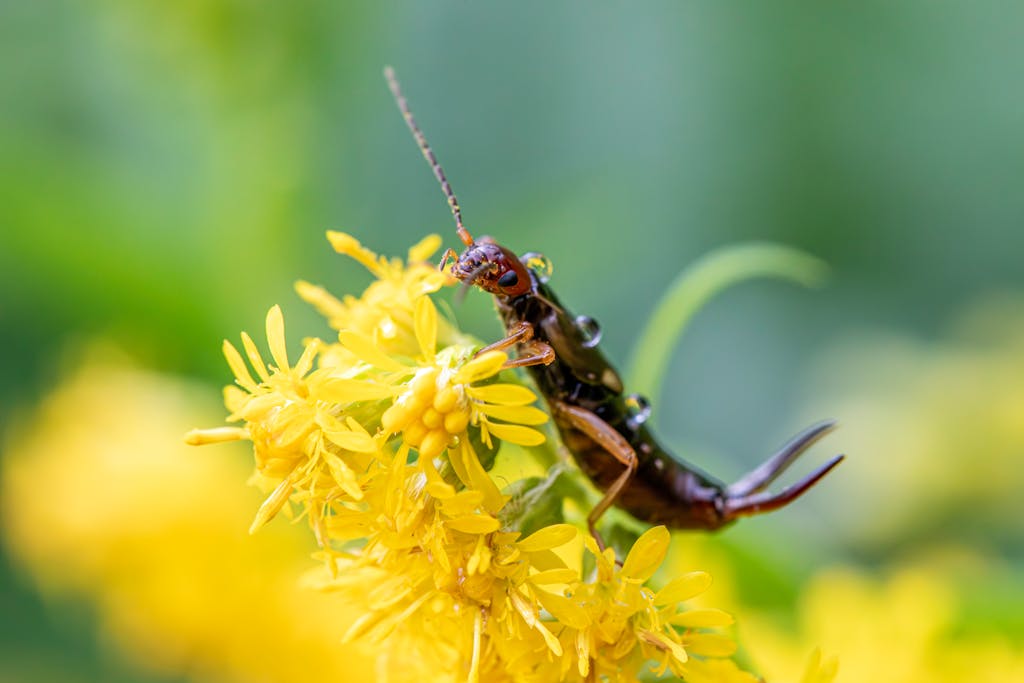
Another big mistake that people make when trying to get rid of earwigs is failing to clean up food sources. Earwigs are omnivores, meaning they feed on both plants and small insects. If you have a garden, neglected plants or rotting vegetables can act as a food source, attracting earwigs into your space. Make sure to harvest ripe fruits and vegetables promptly and dispose of any that are past their prime. Likewise, consider using barriers or organic deterrents around the garden to make it less appealing to earwigs.
Not Using Traps Properly
Many people try to use traps to catch earwigs, but they often do so incorrectly, resulting in poor results. One common mistake is placing traps in the wrong spots. Traps should be placed where earwigs are most likely to be, such as near dark, damp areas like basements, crawl spaces, or the base of plants. Be sure to use the right type of trap, such as a rolled-up newspaper, a tin can, or a specially designed earwig trap. The goal is to create an enticing environment for insects to crawl into, making it easier to remove them from your home or garden.
Failing to Keep Up with Maintenance

Once you’ve tackled an earwig problem, it’s easy to think that the job is done. However, failing to maintain can lead to a new infestation. It’s crucial to keep monitoring your home and yard, regularly checking for signs of earwigs. You should continue using preventive measures and ensure your home remains sealed from pests. Additionally, maintain a clean, dry environment by removing any potential food or moisture sources that could attract earwigs. Routine maintenance is key to keeping your home free from earwigs in the long run.
Conclusion
By avoiding these common mistakes, you can ensure that your efforts to get rid of earwigs are effective. Taking a proactive, targeted approach will save you time, money, and frustration. Remember to keep your space dry, seal entry points, and maintain a clean yard, and you’ll be much more successful in keeping earwigs out of your home for good.
Whether you’re dealing with a minor earwig issue or a full-blown infestation, a little prevention and consistent care can go a long way in keeping these pests away. If you’re facing a serious problem, don’t hesitate to call in the experts for assistance.