Colon cancer does not usually begin with one dramatic meal, one bad week, or one guilty snack eaten in a hurry. It often grows in the quiet rhythm of repeated choices, especially when our daily diet leans heavily on processed meats, red meat, refined grains, alcohol, and low-fiber convenience foods. In the United States, colorectal cancer remains a major health threat, with nearly 159,000 new cases expected in 2026, equal to about 440 diagnoses every day.
The sharpest lesson is simple. We cannot control every risk factor, but we can control many of the foods that shape gut health, inflammation, insulin response, body weight, and long-term colorectal cancer risk. Screening still matters most for early detection, especially because most adults should begin colorectal cancer screening soon after turning 45.
Processed Meats Raise the Clearest Red Flag
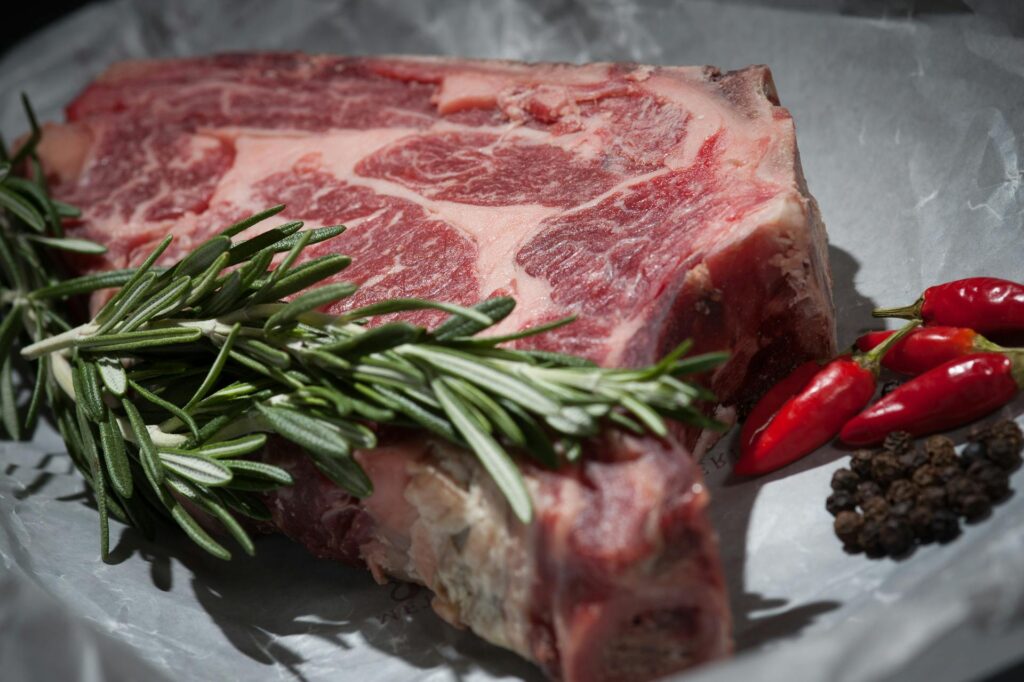
Processed meats deserve the first spot because the evidence against them is stronger than most people realize. Bacon, hot dogs, sausage, ham, pepperoni, beef jerky, deli meats, salami, and many luncheon meats are preserved through smoking, curing, salting, fermentation, or the use of chemical preservatives. The International Agency for Research on Cancer classifies processed meat as a Group 1 carcinogen, meaning it is carcinogenic to humans, with colorectal cancer as the main concern.
The danger is not just that these foods are salty or fatty. Processed meats can contain nitrates and nitrites, and they can form compounds in the digestive system that may damage DNA. The American Cancer Society notes that processed meat is best avoided, or eaten only sparingly, because it is linked to higher colorectal cancer risk. We should treat bacon, hot dogs, and deli meats as occasional foods rather than everyday breakfast, lunch, and snack staples.
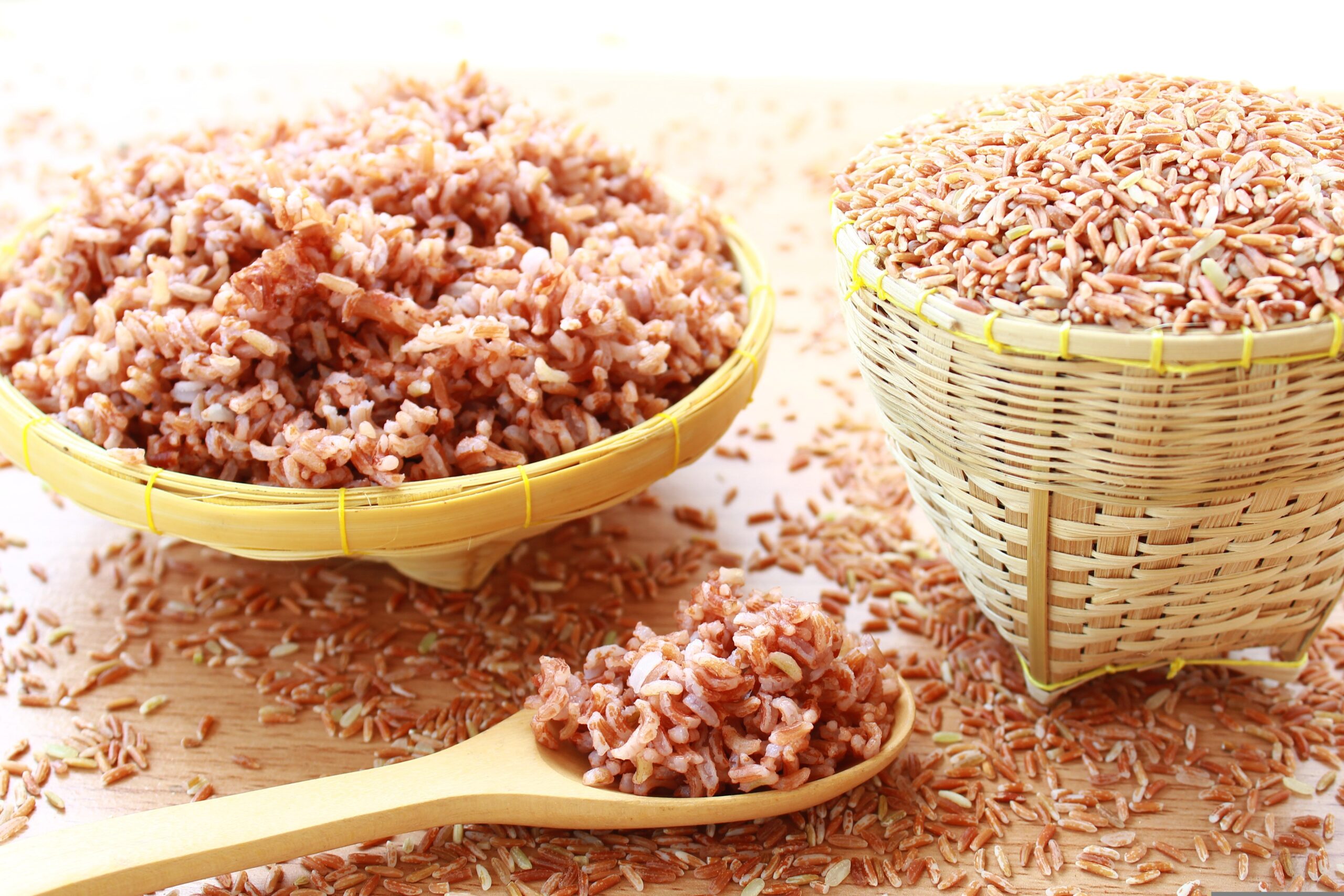
Better swaps include grilled chicken, turkey breast, fish, eggs, beans, lentils, chickpeas, mushrooms, tofu, and nut-based spreads. A sandwich does not need salami to feel filling. A lunch bowl with brown rice, beans, vegetables, avocado, and grilled chicken can deliver more fiber, more nutrients, and far less risk-building baggage.
Red Meat Becomes Riskier When It Becomes Routine

Red meat includes beef, pork, lamb, veal, mutton, and goat. It can provide protein, iron, zinc, and vitamin B12, so the issue is not that every bite is automatically dangerous. The problem begins when red meat becomes the daily default, pushing healthier foods off the plate.
The American Cancer Society says eating red and processed meat is linked to a higher risk of colorectal cancer, and red meat is considered a probable carcinogen. The World Cancer Research Fund recommends limiting red meat to about three portions a week, or 350 to 500 grams cooked weight.
Cooking style can make the risk worse. Grilling, frying, broiling, or charring meat at high temperatures can create compounds that may damage DNA. A charred steak dinner every now and then is different from a weekly pattern of burgers, ribs, fried pork, and processed sides.
We can lower risk without turning every meal into a punishment. Keep red meat portions smaller, choose lean cuts, skip the charred edges, and build the plate around vegetables, legumes, whole grains, and healthier proteins. The goal is not fear. The goal is frequency control.
Bacon and Breakfast Sausage Make the Morning Meal More Dangerous

Breakfast often gets a health halo because it feels traditional. Yet a plate built around bacon, sausage, white toast, and sugary coffee can quietly become one of the most risk-heavy meals of the day. Bacon and sausage combine processed meat, saturated fat, sodium, preservatives, and often high-heat cooking.
Geisinger notes that eating 76 grams of red or processed meat every day was associated with a 20% increase in colon cancer risk, and that amount can be as small as one hot dog, half a hamburger patty, or a few strips of bacon. That makes daily breakfast meat a bigger issue than many people assume.
A safer breakfast can still feel satisfying. Oatmeal with berries and nuts, eggs with spinach and whole grain toast, Greek yogurt with fruit, or avocado on whole grain bread can bring protein and fullness without the processed meat burden. If we want bacon flavor, we can use a small amount as a garnish instead of making it the main event.
White Bread and Refined Grains Strip Away Protective Fiber

White bread, white rolls, many packaged pastries, refined crackers, and low-fiber cereals can raise concern because they remove much of the grain’s natural fiber and nutrient value. Refined grains digest quickly, can spike blood sugar, and may contribute to insulin resistance over time. Geisinger warns that refined grains in white bread and white flour foods can increase blood sugar levels and may raise colon cancer risk.
Fiber matters because the colon is not just a waste tube. It is home to gut bacteria that interact with inflammation, immune function, stool movement, and the lining of the bowel. AICR reports that about three servings, or 90 grams, of whole grains daily are associated with a 17% lower colorectal cancer risk.
We should look for whole grain bread, oats, brown rice, barley, quinoa, popcorn, whole wheat pasta, and high-fiber cereals. A simple label check helps. Choose breads and grains where whole grain appears first, and fiber is not an afterthought.
Alcohol Adds Cancer Risk Even When It Feels Moderate

Alcohol often enters the conversation softly. A glass of wine with dinner. Beers on the weekend. Cocktails at celebrations. Yet cancer risk does not disappear because alcohol feels social or sophisticated.
The National Cancer Institute states that alcohol is a known cause of cancer and that heavy or regular alcohol consumption raises the risk of several cancers, including colon and rectal cancer. The risk increases with the amount a person drinks. Geisinger also notes that even moderate drinking, described as two or more alcoholic drinks per day, can increase colon cancer risk.
We do not need to turn this into a moral judgment. We need to treat alcohol as a risk factor, not a harmless lifestyle accessory. Lower-risk choices include alcohol-free beer, sparkling water with citrus, mocktails without heavy sugar, herbal iced tea, or simply cutting drinking days during the week.
Sugary Drinks and Ultra-Processed Snacks Crowd Out Protective Foods
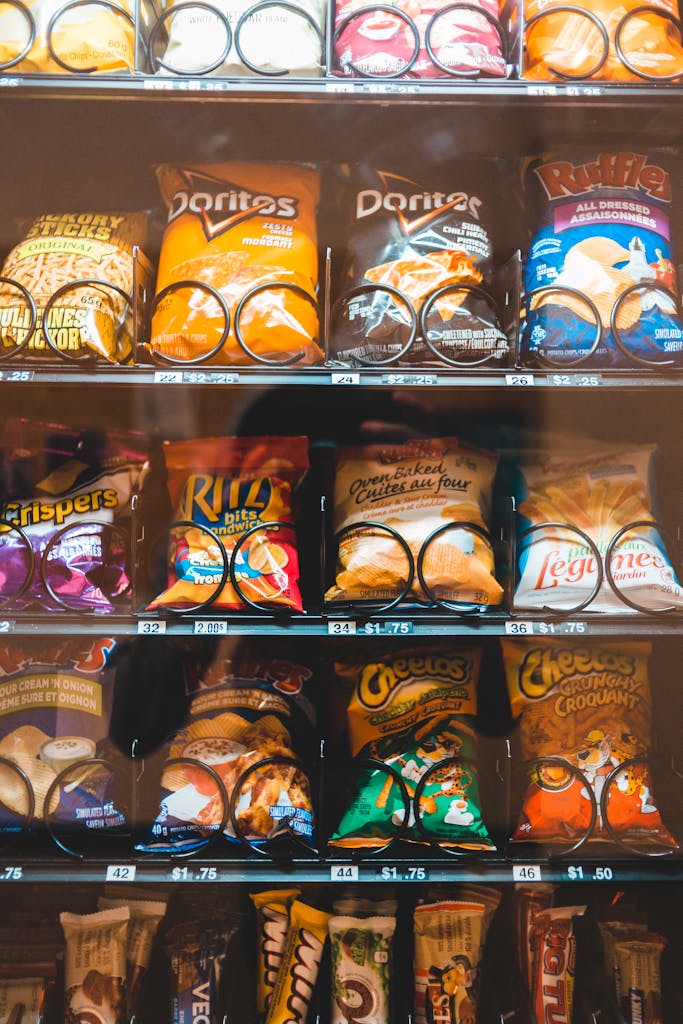
Sugary drinks, packaged snack cakes, candy, sweetened coffee drinks, chips, and ultra-processed snack foods may not carry the same direct evidence as processed meat, but they still matter. These foods often deliver excess calories with little fiber, few protective nutrients, and a high chance of weight gain over time. Excess body weight is an established risk factor for colorectal cancer, and diet patterns built around ultra-processed foods make healthy weight maintenance harder.
AICR estimates that 47% of U.S. colorectal cancer cases could be prevented each year through healthy lifestyle changes, including maintaining a healthy weight, being physically active, limiting red and processed meat, eating more whole grains and fiber, limiting alcohol, and avoiding smoking. That makes the overall food pattern just as important as any single villain.
We should replace sugary drinks with water, unsweetened tea, or sparkling water. Replace snack cakes and chips with fruit, nuts, yogurt, hummus, roasted chickpeas, popcorn, or whole grain toast. The win is not perfection. The win is making the easy choice a little less harmful.
Low-Fiber Diets Leave the Colon Without Enough Support
A low-fiber diet is one of the most common diet problems because it does not always look dramatic. Someone can eat three meals a day and still miss the foods that feed healthy gut bacteria and keep stool moving. A diet low in beans, vegetables, fruit, oats, lentils, whole grains, nuts, and seeds leaves the colon with fewer protective tools.
AICR reports that foods containing fiber decrease colorectal cancer risk, and its report connects whole grains with a meaningful reduction in risk. Fiber helps increase stool bulk, dilutes potential carcinogens, supports regular bowel movements, and nourishes gut bacteria that produce beneficial compounds.
We should build fiber gradually to avoid bloating. Add beans to soup, oats to breakfast, berries to yogurt, vegetables to sandwiches, lentils to pasta sauce, and brown rice or quinoa to dinner bowls. Small daily upgrades work better than one heroic salad once a week.
Charred and High-Heat Meats Can Add Another Layer of Risk
The way we cook meat matters. Grilling, frying, broiling, and charring meat at high temperatures can create chemicals that raise concern. The American Cancer Society notes that high-temperature cooking methods can create compounds found to cause DNA changes in lab studies.
This does not mean every grilled meal is forbidden. It means we should stop treating char as flavor without consequence. Blackened edges, dripping fat over flames, and repeated high-heat meat meals can stack risk on top of the existing concerns around red and processed meat.
Safer habits include marinating meat before grilling, cooking at lower temperatures, flipping often, trimming burnt parts, choosing fish or poultry more often, and grilling vegetables alongside protein. We can also bake, stew, steam, roast gently, or use moist cooking methods more often.
Fast Food Meals Combine Several Risk Factors at Once
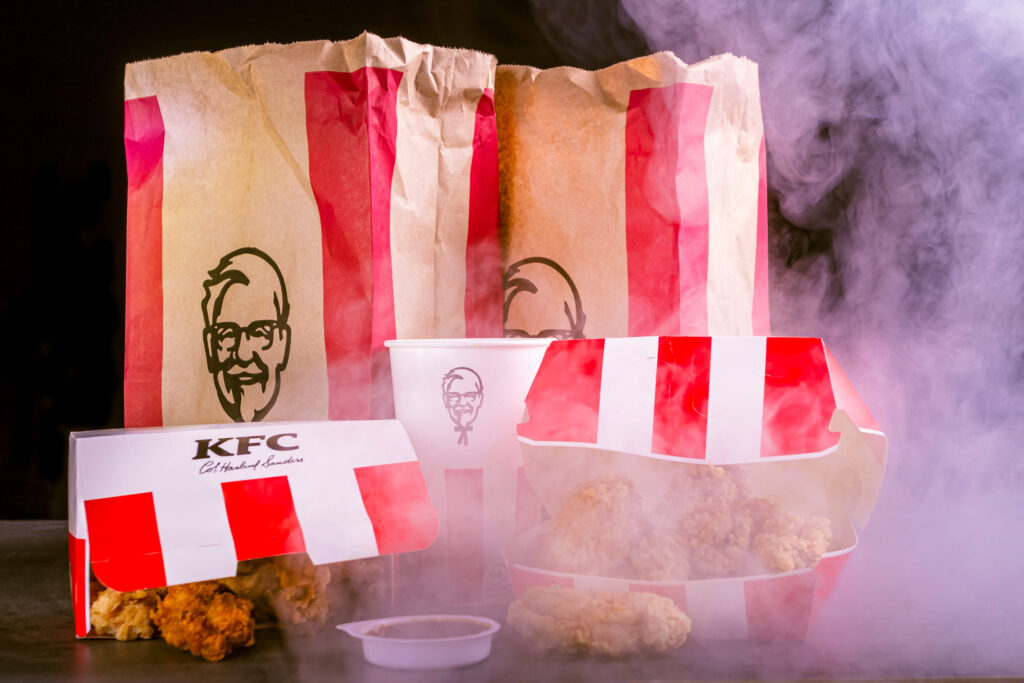
Fast food can become a colon-health problem because it often bundles multiple risk factors into one meal. A burger with bacon, refined white bread, fries, sugary soda, and a low-fiber dessert hits the body with red meat, processed meat, refined grains, excess calories, salt, saturated fat, and very little protective fiber.
The World Cancer Research Fund recommends eating a diet rich in whole grains, vegetables, fruit, and beans, limiting fast foods, limiting red and processed meat, and limiting alcohol for cancer prevention. That advice points directly at the modern convenience meal. The issue is not one drive-through stop. The issue is repetition.
Better choices are possible even on busy days. Choose grilled chicken instead of bacon burgers, skip processed meat toppings, choose water instead of soda, add salad or fruit when available, and avoid supersized portions. At home, batch-cooked beans, rice, roasted vegetables, and chicken can make the healthier option faster than delivery.
What We Should Eat More Often for Colon Cancer Prevention
The strongest diet pattern for colorectal health is not built around fear. It is built around fiber, plant foods, lean proteins, whole grains, and consistency. We should eat more beans, lentils, chickpeas, peas, oats, barley, brown rice, quinoa, berries, apples, leafy greens, broccoli, carrots, tomatoes, nuts, seeds, fish, poultry, and fermented dairy when tolerated.
The American Cancer Society recommends choosing poultry, fish, or plant-based proteins instead of red meat most of the time. The CDC also emphasizes screening because colorectal cancer almost always develops from precancerous polyps, and screening can find polyps so they can be removed before they turn into cancer.
Food helps reduce risk, but food does not replace screening. Adults at average risk should begin screening at 45, and people with a family history, inflammatory bowel disease, colorectal polyps, or genetic syndromes may need earlier testing.