The Instant Pot has revolutionized modern cooking, making everything from soups and stews to beans and braises fast, convenient, and surprisingly flavorful. Yet, despite its versatility, there are certain foods that simply do not belong under pressure. Cooking them in an Instant Pot can ruin textures, flavors, or even create safety hazards. Understanding what not to cook ensures your culinary adventures remain stress-free and delicious.
Popcorn: The Pressure Cooker Trap

While numerous online tutorials claim success, popcorn and Instant Pots rarely mix. Most kernels remain unpopped, and the few that do often become soggy due to trapped steam.
Better option: Use a stovetop pot, microwave, or air fryer for consistent, crispy popcorn every time.
Fried Foods: Explosions Waiting to Happen
Deep-frying anything inside an Instant Pot is dangerous. The combination of high oil and pressure is a recipe for melted gaskets or even blowouts.
Safer alternative: Stick to a skillet, air fryer, or dedicated deep fryer to enjoy crispy fried foods safely.
Steaks: Texture Ruined
Technically, beef can be cooked in an Instant Pot, but the result is far from restaurant-quality. Pressure cooking does not allow for searing, which is key for crust formation and flavor development.
Tip: Use a skillet or oven to achieve a tender, juicy steak with the proper sear.
Dairy Products: Curds Instead of Cream
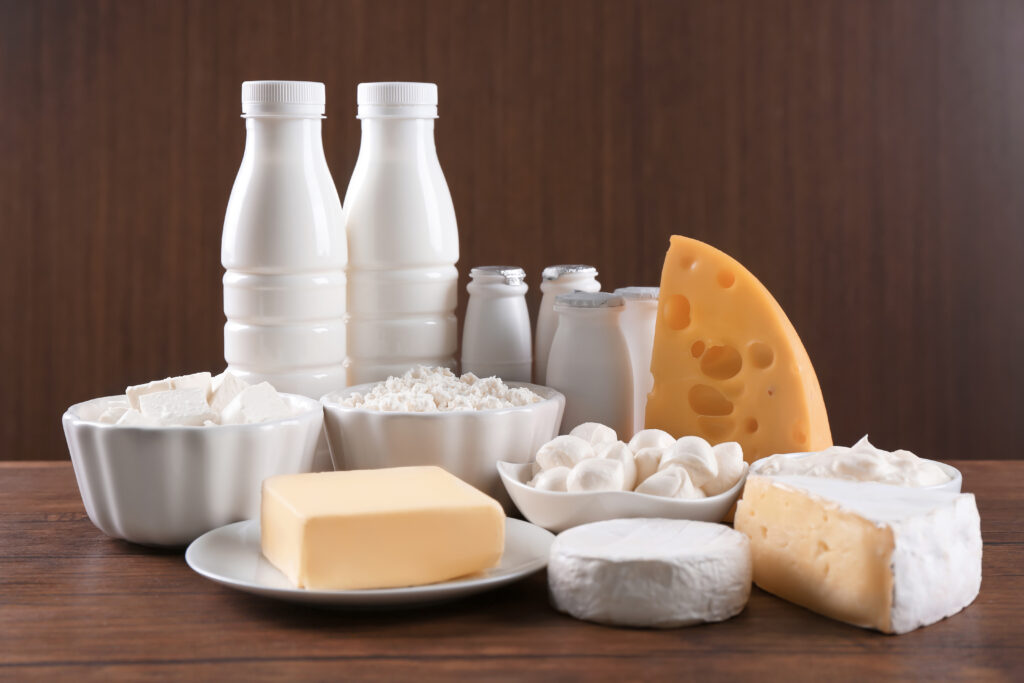
Milk, cheese, and cream often curdle under pressure. The high temperature breaks down emulsions, leaving sauces grainy or off-putting in texture.
Better method: Add dairy ingredients after the cooking cycle to preserve creaminess and flavor.
Delicate Seafood: Rubber and Fishy Odors
Shrimp, squid, and other shellfish cook extremely fast and are sensitive to heat. Pressure cooking transforms them into rubbery, overcooked disappointments and leaves lingering odors in the pot.
Pro tip: Reserve delicate seafood for stovetop, oven, or pan-searing methods.
Pasta: From Al Dente to Mush
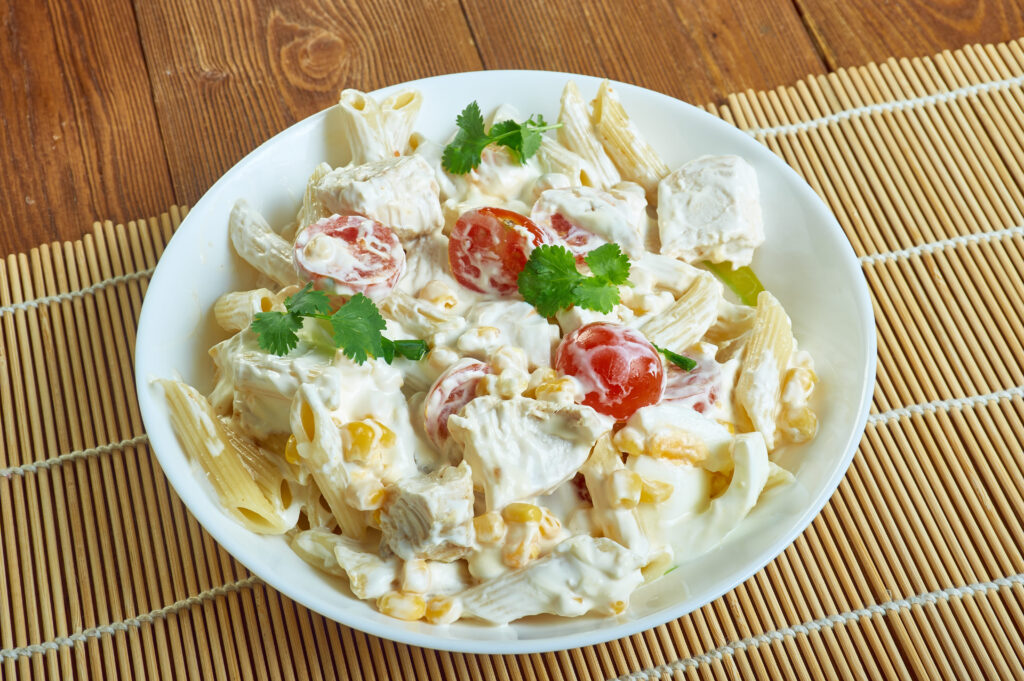
Dropping noodles directly into the Instant Pot often leads to mushy, overcooked pasta. Pressure builds gradually, unevenly cooking the pasta and ruining its texture.
Alternative: Cook the pasta separately in boiling water, or wait until after pressure-cooking the sauces to combine for optimal results.
Tender Vegetables: Steam Disaster
Broccoli, zucchini, and other soft vegetables disintegrate under pressure. One minute too long, and they lose both color and structure.
Tip: Steam delicate vegetables separately or add them during the final minutes of cooking using the pot’s sauté function.
Pork Loin: Risk of Dry Meat
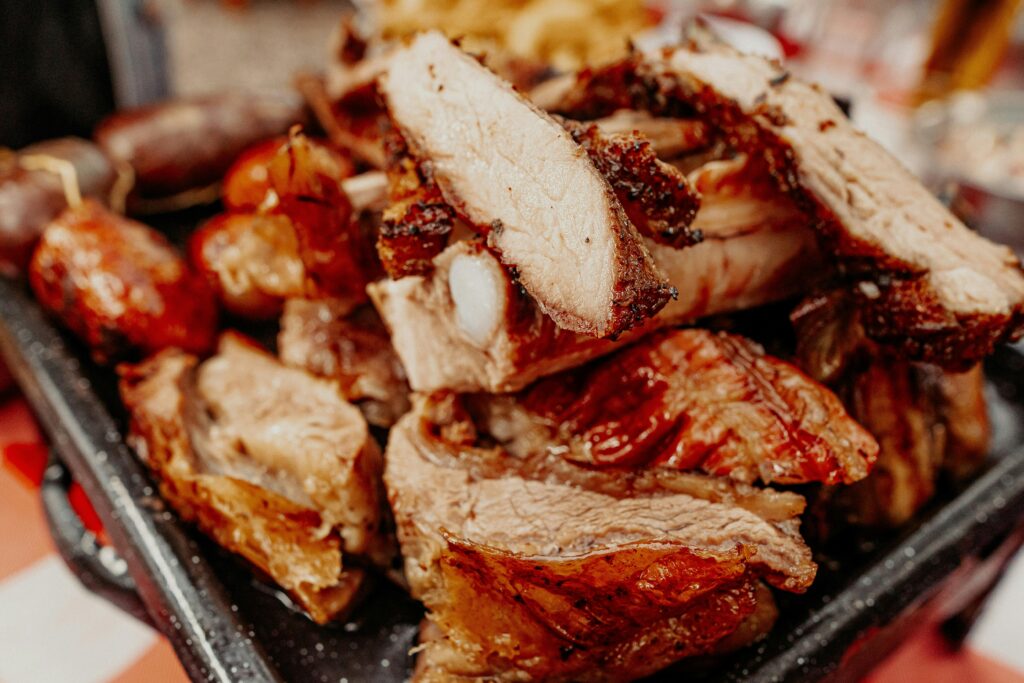
Lean cuts of pork, such as loin, are prone to drying out under pressure. Quick releases can cause the meat to seize,resulting in tough, flavorless dishes.
Workaround: Use cuts with more fat, cook low and slow, or finish in the oven to retain moisture.
Red and Yellow Lentils: Instant Mash
Unlike brown or green lentils, red and yellow varieties cook extremely fast and are delicate. Pressure cooking them leads to overcooked, mushy lentils unsuitable for salads or structured dishes.
Tip: Use these lentils in soups or purees rather than in dishes that require intact legumes.
Cookies: Soft, Soggy Discs
Cookies need dry, circulating heat to achieve crispness and structure. The Instant Pot’s steam environment creates flat, soft, and pale results.
Solution: Bake cookies in a conventional oven for the classic golden, chewy texture.
Eggs in Shell: Pressure Explosions
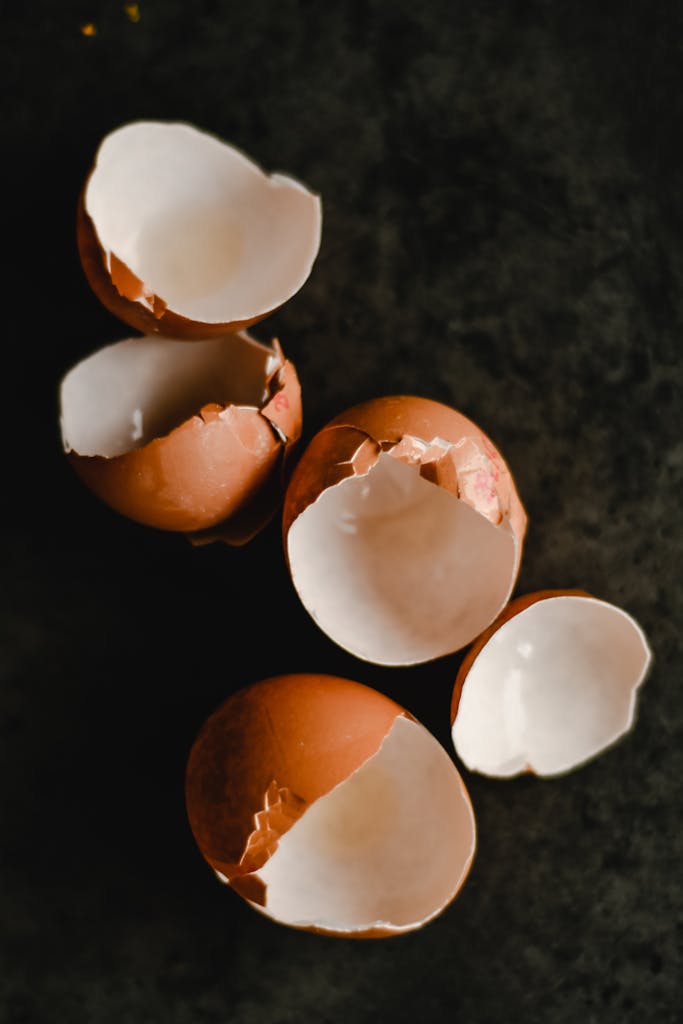
Cooking eggs in their shells can cause explosions, make a mess, and potentially damage your Instant Pot.
Better approach: Use the pot’s egg function with careful timing or cook eggs separately in a steamer basket.
Thin Sauces: Separation Issues
Thin, delicate sauces can break under pressure, separating fats and liquids and producing an unappetizing result.
Tip: Reduce or finish sauces on the stovetop to preserve consistency and depth of flavor.