We all know drugs can interact with other drugs, but fewer people realize that what you eat can dramatically affect how your prescriptions work. Foods and drinks aren’t neutral bystanders in your body; they’re chemical players that can amplify, reduce, or even block your medications. When the wrong foods meet certain prescriptions, your treatment’s effectiveness and your safety can hang in the balance.
Even the most mundane meals can trigger surprising consequences. Imagine a routine breakfast inadvertently undermining your blood pressure medication, or a refreshing juice altering your cholesterol prescription. Understanding which foods and drinks carry hidden risks is essential. These interactions aren’t rare quirks; they happen every day, quietly sabotaging treatment and putting your health at risk. Here’s a deeper look at some of the most common and surprising food-drug conflicts you need to know.
Grapefruit and Grapefruit Juice
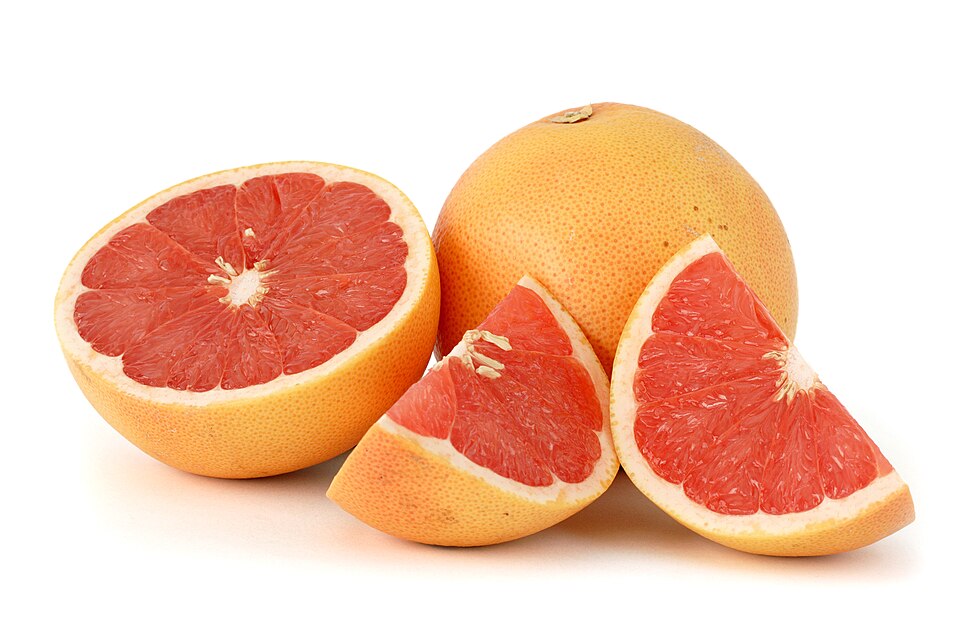
Grapefruit has earned a legendary reputation in food-drug interactions for a reason. Compounds in the fruit, particularly furanocoumarins, can block enzymes in your gut and liver responsible for metabolizing many medications. This includes common prescriptions such as statins for cholesterol, calcium-channel blockers for high blood pressure, certain anti-anxiety medications, and immunosuppressants. When these enzymes are inhibited, drugs can accumulate to dangerous levels, potentially causing side effects ranging from mild nausea to severe heart rhythm disturbances.
The impact is significant because it doesn’t matter whether you drink grapefruit juice, eat fresh grapefruit, or even consume dried forms in baked goods; all can trigger the same enzyme-blocking effect. A statin taken with a glass of juice might stay in your bloodstream longer than intended, increasing the risk of muscle damage or liver problems. If a prescription warns against grapefruit, treat it as a non-negotiable rule. Even if it seems harmless, this fruit can transform a standard dose into a health hazard.
Dairy and Antibiotics
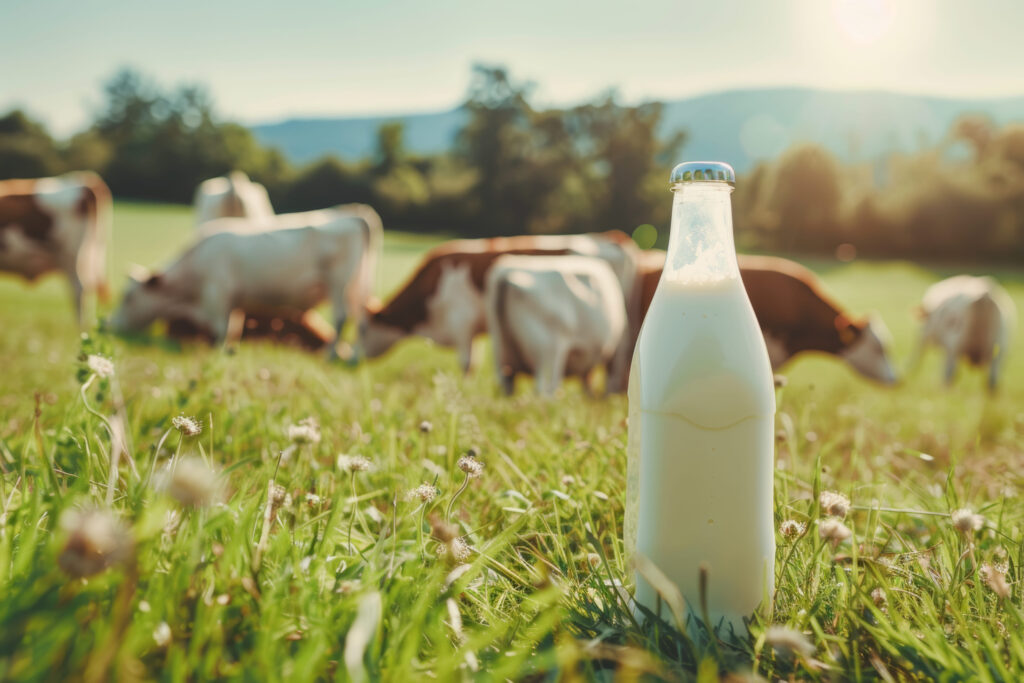
Milk, cheese, yogurt, and other calcium-rich foods are staples of a balanced diet. Yet, for certain antibiotics, especially tetracyclines and fluoroquinolones, calcium can be a silent saboteur. Calcium binds to the antibiotics in your stomach, forming an insoluble compound that your body cannot absorb. This means that a medication intended to fight a stubborn infection may never reach therapeutic levels, leaving bacteria free to multiply.
Spacing is crucial. Experts recommend separating antibiotics and calcium-rich foods by at least two hours. For example, if you take your morning antibiotic at 8 a.m., wait until 10 a.m. before enjoying a latte or a bowl of cereal with milk. This timing ensures the medicine enters your bloodstream efficiently while still allowing you to enjoy your dairy favorites without worry.
Leafy Greens and Blood Thinners
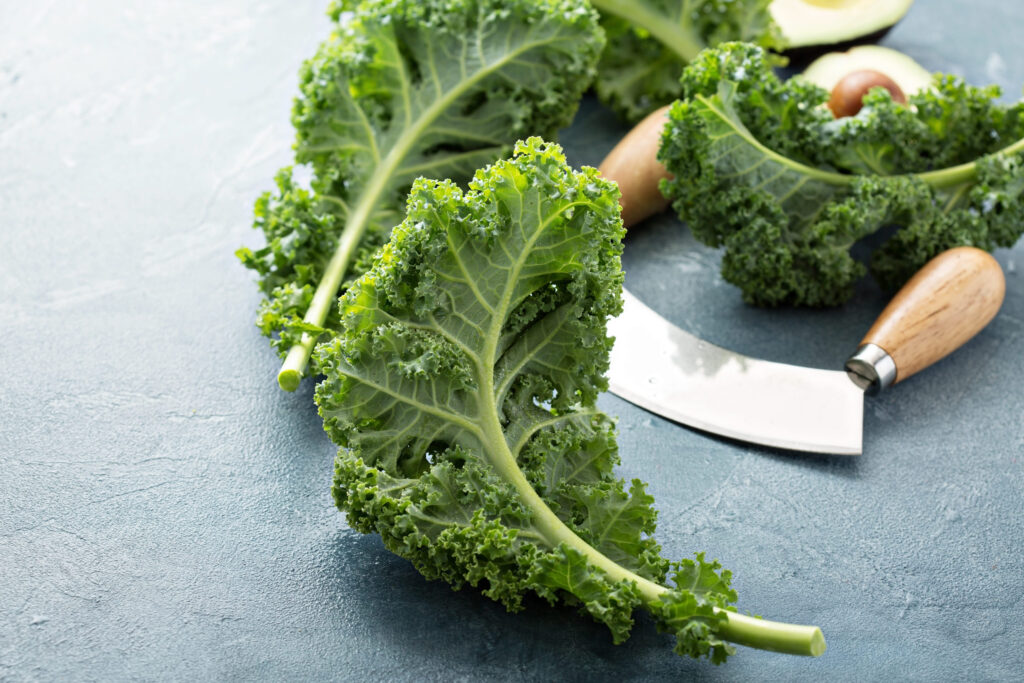
Blood thinners like warfarin rely on a delicate balance to prevent dangerous clots without causing excessive bleeding. Enter leafy greens, kale, spinach, collard greens, and broccoli, packed with vitamin K, a nutrient that directly influences clotting. Sudden changes in vitamin K intake can destabilize this balance, diminishing the effectiveness of your medication or intensifying bleeding risks.
The key isn’t elimination; it’s consistency. If your diet includes kale smoothies daily, your dosage can be adjusted to accommodate that intake. The problem arises when you eat a spinach salad once in a blue moon, throwing your blood’s clotting control off. Communicate your dietary patterns with your healthcare provider to maintain a safe, predictable treatment plan.
Alcohol: More Than Just a Drink

Alcohol may relax your mind, but it also alters drug metabolism and intensifies side effects. Even moderate drinking can interact with medications, ranging from over-the-counter painkillers to prescription sedatives. Alcohol can heighten drowsiness with antihistamines or antidepressants, increase bleeding risk when combined with NSAIDs like ibuprofen, and strain the liver when paired with acetaminophen.
Its unpredictability is why alcohol often sneaks under the radar in patient histories. Even social or occasional consumption can interfere with prescription schedules. If you enjoy a glass of wine or a weekend beer, discuss it with your doctor or pharmacist, knowing the timing and amount that’s safe can prevent dangerous interactions and ensure your medication works as intended.
Caffeine and Stimulant Conflicts

Coffee, tea, energy drinks, and chocolate are daily comforts, but caffeine can interact with certain medications, particularly bronchodilators, stimulants, and some antidepressants. Caffeine may exaggerate side effects such as jitteriness, rapid heartbeat, or anxiety, making it hard to distinguish between your body’s reaction to the drug versus the drink.
This doesn’t mean you need to quit your morning coffee, but awareness is key. Space your caffeine intake away from sensitive medications or consider decaffeinated alternatives during treatment periods. These small adjustments can preserve your energy without compromising your prescription’s safety.
High-Potassium Foods and Heart Medications
Some blood pressure medications, including ACE inhibitors and potassium-sparing diuretics, increase blood potassium levels. Eating potassium-rich foods such as bananas, avocados, and sweet potatoes while on these medications can push potassium too high, risking irregular heartbeats, muscle weakness, or even cardiac arrest.
The solution is moderation and monitoring. Regular lab tests can track potassium levels, and diet adjustments can ensure your medication works safely. Awareness is more important than avoidance. Potassium is vital for overall health, but timing and dosage matter when combined with certain medications.
Processed Foods and Blood Pressure Pills
Sodium-laden processed foods such as canned soups, frozen dinners, and salty snacks can interfere with medications used to lower blood pressure. Excess sodium can counteract the effects of diuretics, ACE inhibitors, and beta-blockers, leaving blood pressure elevated despite strict adherence to medication schedules.
Even moderate deviations in sodium intake can make noticeable differences in blood pressure readings. The simple fix is consistent moderation: choosing fresh, minimally processed foods helps your medication achieve its intended effect while supporting heart health.
Conclusion
The overarching lesson is clear: food-drug interactions aren’t about deprivation; they’re about strategy. Timing, consistency, and communication with healthcare providers allow you to maintain your diet and ensure your medications function optimally.
A few practical steps make a big difference. Take medications as prescribed, avoid known risky foods during sensitive windows, and track any dietary changes that could interfere with treatment. Your meals can complement your prescriptions, turning everyday eating into a partner in your health rather than a silent adversary.
Even seemingly harmless foods can influence your medications, sometimes with surprising intensity. The combination of awareness, timing, and professional guidance ensures that your prescriptions work for you not against you.