Your kitchen should be the heart of your home, yet many kitchens feel sterile, cluttered, or downright uninviting. We spend hours here daily, cooking, chatting, and sipping morning coffee, but the wrong layout, décor choices, or storage methods can make this central space feel cold instead of cozy. Avoiding these common pitfalls can transform your kitchen into a warm, functional haven without crowding it with unnecessary items.
These six errors are surprisingly easy to fix, and small adjustments can dramatically enhance both comfort and style. From shelving choices to lighting, every detail counts. Here’s how to stop letting your kitchen feel inhospitable and start creating a space that draws people in.
Overstuffed Cabinets and Countertops
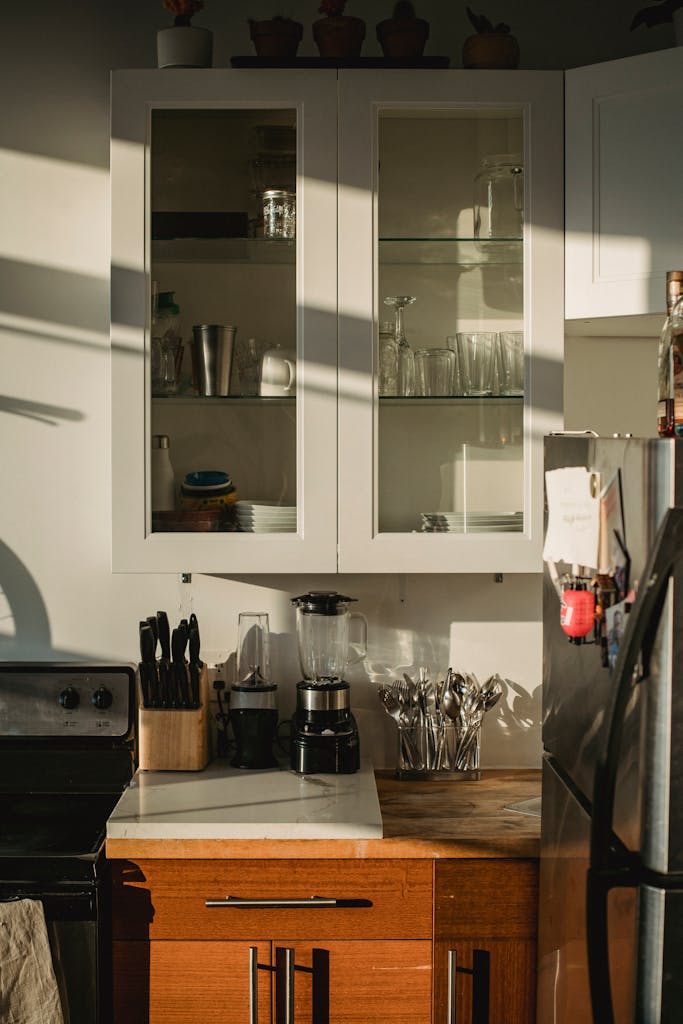
Crowding your kitchen with too many items gives an immediate sense of chaos. When countertops are piled with gadgets, cookbooks, or miscellaneous décor, the space loses warmth and becomes stressful rather than inviting. Minimalism here isn’t just aesthetic; it’s functional. Clearing the clutter and reserving surfaces for essential items instantly opens up the room.
Open shelving or hidden storage helps keep everyday items accessible without making the kitchen feel cramped. Prioritize what you truly use daily and store the rest elsewhere. An uncluttered countertop communicates calm, making cooking and entertaining more enjoyable for everyone in the space.
Poor Lighting Choices
Harsh, cold lighting can make even the most stylish kitchen feel unwelcoming. Fluorescent fixtures or overhead lights without a layering strip can strip warmth from the space, leaving it sterile and uninviting. Instead, incorporate a combination of ambient, task, and accent lighting. Under-cabinet lights, pendant lamps over islands, and warm bulbs provide both functionality and a cozier atmosphere.
Lighting isn’t just about seeing; it’s about mood. Dimmer switches allow you to adjust brightness for different times of day, creating an environment that feels relaxed in the morning and intimate during evening meals. Neglecting lighting design is a common mistake that can turn a potentially charming kitchen into a cold, unappealing room.
Ignoring Texture and Material Balance
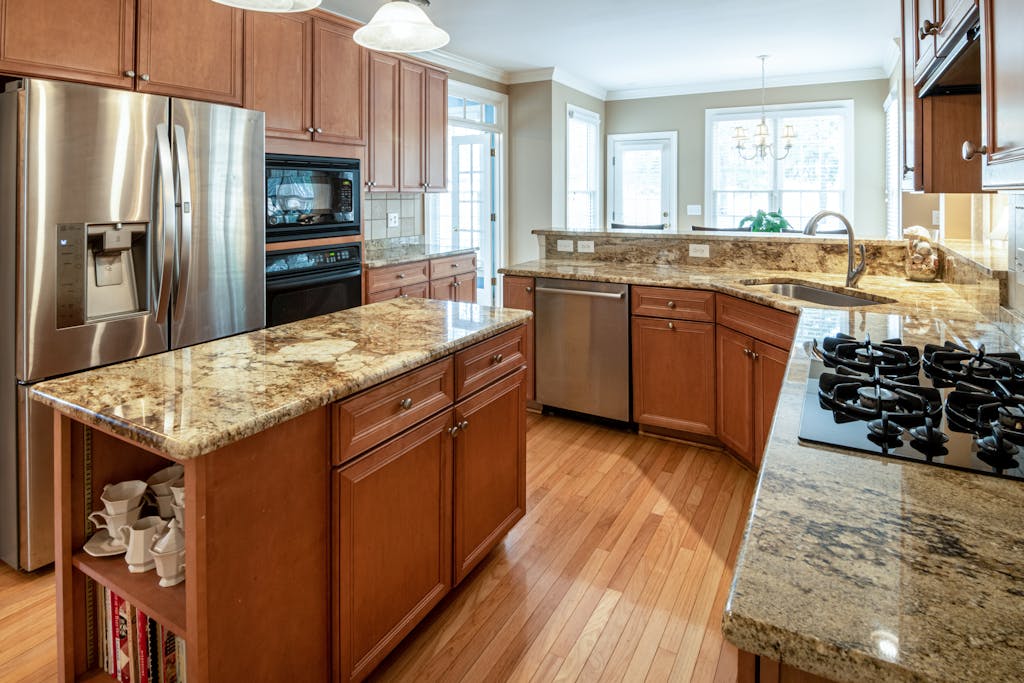
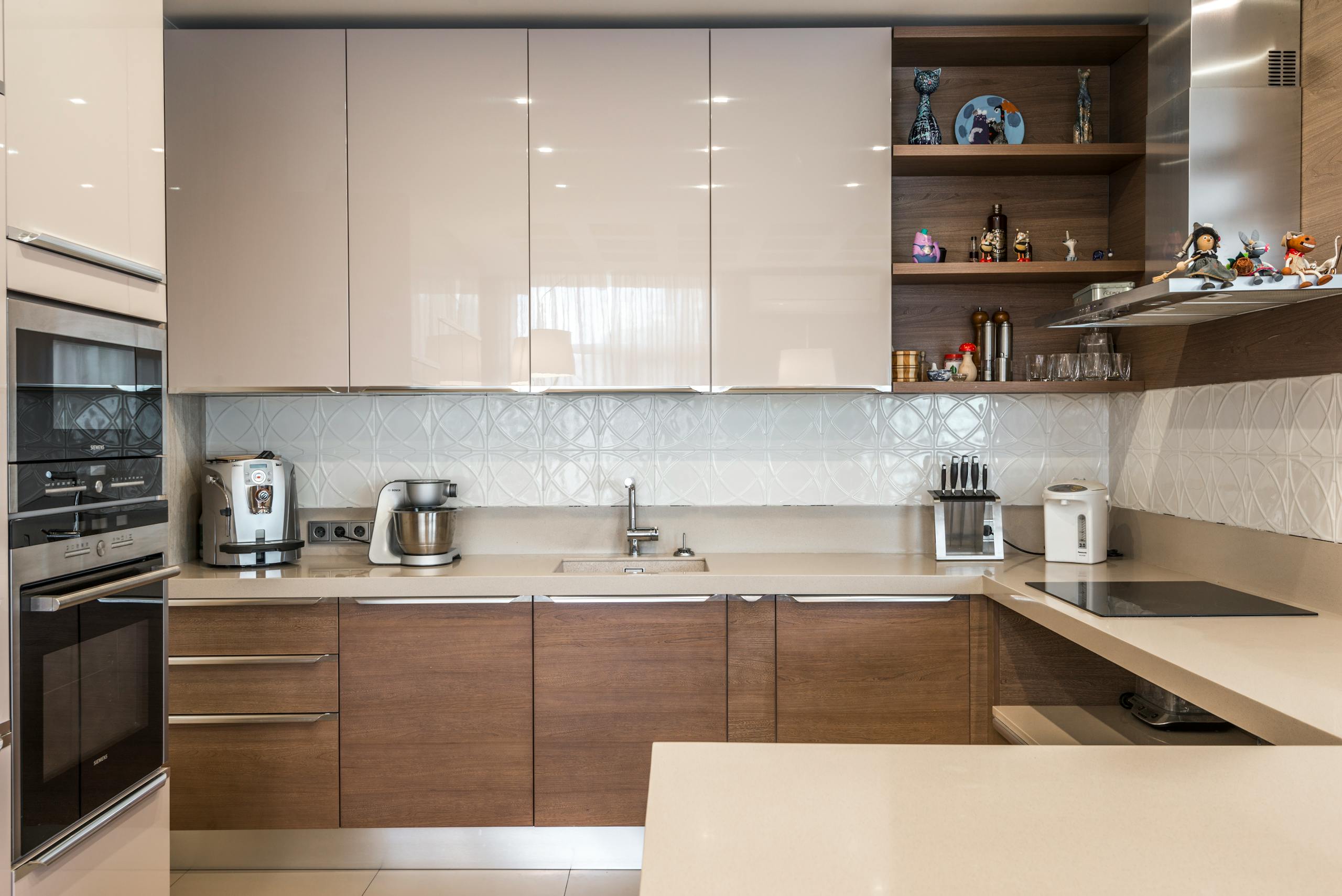
Kitchens that rely entirely on sleek surfaces like stainless steel and glass often lack warmth. Smooth, shiny finishes can look professional but impersonal. Adding texture through wooden cutting boards, woven baskets, soft textiles, or ceramic dishware injects character and comfort. These tactile elements make the space feel curated instead of clinical.
Mixing materials thoughtfully avoids sensory overload while creating layers that draw the eye. Soft textiles like linen towels or cushioned stools contrast with harder surfaces, enhancing coziness. Overlooking these details makes the kitchen feel flat and lifeless, which is an easy trap for many homeowners focused solely on modernity.
Neglecting Color and Personal Touches
White or neutral walls can brighten a kitchen, but also make it feel cold if overused. Without pops of color or personal elements, the room risks becoming dull and uninspiring. Incorporate subtle accents with rugs, dishware, or small décor items to add personality without clutter. Even a simple bowl of fresh fruit can make a striking difference.
Personal touches like framed artwork, plants, or a small herb garden enhance the space’s liveliness. Ignoring these elements can leave your kitchen functional but soulless, failing to convey warmth or invite people to linger. Thoughtful color choices create a psychological sense of comfort and belonging.
Overcomplicating Storage Systems

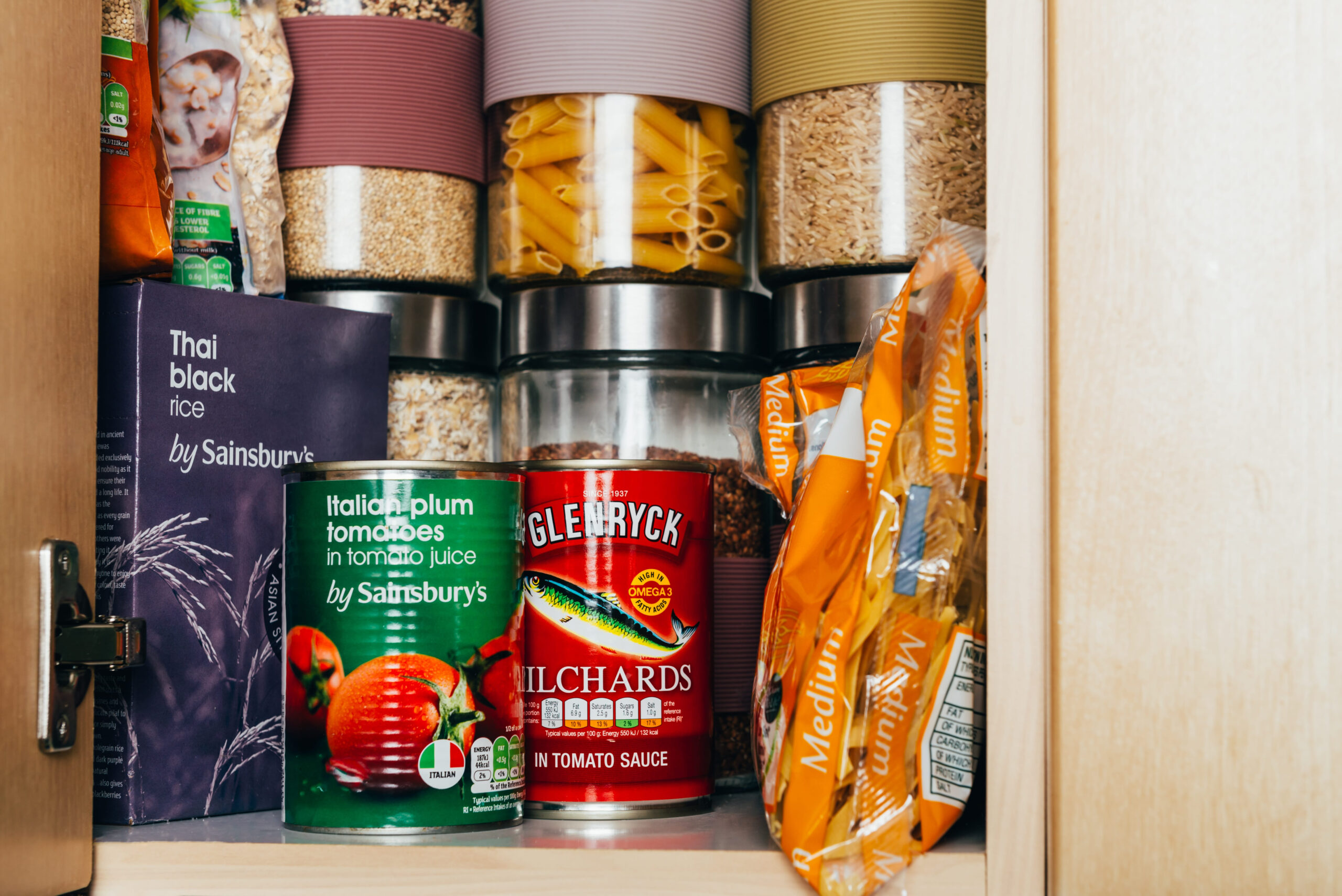
Many kitchens attempt to maximize storage with complicated racks, caddies, and bins, but over-engineering storage can create visual chaos. Hidden messes and mismatched containers make the space feel cramped and cluttered. Simplified, consistent storage systems keep essentials organized while maintaining a sense of openness.
Labeling, grouping similar items, and choosing containers that match in material or color can make storage both practical and pleasing to the eye. The goal is accessibility without distraction. Kitchens that fail in this area often feel overwhelming and uninviting despite ample storage space.
Forgetting the Importance of Seating and Flow
A kitchen might look stylish but feel unwelcoming if it doesn’t accommodate people comfortably. Ignoring the arrangement of seating, walking paths, and work zones disrupts flow and interaction. Without thoughtful placement of stools, chairs, or small tables, the space can feel restrictive or cold, discouraging lingering or casual conversation.
Designing for natural movement encourages sociability and comfort. Even small adjustments, like repositioning an island or adding a cozy corner, can transform the kitchen into a room where people naturally gather. Skipping this step can make the kitchen functional but emotionally distant.
Conclusion
Creating a cozy kitchen isn’t about cramming in decorative items or adding trendy gadgets. The mistakes above, from poor lighting to cluttered surfaces, make a space feel uninviting and cold. By simplifying countertops, balancing textures, choosing warm lighting, adding personal touches, streamlining storage, and improving seating flow, your kitchen can become a welcoming heart of the home. Every detail counts, and small changes yield big results.