A daily walk sounds simple. You put on shoes, step outside, and move your body. But the way you walk can make a big difference, especially as you get older. A walk can help your heart, mood, bones, weight, sleep, and balance.
It can also hurt your body if you push too hard, wear bad shoes, ignore pain, or walk in unsafe places. Walking is one of the easiest forms of exercise because most people can start small.
Walking Too Slowly May Limit the Benefits
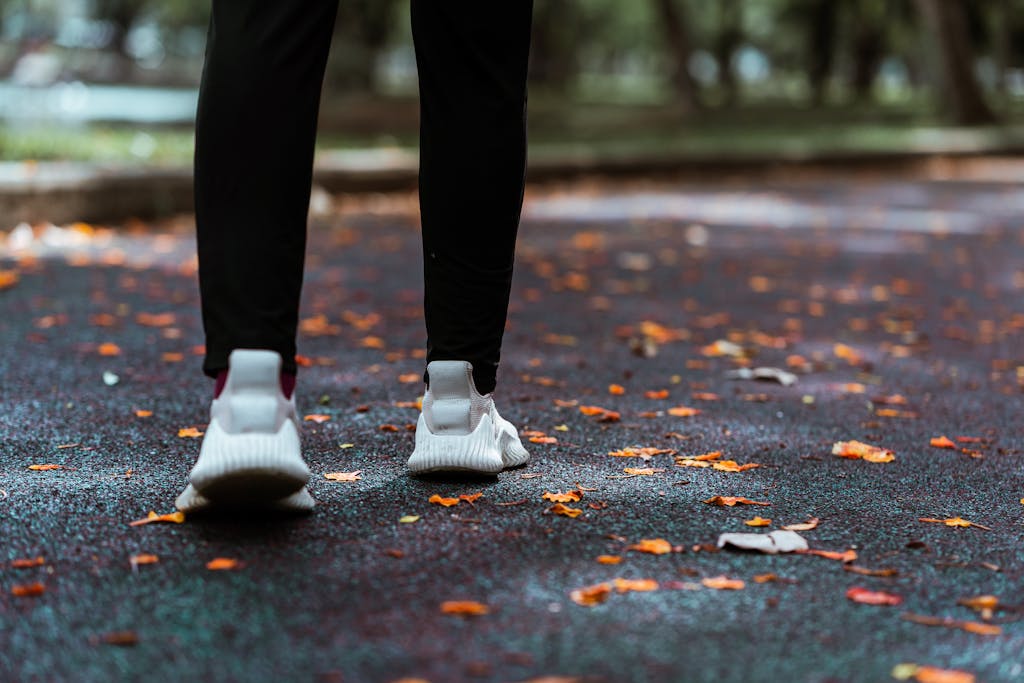
A slow walk is still better than sitting all day. It gets your legs moving, loosens your joints, and gives your mind a break. But if your walk is always very slow and short, your heart may not get enough of a challenge.
That means you may miss some of the stronger health benefits of brisk walking. A good walking pace should make you breathe a little faster, but you should still be able to talk. You do not need to race down the street.
Just try to move with purpose. A small change, like walking a little faster for five minutes, can turn a casual stroll into a stronger health habit.
Walking After Meals Can Help Your Body
A short walk after eating can be a quiet gift to your body. It can help you feel less heavy and may support better blood sugar control. This can matter more for adults who sit for long hours, eat late dinners, or worry about weight and energy.
You do not need a hard workout after a meal. A simple 10-minute walk around the block can be enough to feel better. The goal is gentle movement, not punishment.
Instead of sitting on the couch right after dinner, walk slowly with your spouse, call a friend, or take the dog outside. Small habits often work because they are easy to repeat.
Bad Shoes Can Turn a Healthy Walk Into Pain
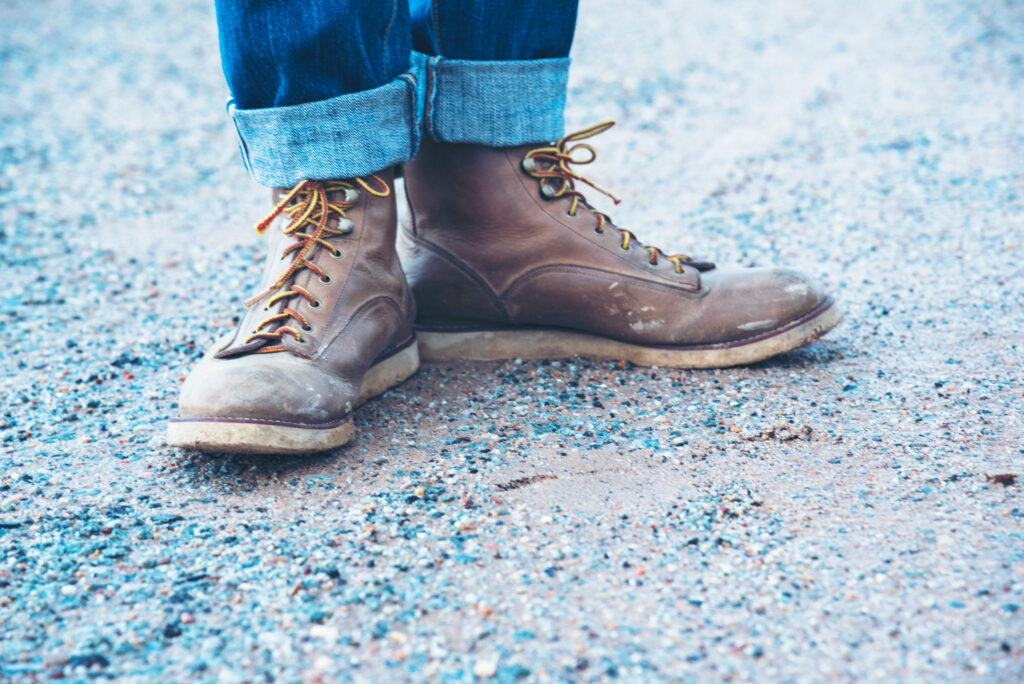
Your shoes matter more than many people think. Old, flat, tight, or slippery shoes can make your feet, knees, hips, and back hurt. When your feet are unsupported, the rest of your body may feel the effects. That can make walking feel harder than it should.
Good walking shoes should feel comfortable, steady, and safe. They should not pinch your toes or slide at the heel. If your shoes are worn down on one side, it may be time to replace them. A daily walk should help your body feel stronger, not leave you limping home.
Walking Every Day Can Protect Your Heart
Your heart loves steady movement. Walking can support better blood pressure, circulation, weight control, and heart health. The American Heart Association describes walking as a useful first step for people who want to become more active, and it links regular physical activity with a lower risk of heart disease and diabetes.
This does not mean one walk fixes everything. It means repeated walking can build a healthier body over time. Adults aged 30 to 65 often juggle work, family, stress, bills, and long hours spent sitting. A daily walk gives the heart a chance to work in a simple, steady way.
Ignoring Pain Can Make Things Worse
Some soreness can happen when you start moving more. But sharp pain, chest pain, dizziness, swelling, or pain that keeps getting worse should not be ignored. Your body uses pain as a warning light. If you keep pushing through the wrong kind of pain, a small issue can grow into a bigger one.
A smart walker listens to the body. Slow down when needed. Rest when needed. Change your shoes, shorten the route, or choose a flatter path. If pain feels serious or unusual, talk to a health professional before continuing. Walking should build confidence, not fear.
Walking With Poor Posture Can Strain Your Body
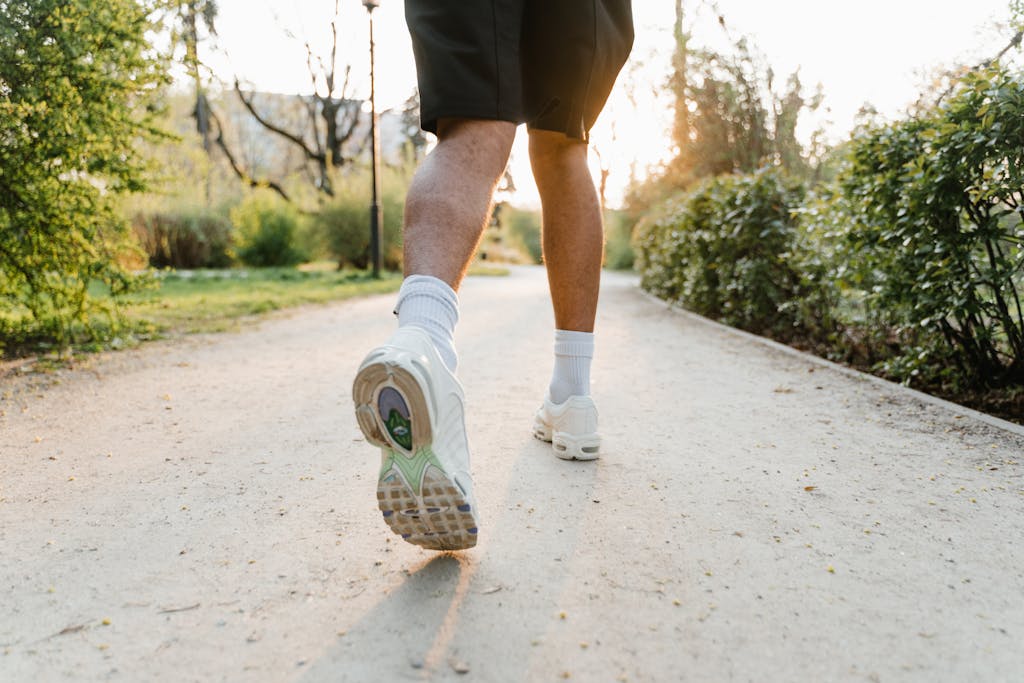
Many people walk with their head down, shoulders tight, and phone in hand. That posture can strain the neck, back, and shoulders. It can also make you less aware of cars, uneven sidewalks, dogs, bikes, or people around you.
A healthy walk needs both movement and attention. Try to keep your head up, shoulders relaxed, and arms moving naturally. Look ahead, not always at the ground. Keep your steps smooth and steady.
Good posture can make your walk feel easier and safer. It also helps you breathe better, making the whole walk feel more refreshing.
Walking Alone in Unsafe Places Can Put You at Risk
Walking is good for your body, but safety still matters. Poor lighting, broken sidewalks, heavy traffic, loose dogs, and isolated paths can turn a good habit into a risky one.
This is especially important for older adults, people walking early in the morning, and anyone walking after dark. Choose safe routes when possible.
Tell someone where you are going if you walk alone. Wear bright clothing, carry your phone, and stay alert. The National Institute on Aging shares safety guidance for older adults who exercise outdoors, including planning and paying attention to weather and surroundings.
Walking More Steps Can Add Up Over Time

You do not need to worship the 10,000-step number. Still, steps do matter because they show how much you move in a day. A JAMA Network Open study found that middle-aged adults who took at least 7,000 steps a day had a lower risk of early death compared with those who took fewer steps.
Another study found lower mortality risk among adults who reached 8,000 steps on some days each week. The lesson is simple. More movement during the day can help. Park farther from the store.
Walk during phone calls. Take the stairs when your body allows it. Walk around the house during TV breaks. These tiny choices may not feel dramatic, but they can quietly change your health.
Key Takeaway
Your daily walk can do more than burn calories. It can help your heart, mood, balance, energy, and long-term health. But the benefits depend on how you walk, where you walk, and how well you listen to your body.
Walk with purpose. Wear good shoes. Use safe routes. Add small bursts of speed when you can. Do not ignore pain. A daily walk may look simple, but done well, it can become one of the most powerful health habits in your life.
Question
What is one small change you can make to your next walk to help your body more?