Power can fall in a single night, but the blood it leaves behind can stain a country for generations. These coups were not just political shocks; they became national wounds that changed governments, borders, families, and memory.
Here are the brutal power grabs that still echo through history.
The Cambodian Coup of 1997
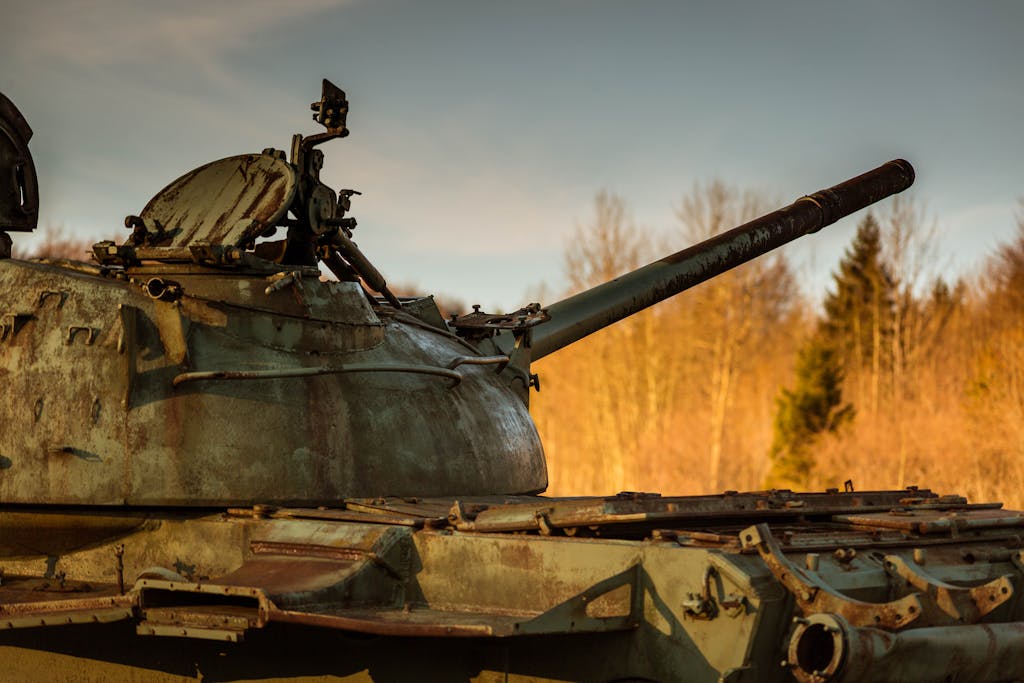
Cambodia’s 1997 coup erupted when Hun Sen’s forces moved against coalition rivals in Phnom Penh. What looked like a political dispute quickly became a violent struggle for full control. The fragile power-sharing arrangement collapsed almost overnight.
The fighting spread through key areas, including the airport and major city routes. Reports described looting, executions, torture, and thousands of people fleeing toward neighboring countries. The capital became a warning sign of how quickly coalition politics can turn into street-level fear.
The coup strengthened Hun Sen’s grip on Cambodia. It also showed that peace after civil conflict can remain dangerously thin. Once guns settle a political argument, democracy often struggles to recover.
The Beer Hall Putsch of 1923
The Beer Hall Putsch began as Adolf Hitler’s failed attempt to seize power in Munich. He and his supporters tried to force the Bavarian leaders to back a march on Berlin. The plan collapsed within a day, but its consequences lasted far longer than the gunfire.
Sixteen Nazi supporters died during the failed uprising. Hitler was arrested and imprisoned, yet the failure gave him a stage for national attention. Prison turned into a propaganda opportunity, not the end of his political ambition.
This failed coup became a rehearsal for darker events ahead. It proved that even a defeated extremist movement can learn, reorganize, and return with more dangerous discipline. History did not stop at the failed march.
The Iraqi Coup of 1958
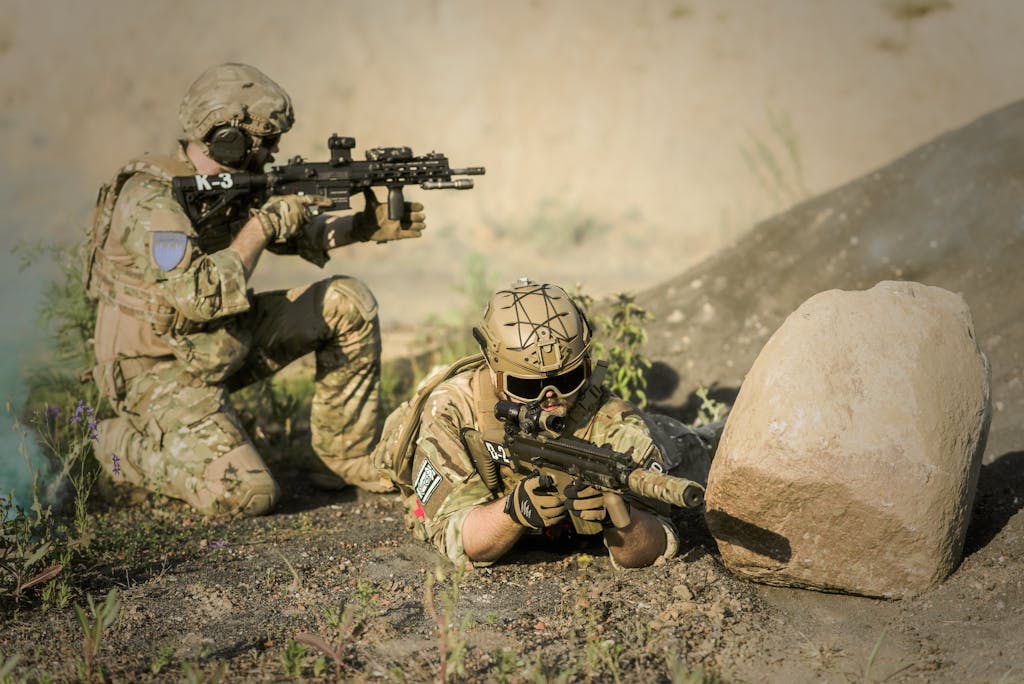
Iraq’s 1958 coup ended the Hashemite monarchy in shocking fashion. King Faisal II and several royal family members were killed during the uprising. The monarchy that had ruled for 37 years vanished in a single violent turn.
The coup was led by nationalist officers who rejected the old order. Public anger over inequality, foreign influence, and political frustration helped fuel the rebellion. What followed was not stability, but a fierce contest for Iraq’s future.
The July 14 Revolution opened the door to years of factional struggle. Competing forces fought for control until the Ba’ath Party rose to dominance. The coup did not simply remove a king; it pushed Iraq into a harsher political age.
The Iranian Coup of 1953
Iran’s 1953 coup removed Prime Minister Mohammad Mosaddegh after a bitter fight over oil and power. Mosaddegh had nationalized Iran’s oil industry, alarming British interests and drawing foreign involvement. The crisis ended with the Shah restored to power.
The coup unfolded through pressure, propaganda, street clashes, and military action. Tehran saw deadly violence as forces shifted against Mosaddegh. Hundreds were reportedly killed during the unrest and its immediate aftermath.
The consequences stretched far beyond 1953. Many historians see the coup as one of the roots of Iran’s later anger toward Western influence. It became a political scar that helped shape the road to the 1979 revolution.
The Turkish Coup of 1980
Turkey’s 1980 coup came after years of street violence, ideological clashes, and political paralysis. The military seized power on September 12 and suspended the constitution. Parliament was dissolved, parties were shut down, and martial law spread across the country.
The crackdown was massive. Hundreds of thousands were detained, many were tried, and dozens were executed. Torture claims and prison abuses became part of the coup’s grim legacy.
Military leaders argued that they were restoring order. Yet the price was paid by citizens whose rights disappeared under boots and prison gates. The coup reshaped Turkish politics for decades.
The Chilean Coup of 1973
Chile’s 1973 coup overthrew President Salvador Allende and brought General Augusto Pinochet to power. Tanks rolled, aircraft attacked the presidential palace, and the elected government fell. Allende died inside La Moneda as the military closed in.
The coup was rooted in Cold War pressure, economic crisis, and fierce opposition to Allende’s socialist reforms. Afterward, Pinochet’s junta ruled with fear. Thousands were detained, tortured, killed, or disappeared.
Chile’s coup remains one of Latin America’s most haunting political ruptures. It not only changes the presidency. It changed families, courts, memory, and the country’s sense of justice.
The Myanmar Coup of 2021

Myanmar’s military seized power on February 1, 2021, just before a newly elected parliament was set to meet. The takeover ended the country’s fragile experiment with limited civilian rule. Military leaders claimed election fraud, but international observers rejected those claims.
Protests erupted across the country as civilians demanded the return of democracy. Security forces answered with arrests, live ammunition, and harsh crackdowns. Thousands were killed or detained as resistance spread.
The coup pushed Myanmar into a deep crisis. Armed resistance grew, humanitarian suffering worsened, and the country became more unstable. The takeover showed how fast a military can drag a nation backward.
The Shanghai Coup of 1927
The Shanghai Coup of 1927 was a violent purge led by forces loyal to Chiang Kai-shek. It shattered the alliance between the Chinese Nationalists and Communists. The April 12 Incident became one of the key turning points in China’s civil conflict.
Workers, union members, and suspected Communists became targets. Armed groups and criminal networks helped carry out arrests and killings. Thousands were believed to have died in Shanghai and related purges.
The coup deepened China’s political divide. Instead of unity, it hardened the path toward decades of civil war. A purge meant to secure power instead widened the nation’s fracture.
The Nigerian Coups of 1966
Nigeria’s 1966 coups violently disrupted the young nation’s civilian government. The January coup killed major political leaders, including Prime Minister Abubakar Tafawa Balewa. Military rule entered Nigerian politics with blood on its hands.
A counter-coup followed in July. General Johnson Aguiyi-Ironsi was overthrown and killed, and ethnic tensions grew sharper. The violence deepened mistrust across regions and communities.
These coups helped set the stage for the Nigerian Civil War. Their damage went far beyond the leaders who died. They changed Nigeria’s political rhythm and made military intervention feel dangerously normal.
The Indonesian Coup Crisis of 1965

Indonesia’s 1965 crisis began when the September 30 Movement kidnapped and killed senior army officers. The situation quickly turned into a wider struggle for power. General Suharto emerged as the dominant figure after the chaos.
The aftermath was catastrophic. Suspected communists and leftist sympathizers were hunted in mass killings across the country. Death toll estimates vary widely, with many historians placing them in the hundreds of thousands.
The violence helped Suharto push aside Sukarno and establish a long period of authoritarian rule. Indonesia’s political landscape has changed over the decades. Few coups show more clearly how a failed power move can unleash a national tragedy.
Conclusion
The bloodiest coups in history prove that seizing power is rarely a clean political act. It often breaks institutions, frightens citizens, and creates wounds that outlive the leaders who caused them. A coup may last hours or days, but its shadow can stretch across generations.