Spring cleaning is more than a seasonal ritual; it’s an opportunity to refresh your space, reset your routines, and reclaim order after months of accumulated clutter. Yet many people sabotage their efforts by falling into predictable, avoidable traps. Some missteps waste time, others damage belongings, and a few actually make your home dirtier in the long run.
To make your spring cleaning smarter, faster, and more effective, we’ve identified the most costly mistakes people make — along with practical alternatives that deliver real results.
Jumping In Without a Plan

Charging into every room with cleaning spray in hand feels productive, but without a strategy, you’ll end up unfocused and exhausted. Spring cleaning without a plan is like setting off on a road trip with no destination: you put in effort but don’t achieve satisfying results.
Better: Break tasks down by room, prioritize high‑traffic and high‑impact areas (like kitchens and bathrooms), and set realistic time blocks. A simple checklist keeps you organized and motivated.
Using the Wrong Products on Surfaces
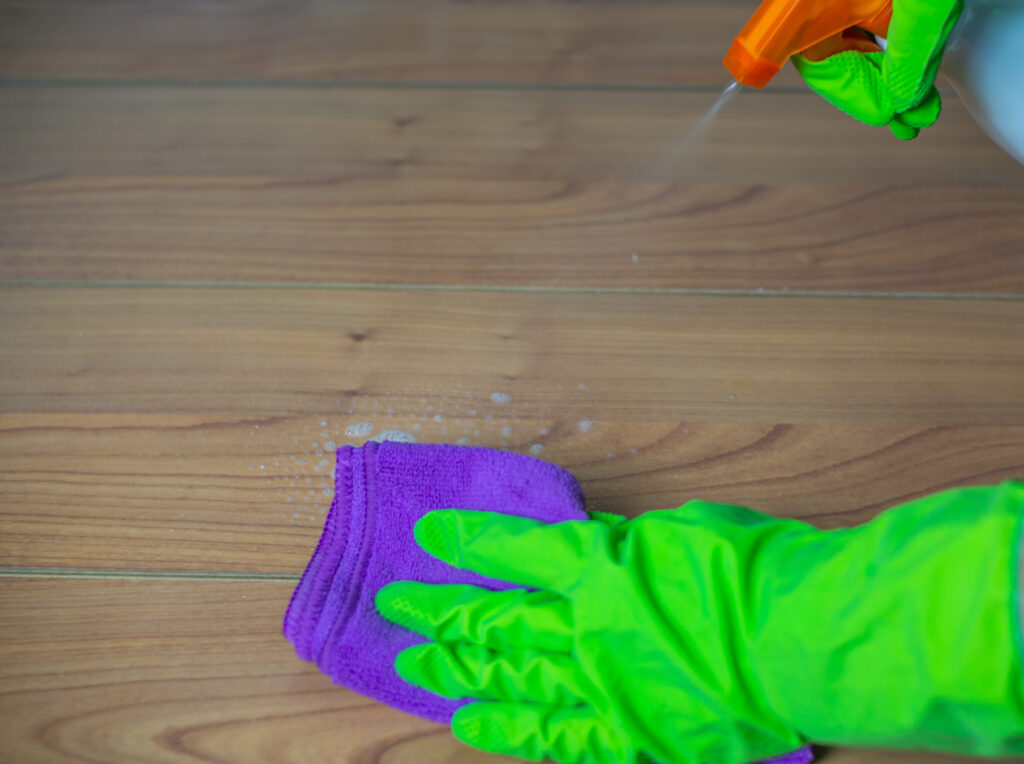
Not all cleaners are created equal. Using an abrasive powder on a delicate countertop or a high‑pH cleaner on wood can damage finishes, strip protective coatings, or even create long‑term discoloration.
Better: Match cleaner to surface:
- Wood: pH‑neutral cleaners or mild soap
- Stone: stone‑safe products
- Electronics: alcohol‑based or screen‑safe wipes only
Always test in an inconspicuous spot first.
Focusing Only on Visible Mess
Dust, smudges, and clutter are obvious, but forgotten areas, like behind appliances, inside vents, and under cabinet edges, accumulate grime that affects air quality and efficiency. Neglecting these means you never fully clean anything.
Better: Add hidden zones to your plan: light fixtures, baseboards, air vents, and under large furniture. Deep cleaning these areas elevates your entire home.
Washing Windows in Direct Sunlight

Sun‑blasted glass may look tempting to tackle first, but direct sun dries your cleaning solution before you can wipe it off, leaving streaks and smears.
Better: Clean windows on a cloudy day or during shaded hours for streak‑free clarity.
Not Decluttering Before Cleaning
Cleaning around clutter is like mowing the lawn with furniture scattered everywhere, inefficient and pointless. Stuff on floors, tables, or counters traps dust and invites more mess.
Better: Purge first, then clean. Sort items into keep, donate, sell, and discard piles before you reach for a duster.
Skipping the Seasonal Textiles
Throwing a load of laundry once spring arrives isn’t enough. Bedding, curtains, shower liners, and pillows can harbor dust mites, allergens, and odors that build up over winter.
Wash or steam-washable textiles, and rotate seasonal bedding for freshness and improved indoor air quality.
Using Dirty Tools to Clean
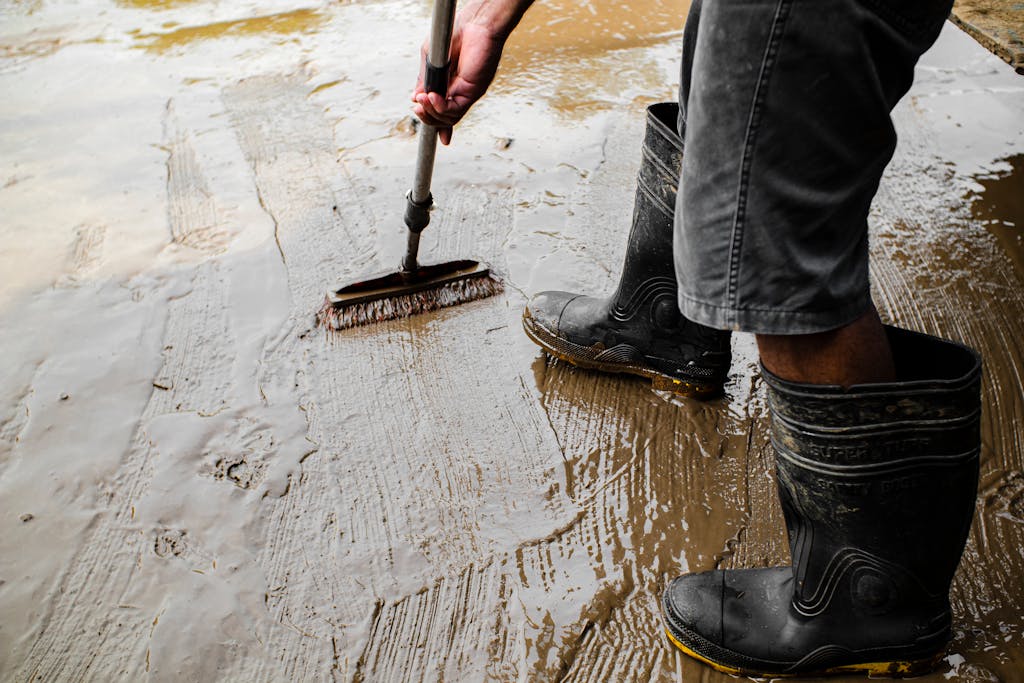
Dusting with a grimy cloth, vacuuming with a full bag, or spraying debris with a dirty mop doesn’t clean; it redistributes dirt.
Better: Wash microfiber cloths regularly, empty vacuum bags/cans, and clean mop heads before you start. Fresh tools mean more effective cleaning.
Over‑Spraying Cleaning Products

More cleaning doesn’t equal cleaner results. Over‑spraying can leave residues that attract dirt and can damage sensitive finishes like stainless steel or stone.
Better: Use concentrated sprays sparingly and wipe dry immediately with a clean cloth. Less is more.
Neglecting Air Filters and HVAC
Indoor air circulates through the same filter year‑round, collecting dust, pet dander, and allergens. Ignoring filters or vents defeats your cleaning efforts by reintroducing grime into every room.
Better: Replace filters, vacuum ducts when possible, and dust vents, especially before the cooling season. Clean air feels as fresh as clean surfaces.
Forgetting About Electronics*

Screens, remotes, keyboards, and smart devices are touched constantly but rarely cleaned. These surfaces harbor bacteria, fingerprints, and oil, and can be damaged by harsh sprays.
Better: Use screen‑safe wipes and compressed air for keyboards. Spray cloths, not electronics, and be gentle.
Discarding Things You Should Keep
During the purge, some useful items are accidentally tossed: seasonal tools, spare hardware, important documents, or warranty papers. Overzealous purging can cost you later.
Better: Before discarding, ask: Have I used this in the last 12–24 months? Will I need it in the next 12–24 months? Is it easily replaceable?
Not Creating a Maintenance Routine
Trying to deep‑clean everything once a year sets you up for recurring chaos and exhaustion. Without regular upkeep, dust and grime return, making next year’s cleaning even harder.
Better: Build small, weekly tasks into your routines, quick dusting, floor cleaning, surface wipes, so deep cleaning feels manageable, not monumental.
Ignoring the Outdoors
Spring means open windows, blooming pollen, and outdoor transitions. Many people clean inside and forget exterior messes: patios, grills, windowsills, garage corners, or outdoor furniture that’s accumulated winter debris.
Better: Include outdoor zones in your checklist. Sweep patios, wash door frames, and brush off outdoor seating for a truly refreshed home.
Not Wearing Protective Gear

Many people spray, scrub, and dust without gloves, masks, or glasses, exposing themselves to skin irritation, chemical fumes, and allergens.
Better: Use gloves, eye protection, and masks when handling chemicals, tackling dust, or entering musty spaces. Your body should survive spring cleaning intact.
Expecting Miracles in a Day
Spring cleaning isn’t a sprint; it’s a project. Trying to do everything in one marathon session leads to incomplete results and burnout.
Better: Schedule your spring cleaning in phases. Tackle one or two rooms per day, or assign weekend blitz sessions. Slow and steady wins the cleaning race.
Relying on Scent Over Cleanliness
Air fresheners and scented cleaners can make a room “smell clean” even when it isn’t. Masking odors doesn’t eliminate the underlying grime, mold, or bacteria.
Better: Address the source of odors with targeted cleaning, ventilation, and fabric laundering, not just scent.
Not Documenting What You’ve Done

Without tracking what’s been cleaned or replaced, you’ll repeat some tasks and skip others entirely year after year.
Keep a spring-cleaning checklist with dates and notes when filters were changed, when deep carpet cleaning was done, what was donated, etc. Consistency builds true home hygiene.