The human body is extraordinary. It’s also, apparently, the subject of an almost unlimited supply of nonsense.
From old wives’ tales passed down through generations to misinformation laundered through wellness marketing, we carry around a remarkable number of false beliefs about our own physiology. Here are ten of the most stubborn, and what’s actually going on.
Losing an Eyelash Is Not a Bad Omen
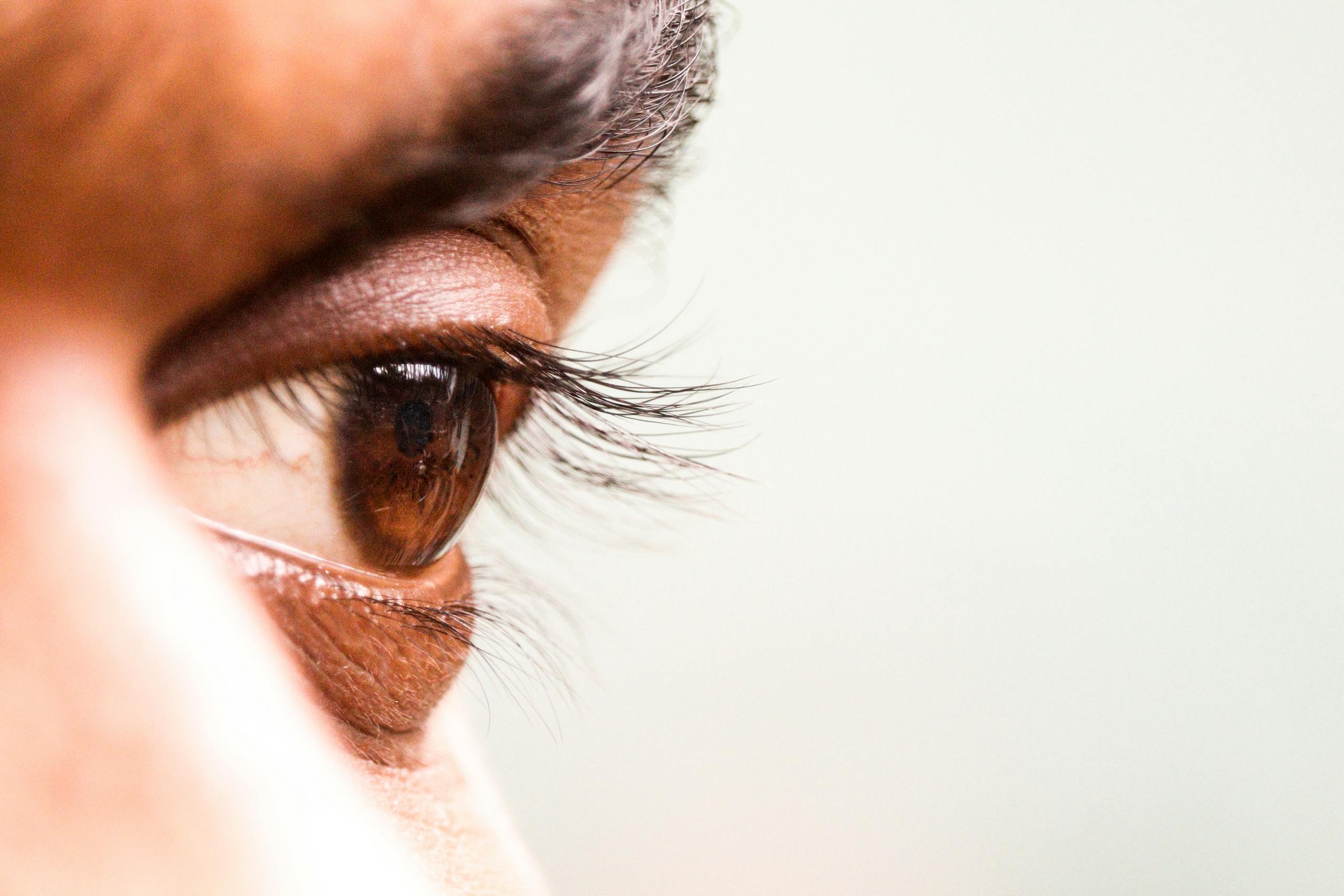
Let’s start gently. Many people grew up being told that a fallen eyelash means someone is talking badly about you or that bad luck is on the way. The actual explanation is considerably less dramatic: your eyelashes are hair, and hair follows a growth cycle.
Each lash grows, rests, and eventually falls out to make room for a new one. The whole process takes a few months and repeats continuously without any input from the universe or your enemies.
Eyelash loss can occasionally signal something worth checking, thyroid issues, alopecia, or an allergy to a mascara you’ve been loyally using since 2019, but none of that is supernatural.
The myth persists because falling lashes are visible and noticeable in a way that, say, the constant shedding of skin cells is not. But it means nothing. Blow it off your finger and move on.
Sweating Does Not Detox You
The detox sweat myth is one of the wellness industry’s greatest hits, and it is completely false. Sweat is not a waste disposal system. It is a cooling system.
When your body temperature rises, sweat glands release water and a small amount of salt onto your skin, which evaporates and pulls heat away from your body. That’s it. That’s the whole job.
Your actual detoxification organs are your liver and kidneys, which work continuously and don’t require a sauna session or a hot yoga class to do their jobs. The weight you lose sweating heavily is water weight, which returns the moment you drink anything.
Sweat-based “cleanse” programs are selling you a feeling, not a physiological process. Exercise is genuinely good for you, but not because you’re expelling toxins through your pores.
Fluoride in Your Water Is Fine
Fluoride has attracted a devoted community of skeptics over the decades, with theories ranging from government mind control to mass poisoning.
The evidence points in a different direction: fluoride, at the concentrations used in public water systems, strengthens tooth enamel and reduces cavities. Public health authorities in dozens of countries have reviewed the research for over seventy years and continue to endorse it.
Studies claiming links between fluoride and reduced IQ have generally involved populations exposed to naturally occurring fluoride at levels many times higher than those used in water treatment, and have not held up well under scrutiny.
Dosage, as with everything in toxicology, is the whole point. The amount of fluoride in your tap water is not harming you. It is, modestly but measurably, protecting your teeth.
Men Get Varicose Veins Too
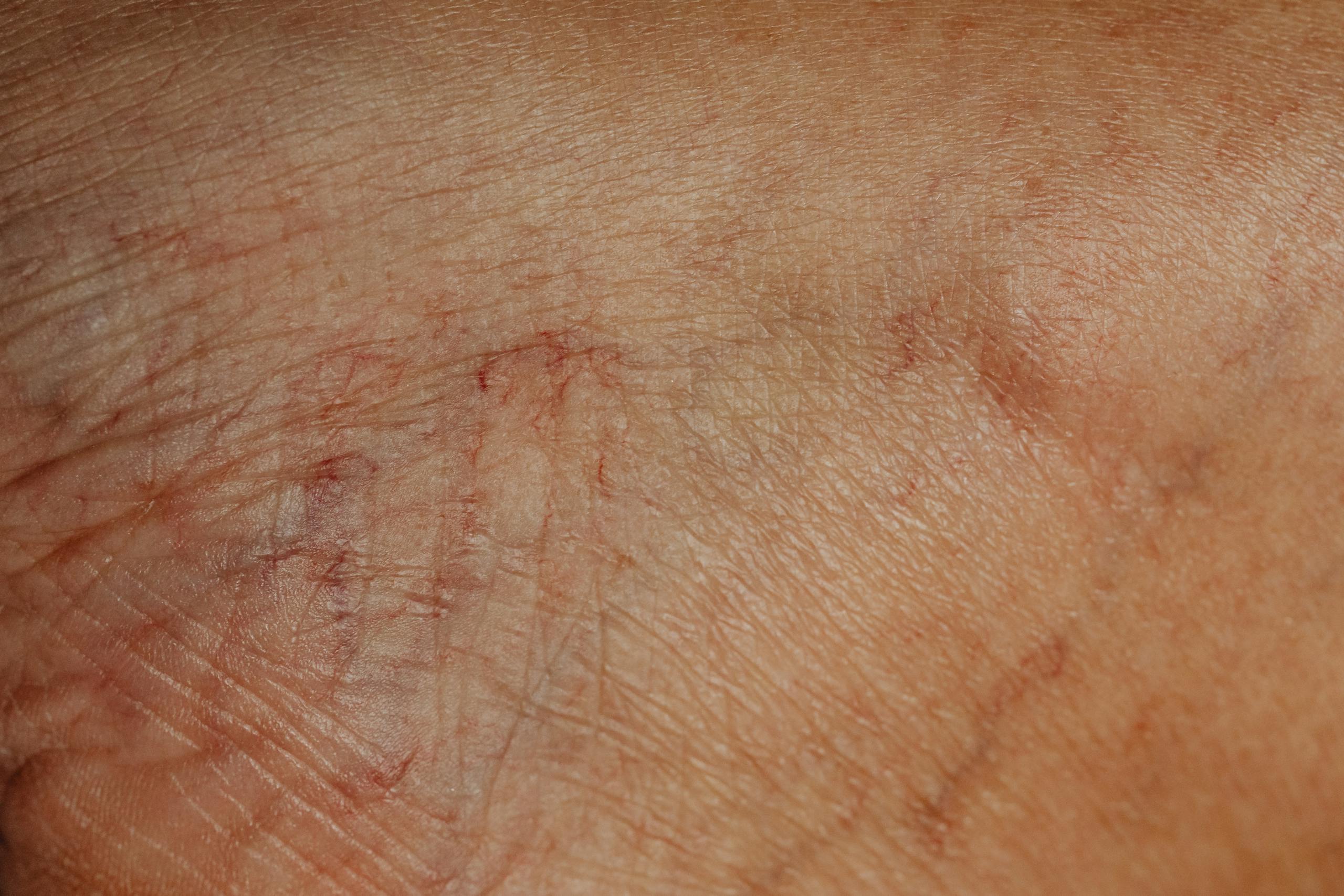
Varicose veins, those knotted, raised, bluish vessels that tend to appear on legs, are widely perceived as a woman’s issue. They are not. Genetics is the primary driver, and genetics is indifferent to gender.
Around 20 million Americans have varicose veins, and a substantial portion of them are men who have simply been culturally conditioned not to discuss or treat them.
The female association comes partly from the fact that pregnancy increases risk significantly, which skews the visible demographics. But prolonged standing, age, weight, and inherited vein structure affect everyone equally.
Men with varicose veins often go undiagnosed longer because they don’t think it’s their problem to have, which means they also miss out on the relatively simple interventions, compression stockings, exercise, and leg elevation, that can prevent progression.
Cracking Your Knuckles Will Not Give You Arthritis
This myth has been terrifying children and irritating adults for generations. The sound is produced by gas bubbles, primarily carbon dioxide, forming and collapsing in the synovial fluid that lubricates your joints. It is not bone grinding on bone. It is not damage accumulating. It is a bubble popping.
Long-term studies have found no connection between habitual knuckle cracking and arthritis. One researcher, in a commitment to science that deserves acknowledgment, spent 60 years cracking the knuckles on one hand but not the other, and compared the results.
No difference. Habitual cracking may occasionally produce mild, temporary swelling or slightly reduced grip strength, but it does not destroy your joints. Crack away, though perhaps not in meetings.
Your Ears Clean Themselves
Cotton swabs are one of the most popular products sold for a purpose that doctors actively advise against. Earwax (cerumen), if you want to be technical, is not a problem to be solved. It is a solution.
It traps dust and debris, has mild antibacterial properties, and naturally migrates outward through the ear canal as you move your jaw. Your ears are, under normal circumstances, self-cleaning.
What cotton swabs actually do is push wax deeper into the canal, where it can compact and cause blockages, or scrape the delicate skin lining and invite infection.
The appropriate instruction on most cotton swab packaging, if you read it, is not to insert them into your ears. Clean around the outside. Leave the inside alone. If you experience genuine blockage or hearing loss, see a doctor rather than treating yourself with a Q-tip.
Dandruff Is Not Caused by a Dry Scalp

This is a counterintuitive one, because the flakes look like exactly what you’d expect from dry skin. But dandruff is typically caused by excess oil production, not insufficient moisture.
A yeast called Malassezia, which lives on everyone’s scalp, feeds on sebum and triggers accelerated skin cell turnover in some people, producing the visible flaking. Cold weather, stress, and certain skin conditions can make it worse.
The misdiagnosis of dry scalp sends people toward moisturizing shampoos and oils that can actually worsen symptoms by feeding the very process that causes the problem.
Anti-dandruff shampoos work by targeting fungal activity and regulating cell turnover, not by hydrating. If your anti-dandruff approach involves adding more oil to your scalp, you may be solving the wrong problem.
Fat Is Not the Enemy
Few nutritional myths have done more damage than the one that arrived in the latter half of the 20th century: dietary fat makes you fat, clogs your arteries, and should be minimized at all costs.
In response, the food industry produced decades of low-fat products that replaced fat with sugar and refined carbohydrates, and public health quietly got worse.
The reality is that fat is essential. Your body uses it for hormone production, insulation, brain function, and the absorption of fat-soluble vitamins.
The type of fat matters enormously; unsaturated fats found in olive oil, nuts, and fish are actively beneficial for cardiovascular health, while trans fats are worth avoiding, but fat itself is not the villain.
Cutting it indiscriminately while loading up on refined carbs is not a health strategy. It was a decades-long experiment, and the results were not good.
Wounds Heal Better When Kept Moist
The instinct to “let a wound breathe” is understandable but backward. Exposing a wound to air dries it out, slows cellular migration, and increases the risk of scarring.
Moist wound environments, achieved with appropriate dressings or ointments, support the migration of new cells across the wound bed, accelerate tissue regeneration, and yield better cosmetic outcomes.
This doesn’t mean leaving wounds wet or dirty. It means covering them properly and keeping them clean, rather than leaving them open to air and assuming that’s helping.
Modern wound care is built on this principle. The exposed, crusty wound is not healing faster. It is healing more slowly and less neatly.
You Have Two Nostrils, and They Take Turns

You already knew you had two nostrils. What you probably didn’t know is that they don’t work simultaneously; they alternate.
Erectile tissue inside each nasal passage swells and recedes on a cycle, meaning that at any given moment, one nostril is handling most of your airflow while the other is comparatively at rest. They switch every few hours.
This is called the nasal cycle, and it’s why one nostril tends to feel more congested than the other when you have a cold, or why lying on your side makes one side clear up.
Your nose is not a single organ that behaves uniformly; it’s two systems running a relay. You’ve been breathing through a more sophisticated piece of equipment than you realized, and it’s been doing this your whole life without anyone thinking to mention it.
Conclusion
The body is strange, efficient, and frequently misunderstood. Most of these myths aren’t harmless curiosities; they lead people to clean their ears incorrectly, avoid healthy fats, ignore medical symptoms, or spend money on detox programs that do nothing.
The good news is that the truth, in almost every case, requires less effort than the myth. Your ears clean themselves. Your liver handles your toxins. Your knuckles are fine. The body mostly knows what it’s doing; it just needs you to stop interfering based on things you heard in primary school.