Dating older women is often surrounded by myths that distort perception and prevent meaningful connections. Popular culture frequently depicts age-gap relationships as problematic, portraying older women as controlling, emotionally unavailable, or only interested in younger men for superficial reasons.
These assumptions ignore the emotional intelligence, independence, life experience, and self-awareness that older women bring to relationships. In reality, dating women over 40 or 50 is often enriching, offering clarity, stability, and mutual growth. Here, we take an in-depth look at 13 pervasive myths, debunking them with research, insight, and real-world context to provide a comprehensive understanding of dating older women.
Older Women Are “High-Maintenance.”

A persistent stereotype suggests that older women require excessive attention, gifts, or luxury to be satisfied. However, studies and surveys consistently reveal that women over 40 prioritize emotional stability, communication, and mutual respect over materialism. Their “high standards” often reflect life experience rather than entitlement. They value partners who are attentive, reliable, and capable of meaningful conversation rather than superficial displays of wealth or extravagance.
Older women are selective because they understand what contributes to long-term satisfaction. Emotional reciprocity, intellectual engagement, and reliability matter far more than lavish experiences. In fact, many older women report that they appreciate small, thoughtful gestures and consistent communication over material indulgence. Their “high-maintenance” label is better understood as clarity, self-respect, and discernment in romantic relationships, qualities that often prevent conflict and foster emotional stability.
They’re Not Interested in Younger Men
Contrary to common belief, older women frequently engage with younger men when the connection is based on mutual respect, emotional compatibility, and shared interests. Age alone rarely determines attraction. Younger partners can introduce energy, curiosity, and a fresh perspective, complementing the wisdom and stability older women bring. Research shows that successful relationships rely more on shared values, communication style, and personality compatibility than on chronological age.
These relationships often thrive because older women bring clarity, confidence, and emotional insight, while younger partners contribute enthusiasm and openness. The combination can create dynamic partnerships where both individuals learn and grow together. Many older women actively seek partners who challenge them intellectually and emotionally, debunking the myth that attraction is limited by generational differences.
Older Women Are “Set in Their Ways.”
The assumption that older women are rigid is misleading. While they may have established routines or clear expectations, these often reflect self-awareness and wisdom rather than inflexibility. Years of experience have given them negotiation skills, conflict-resolution strategies, and emotional awareness that enhance relationships. Their clarity allows for compromise and adaptability, making partnerships more sustainable.
Older women often embrace mutual growth and learning. They are willing to explore new perspectives and experiences with their partners while maintaining core values. This flexibility allows both partners to grow together and fosters dynamic, evolving relationships. Rather than being resistant to change, older women balance self-assuredness with adaptability, enhancing relational harmony and mutual satisfaction.
They Want to Control the Relationship

Some believe older women seek authority or dominance, but most prioritize a partnership built on equality. Shared decision-making, collaborative problem-solving, and distributed responsibility are hallmarks of relationships with older women. Life experience often cultivates empathy, active listening, and emotional regulation, which strengthens bonds and promote mutual satisfaction.
Older women communicate boundaries and expectations clearly, creating clarity and reducing misunderstandings. Assertiveness in this context ensures that both partners feel valued and respected, countering the misconception that older women are controlling. Their approach encourages constructive dialogue, mutual accountability, and emotional security, making relationships more balanced and fulfilling.
Older Women Are Emotionally Scarred
It is often assumed that older women carry emotional baggage from past relationships. While prior experiences inform perspective, many use these experiences to build healthier, more intentional relationships. Emotional intelligence, self-awareness, and communication skills improve with age, allowing older women to navigate challenges with maturity and resilience.
Experience fosters empathy and understanding, enabling them to recognize and address potential conflicts effectively. Older women often enter relationships equipped to identify unhealthy patterns, establish boundaries, and nurture intimacy. Far from being emotionally damaged, they bring wisdom, stability, and relational competence, which can significantly enhance the quality and longevity of a partnership.
Sexual Interest Declines Significantly with Age
A common myth is that sexual desire diminishes sharply after 40. Studies indicate that women maintain active, fulfilling sex lives well into their 50s and beyond, often enjoying increased emotional intimacy and confidence. Physiological changes may occur, but older women often adapt, focusing on communication, consent, and mutual satisfaction.
Maturity allows women to understand and express their sexual desires clearly. Their sexual confidence and openness often improve the quality of intimacy, fostering a deeper emotional and physical connection with partners. This debunks the stereotype that age inherently diminishes sexual engagement or pleasure, demonstrating that sexual vitality often persists alongside emotional growth.
They’re Only Interested in Financial Security
While some believe older women date for money, most are financially independent with careers, savings, and autonomy. Emotional connection, mutual respect, and shared values far outweigh financial concerns. Older women seek partners who contribute to their lives emotionally and intellectually, not just economically.
Financial independence allows them to make choices from a position of empowerment rather than necessity. This autonomy enables older women to enter relationships grounded in genuine compatibility and emotional fulfillment rather than material gain, debunking outdated stereotypes and highlighting the importance of equality and partnership.
They Prefer Casual Dating Over Commitment
Contrary to popular belief, many women over 50 actively seek meaningful, committed relationships. Commitment is valued for its role in trust, emotional security, and shared life goals. They often avoid partners who are non-committal, manipulative, or vague about intentions, ensuring their emotional and temporal investment is respected.
Older women prioritize transparency, honesty, and long-term alignment. This focus ensures that relationships are deliberate and intentional rather than casual or temporary. The myth of “commitment-phobia” misrepresents older women’s selective approach, which is grounded in discernment, relational maturity, and experience with complex life dynamics.
Older Women Are Inflexible About Lifestyle Differences
Perceived lifestyle rigidity is another myth. Older women frequently embrace diversity in interests, habits, and cultural perspectives. They are curious about their partners’ experiences, enjoy learning from new viewpoints, and value shared exploration. Differences can enhance relationships by adding novelty, perspective, and excitement rather than creating barriers.
Flexibility fosters partnership growth. Older women balance personal preferences with openness to new experiences, demonstrating that differences in taste or routine need not impede intimacy. Their adaptability ensures relationships can thrive despite generational or lifestyle differences.
Dating Older Women Is Socially Taboo
Social stigma exists, but acceptance of age-gap relationships has increased significantly. Couples who prioritize respect, communication, and mutual support often receive social approval rather than judgment. Older women navigate societal opinions confidently, prioritizing personal happiness over external criticism.
Independence and self-assurance allow these women to build authentic relationships. Age becomes a contextual factor rather than a limitation, with compatibility, trust, and mutual respect determining relational success. Social taboos are increasingly irrelevant when both partners are emotionally mature and aligned in values.
They Are Not Interested in Family Life
Older women may have children or prior family responsibilities, but this does not preclude forming new family bonds. Many are open to blended families, co-parenting arrangements, and supportive partnerships, provided expectations are communicated clearly.
Experience allows them to balance obligations with relationship needs effectively. Older women can integrate new partners into existing family structures while nurturing emotional intimacy, disproving the myth that age limits involvement in family life or domestic partnerships.
Emotional Intimacy Is Less Important
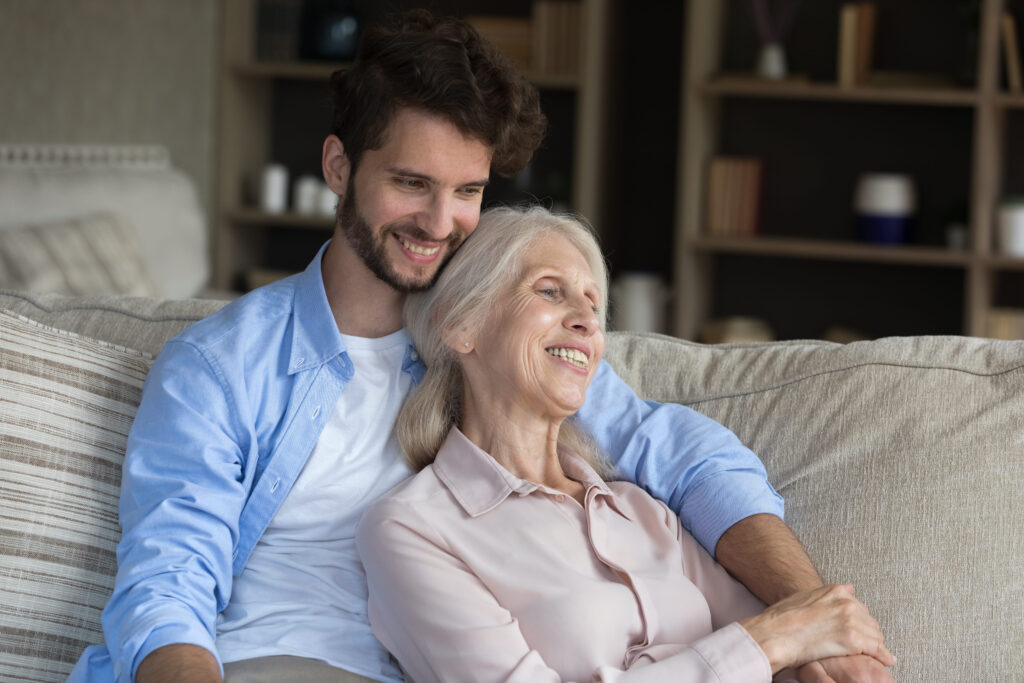
Emotional connection often becomes more pronounced with age. Older women value empathy, vulnerability, and understanding over casual physical attraction. Their life experience allows for nuanced communication, helping build resilience, trust, and lasting satisfaction in relationships.
Prioritizing emotional intimacy enhances relational depth and stability. Older women approach connections with clarity, making them highly attuned to partners’ needs and capable of fostering meaningful, fulfilling relationships that transcend superficial interaction.
They Are Too Busy with Careers or Personal Projects

Many older women maintain demanding careers, hobbies, or personal projects, but these pursuits enrich relationships rather than detract from them. Independence encourages mutual respect, admiration, and personal growth within partnerships.
Balancing ambition with romantic involvement demonstrates maturity, time-management skills, and self-confidence. Older women can simultaneously pursue personal fulfillment and cultivate meaningful relationships, debunking the myth that professional or personal engagement is a barrier to romantic commitment.