As the world continues to grapple with unpredictable weather patterns and increasing food prices, growing your own vegetables at home has become more than just a hobby—it’s a necessity. In 2026, the costs of staple vegetables are expected to soar due to extreme weather conditions that disrupt production.
Fortunately, there’s a solution right at your fingertips. By cultivating your own tomatoes, potatoes, broccoli, lettuce, and onions, you can avoid the inflated prices at the grocery store while enjoying fresh, homegrown produce year-round. In this article, we’ll explore how you can save money and guarantee quality by growing these essential vegetables in your own backyard.
Why Growing Your Own Vegetables is Essential in 2026
2026 marks a critical year for food production, with climate-related disruptions likely to raise the prices of essential vegetables. From unpredictable frost and floods to droughts that affect the most vital growing regions, the grocery store shelves will feel the impact. But the good news is that with a little planning and effort, you can take control of your food supply by growing vegetables right at home.
Whether you have a small balcony or a spacious backyard, these vegetables thrive in a wide range of growing conditions. Growing your own food not only helps you combat the rising costs of store-bought produce but also gives you the satisfaction of harvesting fresh, chemical-free vegetables for your family.
Tomatoes
Why Tomatoes Are a Must-Grow in 2026
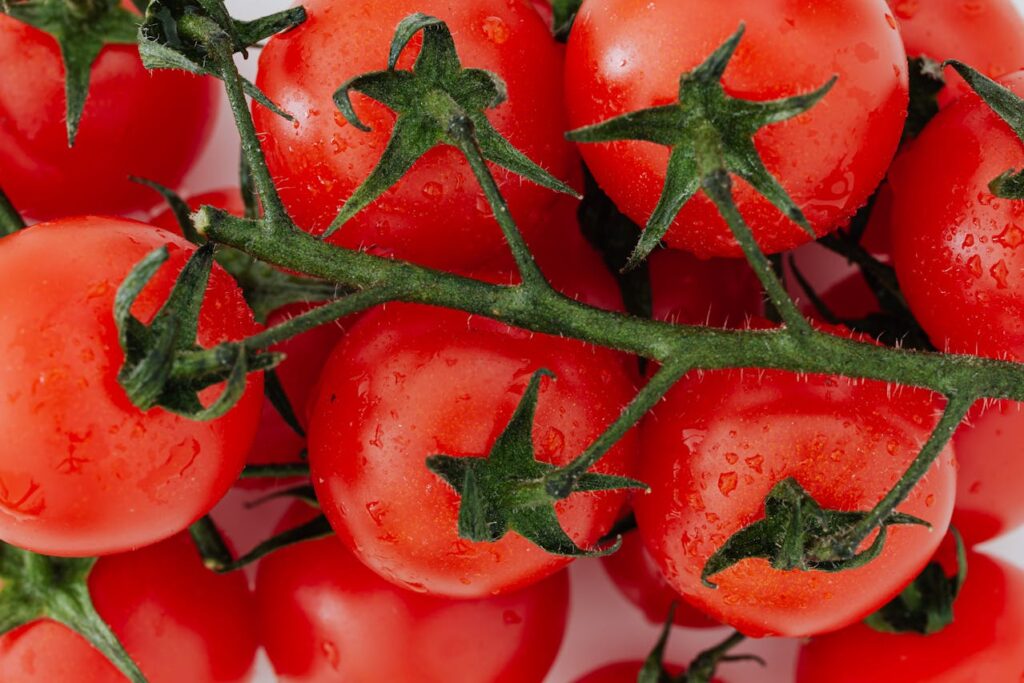
Tomatoes are among the vegetables expected to experience a significant price hike in 2026. With key growing regions like Florida and Mexico facing unpredictable weather, the cost of tomatoes is likely to rise. Fortunately, tomatoes are easy to grow at home, making them an ideal choice for gardeners of all levels.
How to Grow Tomatoes
Tomatoes require warm weather and plenty of sunlight—at least six hours of direct sunlight per day. Start your tomato plants indoors 6-8 weeks before your last expected frost and transplant them outside once the risk of frost has passed. Tomatoes love consistent watering, but it’s important to avoid over-watering. Keep the soil moist but not soggy.
Best Tomato Varieties to Grow
- Cherry Tomatoes: These small, sweet tomatoes are perfect for snacking and grow well in containers.
- Roma Tomatoes: Ideal for making sauces and pastes, Roma tomatoes have a rich, concentrated flavor.
- Heirloom Varieties: If you’re looking to try something unique, heirloom tomatoes offer a range of colors, shapes, and flavors.
By growing tomatoes at home, you’ll enjoy fresh produce throughout the summer without paying the premium prices at the store.
Potatoes
Why Potatoes Are Worth Growing
Potatoes are another vegetable facing price hikes in 2026 due to a combination of weather disruptions and rising transportation costs. The good news? Potatoes are easy to grow, even in small spaces, making them an excellent choice for backyard gardening.
How to Grow Potatoes
Plant potatoes 2-4 weeks before the last expected frost date. They can be grown in containers, raised beds, or directly in the ground. Potatoes thrive in well-drained, loose soil enriched with compost. Keep the soil consistently moist and be patient—you’ll see the fruits of your labor by late summer or fall.
Best Potato Varieties to Grow
- Red Potatoes: Known for their tender texture, red potatoes are perfect for boiling, baking, or roasting.
- Yukon Gold: These buttery potatoes are great for mashing or making fries.
- Fingerling Potatoes: For something unique, try growing fingerling potatoes, which have a rich flavor and unusual shape.
By planting potatoes, you’ll be able to harvest enough to feed your family for months, all while cutting your grocery bill.
Broccoli

Why Broccoli Is Rising in Price
Broccoli, a nutrient-packed vegetable, is seeing prices rise in 2026 due to inconsistent weather patterns. Growing your own broccoli can ensure you have a steady supply of this healthy vegetable without the added cost.
How to Grow Broccoli
Broccoli thrives in cool temperatures, making it perfect for early spring or fall planting. Start seeds indoors 4-6 weeks before the last frost, then transplant them into the garden. Broccoli prefers rich, well-draining soil, and consistent watering is key to avoiding bolting (premature flowering).
Best Broccoli Varieties to Grow
- Sprouting Broccoli: A smaller, flavorful variety that grows well in cooler climates.
- Calabrese Broccoli: Known for its large heads, this variety is perfect for home gardens.
- Purple Broccoli: Adds color and a unique, nutty flavor to your garden.
With just a little attention, broccoli can thrive in your garden, providing fresh, nutritious meals for your family.
Lettuce

Why Lettuce Is Easy to Grow and Cost-Effective
Lettuce is one of the quickest-growing vegetables, making it perfect for new gardeners. It also grows well in small spaces and containers, making it an ideal choice for urban gardening. As lettuce prices are expected to rise in 2026, homegrown lettuce can provide you with fresh, crisp greens all year long.
How to Grow Lettuce
Lettuce prefers cool temperatures, making it suitable for early spring or fall planting. Start seeds indoors or sow directly into the garden as soon as the soil is workable. Lettuce needs fertile, well-drained soil and consistent moisture, especially during warmer periods.
Best Lettuce Varieties to Grow
- Romaine Lettuce: Known for its crisp texture and mild flavor, romaine is perfect for salads.
- Butterhead Lettuce: This tender, buttery variety is ideal for wraps and sandwiches.
- Leaf Lettuce: Great for “cut-and-come-again” harvesting, leaf lettuce allows you to harvest fresh leaves throughout the season.
Lettuce is quick to grow and doesn’t require a lot of space, making it an excellent addition to your home garden.
Onions

Why Onions Are a Smart Choice for 2026
Onions are an essential ingredient in almost every dish, but they are expected to experience a significant price hike in 2026 due to crop shortages. Fortunately, onions are easy to grow and can be planted in containers, raised beds, or directly in the soil.
How to Grow Onions
Plant onions 2-4 weeks before the last frost. You can start them from seeds, sets (small onion bulbs), or transplants. Onions need well-drained, fertile soil and consistent watering throughout the growing season.
Best Onion Varieties to Grow
- Yellow Onions: The most commonly used onion variety, yellow onions have a strong flavor and are perfect for cooking.
- Red Onions: Known for their milder flavor, red onions are great for salads and raw dishes.
- Sweet Onions: Varieties like Vidalia or Walla Walla offer a sweeter taste, making them ideal for caramelizing.
Growing onions at home lets you avoid rising prices and always have fresh onions on hand.