Aggression in the animal kingdom isn’t just about fighting; it’s a vital survival mechanism that allows species to protect their territory, secure food, and ensure the continuation of their genetic legacy.
While the word “aggressive” may conjure images of fearsome predators, the truth is that aggression takes many forms across species, from subtle territorial behaviors to full-on combat with rivals.
Let’s dive into the world of nature’s fiercest and most aggressive animals, exploring the raw power, cunning, and unrelenting instincts that make these creatures the true apex predators of their domains.
Saltwater Crocodile
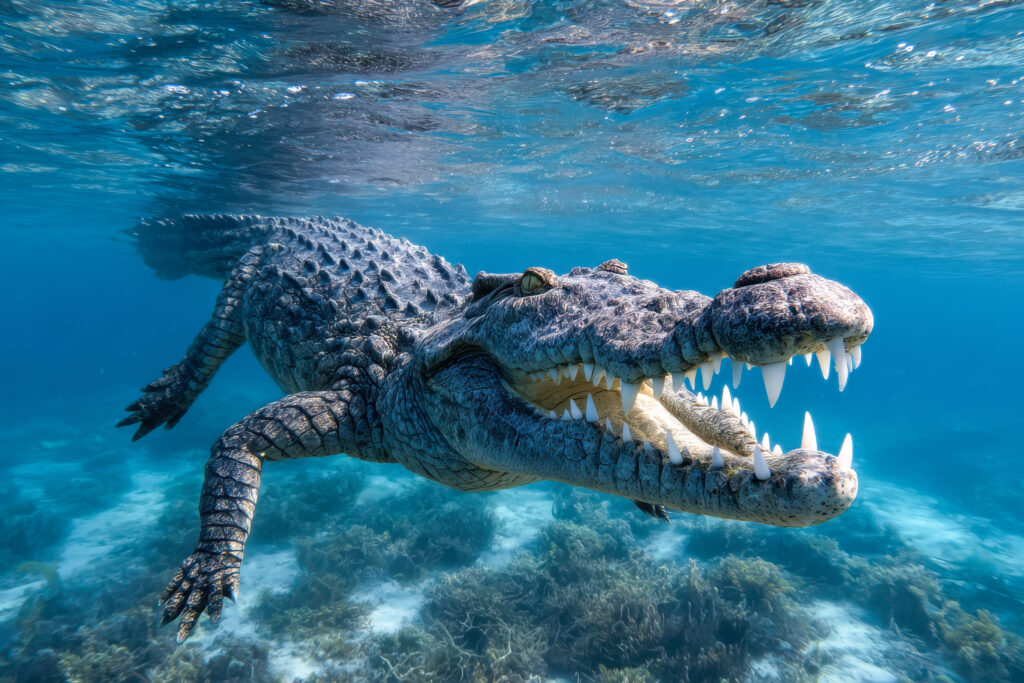
The saltwater crocodile (Crocodylus porosus) is the most fearsome and aggressive reptile on the planet. These apex predators are equipped with a lethal combination of size, speed, and strength. Growing up to 23 feet in length and weighing over 2,000 pounds, saltwater crocodiles can exert jaw pressures exceeding 3,700 pounds per square inch, enough to crush bones and puncture vital organs.
What truly sets them apart, however, is their ambush hunting technique. Crocodiles lie in wait, blending into their surroundings before launching themselves at unsuspecting prey with incredible speed. This ambush strategy, enabled by their stealth and element of surprise, makes them among the most dangerous predators in the wild. Their aggression is particularly noticeable during mating seasons, when they become more territorial and chase away potential rivals.
African Bull Elephant
Elephants are often regarded as gentle giants, but African bull elephants exhibit a different side when it comes to aggression. During the period of musth, when testosterone levels peak, males become highly territorial and unpredictable. They can charge at humans, vehicles, and even other elephants with little provocation, showcasing their power and dominance.
Weighing up to 14,000 pounds and capable of running at speeds of up to 25 miles per hour, African elephants are not to be underestimated. Their tusks are not just tools for foraging; they can be deadly weapons in combat. Despite their often gentle demeanor, African bull elephants’ aggression is deeply rooted in their instincts to defend their territory and maintain dominance within their herds.
Cape Buffalo
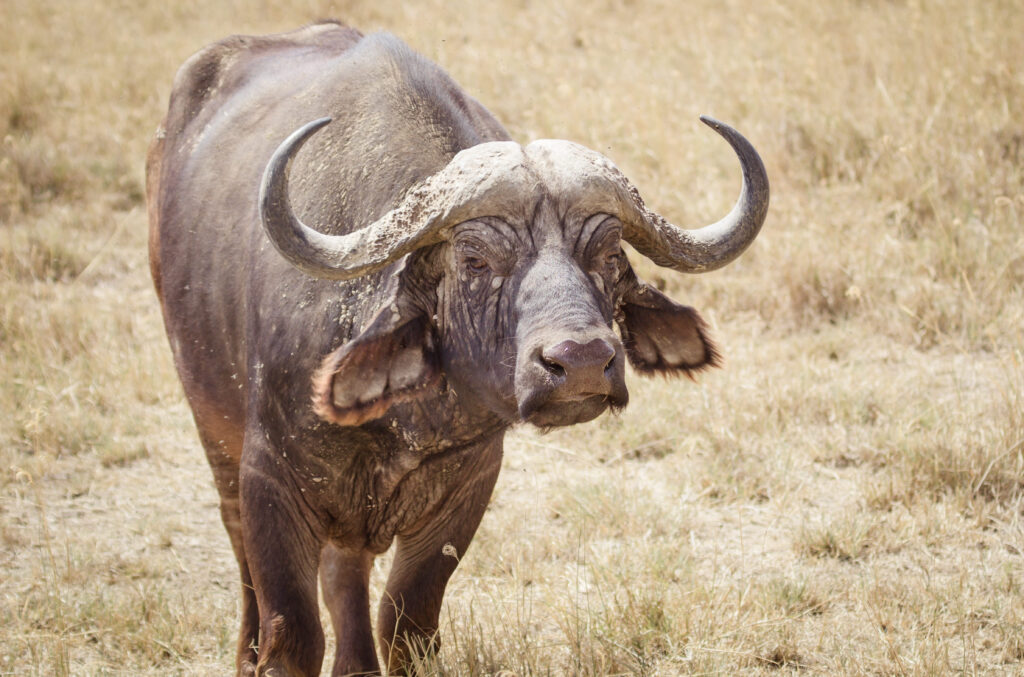
The Cape buffalo, often dubbed “Black Death,” is notorious for its violent and unpredictable nature. Standing up to 5 feet tall and weighing 2,000 pounds, these herd animals are capable of running at speeds of 35 miles per hour. Cape buffaloes have earned a reputation for being one of the most dangerous animals in Africa, not because of their size or speed, but because of their aggressive defense strategies.
A herd of buffalo will fiercely protect one of their own, and if threatened, they will work together to confront any challenge, even taking on predators as formidable as lions. Their unpredictability and territorial aggression make them one of the deadliest species to encounter in the wild. Cape buffaloes’ willingness to fight back with unrelenting force means that even the most skilled predators respect them.
Honey Badger
Honey badgers (Mellivora capensis) might be small in stature, but they are fierce warriors with an unparalleled fearlessness. Known for their aggressive attitude, these animals will attack virtually anything that poses a threat, from snakes and scorpions to larger predators like lions and hyenas. Despite their diminutive size, honey badgers possess incredibly tough skin, immune to many poisons and venomous bites.
Their aggression is legendary. Honey badgers have been known to steal food from much larger animals and will continue to fight even when wounded. The combination of toughness, bravery, and a complete lack of fear makes honey badgers one of nature’s most determined and unpredictable animals.
Mosquito
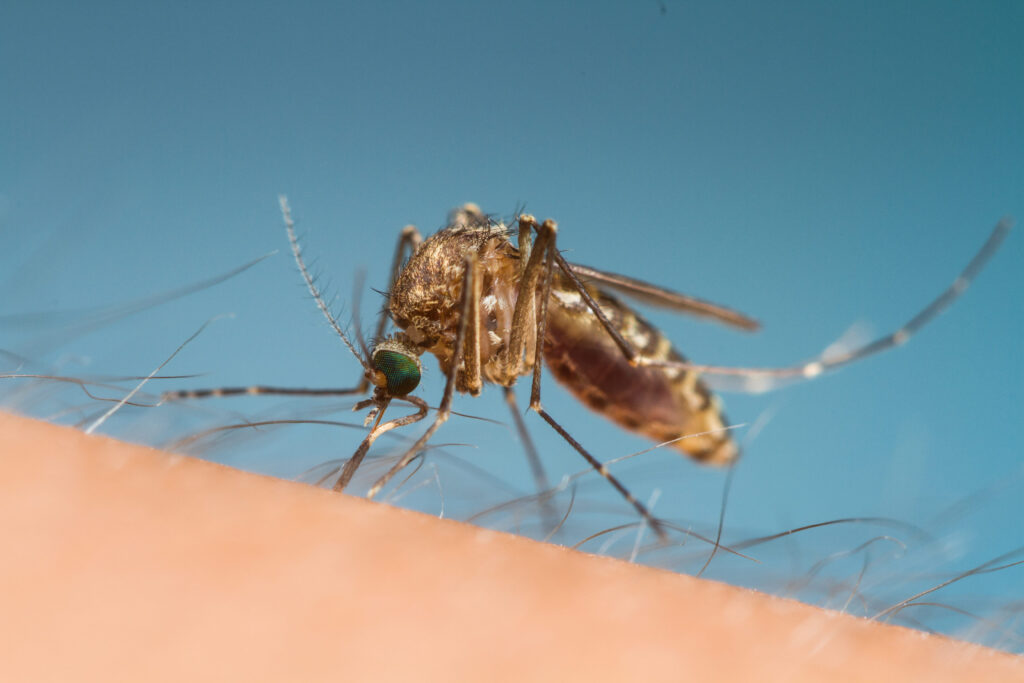
Despite their tiny size, mosquitoes are among the deadliest creatures on Earth, responsible for more human deaths annually than any other animal. Mosquitoes carry and transmit diseases like malaria, dengue fever, and Zika virus, which make them a public health threat worldwide.
Their aggression is not physical in the conventional sense; rather, it lies in their ability to infect millions of people. They are constantly on the hunt for their next blood meal, and their bites can transmit diseases that kill hundreds of thousands of people each year. This makes mosquitoes not just annoying but truly lethal in terms of their impact on human health.
Great White Shark
Great white sharks (Carcharodon carcharias) are apex predators in the ocean, feared for their power and precision in hunting. These majestic yet terrifying creatures can grow up to 20 feet long and weigh over 5,000 pounds. They are equipped with rows of razor-sharp teeth and a highly developed sense of smell that allows them to detect prey from miles away.
What makes great white sharks so aggressive is their ambush hunting style. They typically attack from below, hitting their prey with tremendous force, often disabling it in a single blow. Great whites are territorial, and when they sense the presence of a rival shark, they can become aggressive in defending their territory.
Pit Bull Terrier
Pit bull terriers are often at the center of debates about animal aggression. While many pit bulls are friendly and loyal pets, they can exhibit aggressive tendencies, particularly when poorly trained or provoked. Their strength, tenacity, and jaw-clenching ability make them formidable in physical confrontations.
When pit bulls do display aggression, they do so with remarkable force. Their powerful bite and strong-willed nature make them a serious threat in confrontations with humans or other animals. Proper training and socialization are crucial for managing pit bulls’ aggression, but when mishandled, they can be among the most dangerous dog breeds.
Tiger
Tigers (Panthera tigris) are one of the most aggressive and powerful carnivores in the world. They are solitary hunters, relying on stealth and strength to catch their prey. With sharp claws and powerful jaws, tigers can take down animals much larger than themselves, such as deer, wild boar, and even buffalo.
Tigers are territorial and will aggressively defend their home ranges from other tigers. They are also known to attack humans in certain circumstances, especially if they feel threatened or cornered. The sheer power and dominance of tigers make them one of the most dangerous animals in the wild.
Poison Dart Frog
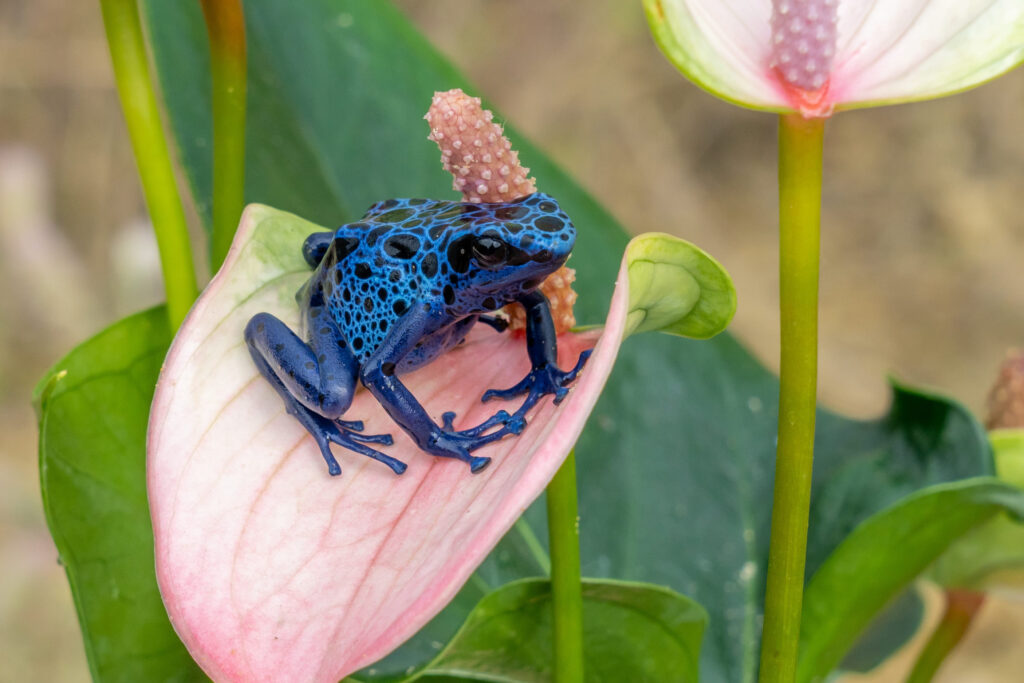
Despite their small size, poison dart frogs (family Dendrobatidae) pack a deadly punch with their powerful toxins. These colorful amphibians use their skin to excrete potent chemicals that can paralyze or even kill predators. The frog’s bright colors serve as a warning to potential threats, signaling their toxicity.
These frogs are incredibly territorial and will use their chemical defense mechanism to fend off any encroachers. The aggression of poison dart frogs isn’t physical; it’s chemical, and their ability to deter predators with poison is a remarkable survival strategy.
Wolf Pack
Wolves (Canis lupus) are highly skilled hunters, operating in packs to take down prey that is often much larger than themselves. Their hunting tactics are strategic and aggressive, relying on cooperation and communication within the pack. Wolves will relentlessly chase prey over long distances, wearing it down before making a coordinated strike.
Wolves are also fiercely protective of their pack and will exhibit aggressive behavior toward outsiders. This pack mentality makes them one of the most successful and aggressive predators in the wild, capable of taking down animals like bison, elk, and moose with ease.