The American frontier glitters in our collective imagination. Cowboys riding at sunset, wide-open skies, the thrill of untamed wilderness.
What the mythology conveniently leaves out is what it was like to be a child in that world, small, powerless, and expected to function like a short adult with fewer complaints.
The reality of frontier childhood was defined not by adventure but by exhaustion, danger, disease, and grief. Here are ten ways growing up in the Old West was genuinely, relentlessly hard.
The Workday Started Before Dawn… and You Were Part of It

There was no sleeping in on the frontier. By the time the sun crept over the horizon, children were already at it, feeding livestock, hauling water, collecting firewood, tending gardens.
This wasn’t an occasional chore rotation. It was daily, non-negotiable labor that the family’s survival depended on.
Boys and girls shared the burden roughly equally, because frontier life had little patience for the luxury of strict gender division when there was simply too much work.
Children as young as five had assigned tasks. By ten, many were doing the work of adults. The concept of a lazy Saturday morning would have been completely alien.
Native Children Were Never Far From Their Mothers…for Good Reason
For Plains Indian children, closeness to family wasn’t affection; it was a survival strategy. Infants were carried on cradleboards strapped to their mothers’ backs, keeping them safe and mobile during a life that demanded constant movement.
As they grew, children were woven tightly into community life, learning through observation and participation rather than formal instruction.
Boys gradually took on hunting and protective roles; girls learned the domestic and ceremonial skills that held communities together.
It was a richly mentored childhood, but not a free one. The world outside the family circle was genuinely dangerous, and everyone knew it.
Home Was Wherever You Unpacked… Until You Packed Again
Frontier life was relentlessly mobile. Pioneer families followed opportunity, grazing land, and trade routes. Indigenous communities migrated seasonally, following buffalo herds across vast plains.
In both cases, children were expected to help load wagons, manage animals, and carry what they could across terrain that offered neither comfort nor mercy.
These migrations were long, physically grueling, and emotionally destabilizing.
Children couldn’t fully understand why they kept leaving, only that they did, and that each departure meant leaving behind whatever small sense of home they’d managed to build. Anxiety was a reasonable response to a childhood in permanent transit.
School Was Available… If You Were Lucky Enough to Get In
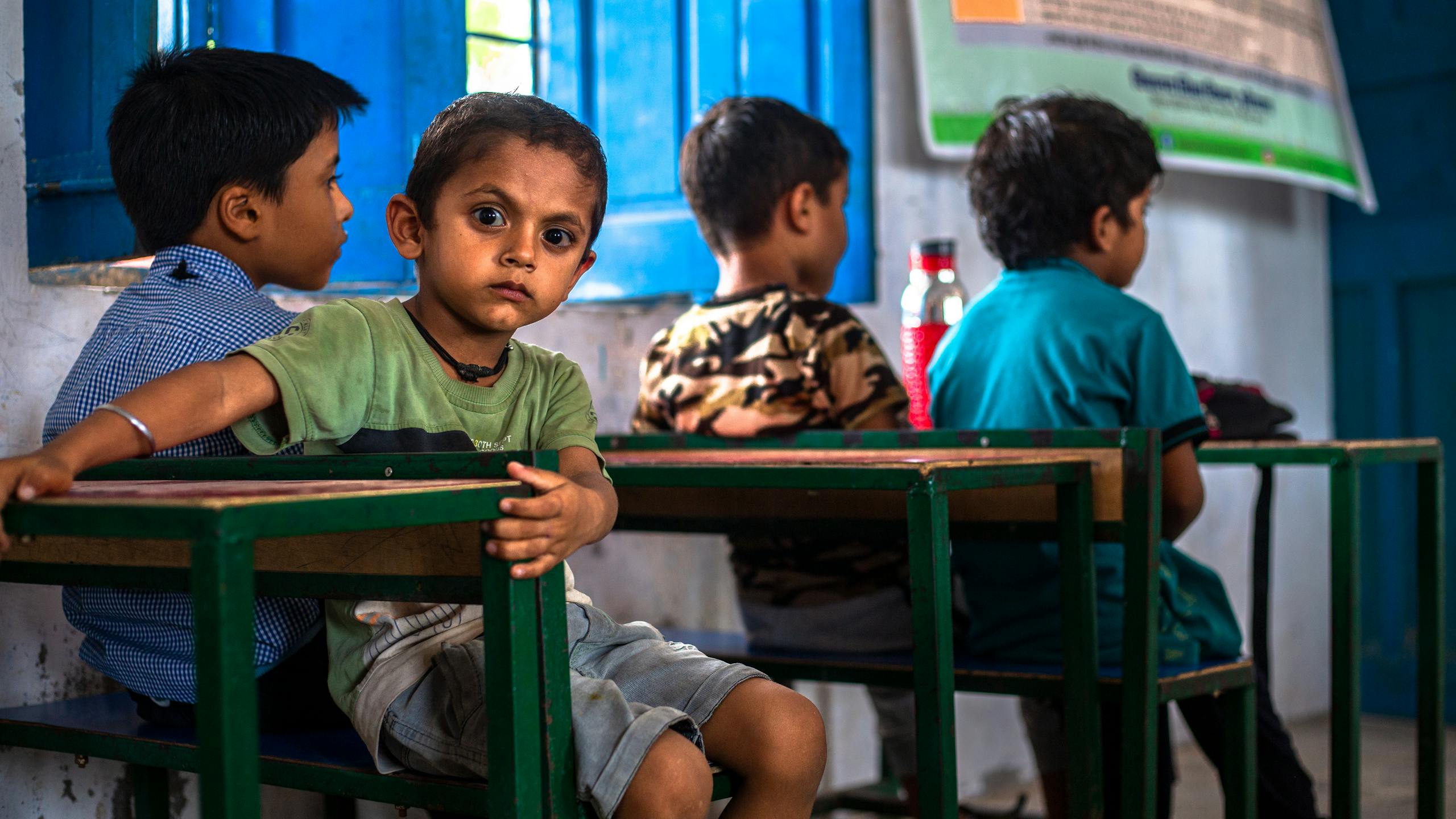
One-room schoolhouses existed across the frontier, and in some communities, they were genuinely prized… built and maintained by the settlers themselves, furniture included. But the experience of attending one bore little resemblance to modern education.
A single teacher managed students ranging from six to sixteen, covering every subject with minimal materials. School attendance was inconsistent, squeezed in around planting and harvesting seasons. And for non-white children, access was frequently denied altogether.
Systemic exclusion meant that education, already a patchwork affair, was an even more distant prospect for children who weren’t white and Protestant and living in the right settlement.
For Indigenous Children, “School” Often Meant Erasure
The bleakest chapter in frontier childhood belongs to the Native children forced into government-run boarding schools. Institutions like the Carlisle Indian Industrial School in Pennsylvania operated under a philosophy that was chilling in its directness: “Kill the Indian, save the man.”
Children were taken, often forcibly, from their families and communities. Their names were replaced with English ones. Their languages were forbidden. Their clothing, their ceremonies, and their entire cultural identity were stripped away and replaced with Christianity and manual labor training.
Abuse was widespread. Disease ran rampant through overcrowded dormitories. Many children never came home. Those who did often returned as strangers to their own families, fluent in a language their parents couldn’t speak, alienated from both worlds.
Mixed-Race Children Fell Between Every Crack
The post-Civil War West was navigating seismic shifts in race, identity, and social order, and children paid some of the highest costs. Mixed-race children occupied a cruel no-man’s-land, often rejected by white communities and disconnected from indigenous ones.
Anti-miscegenation laws cast legal shadows over their families. Fathers, caught between two worlds, frequently abandoned mixed-heritage families entirely when opportunities or social pressure pulled them away.
The children left behind faced not just poverty but profound social isolation. Only those with wealthy or prominent fathers had any real protection. Everyone else made do with stigma.
Gender Was Flexible… But the Workload Wasn’t

One of the genuinely surprising features of frontier childhood is how fluidly gender roles bent under the pressure of survival. Girls learned to plow, shoot, and manage livestock.
Boys helped with cooking and sewing when needed. This wasn’t progressivism, it was pragmatism. The frontier didn’t care about your social norms when the crops needed bringing in.
The upside was that children developed impressively broad skill sets. The downside was that the flexibility added pressure rather than removed it.
The bar wasn’t lowered because you’d crossed into territory traditionally reserved for the other sex. You were simply expected to do all of it.
Play Was Basically Just Practice for Dying
Frontier children did play, but their play had an edge to it that modern playgrounds can’t replicate. Games involved mock hunting, herding simulations, and improvised weapons.
The rivers they swam in had currents. The animals they approached were real. The tools they handled were sharp. Accidents happened constantly, and they happened in places where the nearest doctor might be a day’s ride away.
Burns, broken bones, animal bites, infections from minor cuts, any of these could spiral into catastrophe. Children learned to be tough partly because toughness was the only available medical plan.
Medicine Was Optimism With Herbs
Frontier medicine was doing its best with very little. Communities relied on midwives, folk remedies, and whatever knowledge had traveled west in someone’s memory. Willow bark for fever. Poultices for wounds. Prayer for everything else.
Epidemics, cholera, typhoid, and smallpox moved through settlements with terrifying speed and efficiency. Children, whose immune systems were still developing, were particularly vulnerable.
A sick child in 1870 on the Kansas prairie faced odds that would be unthinkable today. Families buried children with a frequency that modern parents cannot fathom, and grief was simply another feature of frontier life, absorbed and carried forward.
The Emotional Weight Was Enormous, and Nobody Talked About It
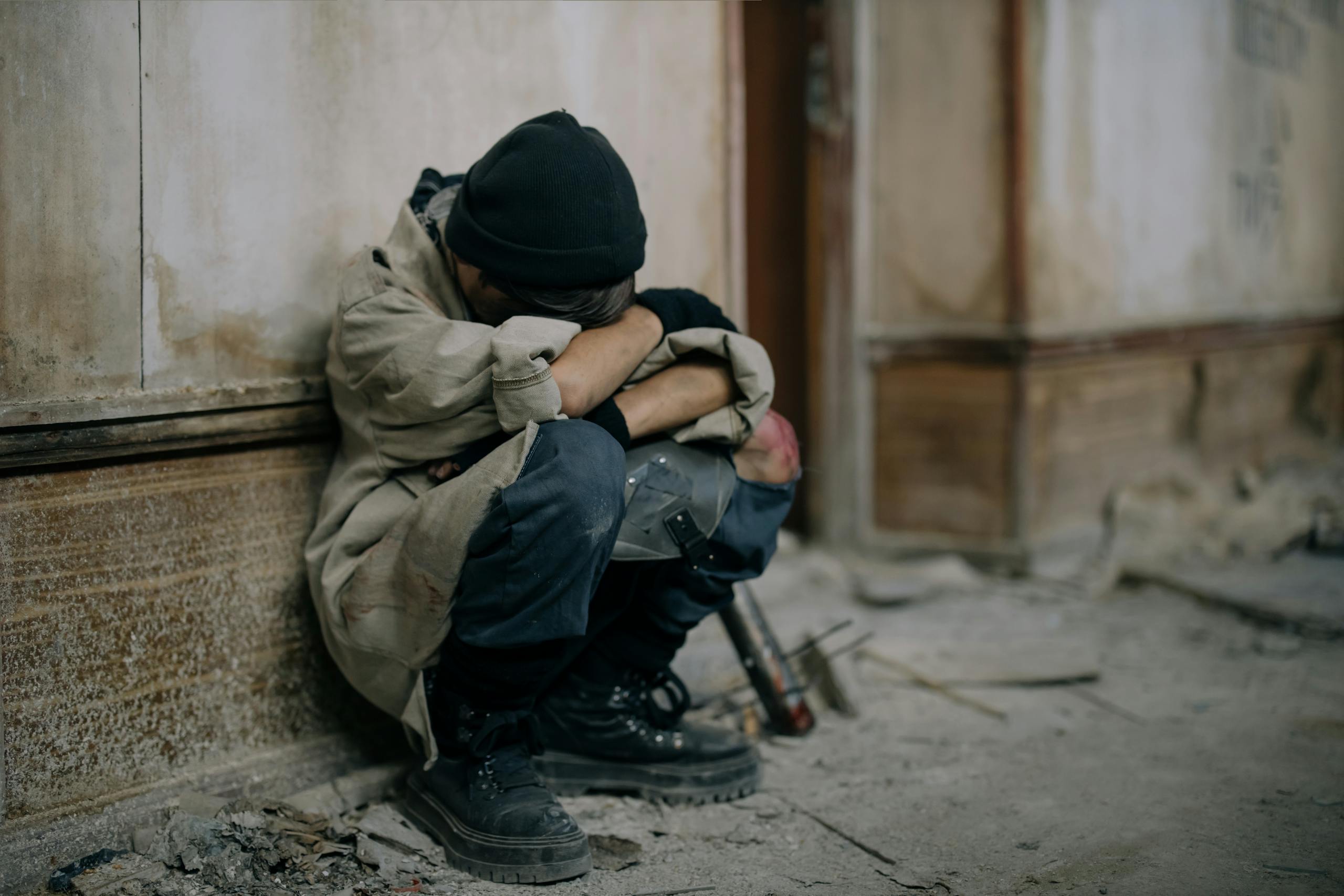
Frontier culture prized stoicism. You worked, you endured, you didn’t complain. This was practical in a world where complaining solved nothing, but it meant that children carrying enormous emotional burdens… fear, grief, loneliness, trauma from displacement or abuse had no language and no space to process any of it.
Native children torn from families and communities suffered wounds that lasted lifetimes. Pioneer children who watched siblings die, homesteads fail, or parents break down, simply absorbed it and kept moving.
The frontier forged resilience, yes. But it also left generations carrying weight they were never allowed to put down.
Conclusion
The Old West was real, and so was its hardship. For the children who grew up in it, pioneer kids hauling water before sunrise, Native children stripped of their names in government schools, mixed-race children belonging fully to neither world, the frontier was not an adventure.
It was simply life, demanding and unrelenting. They survived it, most of them, and carried something forward that’s easy to admire from a distance: a stubbornness, a competence, a refusal to be broken. But let’s not romanticize what it cost them to get there.