Dinner may be the last big meal of the day, but what happens after it can decide how your stomach feels and how well you sleep. Many people finish eating, drop onto the couch, scroll their phone, drink too much at once, or head straight to bed without thinking twice. Those tiny habits may seem harmless, yet they can leave you feeling bloated, restless, heavy, or wide awake at midnight.
The good news is that better digestion and deeper sleep do not require a complicated routine. A few simple after-dinner habits can help your body settle down, process food more comfortably, and prepare for rest. The trick is avoiding the lazy evening patterns that work against your stomach and your sleep cycle.
Lying Down Right After Dinner
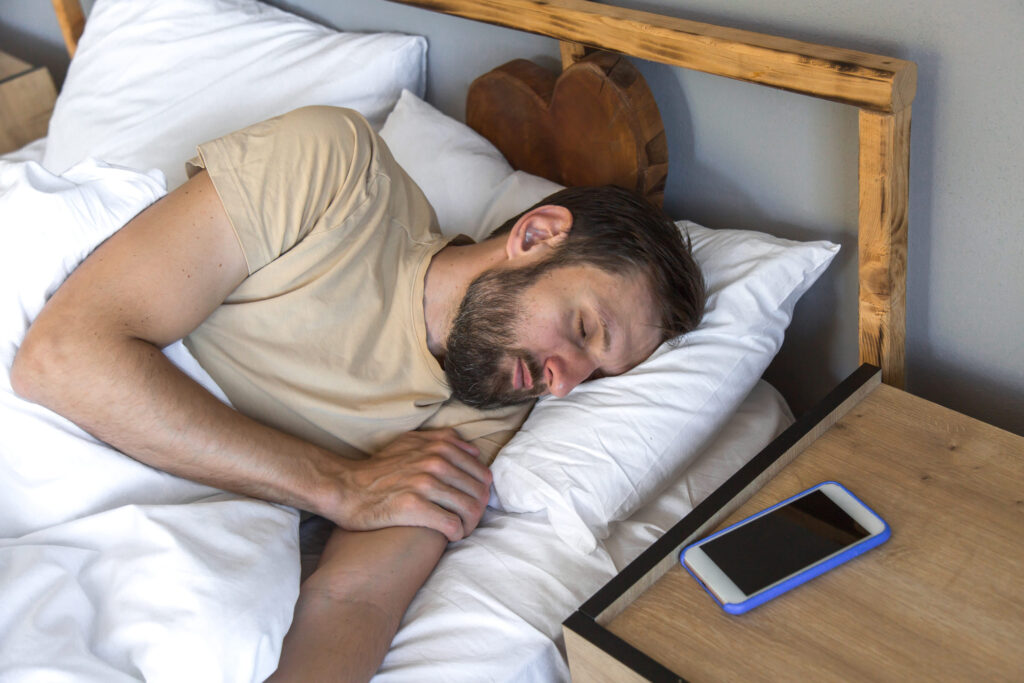
Going straight to bed after dinner is one of the easiest ways to make your night uncomfortable. Your body needs time to move food through the digestive system, and lying flat too soon can make that process harder. It may also increase the chance of acid reflux, especially after a heavy meal, spicy food, or late-night eating.
A smarter habit is staying upright for at least a little while after dinner. You do not have to do anything intense. Sit comfortably, tidy the kitchen, fold laundry, or take a calm walk around the house. Keeping your body upright gives digestion a better chance to work naturally before sleep.
This also helps your mind avoid that heavy, sluggish feeling that often comes after a big meal. Instead of treating dinner like the end of the day, treat it like the start of your wind-down routine. Your stomach will feel lighter, and your body will find it easier to shift into rest mode.
Skipping a Gentle Walk
Many people think exercise after dinner means sweating, running, or doing something serious. That is not the goal. A gentle walk after dinner can be one of the simplest ways to support digestion without stressing your body. Even 10 to 15 minutes at an easy pace can help you feel less stuffed and more settled.
The mistake is staying completely still for the rest of the night. Sitting for hours after a full meal can make bloating, gas, and heaviness feel worse. A short walk encourages movement through the digestive tract and helps your body use the meal instead of letting it sit uncomfortably.
Keep the walk relaxed. This is not the time for speed walking, intense cardio, or heavy workouts. A slow stroll around the block, a quiet walk with a family member, or even pacing gently indoors can do the job. The goal is comfort, not calorie burning.
Turning Your Night Into a Stress Spiral
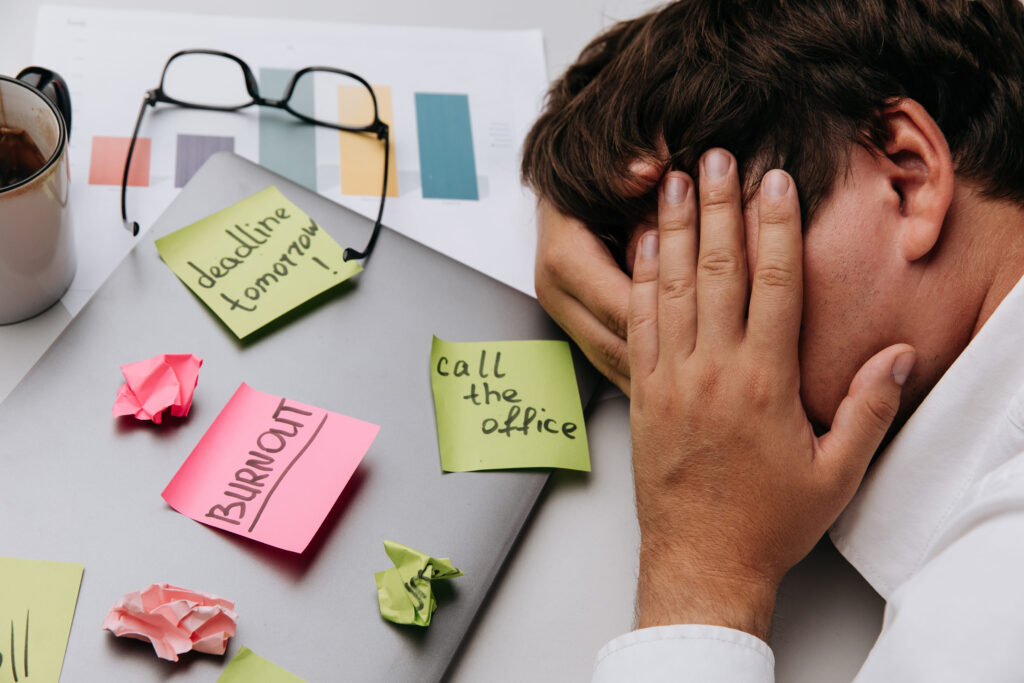
Stress and digestion do not work well together. When your evening turns into emails, arguments, loud screens, unpaid bills, or endless bad news, your body stays alert. That tense state can make digestion feel slower and make it harder to fall asleep. Your stomach often knows when your mind is not calm.
A better after-dinner habit is creating a simple wind-down routine. This can include dimming the lights, reading, stretching, breathing slowly, journaling, taking a warm shower, or listening to soft music. The point is to send your body a clear message that the day is closing.
You do not need a perfect routine. You only need consistency. When your body gets the same calming signals every night, it becomes easier to relax after eating. That calmer state can reduce the restless, uncomfortable feeling that keeps many people tossing and turning.
Ignoring Hydration Until It Is Too Late
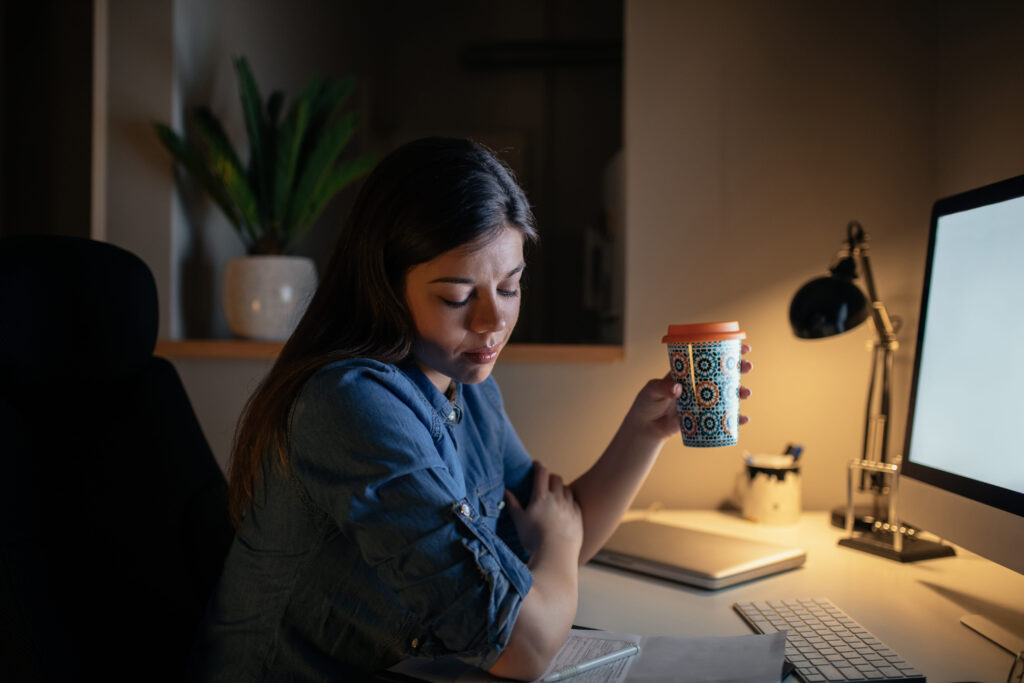
Hydration matters after dinner, but many people handle it the wrong way. Some forget to drink anything, then wake up feeling dry and sluggish. Others chug a huge glass right before bed and spend the night running to the bathroom. Both habits can disturb comfort and sleep.
The better move is sipping slowly after dinner. Keep water nearby and drink in small amounts as the evening goes on. This supports digestion without flooding your system right before bedtime. If plain water feels boring, a warm caffeine-free drink can make the habit easier.
Herbal teas such as ginger, peppermint, fennel, or chamomile can feel soothing after a meal. Just avoid caffeine late in the day, because it can keep your brain awake even when your body feels tired. Hydration should help your evening feel smoother, not turn bedtime into a bathroom schedule.
Doomscrolling Until Your Body Forgets It Is Bedtime

One of the worst after-dinner habits is grabbing your phone and disappearing into endless scrolling. You may tell yourself it is relaxing, but your brain often reads it as stimulation. Bright screens, fast videos, messages, arguments, and alarming headlines can keep your mind wired long after your stomach wants rest.
This habit can also make you ignore your body’s signals. You may miss the feeling of fullness, drink too little water, snack again out of boredom, or stay up far later than planned. Before you know it, it’s been three hours since dinner, your eyes are tired, your stomach feels strange, and sleep still will not come.
Try setting a screen boundary after dinner. You can choose a cut-off time, switch to night mode, place the phone across the room, or replace scrolling with something calmer. Reading a few pages, stretching, preparing clothes for tomorrow, or having a quiet conversation can help your body and mind slow down together.
Conclusion
Better digestion and better sleep often begin with what you stop doing after dinner. Lying down too soon, sitting still all night, staying stressed, ignoring hydration, and doomscrolling can all make your evenings feel heavier than they need to be.
The fix is simple. Stay upright, move gently, sip wisely, calm your nervous system, and protect your bedtime from screen chaos. These small habits may not look dramatic, but they can change the way your stomach feels at night and how refreshed you feel in the morning.