Bulk buying feels like a small victory at first. The cart looks full, the price per ounce looks lower, and the inner bargain hunter starts celebrating like you just beat the grocery store at its own game.
Then real life walks in. The berries grow mold, the spinach turns slimy, the giant tub of yogurt starts smelling suspicious, and that huge bag of nuts suddenly tastes like cardboard. Buying in bulk only works when the food aligns with your actual eating habits, not the fantasy version of your household that meal-preps every Sunday and never forgets what is hiding in the back of the fridge.
Some foods are simply too fragile, too oily, too fresh, or too fast-moving to buy in huge amounts. They may look cheaper on the shelf, but once spoilage, freezer burn, stale flavor, and waste come into play, the savings disappear quickly.
Fresh Berries
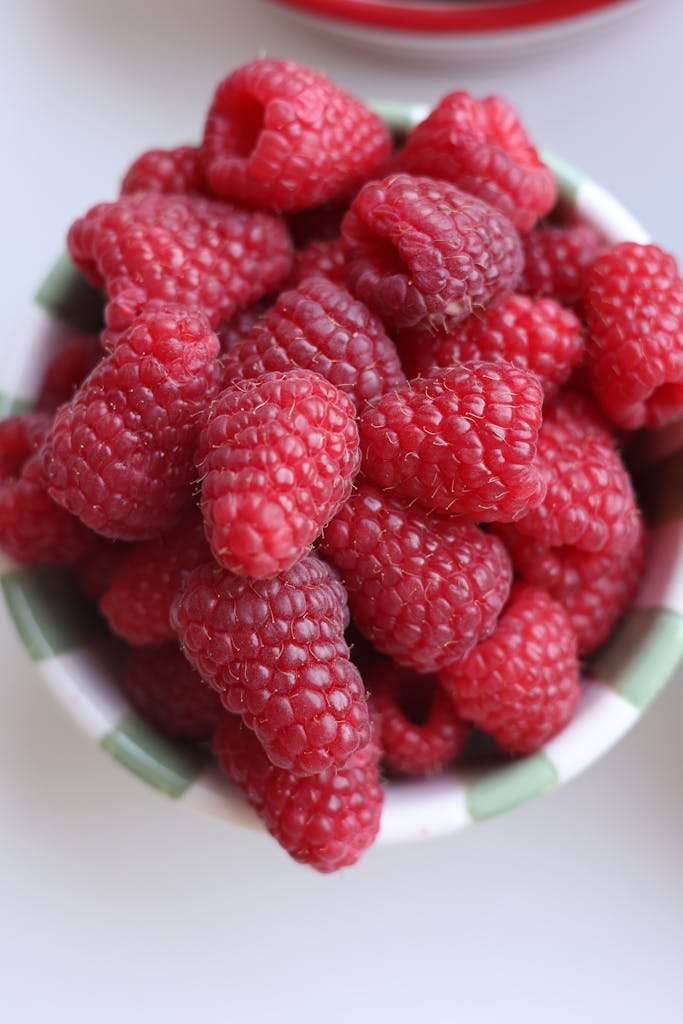
Fresh berries are one of the most tempting bulk buys because they look bright, healthy, and easy to snack on. A giant container of strawberries, blueberries, raspberries, or blackberries can feel like a smart choice, especially when the smaller package costs almost as much.
The problem is that berries are delicate little divas. Their thin skin, high moisture content, and soft texture make them prone to bruising, leaking juice, and growing mold. Once one berry starts turning fuzzy, the rest of the container can follow fast.
Bulk berries make sense only if your household eats them daily or if you plan to freeze them immediately. Otherwise, you are buying a race against time, and the berries usually win. A smaller pack may cost more per ounce, but it often saves money because you actually finish it.
Leafy Greens
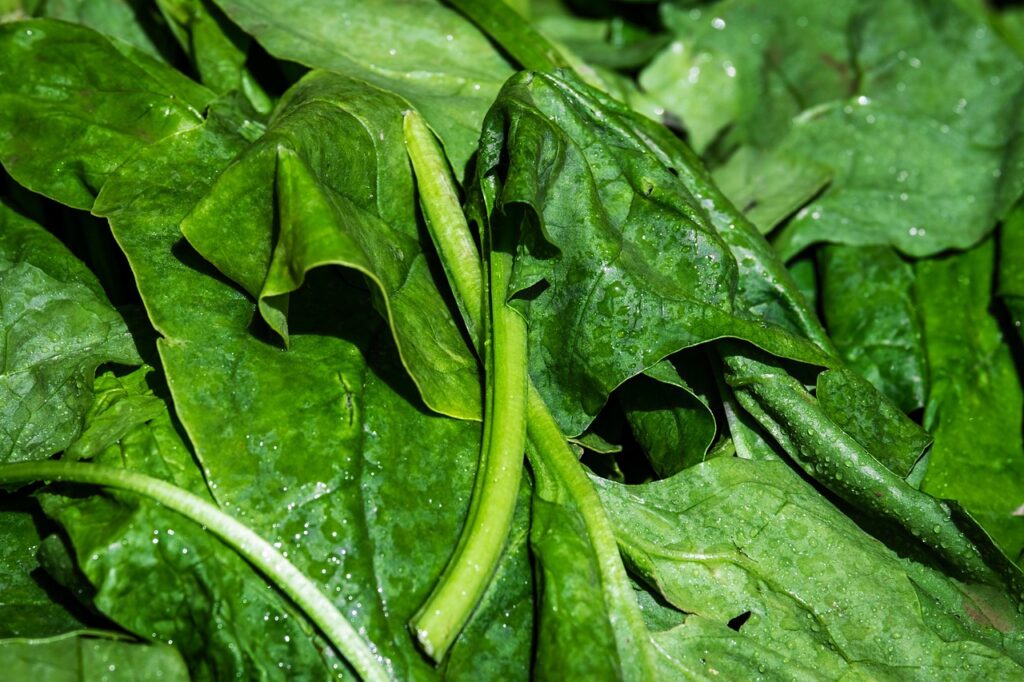
Big tubs of spinach, spring mix, kale, romaine, or arugula look like a healthy person’s dream. They also create the illusion that you are about to become the kind of person who eats salad with every meal.
Then the week gets busy. The lid opens and closes a few times, moisture builds inside the container, and those crisp leaves start collapsing into a wet, dark mess. Leafy greens spoil quickly because they are tender, water-rich, and sensitive to poor airflow.
The worst part is that spoiled greens are hard to ignore. They turn slimy, smell unpleasant, and can ruin everything else in the container. Unless you cook with greens often, blend smoothies daily, or feed several people, bulk greens can become refrigerator guilt in plastic packaging.
Fresh Herbs

Fresh herbs can make food taste brighter, cleaner, and more expensive than it really is. Basil, cilantro, parsley, dill, mint, and chives bring restaurant energy to simple meals, which is why large bunches often look so tempting.
But herbs are not built for long storage. Cilantro wilts, basil darkens, mint droops, and dill can turn limp before you even remember the recipe you bought it for. The bigger the bunch, the more pressure you have to use it fast.
Bulk herbs are especially risky because most recipes need only a small handful. That leaves the rest sitting in the fridge like a green reminder of your abandoned cooking plans. If you use herbs often, growing a small pot at home may be smarter than buying giant bunches every week.
Fresh Bread
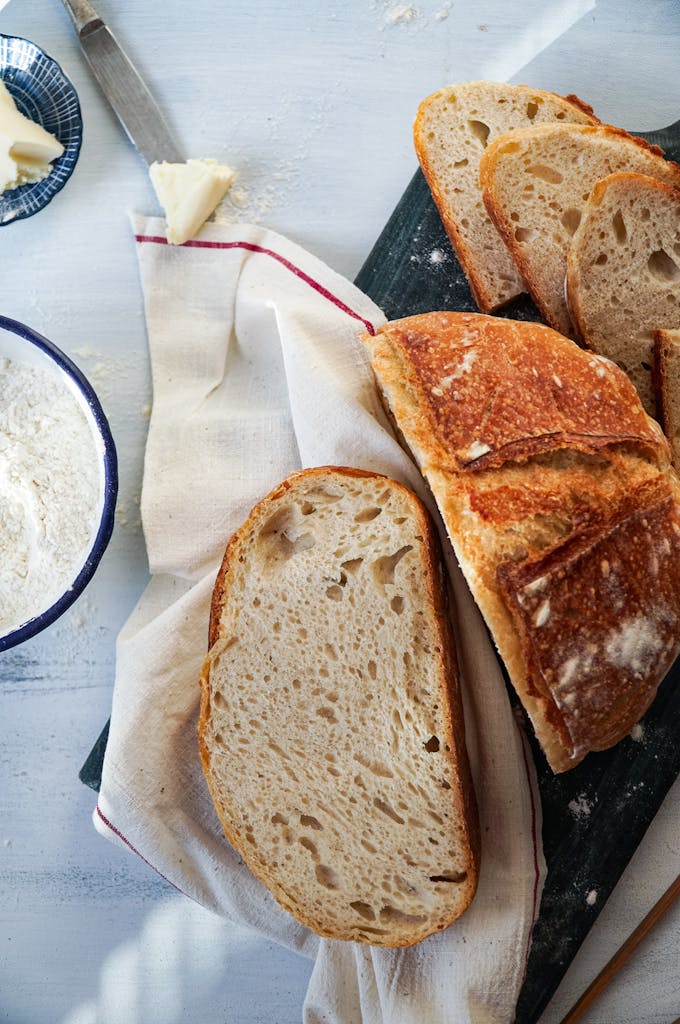
Fresh bread is dangerous in bulk because it smells like comfort and good decisions. A multi-loaf deal can feel practical, especially for families, sandwiches, breakfasts, and quick snacks.
The problem is that fresh bread has a short window between soft and stale. If it lacks heavy preservatives, it can dry out quickly, or mold can grow before you finish the package. Warm kitchens and humid weather make the problem even worse.
Freezing bread can help, but only if you portion it properly and use freezer-safe storage. Otherwise, you may end up with icy, dry slices that taste like they have been living next to frozen peas for three months. Buy fresh bread in bulk only when you have a clear plan for every loaf.
Dairy Products
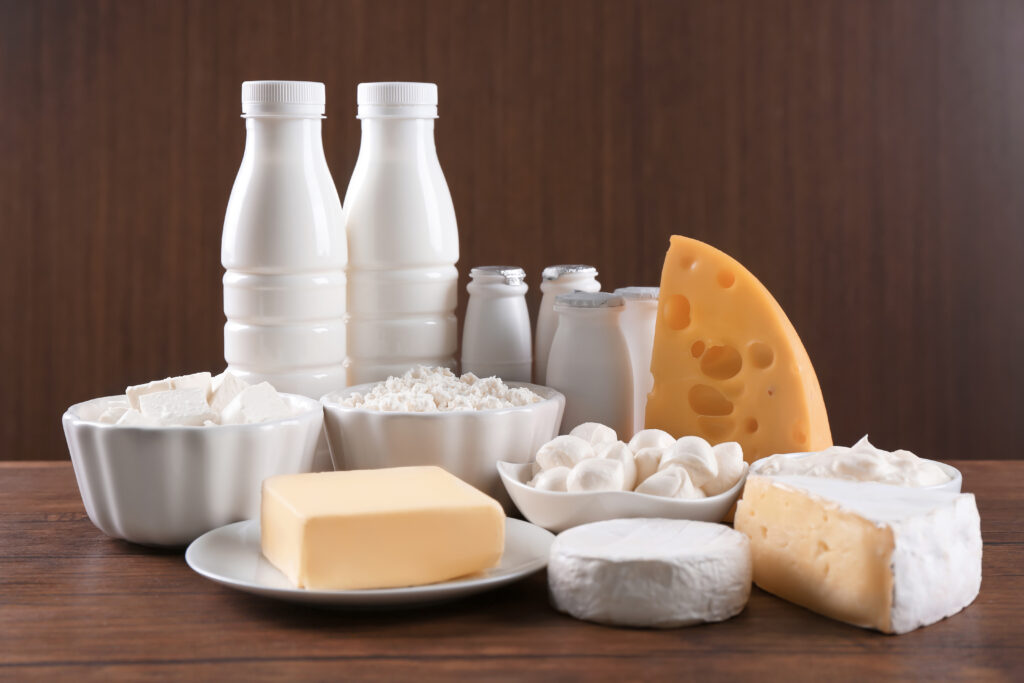
Giant tubs of yogurt, sour cream, cream cheese, cottage cheese, or ricotta can look like a bargain. They seem useful for breakfasts, dips, baking, sauces, and snacks, so the big container feels practical.
Once opened, though, dairy becomes more vulnerable. Every scoop introduces air, moisture, and the possibility of contamination from utensils. A large tub also spends more time being opened and closed, which can speed up quality loss.
This is where bulk buying becomes sneaky. You may save money at checkout, then throw away half the container because it smells sour, separates badly, or grows mold. Unless dairy is part of your daily routine, smaller containers are often the cleaner, safer, and more realistic choice.
Nuts and Seeds
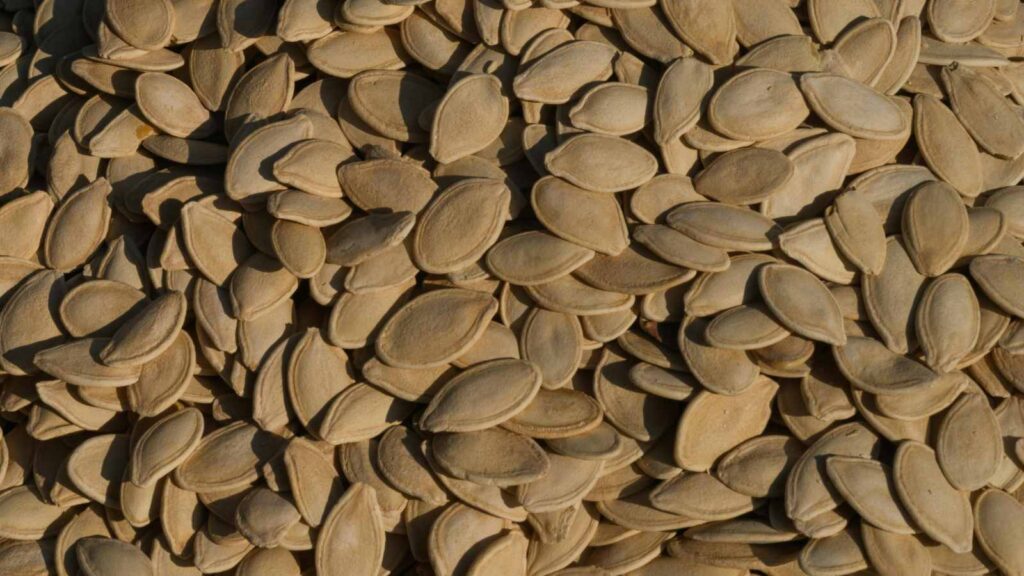
Nuts and seeds look like perfect pantry foods because they seem sturdy. Almonds, walnuts, pecans, cashews, chia seeds, flaxseeds, sunflower seeds, and pumpkin seeds all seem to last forever in a sealed bag.
They do not. Their natural oils can turn rancid over time, especially when stored in warm pantries or exposed to air. Once that happens, the flavor becomes bitter, stale, or oddly sharp.
Bulk nuts and seeds are best for heavy snackers, large families, or people who bake often. For everyone else, smaller packages make more sense. If you insist on buying large bags, store them in airtight containers and keep extra portions refrigerated or frozen to preserve flavor.
Cooking Oils
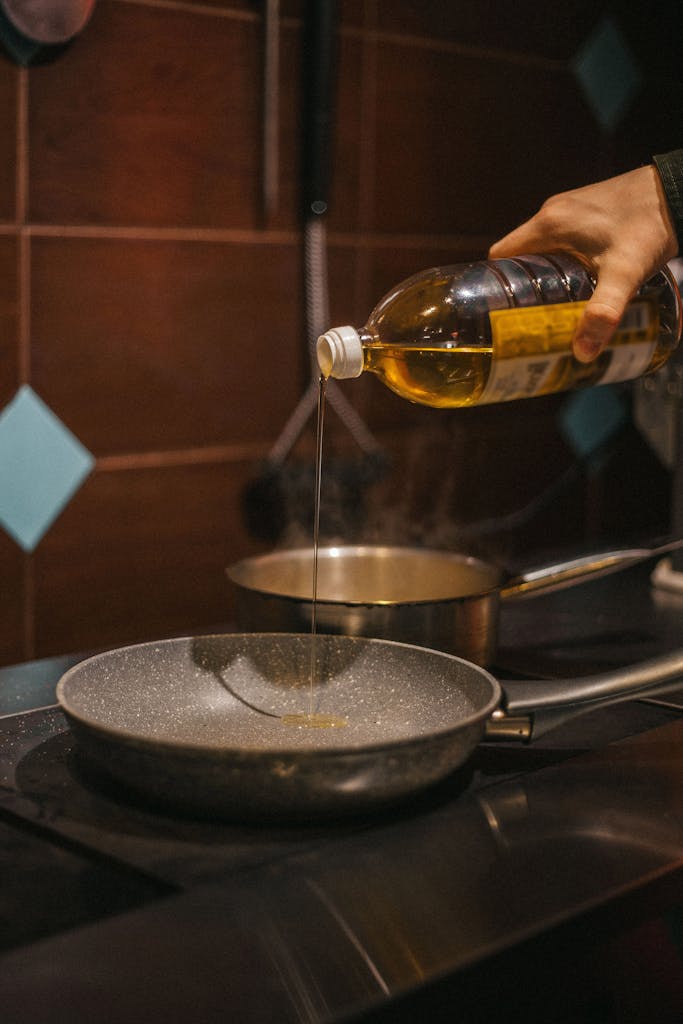
Cooking oil is one of those bulk buys that looks smart until you realize how slowly you actually use it. A giant jug of olive oil, avocado oil, sesame oil, walnut oil, or specialty cooking oil can sit on the counter for months.
The issue is oxidation. Once oil is opened and exposed to air, heat, and light, it can slowly degrade and develop an unpleasant smell or a bitter taste. Delicate oils and nut oils are especially sensitive.
A large bottle is only a deal if you use it quickly. Otherwise, you may be cooking with tired oil that makes food taste dull before you notice what went wrong. Smaller bottles stored in a cool, dark place usually give better flavor and less waste.
Ground Spices
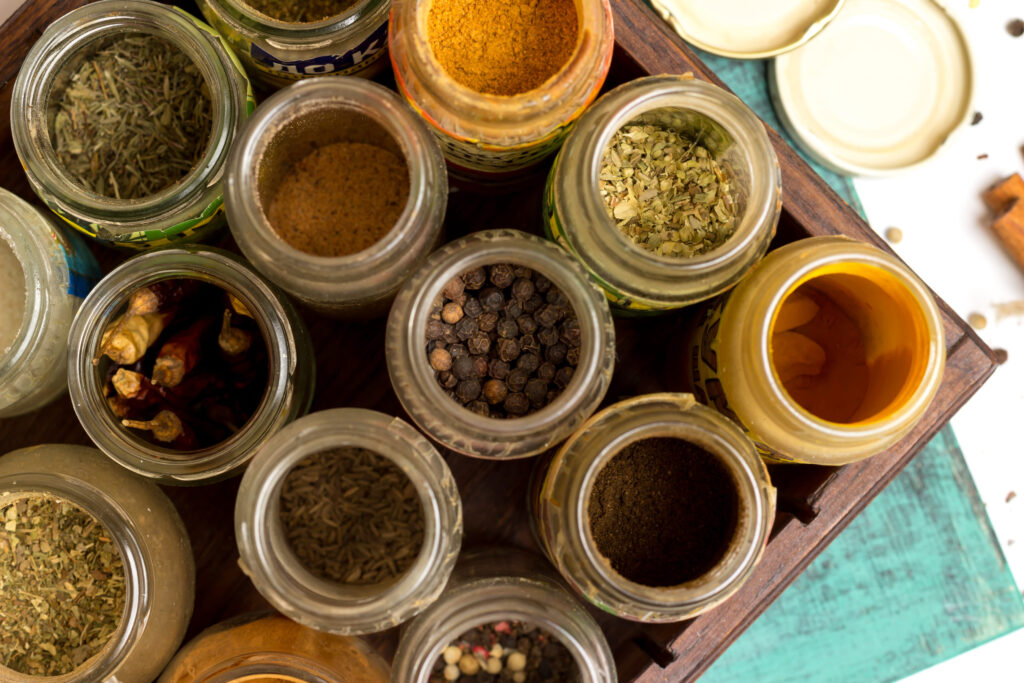
Huge containers of ground spices make sense in a restaurant kitchen. They make much less sense in a normal home where cinnamon, cumin, paprika, turmeric, garlic powder, or chili powder may sit quietly for months.
Ground spices do not usually spoil in a dramatic way. They fade. The aroma weakens, the flavor flattens, and suddenly your food tastes like it is missing something, even when you followed the recipe perfectly.
Bulk spices are especially wasteful when they are used only for occasional dishes. A small jar that stays fragrant is better than a large container that tastes like dusty memory by the time you reach the halfway point. Whole spices are often a stronger choice because they hold flavor longer and can be ground when needed.
Condiments You Rarely Use
Warehouse-sized ketchup, mustard, mayonnaise, barbecue sauce, salad dressing, hot sauce, relish, or specialty sauces can feel like a smart pantry move. The price per ounce can look unbeatable.
But condiments are only worth buying in bulk when your household truly uses them often. A family that eats sandwiches every day may finish a large bottle of mustard. Someone who only uses it for an occasional recipe probably will not.
The biggest trap is specialty condiments. That giant bottle of teriyaki glaze, chipotle mayo, mango chutney, or fancy dressing may feel exciting in the store, but it will sit in the fridge door until it becomes suspicious. Buy big only when the condiment is a real regular, not a one-recipe crush.
Specialty Flours
Specialty flours have become popular for gluten-free baking, keto recipes, high-protein snacks, and homemade treats. Almond flour, coconut flour, whole wheat flour, oat flour, and other alternatives can look economical in large bags.
The catch is that many of these flours contain more natural oils than plain white flour. That makes them more likely to turn stale or rancid if they sit too long, especially in warm storage. They can also attract pantry pests if not sealed carefully.
Bulk specialty flour only makes sense if you bake regularly and know you will use it fast. Casual bakers should buy smaller bags and store them well. Fresh flour gives better texture, better flavor, and fewer unpleasant surprises when you finally decide to bake.
Conclusion
Bulk buying is not automatically smart. It is only smart when the food matches your household size, cooking habits, storage space, and real appetite. A lower price per ounce means nothing if half the package ends up in the trash.
The best grocery savings come from honesty. If you eat berries every day, buy the big container and enjoy it. If you use basil once a month, skip the giant bundle. If your family flies through yogurt, the tub may work. If it sits untouched after two breakfasts, smaller is better.
A smart shopper does not just ask, “Is this cheaper?” A smart shopper asks, “Will I actually finish this before it loses quality?” That one question can save your food budget from a lot of quiet, moldy, stale, refrigerator-based