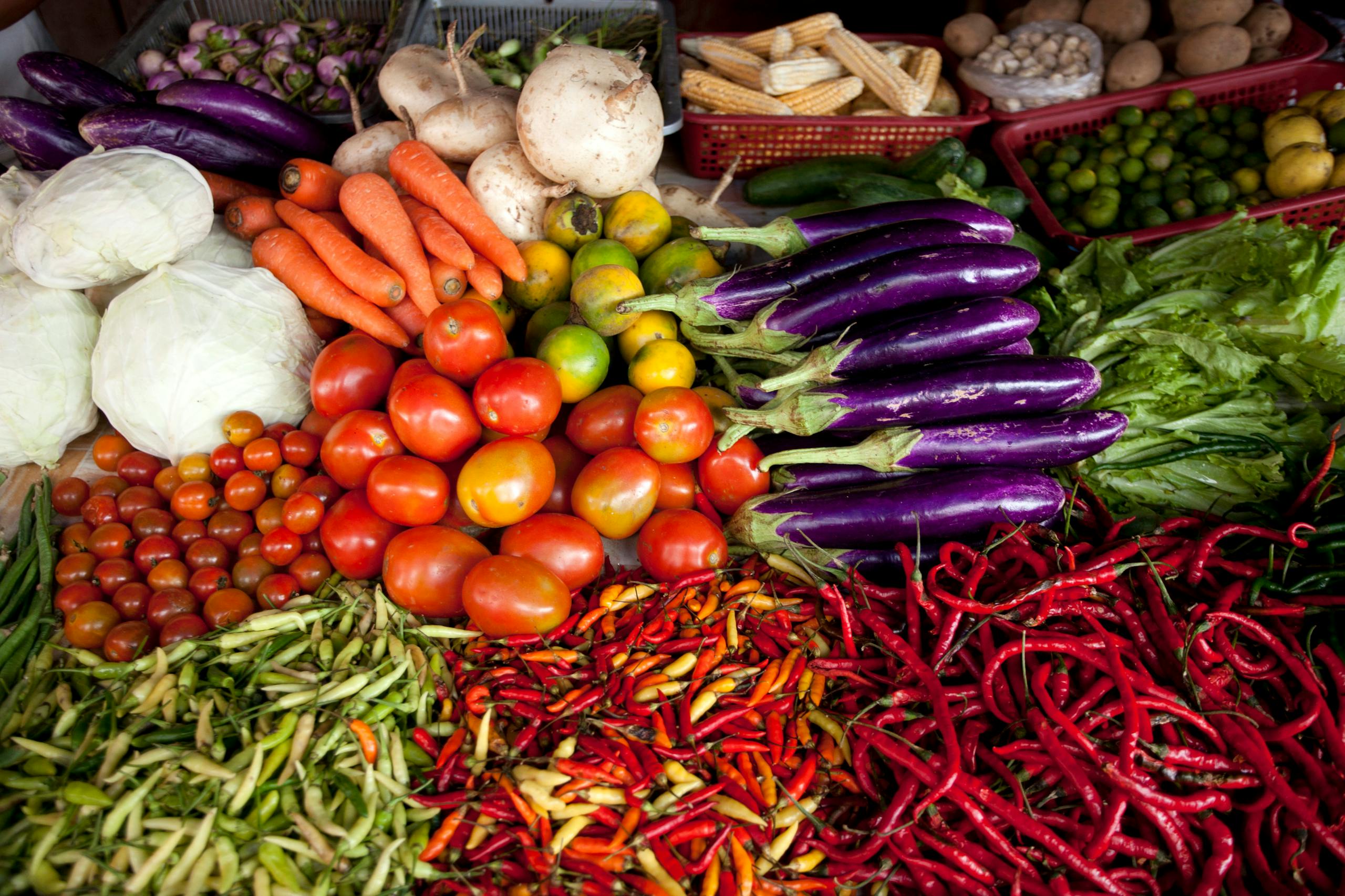
Food names often evoke vivid images of the regions they’re associated with. We imagine the culture, history, and tradition of those places, often without realizing the truth behind the names. Many beloved dishes have been misnamed or mistakenly linked to the wrong locations. Let’s dive into the fascinating world of misnamed foods that aren’t from the places you might think.
Salisbury Steak
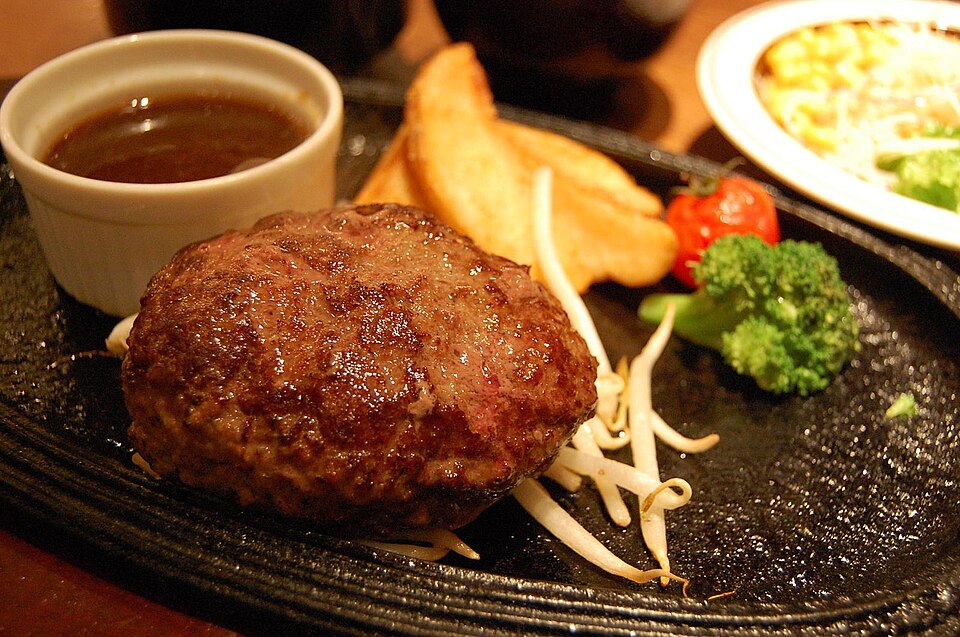
Salisbury steak is a processed meat dish named after Dr. James Salisbury, an American physician, not the British town of Salisbury. Dr. Salisbury advocated a high-protein meat-centered diet, especially for soldiers suffering from digestive issues during the Civil War. Though the name evokes an English town, Salisbury steak’s true roots are in American food history, often appearing in TV dinners and frozen meals.
Mongolian Barbecue: A Taiwanese Invention
Mongolian barbecue, a cooking style involving stir-fried meat and vegetables on a flat grill, has no true connection to Mongolia. The method was created by Taiwanese chef Nam Yip in the 1950s. Yip’s creation, using Chinese stir-fry techniques on a large grill, was marketed as a Mongolian tradition to make it sound more exotic. The name was a strategic move, but Mongolian barbecue actually has roots in Chinese and Taiwanese cuisine.
London Broil
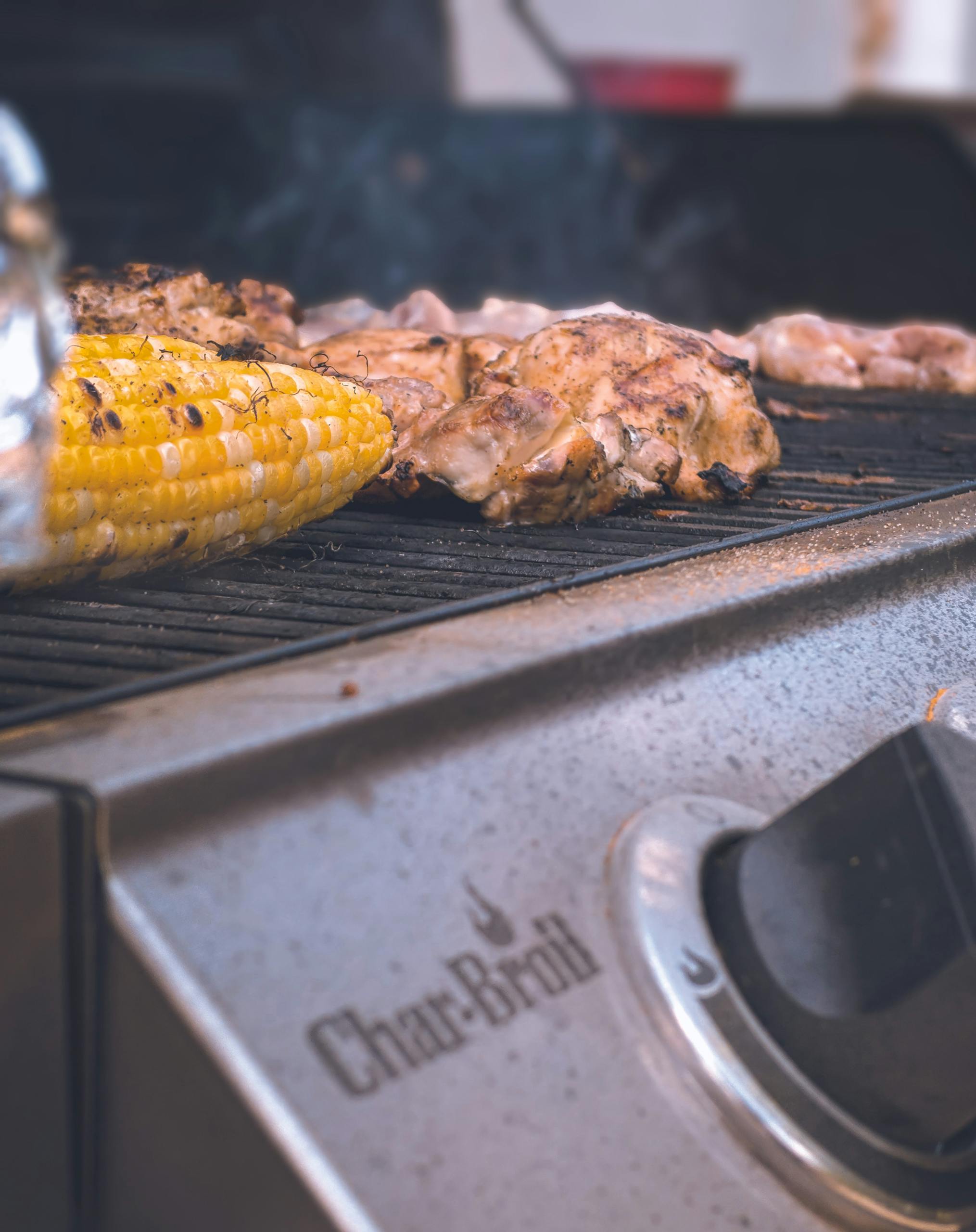
Though its name suggests British origins, London broil is entirely an American creation. The term was coined in the 1930s to make a simple marinated steak sound more exotic. The dish involves broiling a tough cut of beef, then thinly slicing it, which is far from the classic British culinary tradition. The name “London broil” was a marketing gimmick to make the dish seem more sophisticated than it truly was.
Turkey
The name “turkey” for the bird we associate with Thanksgiving is based on a historical misunderstanding. When European traders encountered this bird in North America, they mistakenly believed it came from Turkey because trade routes through the Ottoman Empire connected the two regions. As a result, the name stuck, even though turkeys are native to North America and the bird’s true origins have little to do with Turkey.
French Fries
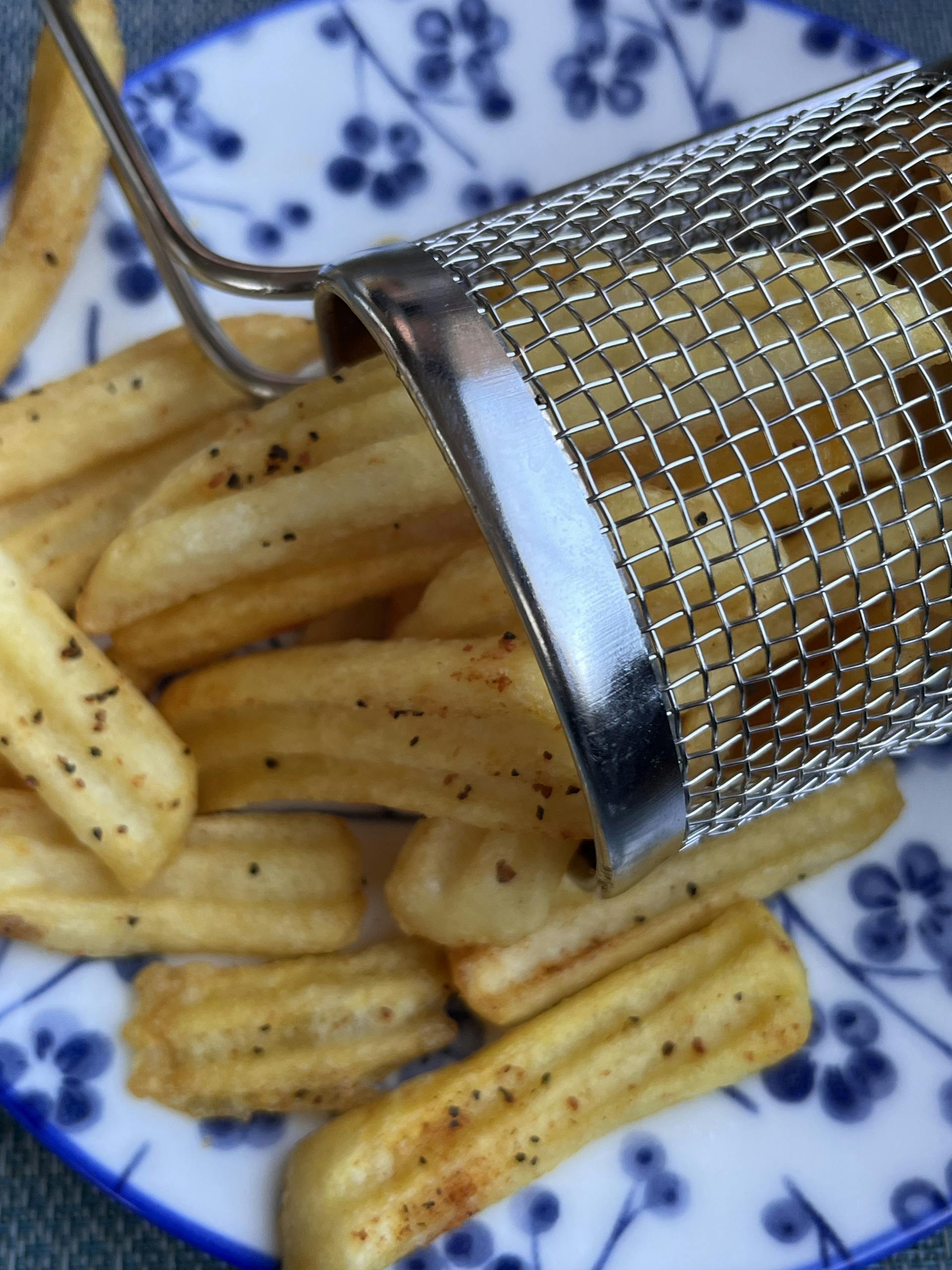
French fries, often associated with French cuisine, actually originated in Belgium. The dish dates back to the late 1600s, when Belgian villagers began frying potatoes after the river froze, when they could no longer fish. The name “French fries” originated during World War II, when American soldiers stationed in Belgium mistakenly called the fried potatoes “French fries” because French was spoken in the southern region of Belgium. Despite their Belgian roots, the name stuck, especially in the United States.
Russian Dressing
Russian dressing, known for its tangy flavor and spicy kick, was actually invented in the United States, not Russia. The dressing became popular in the early 20th century, with some sources crediting New Hampshire native James E. Colburn for creating it. The name “Russian dressing” likely originated from the inclusion of caviar, once considered a Russian delicacy, in early versions of the recipe. However, the dressing is an American invention, with no actual ties to Russian cuisine.
Danish Pastry
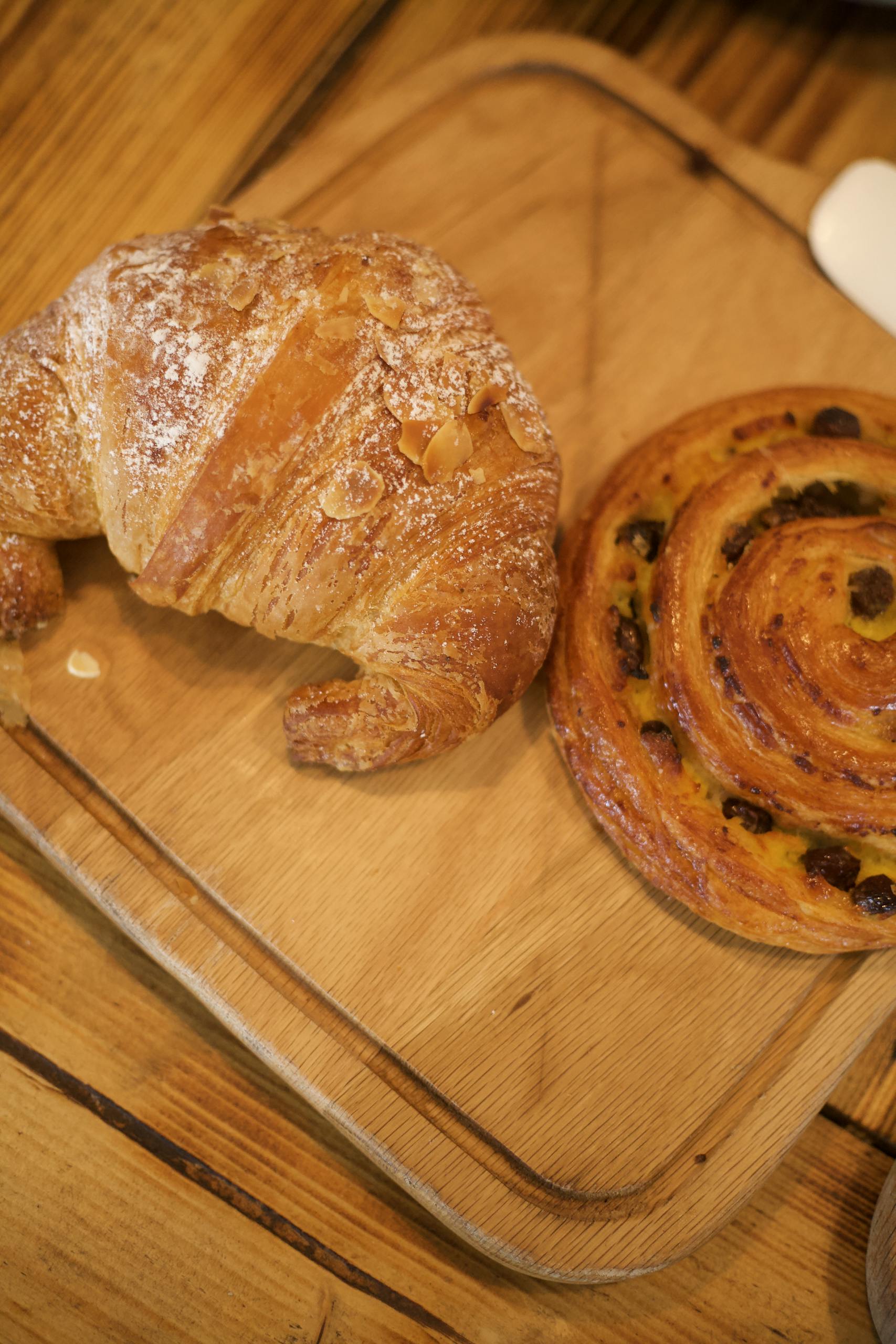
Danish pastries, with their delicate layers and sweet fillings, actually originated in Austria. In the 1850s, Danish bakers learned pastry-making techniques from their Austrian counterparts. The pastries, originally called “wienerbrød,” became a Danish favorite, and as they spread globally, they were referred to as Danish pastries. Despite being closely associated with Denmark, the pastries’ origins trace back to Austrian baking traditions.
Singapore Noodles
Despite its name, Singapore noodles don’t hail from Singapore. This dish, which consists of stir-fried noodles with curry powder, was created in Hong Kong in the 1950s. It was influenced by both Indian and Chinese cooking styles, resulting in a vibrant and flavorful dish. The name “Singapore” was used simply because the dish’s mix of spices reminded people of Singapore’s multicultural cuisine, though it’s not a common dish in Singapore itself.
Hawaiian Pizza
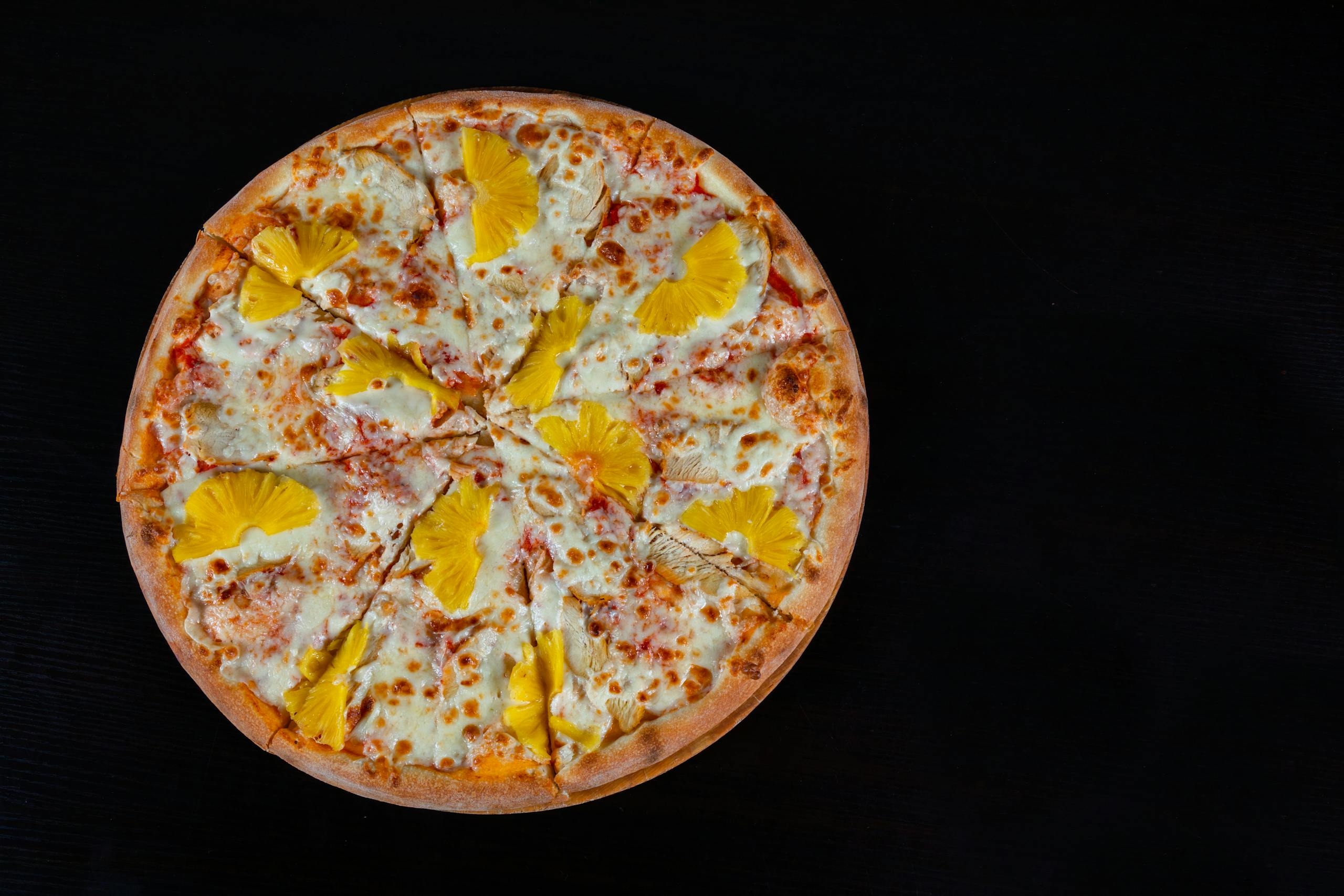
Hawaiian pizza, with its combination of pineapple and ham, is often associated with the tropical paradise of Hawaii. However, this pizza was actually invented in 1962 by Greek immigrant Sam Panopoulos in Ontario, Canada. Panopoulos added pineapple to the pizza as an experiment, using a can of “Hawaiian”- branded pineapple. The name stuck because of its association with the island lifestyle, which became popular in North America after Hawaii became a state.
Conclusion
The next time you dig into one of these beloved dishes, remember that their names may not reflect their true origins. From Canadian Hawaiian pizza to Belgian French fries, these misnamed dishes reveal how food can travel and evolve across cultures, often taking on new identities in the process. Understanding the true history of these dishes adds depth and appreciation for the complex journey each food has made.
Read the original article in Hydro Garden Geek.