The end of your day shouldn’t include a digestive battle or a restless night. Yet thousands of people unknowingly sabotage their sleep, digestion, and metabolism by eating the wrong foods right before bed.
Some foods trigger acid reflux. Others spike your blood sugar. A few pack on excess fat or salt, which keeps your body busy when it should be winding down. What you eat after sunset matters not just for sleep, but for energy, weight control, mood, and morning clarity.
Below, we break down the foods that are best never eaten at night and provide smart, satisfying alternatives that actually help you sleep better.
Spicy Foods That Ignite Your Digestive Tract

Spice lovers, this one hurts. Chili peppers, curry, hot wings, spicy sauces, and jalapeño‑heavy dishes may fire up your taste buds, but they also fire up your stomach.
- Why it’s bad: Spicy foods relax the lower esophageal sphincter, making it easier for stomach acid to rise into the esophagus.
- Effect at night: Heartburn, burning sensation, and restless sleep.
- Better option: a soothing bowl of oatmeal with cinnamon or a cup of herbal tea, such as chamomile.
High‑Fat Foods That Slow Digestion
Fried chicken, creamy pastas, burgers, and heavy sauces put your digestive system into overdrive.
- Why it’s bad: Fats take longer to digest than proteins or carbs, keeping your gut active when your body should be resting.
- Effect at night: Bloating, discomfort, and interrupted sleep cycles.
- Better option: lean turkey slices or a baked sweet potato sprinkled with herbs.
Citrus Fruits With Acidic Punch
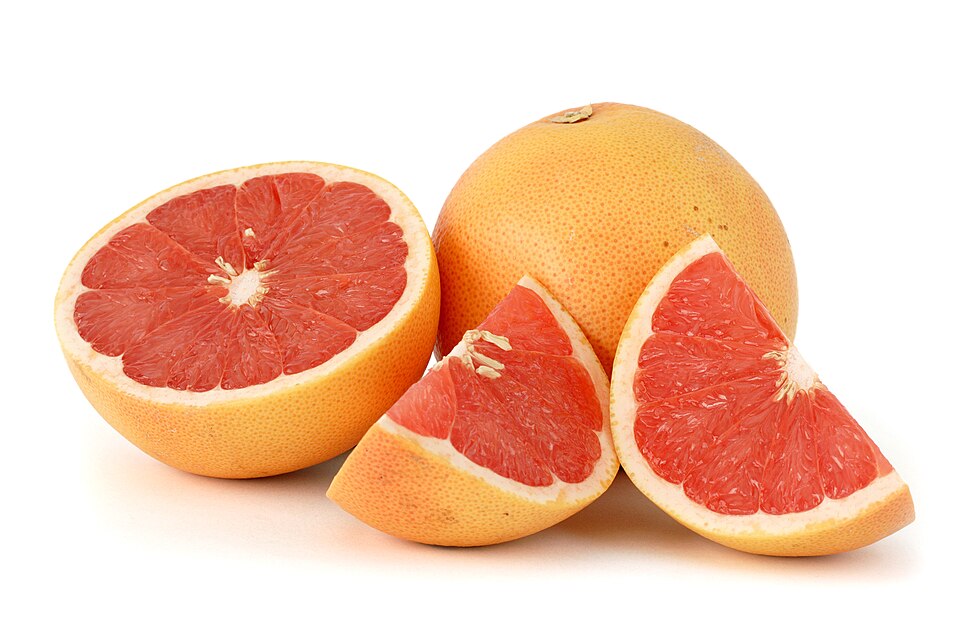
Oranges, grapefruits, lemons, and their juices are healthy, but not at night.
- Why it’s bad: High acidity can irritate the stomach and trigger reflux, especially when lying down soon after eating.
- Effect at night: Burning, burping, and waking up frequently.
- Better option: Bananas or kiwi, which are lower in acid and easier on the digestive tract.
Sugary Desserts That Spike Blood Sugar
Cookies, ice cream, cake, and candy are classic evening temptations, but the sugar rush they create has consequences.
- Why it’s bad: Sugar triggers a rapid rise in blood glucose, followed by a crash that can jolt you awake hours later.
- Effect at night: Disrupted sleep architecture and poor REM cycles.
- Better option: Greek yogurt with a drizzle of honey or a handful of almonds.
Chocolate, yes, Even Dark Chocolate

We all want something sweet to end the day, but chocolate hides a double punch.
- Why it’s bad: It contains caffeine and theobromine, both of which stimulate the nervous system.
- Effect at night: Increased alertness, difficulty falling asleep, and light, fragmented rest.
- Better option: A warm mug of warm milk or golden milk (turmeric latte).
Tomatoes and Tomato‑Based Sauces

Marinara, salsa, pizza sauce, and ketchup all contain high levels of acid.
- Why it’s bad:Acidic foods increase the risk of reflux and heartburn when the body is horizontal.
- Effect at night: Chest discomfort, nighttime coughing, and sore throat.
- Better option: Roasted vegetables or a small portion of mild cheese with whole‑grain crackers.
Caffeinated Beverages and Foods
Coffee, caffeinated teas, cola, energy drinks, and even some flavored waters can keep you wired.
- Why it’s bad: Caffeine blocks adenosine, a chemical that naturally signals your brain it’s time to sleep.
- Effect at night: Longer time to fall asleep, lighter sleep, and waking up tired.
- Better option: Decaf herbal tea, peppermint, or lemon balm are ideal.
Alcohol That Disrupts Sleep Cycles
A glass of wine before bed may feel relaxing, but alcohol is notorious for ruining the quality of your sleep.
- Why it’s bad: Though it may help you fall asleep quickly, alcohol suppresses REM sleep, fragments the rest cycle, and increases nighttime urination.
- Effect at night: Waking up groggy, restless, and less refreshed.
- Better option: Sparkling water with a splash of fruit juice or a calming tea.
Salty Snacks That Dehydrate and Inflate
Chips, pretzels, salted nuts, and snack mixes taste great when you’re winding down, but salt can lead to dehydration and inflammation.
- Why it’s bad: Salt pulls water into your bloodstream and tissues, leaving you thirsty and puffy in the morning.
- Effect at night: Frequent trips to the bathroom, grogginess, and swollen eyelids.
- Better option: Unsalted popcorn or sliced cucumbers with a light sprinkle of lemon and pepper.
Processed Meats High in Sodium and Nitrates
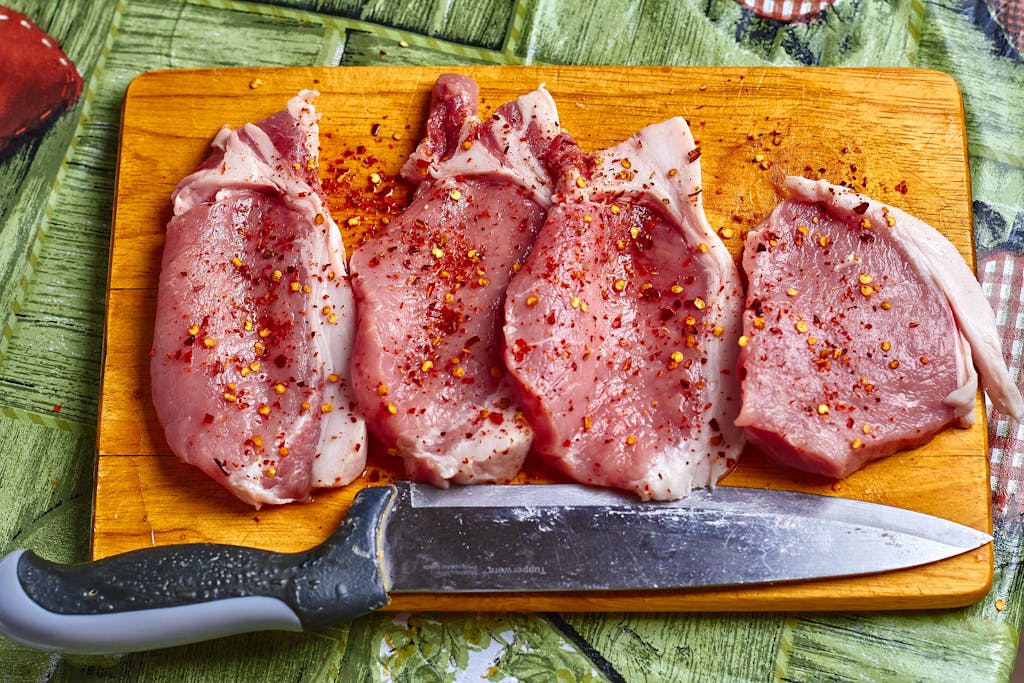
Bacon, hot dogs, jerky, deli meats, and sausage may be convenient, but their salt and preservative loads are high.
- Why it’s bad: High sodium delays hydration balance and can raise blood pressure temporarily.
- Effect at night: Thirst, wakefulness, and more intense dreams.
- Better option: Grilled chicken breast or steamed fish with herbs.
Ice Cream and Other Cold, Sugary Addictions
Ice cream feels soothing, but that cold shock and sugar hit is a night-sleeper’s sabotage.
- Why it’s bad: Cold temperatures may slightly slow digestion. Added sugars disrupt blood sugar balance and stimulate the brain.
- Effect at night: Restless sleep, waking up hungry later, and potential weight gain.
- Better option: A small bowl of cottage cheese with sliced fruit or a smoothie made with banana and almond milk.