Here are 10 household habits that could be wasting your money—quietly, consistently, and sometimes with a smug little grin while they do it.
Leaving lights and electronics “on standby” all day

That tiny red light on your TV, decoder, microwave, or gaming console looks harmless—until it starts stacking up across the house.
Standby power keeps devices ready to “wake up,” which means they keep sipping electricity even when nobody is using them. Multiply that by multiple gadgets, every day, and you’ve basically hired a part-time worker called “Phantom Bills.” A power strip you can switch off is a simple way to stop the leak.
Running half-loads in the washing machine
If your laundry routine is “wash whatever is there,” your electricity and water bills are quietly paying the price.
Washing machines and dryers cost real money to run, so doing small loads too often is like paying a delivery fee for a single item every time. Fill the machine properly (without overstuffing), and you get more value from every cycle. Bonus: your clothes also last longer when they aren’t being constantly churned.
Overusing the kettle and boiling more water than you need
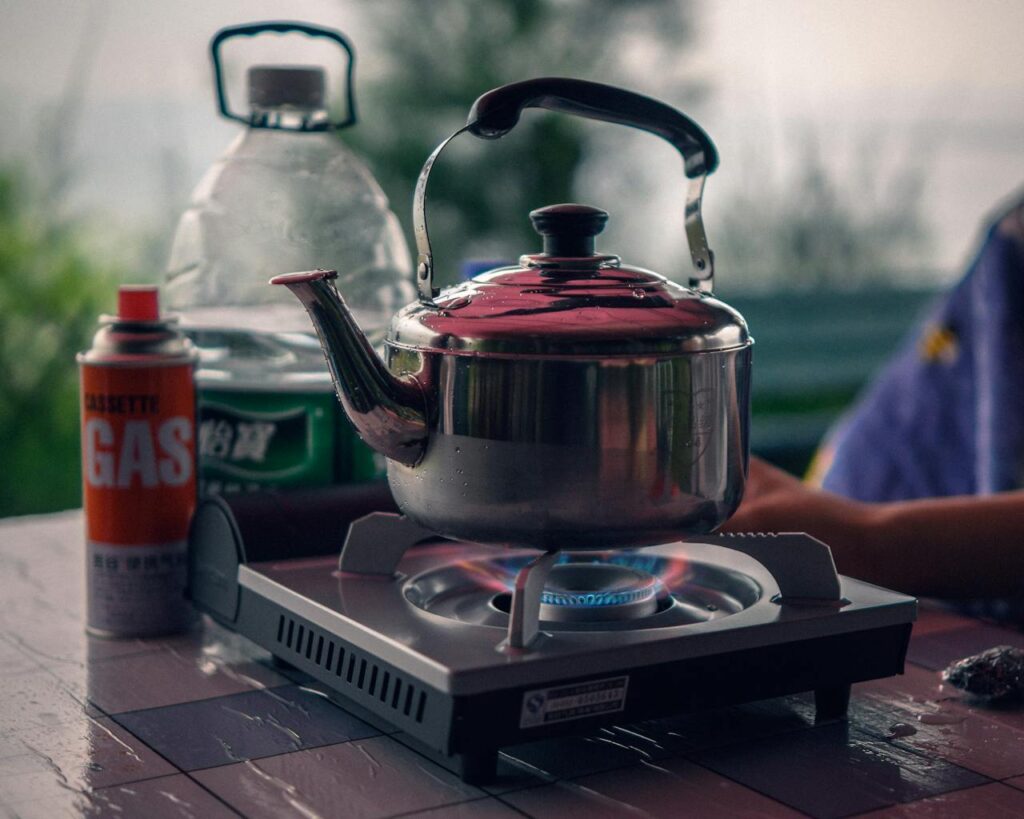
This one is sneaky because it feels normal. But if you boil a full kettle for one cup of tea, you’re paying to heat extra water you didn’t even drink.
It’s the same logic as cooking a full pot of rice for one plate—then letting the rest die slowly in the fridge. Measure what you need, boil that amount, and keep your bill from doing unnecessary gymnastics.
Letting small leaks become “background noise.”
A dripping tap isn’t just annoying—it’s an ongoing subscription you never asked for. Water leaks can waste a shocking amount over time, especially if the toilet is running or the kitchen tap drips steadily.
Many people ignore it because it’s “not urgent,” but your bill treats it like a VIP expense. Fixing a washer or valve early often costs far less than months of wasted water.
Cooking without lids and reheating food repeatedly

Cooking with uncovered pots makes heat escape fast, so your stove works harder and longer to get the job done. That extra cooking time is money you can’t see, which is why it’s so easy to ignore.
Then there’s the reheating habit—warming food, forgetting it, warming again, and repeating until it finally gets eaten. Use lids, plan portions, and reheat what you’ll actually finish.
Buying “backup” groceries that quietly expire
The fridge can become a museum of good intentions: extra yogurt, extra tomatoes, extra sauces, and that one mysterious container nobody wants to claim. Overbuying usually comes from fear—fear of running out, fear of not being prepared, fear of cooking later.
Then the food spoils, and you end up throwing away money with a sad little shrug. A simple weekly plan and a quick fridge check before shopping saves more than you think.
Keeping the fridge or freezer on the wrong settings
If your fridge is too cold, it uses more energy and can even damage produce more quickly. If it’s not cold enough, food spoils sooner—another way money disappears without permission.
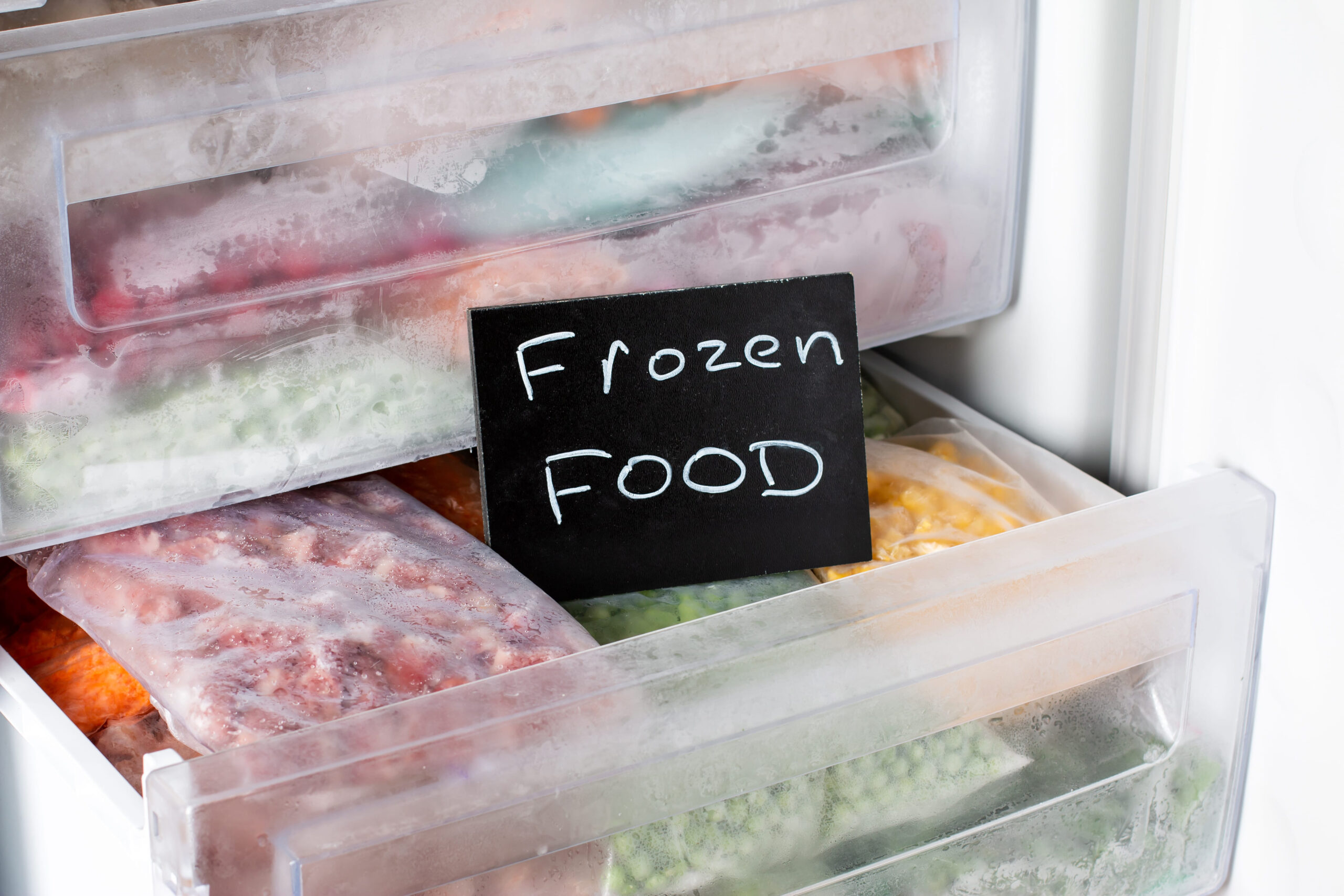
The freezer matters too: ice build-up and poor sealing force it to work overtime like it’s training for a marathon. Check door seals, avoid overloading airflow, and keep temperatures sensible so the appliance doesn’t fight itself.
Ignoring “small” repairs until they become expensive ones
A loose cabinet hinge, a small crack, a noisy appliance, a wobbly chair—these aren’t dramatic problems, so they get postponed. But postponed problems don’t retire; they grow up and come back with invoices.
A tiny repair today often prevents replacement tomorrow. The habit of “I’ll handle it later” can be one of the most expensive household routines.
Using too much detergent, soap, or cleaning products
More product doesn’t mean more clean—it often means more residue, more rinsing, and sometimes even damaged fabrics. Excess detergent can make clothes feel stiff and cause washing machines to build up gunk, which shortens their lifespan.
Same thing with cleaning sprays: if you’re drowning the countertops in product, you’re literally spraying money into the air. Follow the label amounts and let the product do its job instead of auditioning for a foam commercial.
Staying subscribed to services you barely use
This is the modern household budget assassin. Streaming platforms, music apps, delivery memberships, cloud storage, “premium” anything—small monthly charges feel harmless until you total them up.
Many people keep subscriptions because canceling feels like effort, and effort feels like pain. Do a quick monthly audit, cancel what you don’t use, and watch your budget start breathing again.