A beautiful garden should not feel like a thirsty monster sitting outside your house. Yet many homeowners waste gallons of water without realizing it, especially during hot months when plants, soil, and lawns dry out faster. The problem is not always that people water too little. Sometimes they water the wrong way, at the wrong time, or with poor gardening habits that let moisture evaporate before roots can use it.
The good news is that conserving water in your garden does not mean watching your flowers wilt or giving up on a lush yard. It means working smarter with soil, mulch, plant choices, and watering systems. Professional gardeners often focus less on “more water” and more on “better water.” These seven mistakes can quietly drain your garden dry, but fixing them can help your plants grow stronger with less waste.
Skipping Mulch Around Plants
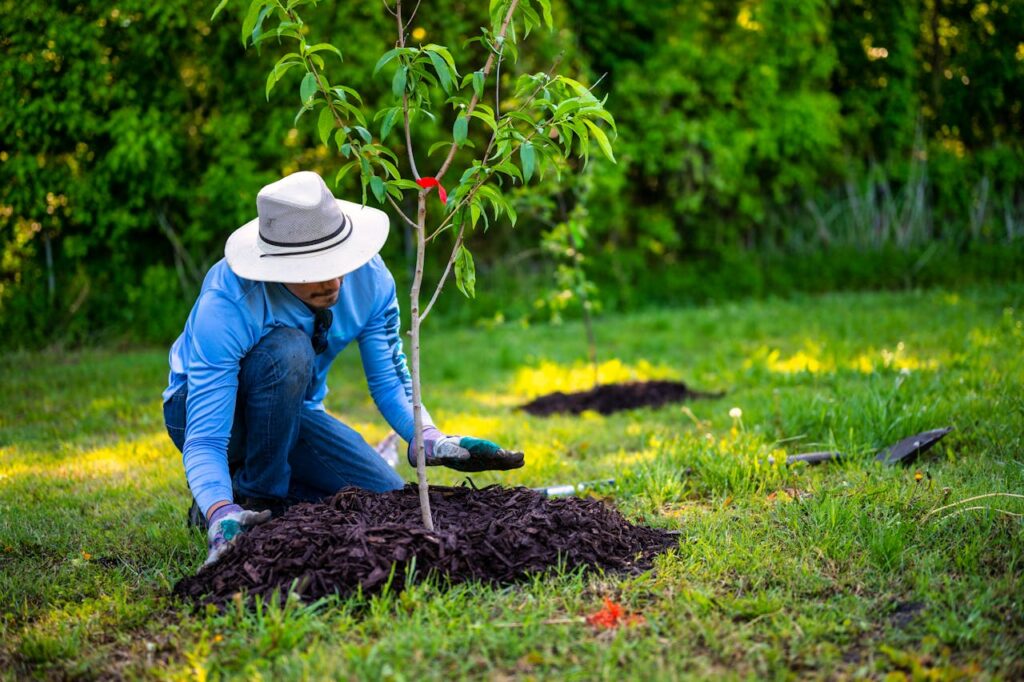
Bare soil is one of the fastest ways to lose moisture in a garden. When sunlight hits exposed soil, water evaporates quickly, leaving roots thirsty even after a recent watering. That means you may keep reaching for the hose, even though the real problem is that your garden has no protection.
Mulch acts like a blanket over the soil. It helps keep the ground cooler, slows evaporation, and reduces weed growth. Organic mulch, such as shredded leaves, straw, bark, grass clippings, or wood chips, can also improve the soil as it breaks down. A simple layer around flowers, vegetables, shrubs, and young trees can make watering more effective and reduce how often your garden needs a drink.
Using Sprinklers for Everything
Sprinklers look convenient, but they can waste a lot of water. Much of the spray lands on leaves, sidewalks, patios, fences, and open areas rather than reaching plant roots. Wind can also blow the water away from the area that needs it most. On hot days, part of that water may evaporate before it even soaks into the soil.
A drip irrigation system or soaker hose is often a better choice for garden beds. These systems deliver water slowly and directly to the root zone, where plants can actually use it. They also reduce runoff and help keep leaves dry, which can lower the chance of some plant diseases. For vegetables, herbs, shrubs, and flower beds, targeted watering usually beats spraying water everywhere.
Watering in the Heat of the Day
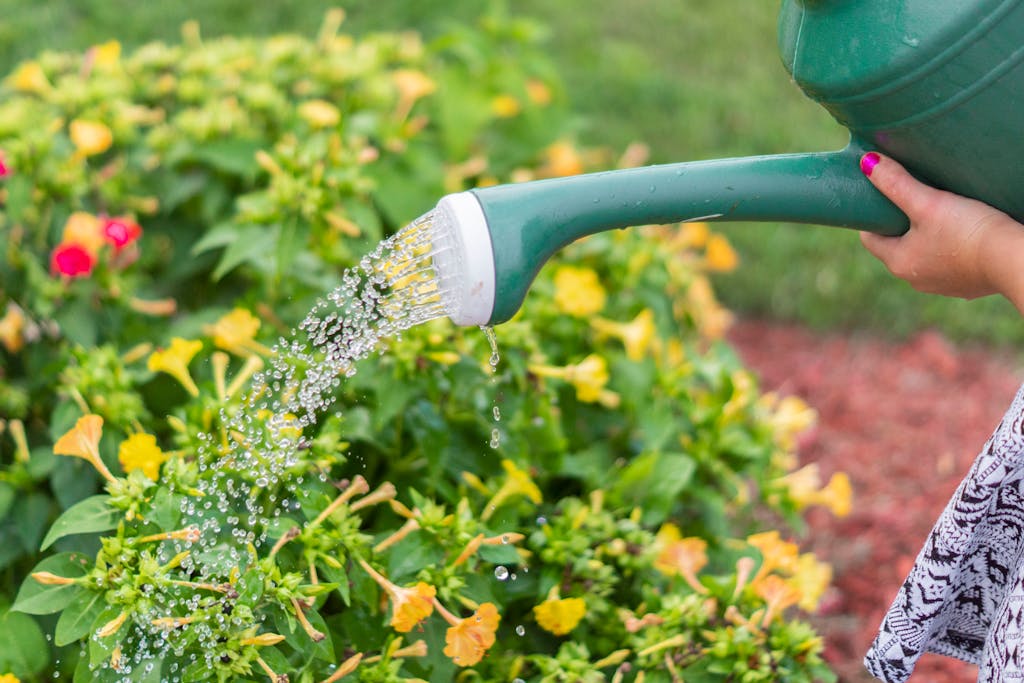
Watering at noon may feel helpful, especially when plants look tired under strong sun. The problem is that midday heat speeds up water evaporation. Instead of soaking deeply into the soil, much of the moisture can disappear from the surface. Plants may still look stressed later, which makes you water again and waste even more.
Early morning is usually the best time to water a garden. The air is cooler, the sun is weaker, and the soil has more time to absorb moisture before the day heats up. Morning watering also gives plant leaves time to dry, which is better than leaving them damp overnight. If your garden struggles during summer, shifting your watering schedule can make a major difference.
Forgetting to Use a Timer
Leaving a hose or irrigation system running too long is an easy mistake. You step inside for a minute, answer a message, start another chore, and suddenly the garden has been soaking for far longer than planned. Too much water can be just as harmful as too little because it can drown roots, wash nutrients away, and create soggy soil.
A simple timer helps prevent overwatering. You can attach one to a hose, soaker hose, or drip system and set it to run for a fixed period. Smart timers go further by adjusting watering based on weather and soil conditions. Even a basic timer can help you conserve water, protect your plants, and avoid that sinking feeling when you realize the hose has been running for an hour.
Planting Thirsty Plants in the Wrong Place
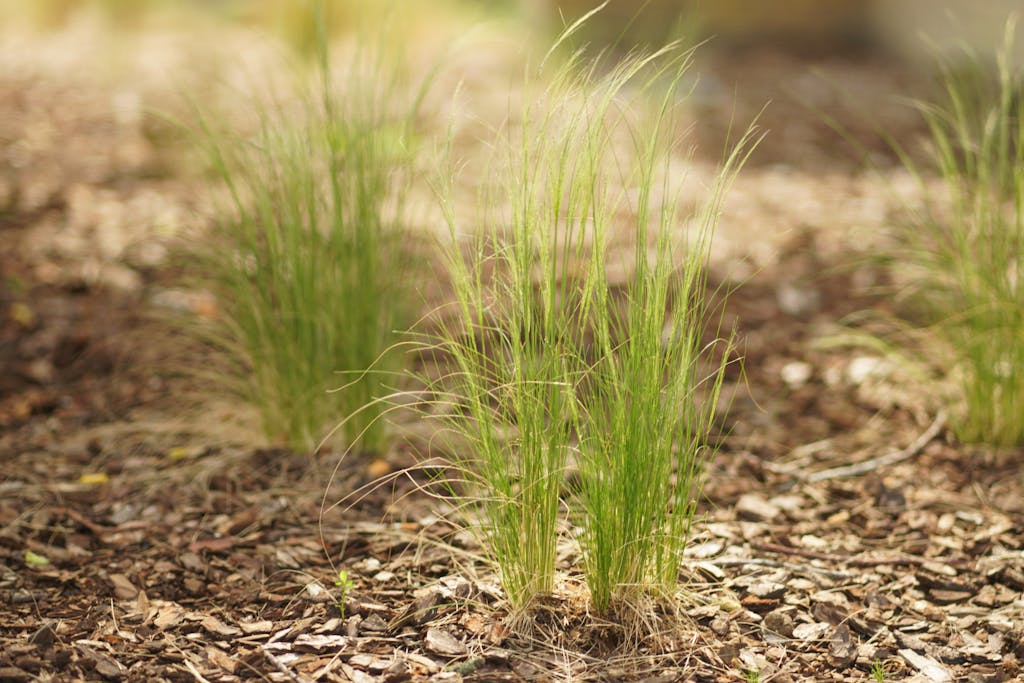
Some plants need more water than others, and that is where many gardens become difficult to manage. A water-loving plant placed in a hot, dry corner will struggle constantly. You may keep watering it just to keep it alive, even though the location is working against you. Over time, that one poor plant choice can raise the water needs of the whole garden.
Choose plants that match your climate, soil, and sun exposure. Native plants and drought-tolerant varieties often need less water once established because they are better suited to local conditions. Herbs like rosemary and lavender, many ornamental grasses, and sturdy perennials can handle drier spaces better than delicate, thirsty plants. Smart planting reduces stress for both the gardener and the garden.
Mixing Plants With Different Water Needs
A garden bed may look pretty when everything is planted together by color, but water needs matter too. If drought-tolerant plants sit beside moisture-loving plants, one group will always suffer. You may overwater the dry-loving plants just to satisfy the thirsty ones, or underwater the thirsty plants to protect the others. Either way, the bed becomes harder to manage.
Group plants by water needs instead. Keep thirsty vegetables, annuals, or moisture-loving flowers in one area. Place drought-tolerant herbs, native plants, and low-water perennials together. This method, often called hydrozoning, makes watering more efficient because each section gets what it needs. Your garden becomes easier to care for, and you waste less water trying to please mismatched plants.
Ignoring Soil Health
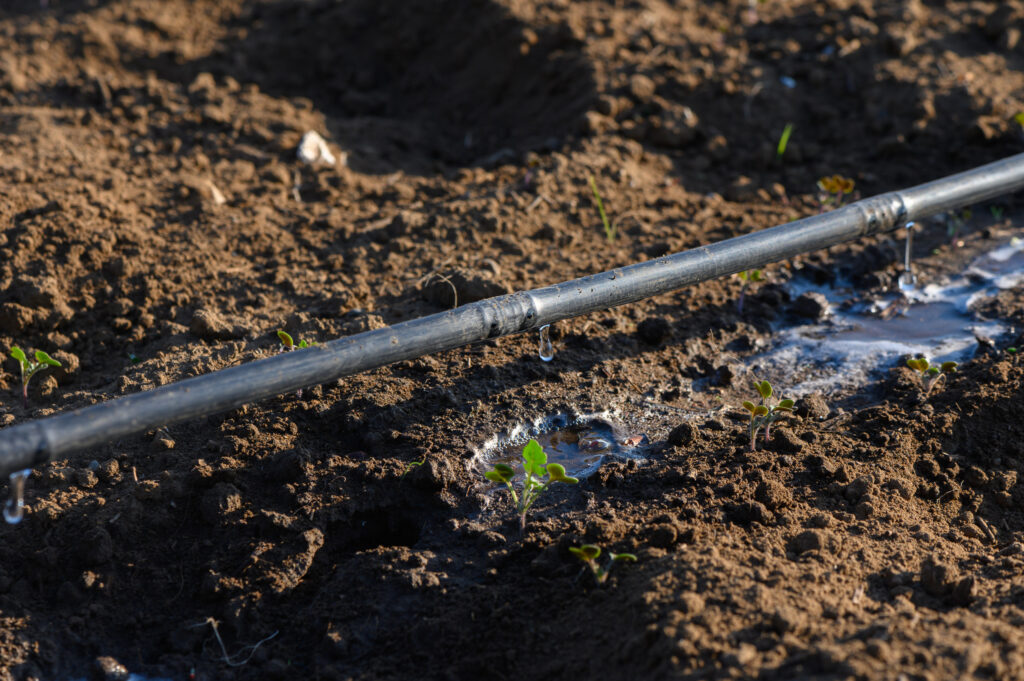
Poor soil can make even good watering habits fail. Sandy soil may drain too quickly, leaving roots dry soon after watering. Heavy clay soil may hold water at the surface but become compacted, making it hard for roots to breathe. Weak soil often forces gardeners to water more because moisture does not stay where plants need it.
Healthy soil holds water better. Adding compost, shredded leaves, aged manure, or other organic matter can improve soil structure over time. This helps the ground absorb moisture, store it longer, and release it slowly to plant roots. Good soil also supports stronger roots, which makes plants more resilient during dry spells. If your garden always seems thirsty, the answer may be under your feet.
Conclusion
The biggest garden watering mistake isn’t always under-watering. It is wasting water before plants can use it. Bare soil, midday watering, poor plant placement, leaky habits, and careless sprinkling can all make your garden thirstier than it needs to be.
To conserve water in your garden, start with the basics. Add mulch, water early, use drip irrigation, set timers, choose plants wisely, group them by water needs, and build healthier soil. These simple changes can help you grow a greener, stronger, and more water-smart garden without turning your yard into a full-time job.