Your backyard might look peaceful, but some plants are basically flashing a “FREE BUFFET” sign to pests. One day it’s a few innocent leaves, and the next you’ve got ants running a honeydew business, aphids throwing a block party, and slugs creeping around like they pay rent.
Before you blame the weather, your neighbor, or bad luck, take a closer look at what you planted—because the problem might be blooming on purpose.
Roses
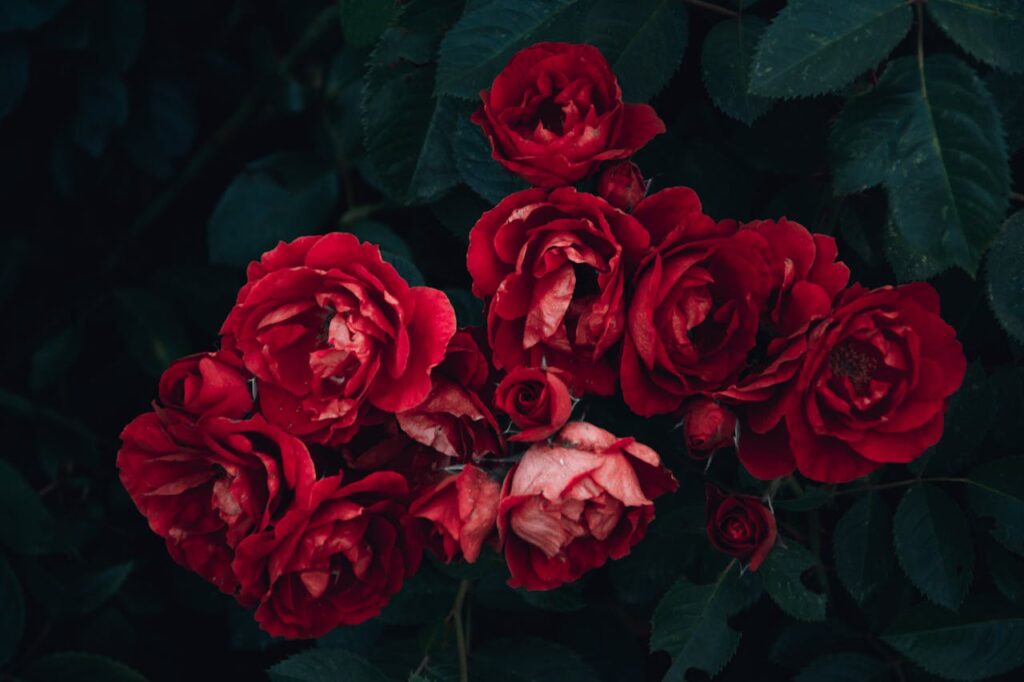
Roses don’t just bring romance to your yard—they also roll out the red carpet for aphids, thrips, and spider mites. Those tender new buds are basically a five-star buffet for sap-suckers.
Once pests settle in, they can multiply fast and leave leaves curled, sticky, or spotted. If you’ve ever seen ants crawling around roses, they may be “farming” aphids for sweet honeydew like tiny gardeners with bad intentions.
Marigolds
Marigolds have a reputation as garden bodyguards, but they can still invite trouble—especially spider mites, aphids, and leafhoppers.
In hot, dry weather, mites can move in like they own the place and turn foliage dull and dusty. Marigolds can also attract slugs when conditions are moist and shady. They’re helpful plants, yes—but they’re not pest-proof superheroes.
Sunflowers
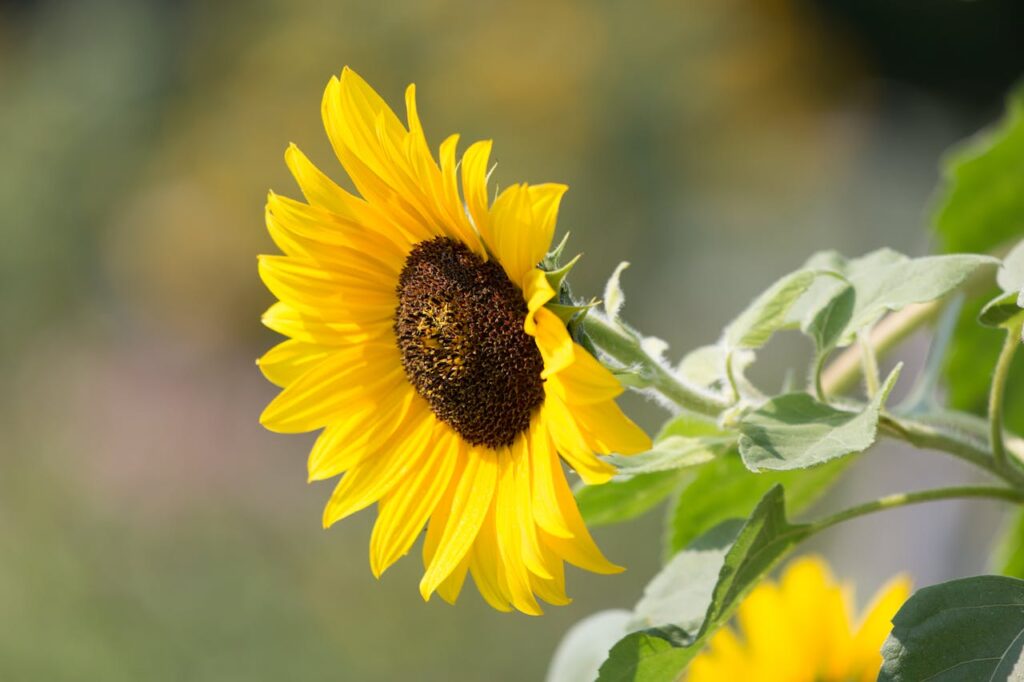
Sunflowers are cheerful giants with a hidden downside: they can attract aphids, stink bugs, caterpillars, and even rodents once seeds form.
Their thick stems and broad leaves make great hiding spots for insects that prefer a little privacy while they snack. When the seed heads mature, birds and squirrels may show up like it’s opening night at an all-you-can-eat theater.
Hibiscus
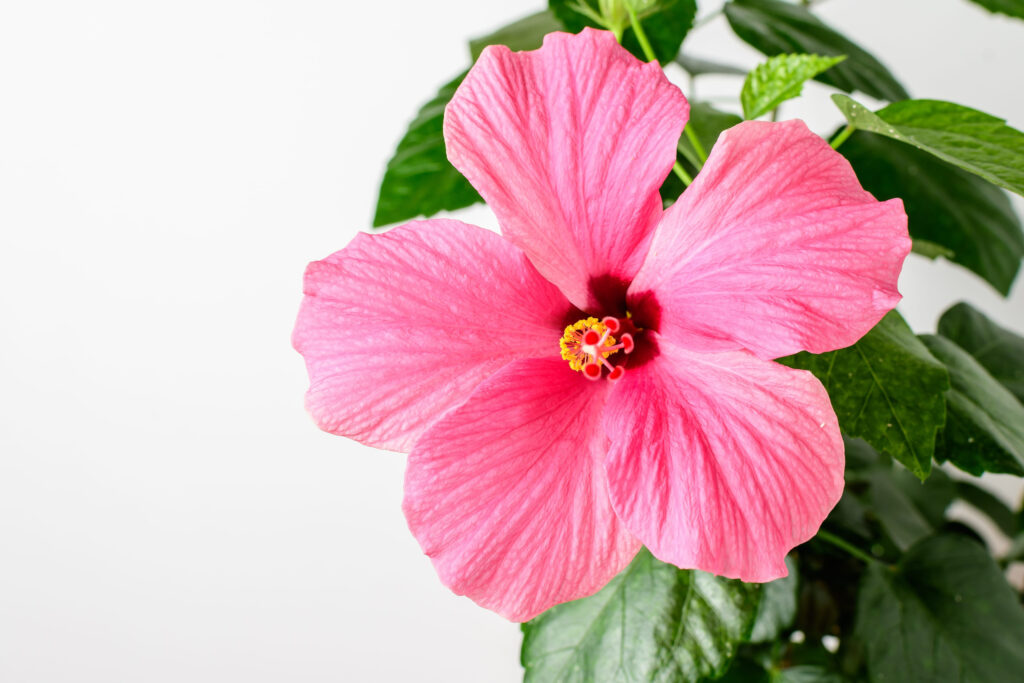
Hibiscus blooms look like tropical fireworks—and pests notice. Whiteflies, aphids, mealybugs, and scale insects often treat hibiscus like a personal vending machine.
These pests love soft growth and will keep coming back if the plant stays lush and watered. If your hibiscus leaves look sticky or shiny, that’s often honeydew from sap-feeders—basically pest “leftovers.”
Hostas
Hostas are the salad bar of the shade garden for slugs and snails. Those broad, tender leaves are the perfect midnight meal, especially after rain or heavy watering.
You’ll often see ragged holes and shiny slime trails like the scene of a tiny crime. If your yard stays damp, hostas can become a neon sign for slimy visitors.
Fruit Trees
Apple, peach, citrus—fruit trees are gorgeous, productive, and unbelievably tempting to pests. They can attract fruit flies, moths, scale, aphids, and ants, plus bigger “pests” like rats, monkeys (in some areas), and birds depending on where you live.
Fallen fruit turns into a sweet-smelling magnet that invites insects to party and rodents to move in. If fruit drops and stays on the ground, your yard can quickly become pest central.
Vegetable Plants
Veggies are basically an insect food court. Tomatoes attract hornworms and whiteflies, cabbage-family plants attract cabbage loopers and aphids, and peppers can pull in mites and thrips.
The more tender the new growth, the more pests see opportunity. A thriving veggie patch is wonderful—until you realize you’re feeding more mouths than you planned.
Mint
Mint smells amazing to humans, but it can still attract aphids, spider mites, and flea beetles. Plus, mint spreads aggressively, creating dense ground cover that can become a cozy hideout for insects.
In some gardens, that thick minty carpet becomes a safe zone where pests avoid predators and multiply quietly. It’s refreshing, yes—but it can get messy fast.
Ivy
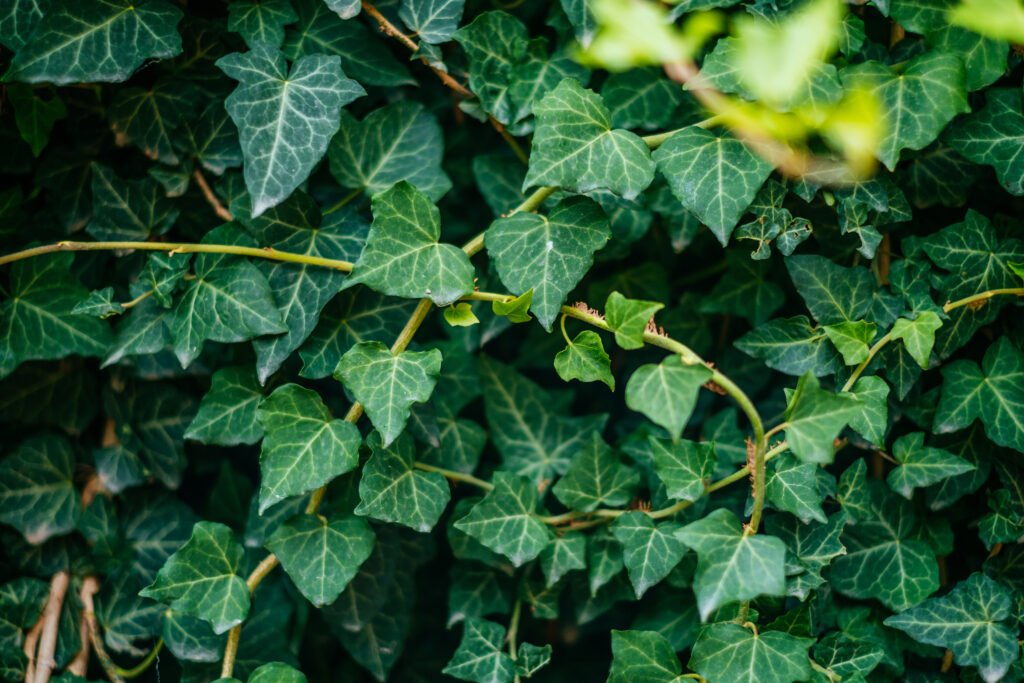
Ivy is the ultimate “cover-up” plant—great for walls, fences, and ground cover—but it can shelter pests like spider mites, scale, and even nuisance wildlife.
Dense ivy creates humid, protected pockets where insects thrive and predators struggle to reach. It can also become a highway for ants and other crawlers traveling to and from food sources. If you want privacy, ivy delivers—but it may bring guests.
Bougainvillea
Bougainvillea looks tough, but pests love it anyway—especially mealybugs, aphids, and scale. Those insects hide in crevices and under bracts where they’re hard to spot until the plant starts looking tired.
Once honeydew appears, ants often follow like they got a personal invitation. It’s a stunning plant, but it can become a low-key pest hotel if ignored.