A laundry hamper looks innocent until it becomes the reason towels smell sour, workout clothes turn rancid, stains sink deeper, and delicate fabrics come out looking tired before they ever reach the washer. We often treat the hamper like a waiting room for dirty clothes, but some items should never sit there untreated because moisture, sweat, food residue, sharp objects, and fragile materials can create bigger laundry problems fast.
The goal is simple. We want a laundry system that keeps clothes fresher, protects fabric, stops odors from spreading, and makes wash day easier instead of more annoying. Once we know what does not belong in a hamper, we stop turning one small basket into a hidden source of mildew, stains, snags, and household smells.
Why the Laundry Hamper Needs Rules
A laundry hamper is meant to hold ordinary dry laundry for a short time. It is not designed to handle damp towels, soaked swimsuits, sweaty gym wear, food spills, muddy socks, greasy rags, pet hair, loose metal pieces, or delicate garments crushed under jeans and bath towels. When we mix all of that together, the hamper becomes a closed space where moisture, odor, lint, dirt, and bacteria can settle into fabric.
That is why laundry problems often begin before the wash cycle starts. A shirt that could have been saved with quick stain treatment sits for three days under a damp towel. A sports bra traps sweat inside a dark basket. A pen left in a pocket roll into the wash. A lace blouse catches on a zipper. The washer gets blamed, but the real mistake happened when everything went into the same hamper without a second thought.
Shoes Should Not Go in the Laundry Hamper

Shoes carry dirt, outdoor germs, sweat, mud, grass, and street residue. Even washable sneakers should not sit on top of clothes in a hamper. The soles can transfer grime, and the inside of shoes can add odor to nearby fabric.
We should keep shoes outside the clothing hamper and clean them separately. If the shoes are machine-washable, they can be prepared on laundry day with loose dirt removed first. They should go into a separate bag or wash load when appropriate, not into the same basket that holds shirts, towels, and underwear.
Wet Towels Should Never Sit in a Laundry Hamper
Wet towels are one of the worst things we can throw into a hamper. A towel holds water deep inside its fibers, and once it gets buried under other clothes, air cannot move through it properly. That trapped moisture creates the sour smell people often describe as mildew, must, or old bathroom odor.
The better habit is to hang wet towels over a rack, shower rod, chair, or door until they are fully dry. If the towel is already musty, it should go straight to the washer instead of joining the rest of the laundry pile. We should also avoid stacking damp towels together because one wet towel is annoying, but several wet towels can make an entire hamper smell stale.
Damp Washcloths Can Spread Odor Quickly
Washcloths seem small, so they are easy to toss into the hamper without thinking. The problem is that they often carry soap residue, skin oils, makeup, dead skin cells, and moisture. When a damp washcloth sits in a pile of dry laundry, it can transfer odor and humidity to nearby clothing.
We should treat washcloths like miniature towels. They need to dry before storage, or they need to be washed quickly. A small bathroom hook, mesh hanging bag, or open drying rack can solve the problem without much effort. The goal is to keep damp fabric out of a dark, enclosed basket.
Sweaty Gym Clothes Need Air Before the Hamper
Workout clothes can turn a hamper into an odor chamber. Sweat does not stay harmless once activewear gets balled up and buried under cotton shirts, socks, and towels. Many athletic fabrics are synthetic, and synthetic fabrics can hold on to body oils and sweat smells in a way that feels stubborn even after washing.
We should let gym clothes air out before they go anywhere near the hamper. A quick hang over a chair, laundry rack, or hook helps moisture evaporate. If the clothes are soaked after a hard workout, they should be washed sooner rather than stored for several days. The longer sweaty clothes sit, the harder we make the job for the detergent.
Swimsuits Should Never Be Tossed in Wet
A wet swimsuit is not just damp laundry. It often carries chlorine, saltwater, sunscreen, body oil, sand, and moisture all at once. When it sits in a hamper, the fabric can develop an odor, and the elastic can weaken faster if it stays crumpled and untreated.
We should rinse swimsuits with cool water after use, gently squeeze out excess water, and let them air dry flat or hang them in a shaded spot. They should not be twisted aggressively because that can stretch the fabric. Once dry, the swimsuit can wait for wash day, but it should never sit wet at the bottom of a hamper.
Food-Stained Clothes Need Attention First
Food stains should not be buried in a laundry hamper and forgotten. Sauces, oils, chocolate, coffee, juice, and dairy can settle deeper into fabric as time passes. Some stains also attract odor, especially when they sit in a warm room or under other clothes.
We should scrape off any solid food, blot the stain gently, and pretreat the area before placing the item aside. Greasy stains need special attention because oil can cling tightly to fibers. A stained shirt does not need dramatic treatment, but it does need quick treatment. The hamper should not become a place where stains get older and harder to remove.
Greasy Kitchen Towels Can Ruin the Whole Pile
Kitchen towels carry some of the strongest laundry problems in the home. They may hold cooking oil, sauce, food crumbs, dishwasher, and odors from the trash, sink, or stove. If we throw greasy kitchen towels into a regular clothing hamper, the smell can spread, and the grease can transfer to other fabrics.
The smarter move is to keep kitchen towels in a separate washable container or small ventilated basket. Heavily greasy towels should be washed apart from clothing. If a towel was used to wipe raw food spills or heavy kitchen mess, we should handle it with extra care and avoid mixing it with everyday shirts and underwear.
Muddy Clothes Should Be Shaken Out First
Muddy clothes do not belong straight in a laundry hamper. Mud dries, flakes, stains, and spreads grit into the fibers of nearby clothes. A pair of muddy jeans or socks can leave dirt across the bottom of the hamper and create extra work on laundry day.
We should let mud dry first when possible, then brush or shake off the loose dirt outdoors or over a trash area. Heavy mud may need a rinse before the item joins the laundry. This simple step keeps the washer from dealing with unnecessary dirt and keeps the rest of the hamper cleaner.
Clothes Covered in Pet Hair Need Their Own Treatment
Pet hair travels through a laundry pile like it has a personal mission. If we toss fur-covered blankets, leggings, sweaters, or pet bedding into the main hamper, hair can cling to other clothes and become harder to remove later. It can also collect inside the washer and dryer.
We should shake pet hair off outside, use a lint roller, or run heavily fur-covered items through a pet hair removal step before washing. Pet bedding should be stored and washed separately when possible. This keeps everyday clothing from coming out with a second coat of fur.
Clothes With Strong Body Odor Should Not Be Buried
Some clothing carries more than ordinary dirt. Work uniforms, undershirts, socks, gym gear, nursing scrubs, outdoor work clothes, and clothes worn during hot weather can hold strong odors that spread through the hamper. When those items get buried, the smell does not disappear. It settles.
We should separate high-odor laundry from regular clothes. A breathable hamper, open basket, or dedicated wash bag can help, but the best solution is speed. Odor-heavy clothes should be washed sooner, aired out first, or soaked according to fabric care instructions before a normal wash.
Clothes With Bodily Fluids Need Separate Handling
Clothes with blood, vomit, urine, feces, heavy sweat, wound drainage, or illness-related mess should not be dropped casually into a shared hamper. These items need careful handling because they can carry odor, stain quickly, and contaminate nearby fabrics. They also need the right water temperature and wash method based on the fabric and type of stain.
We should keep these items separate, avoid shaking them, and treat stains as soon as possible. Cold water is often safer for protein stains such as blood before laundering, but the care label still matters. If the item belongs to someone who is sick, we should handle it carefully, wash our hands afterward, and clean the hamper or basket used to carry it.
Pens, Markers, Gum, and Crayons Should Never Hide in Pockets

A hamper full of clothes with unchecked pockets is a disaster waiting politely. Pens can leak ink. Markers can stain fabric. Gum can spread through the washer or dryer. Crayons can melt and leave waxy marks across an entire load.
We should empty pockets before clothes enter the hamper, not five minutes before washing. This is especially important for children’s clothes, work pants, school uniforms, jackets, and bags of sports clothing. A small pocket check saves clothes, protects the washer, and prevents one hidden pen from becoming the most expensive item in the laundry room.
Keys, Coins, Tools, and Small Metal Items Do Not Belong There

Hard objects can damage fabric and appliances. Keys, coins, screws, nails, small tools, hair clips, safety pins, and metal accessories can tear clothes, scratch surfaces, or get trapped inside the washer. They can also surprise anyone reaching into the hamper by hand.
We should remove all hard items before dropping clothing into the basket. Work clothes deserve extra attention because pockets often carry screws, utility blades, clips, receipts, and other objects. The rule is simple: if it can scratch, puncture, stain, melt, or rattle, it should not enter the laundry pile.
Belts, Brooches, Pins, and Heavy Accessories Should Be Removed
Clothing accessories may look harmless, but they can damage other garments when they sit in a mixed hamper. Belts with buckles can press into delicate fabric. Brooches and pins can snag knits. Decorative chains, clips, and removable trims can catch on lace, sleeves, and sweater loops.
We should remove accessories before clothing enters the hamper. This protects both the garment and everything around it. It also makes wash day faster because clothes are already prepared for sorting, pretreating, and washing.
Delicate Lingerie Needs a Separate Space
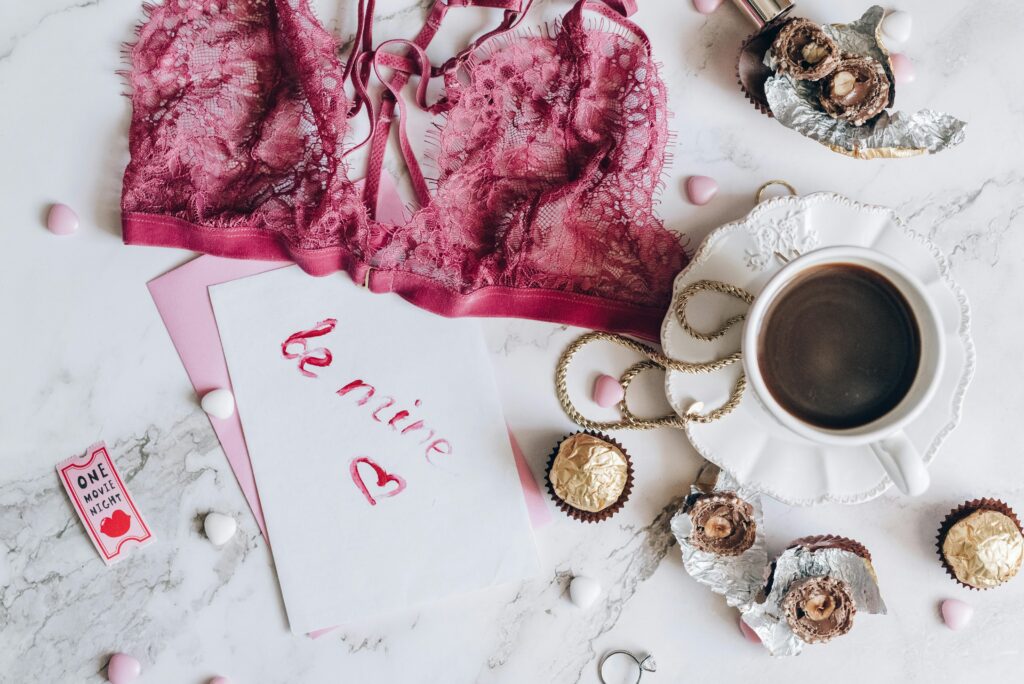
Bras, lace underwear, shapewear, silk slips, and delicate lingerie should not be crushed under towels, denim, hoodies, and heavy bedding. Hooks can snag other garments, cups can lose shape, and fine lace can stretch or tear. A hamper may look soft, but a full hamper can put pressure on delicate pieces for days.
We should place delicate lingerie in a mesh laundry bag, small basket, or separate drawer until wash day. Bras should be fastened before washing to reduce snagging. Delicate items last longer when they are protected from weight, friction, hooks, zippers, and rougher fabrics.
Silk, Wool, Lace, and Hand-Wash Items Need Protection
Some fabrics should never wait in a rough mixed laundry pile. Silk can wrinkle and stain easily. Wool can stretch if damp or crushed. Lace can catch on zippers and buttons. Hand-wash garments often need gentle handling long before they reach water.
We should separate these items from regular laundry immediately. A breathable fabric bag or dedicated delicate basket works better than a crowded hamper. Before washing, we should read the care label and choose the right method. The goal is to avoid treating fragile fabric like ordinary laundry.
Electronics, Earbuds, Chargers, and Smart Devices Must Stay Out
Modern laundry problems now include small electronics. Earbuds, chargers, fitness trackers, smart watches, USB drives, and remote controls can end up in pockets or tangled in clothing. Once they reach the hamper, they are one rushed laundry load away from water damage.
We should create a drop zone outside the laundry area for pocket items. A small tray near the hamper can catch earbuds, coins, receipts, keys, and chargers before they disappear into the wash. This turns pocket checking into a habit instead of a last-minute panic.
The Best Way to Sort Laundry Before It Reaches the Hamper
A better laundry system begins before wash day. We should sort laundry by moisture, odor, soil level, fabric type, and washing needs. That means damp towels dry first, muddy clothes get shaken out, stained clothes get treated, delicates stay separate, and high-odor clothes get air.
A divided hamper can help if the sections are used correctly. One section can hold regular dry clothes. Another can hold towels. A third can hold delicates or gym wear. The key is that wet items still need airflow, and heavily stained items still need treatment. A divided hamper helps organization, but it does not replace good laundry habits.
How to Keep the Hamper Itself From Smelling
A laundry hamper also needs cleaning. Fabric hampers can hold odors. Plastic baskets can collect residue. Wicker hampers can trap lint, dust, and moisture in small gaps. If the container smells bad, clothes placed nearby may pick up that stale scent.
We should empty the hamper regularly, wipe or wash it based on the material, and let it dry fully before adding more clothes. A breathable hamper is often better than a sealed one because airflow helps reduce trapped moisture. If the hamper has a liner, the liner should be washed too. A clean hamper makes the whole laundry routine feel fresher.
Quick Hamper Rule for Busy Homes
If an item is wet, stained, greasy, muddy, sharp, delicate, smelly, covered in pet hair, or hiding objects in the pockets, it needs attention before it goes into the hamper. We do not need a complicated laundry routine. We need a few smart pauses.
That pause protects clothes from mildew, odor, stains, snags, and damage. It also saves time later because wash day becomes sorting and cleaning, not rescuing forgotten laundry mistakes. A hamper should hold laundry, not create new laundry problems.