Generic Ketchup That Tastes Flat

Ketchup looks simple, but people notice when it tastes wrong.
A weak generic version can be too watery, too sweet, too sharp, or oddly bland. Since ketchup often lands on burgers, fries, hot dogs, eggs, meatloaf, and sandwiches, even a small flavor difference can stand out.
This is one of those grocery items where loyalty makes sense. A good ketchup needs the right balance of tomato flavor, vinegar, sweetness, and thickness.
If the generic bottle ruins every plate it touches, the savings no longer feel clever. Paying a little more for a trusted bottle may protect more meals than you think.
Generic Coffee That Starts the Day Wrong
Cheap coffee can look like a smart budget move until the first sip tastes thin, burnt, bitter, or stale.
Coffee is not just another pantry item for many households. It is the morning ritual, the workday fuel, and sometimes the only reason people speak politely before 9 a.m.
Generic coffee can disappoint because quality depends on beans, roasting, freshness, packaging, and grind consistency.
A cheaper bag or pod may save money per cup, but it can also deliver a dull, watery brew that makes every morning feel slightly worse.
If coffee matters in your home, this is one place where bargain hunting can backfire.
Generic Cream Cheese With a Strange Aftertaste
Cream cheese has to be smooth, rich, and clean-tasting. When the generic version misses, it often misses loudly.
Some store-brand cream cheese spreads feel gummy, taste overly processed, or leave a sour aftertaste that ruins bagels, dips, frosting, and sandwiches.
The problem becomes more obvious in simple foods where cream cheese is the main event. A toasted bagel has nowhere to hide a bad spread. Cheesecake, frosting, and party dips can also suffer when the texture is off.
If the generic tub tastes like a compromise every time, the lower price is not much of a win.
Generic Juice That Feels More Like Sugar Water
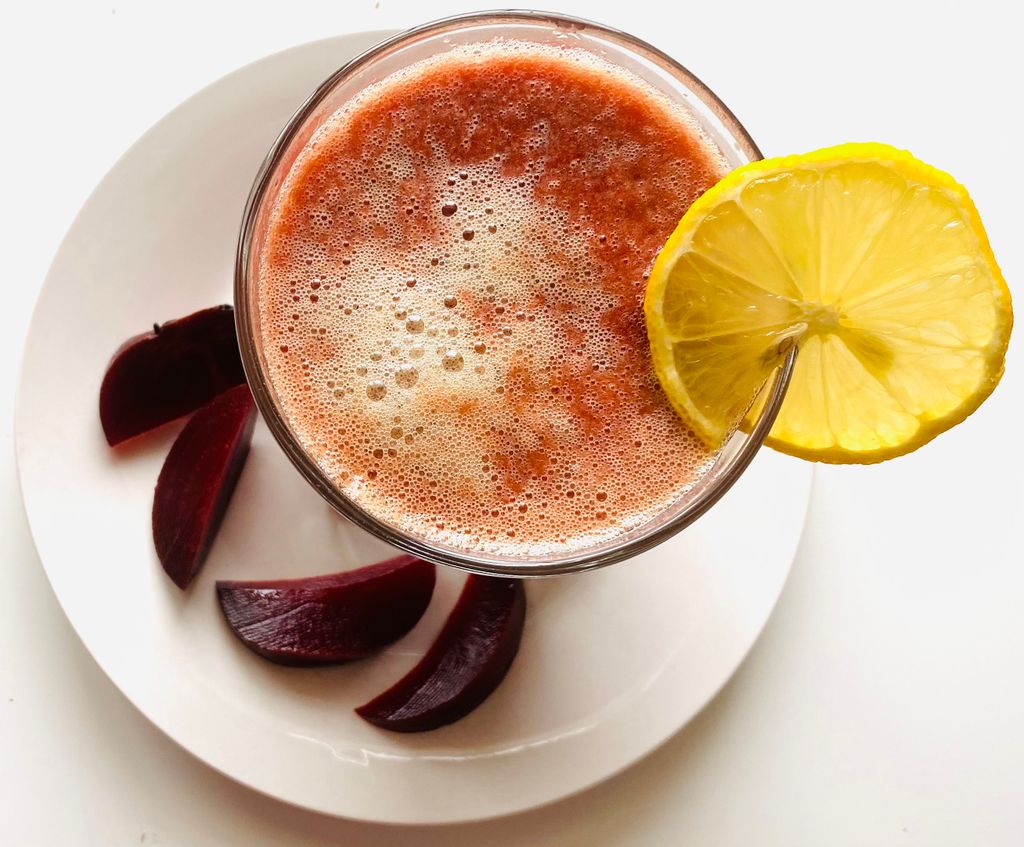
Juice already deserves a careful label check, but generic juice can be especially disappointing when it relies too heavily on concentrates, added sweeteners, or vague fruit blends.
The carton may show bright fruit on the front, but the taste can come across flat, syrupy, or artificial.
The best juice tastes fresh, bright, and recognizable. The worst versions feel like a sugary drink pretending to be fruit.
If you are buying juice for breakfast, kids’ lunches, smoothies, or weekend brunch, choose carefully. A cheaper bottle that tastes watered down or candy-like may leave everyone reaching for something else.
Generic Chocolate Chips That Ruin Baking
Chocolate chips matter more than people admit. In cookies, brownies, pancakes, muffins, and banana bread, they bring the little pockets of sweetness everyone expects.
When the generic version tastes waxy, chalky, or weak, the whole recipe loses its charm.
Baking also exposes quality quickly. A better chocolate chip melts smoothly and delivers a deeper cocoa flavor.
A poor one can taste artificial, stay stubborn, or leave a greasy residue. If you are already spending time and ingredients on homemade treats, cheap chocolate chips can sabotage the effort. This is one grocery swap that can turn fresh cookies into a letdown.
Generic Salad Dressing That Makes Greens Sad
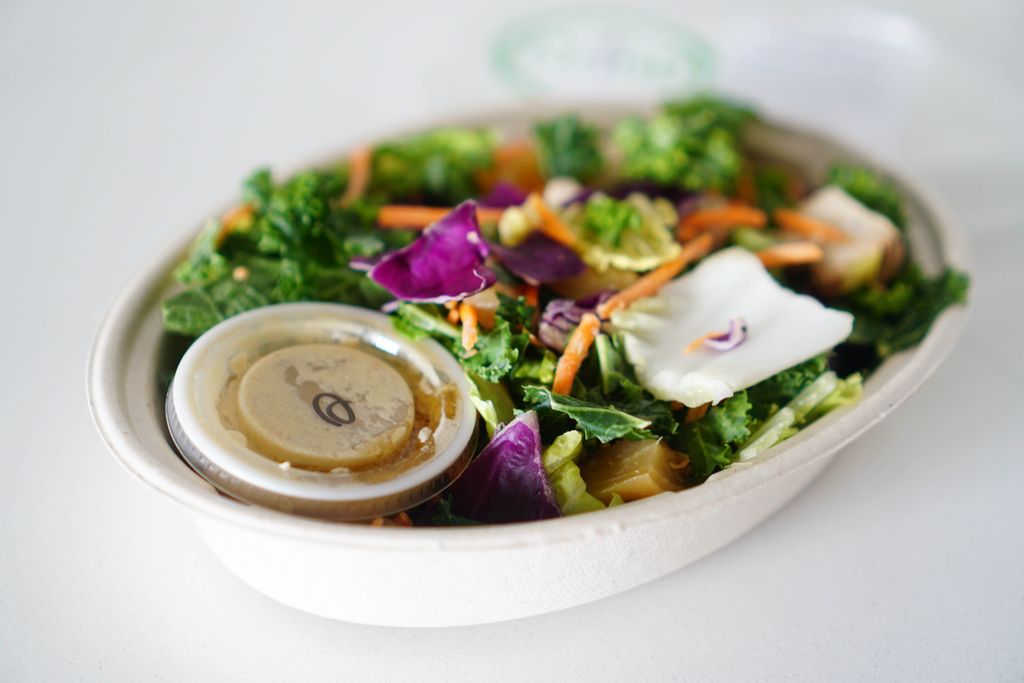
Salad dressing carries the whole bowl. Lettuce, cucumbers, tomatoes, carrots, and grilled chicken all rely on dressing to pull the meal together.
A bad generic dressing can taste oily, watery, overly sweet, or strangely sharp, making even fresh vegetables feel boring.
Ranch, Caesar, Italian, vinaigrette, and creamy dressings all depend on balance. If the oil tastes cheap, the vinegar bites too hard, or the seasoning feels weak, the difference is obvious.
A salad already asks people to behave responsibly. It should not punish them with dressing that tastes like disappointment in a bottle.
Generic Cereal That Nobody Finishes
Generic cereal can be one of the most tempting grocery swaps because brand-name cereal prices often feel ridiculous. The box promises the same crunch, color, or cinnamon flavor at a lower price, and that sounds like an easy household win. Then the cereal hits the bowl, and reality appears.
Some generic cereals go stale quickly, soften too fast in milk, or miss the flavor that made the original popular. Kids notice. Adults notice, too, even if they pretend they are above cereal drama. If the box sits unfinished in the pantry for weeks, it did not save money. It just became expensive cardboard dusted with sugar.
Generic Canned Vegetables That Taste Lifeless
Canned vegetables are convenient, affordable, and useful in quick meals, but poor-quality generic versions can taste mushy, metallic, or overly salty.
The texture is often the biggest problem. Green beans, peas, carrots, and corn can lose their color and bite, leaving you with vegetables that feel tired before they even reach the plate.
The better move is to compare labels and textures carefully. Some store-brand cans are fine, but the weakest ones make side dishes taste like an afterthought.
If canned vegetables are part of soups, casseroles, quick dinners, or family meals, a small upgrade can make the whole plate feel fresher.
Generic Cheese That Refuses to Melt Right

Cheese is where bad generics often reveal themselves fast. Store-brand slices, shreds, or blocks can taste bland, feel rubbery, or melt into a strange oily layer instead of becoming creamy and smooth.
That matters if you are making grilled cheese, nachos, omelets, burgers, pasta, or casseroles.
Good cheese should bring flavor and texture, not confusion. If a generic cheese does not melt properly or tastes like almost nothing, it weakens the entire meal.
A cheaper bag may look like a deal, but if it ruins dinner, the savings disappear. Cheese is too important to leave to a disappointing imitation.
Generic Olive Oil That Tastes Cheap
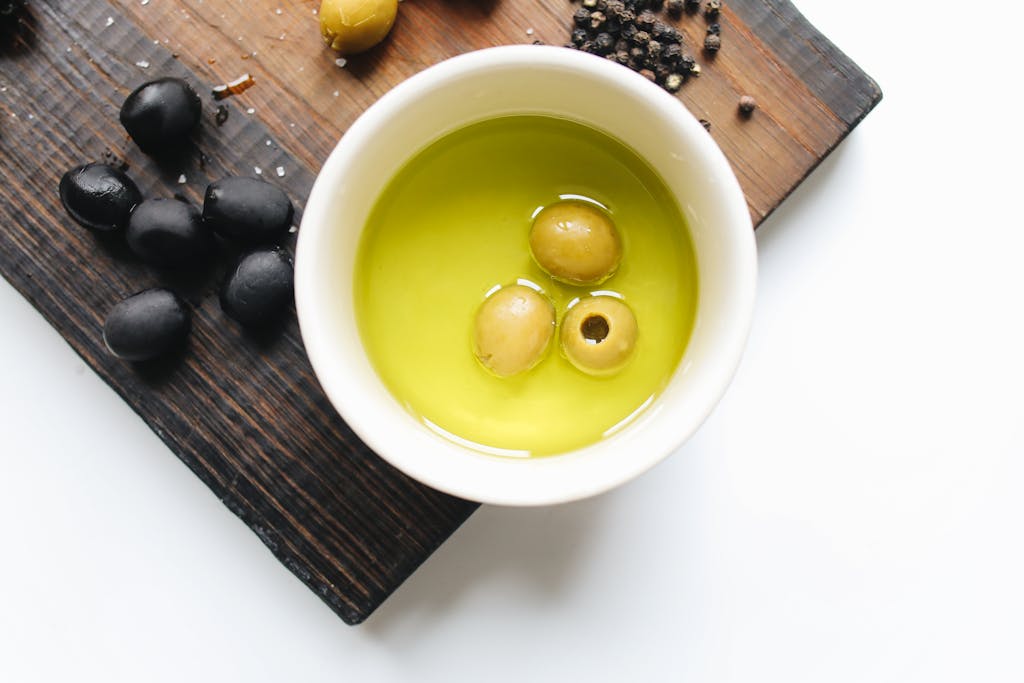
Olive oil is not just cooking fat. It adds flavor to salads, roasted vegetables, pasta, bread, marinades, and sauces. A poor generic bottle can taste bitter, stale, greasy, or flat, especially when used raw in dressings or dips.
You do not need the most expensive imported bottle on the shelf, but you should avoid treating all olive oil as the same.
Look for a bottle that tastes clean and fresh, especially if you use it often. A decent mid-range olive oil can make home cooking taste brighter, while a bad one can drag down everything it touches.