The White House, America’s symbol of power and authority, carries more secrets than you’d expect. While it may seem like a perfect symbol of strength and stability, the truth is far from flawless. Hidden stories, uncomfortable truths, and historical mistakes have long been overshadowed by its grandiosity. It’s time we confront these unsettling realities.
Here are 12 dark secrets of the White House, revealing the hidden flaws, failures, and overlooked truths you never knew.
The White House Was Built with Enslaved Labor
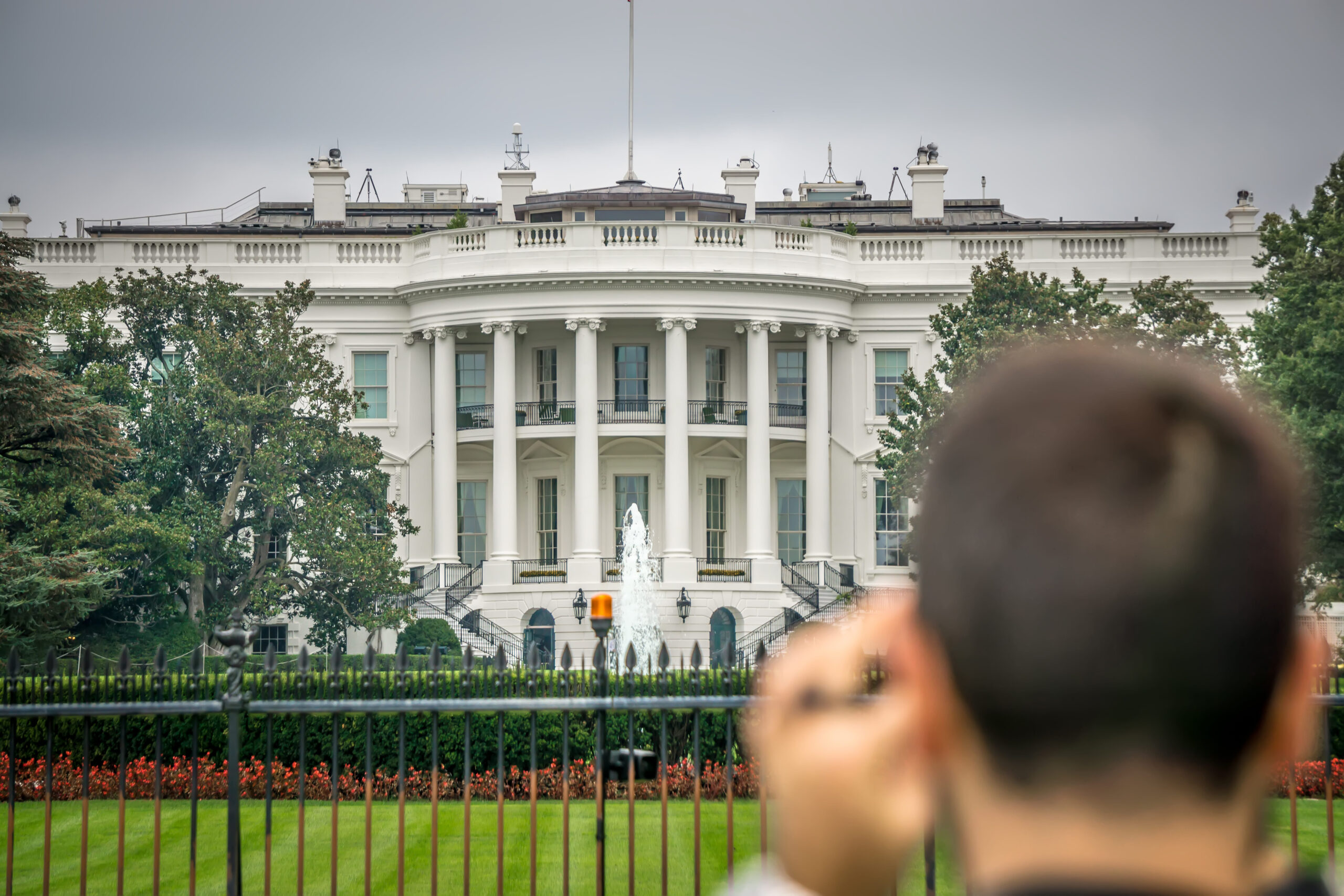
While we often imagine the White House as the product of great American ingenuity, it was actually built with the forced labor of over 200 enslaved African Americans. These workers had no choice but to contribute to the construction of what would become the nation’s most iconic building. Their story is frequently ignored, leaving out a key element of the White House’s creation.
The White House Is a Constant Work-in-Progress
Despite its historical significance, the White House is far from a finished product. It’s always undergoing renovations, security upgrades, and repairs. From fire damage to structural concerns, it has never been static. The idea of a perfectly secure and intact presidential residence is a myth. The White House is perpetually under construction, as its vast size and constant need for repairs show.
It Was Never Meant to Be a “Home”
Many believe the White House serves as the president’s home. In reality, it’s not designed to be a personal sanctuary but a workplace and public space. While the First Family lives there, the White House is more about state functions, meetings, and public events than it is about offering the president any real sense of privacy or comfort. It’s a place of power, not comfort, a far cry from what most of us would consider a “home.”
The White House Has Survived Two Major Fires
The White House’s resilience is often lauded, but what’s not often discussed is that it has faced two major fires. The first was set by the British during the War of 1812, nearly destroying the building. The second came in 1929 when a fire broke out in the West Wing.
The damage was severe, yet the White House endured, only to be rebuilt again. The threat of disaster seems ever-present in its history, as it has been destroyed more than once.
Exotic Pets Have Called the White House Home
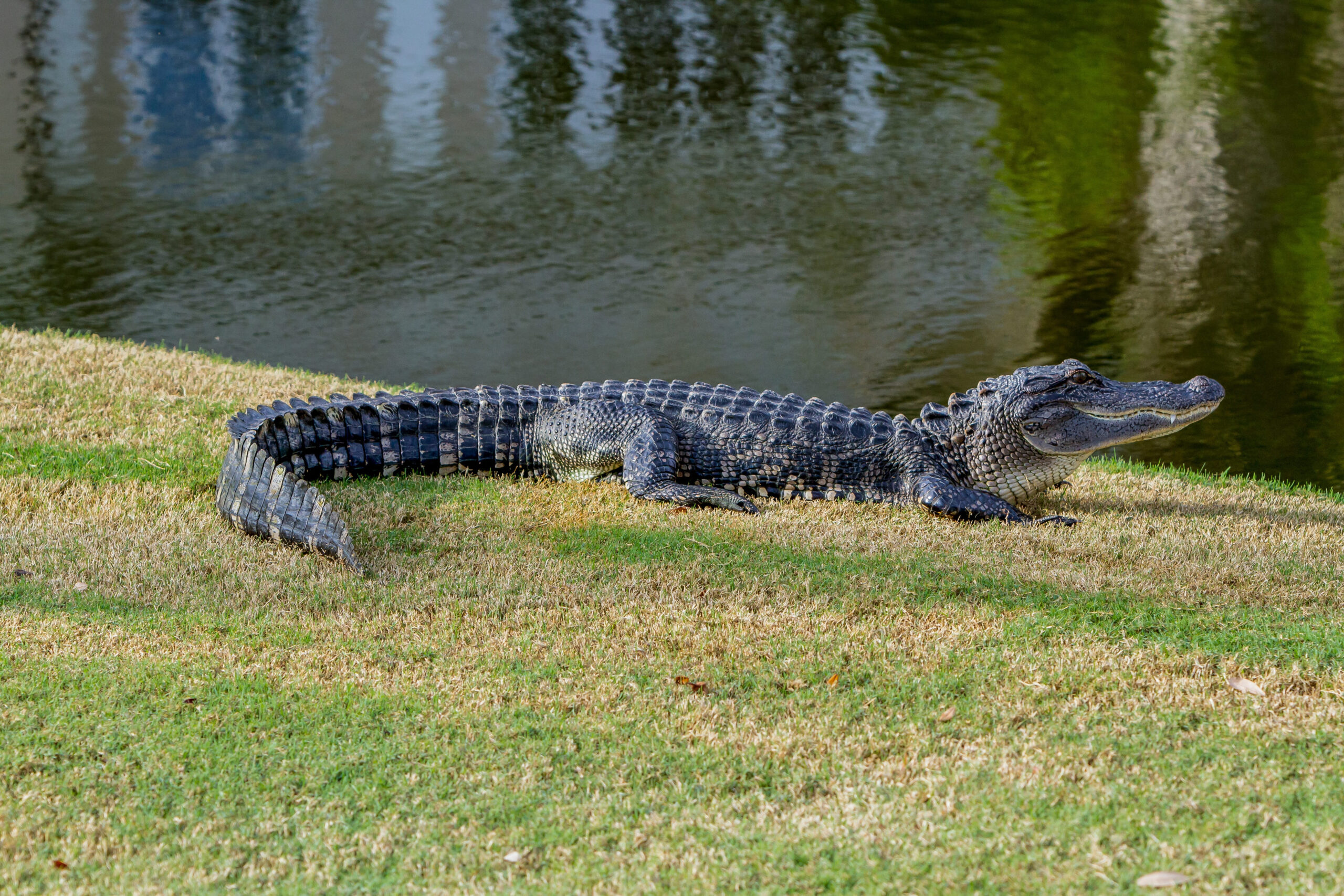
Think of the White House, and you might imagine dogs and cats. But did you know that presidents have kept exotic pets, including a badger, a hyena, and even an alligator? These strange choices reflect a lack of concern for the symbolism of the office. The White House has often played host to quirky, unnecessary additions that distract from its true purpose, power, and governance.
It Took 100 Years to Get Its Name
The White House we know today wasn’t always called that. For over 100 years, it was known as the “President’s House” or the “Executive Mansion.” It wasn’t until 1901 that President Theodore Roosevelt officially coined the term “White House.”
It’s a strange delay for something so iconic, showing how much time can pass before a nation gives its most important buildings a name worthy of their significance.
The Missing Cornerstone
When the White House was being built in 1792,the cornerstone was laid with great fanfare. Yet, despite efforts to locate it, the original cornerstone has never been found. This missing piece of history symbolizes the imperfections even the most famous landmarks face. Some questions about the White House may never be answered, and its history is marked by gaps that can never be filled.
The White House Was Too Small for Its Purpose
When the White House was first completed, it was deemed too small for the president’s needs. As the country grew, so did the demands on the White House. Over the years, the building has been expanded and renovated to meet the needs of a growing staff, modern technology, and increased public visibility.
The White House, as originally designed, was simply inadequate for the role it would eventually play.
It Has Been Haunted for Centuries.
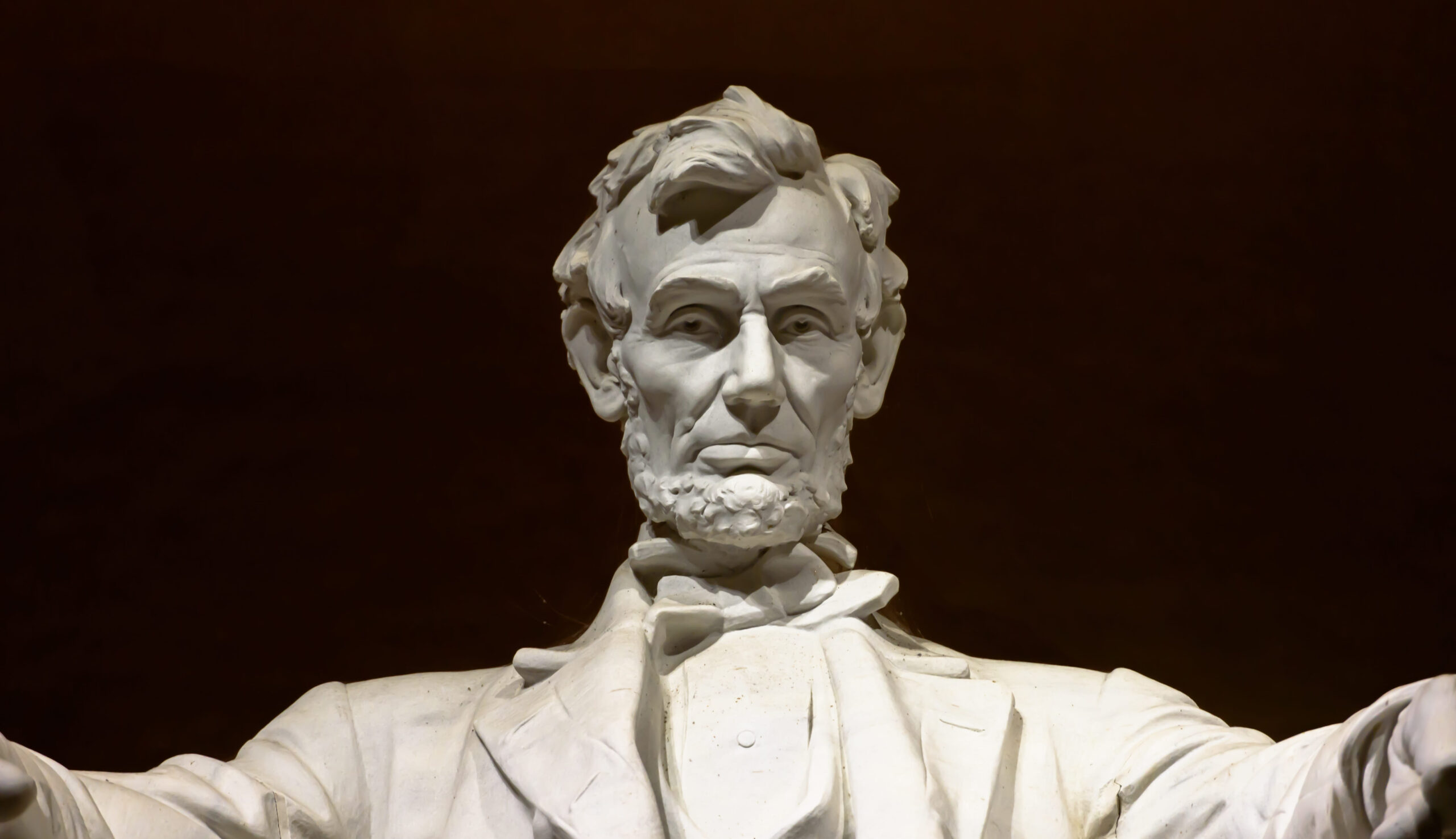
Yes, ghosts are part of the White House’s history. From reports of Abraham Lincoln’s ghost to other rumored hauntings, the White House has a long-standing reputation for being one of the most haunted buildings in the country.
These ghost stories are not just folklore but a reflection of the ghosts of history that seem to linger, reminding us of the unsettling truths buried in the White House’s past.
It’s Worth Hundreds of Millions, but the Cost Is Ridiculous
While it’s easy to assume that the White House is priceless, it actually has a financial value. Estimates place its worth at over $400 million, considering the land, structure, and historical significance. But maintaining such a building costs taxpayers millions every year. The White House is not only a symbol of power but also an immense financial burden that spans multiple generations.
It’s a Symbol of Secrecy, Not Transparency
The White House may be the seat of U.S. power, but it has also been a symbol of secrecy. Behind its walls, countless decisions are made that affect millions, yet so much of what happens there remains hidden.
The White House is the epicenter of political maneuvering, and its secrecy is essential to maintaining power. Transparency is often sacrificed for the sake of control.
Presidents Keep the White House a Symbol of Personal Power
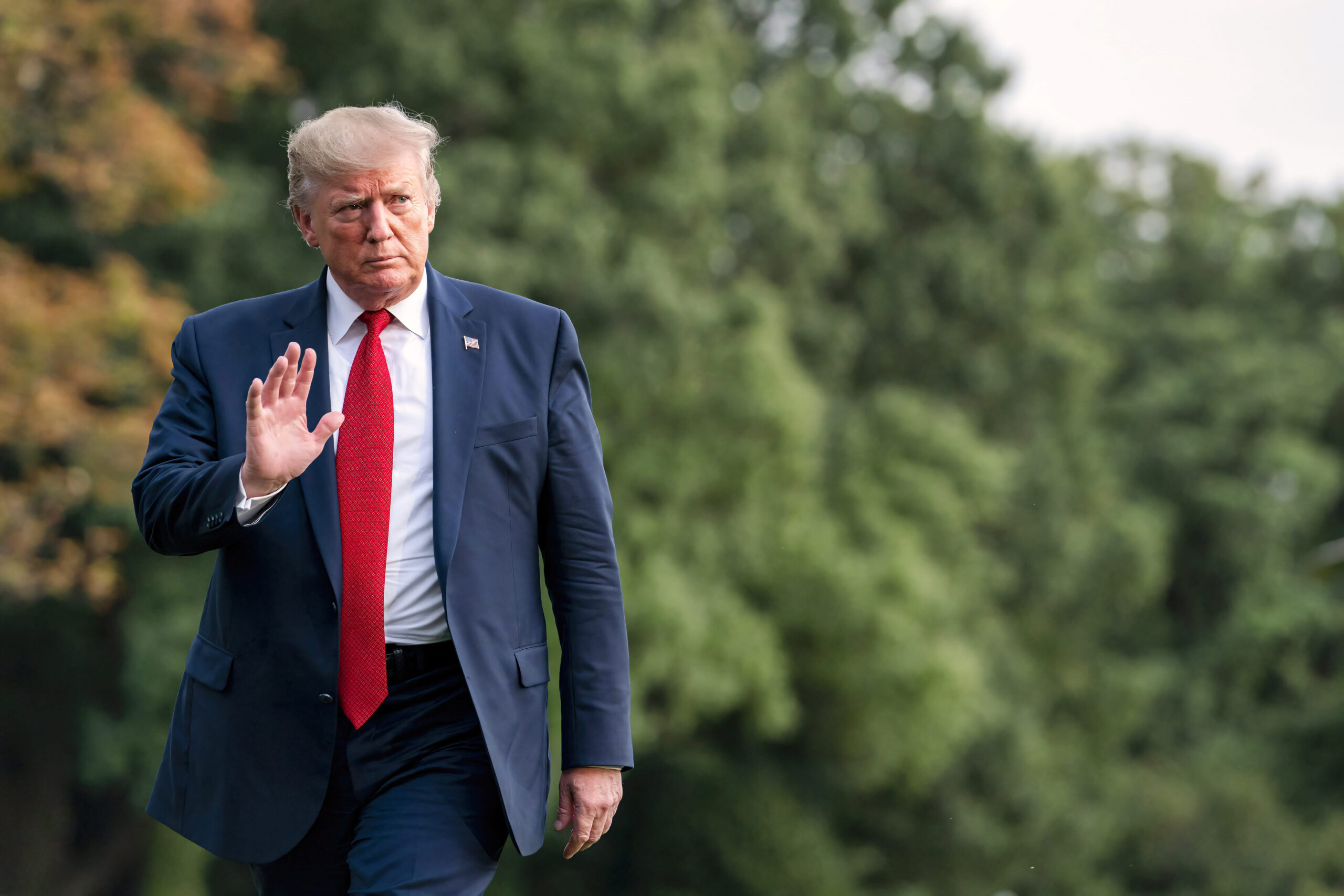
Though we often think of the White House as a public institution, it is, in essence, personal property of the sitting president. Throughout history, presidents have used the White House as a platform to reinforce their personal power.
This blending of public office and private space creates contradictions, in which the nation’s needs are sometimes overshadowed by the personal preferences of its leader.
Conclusion
The White House is not the flawless, majestic monument to American greatness that many imagine. Instead, it’s a place of contradictions, failures, and secrets that paint a much more complicated picture.
From its construction with enslaved labor to the constant need for renovation, the White House is a symbol of imperfection rather than a pristine example of power.
By confronting these uncomfortable truths, we gain a better understanding of the complexities and challenges that have shaped this iconic building.
So next time you look at the White House, ask yourself: What other secrets are hidden behind its walls? What stories are yet to be told?