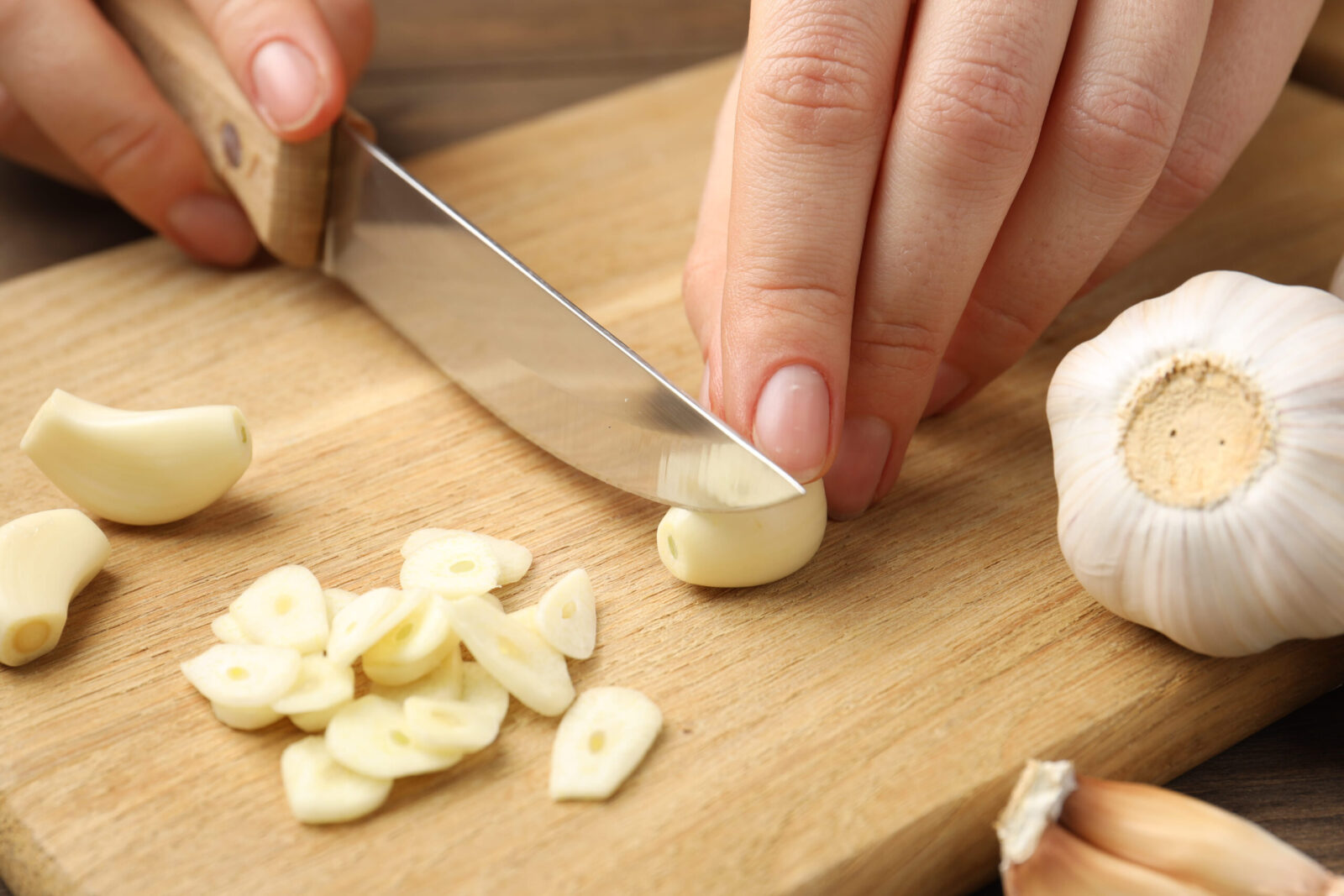
Freezing seems like a convenient way to preserve food, but not every item survives the cold. Some foods change in texture, flavor, or appearance, making them unappealing or even unusable. Understanding which items to avoid freezing keeps your kitchen efficient and your meals enjoyable.
Mayonnaise

Freezing mayonnaise breaks the emulsion, causing separation into a grainy, curdled liquid. It loses its creamy texture and is no longer suitable for spreads or dressings.
Alternative: Keep refrigerated and use within the recommended shelf life.
Salad Greens

Lettuce, spinach, and other leafy greens wilt and become limp after freezing. Ice crystals rupture the leaves, destroying crispness and making them unappetizing.
Alternative: Store in airtight containers or perforated bags in the fridge for freshness.
Fried Foods
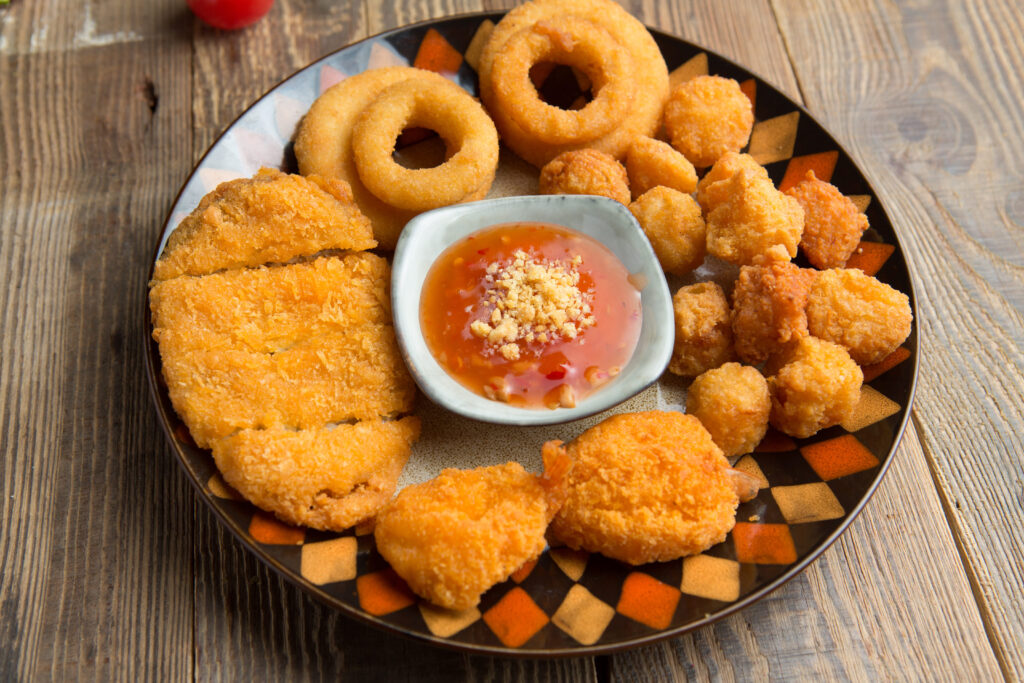
Fried foods such as chicken or tempura lose their crispiness and become soggy when frozen. This makes reheating disappointing and less enjoyable.
Alternative: Cook fresh or reheat in an oven or air fryer.
Avocados
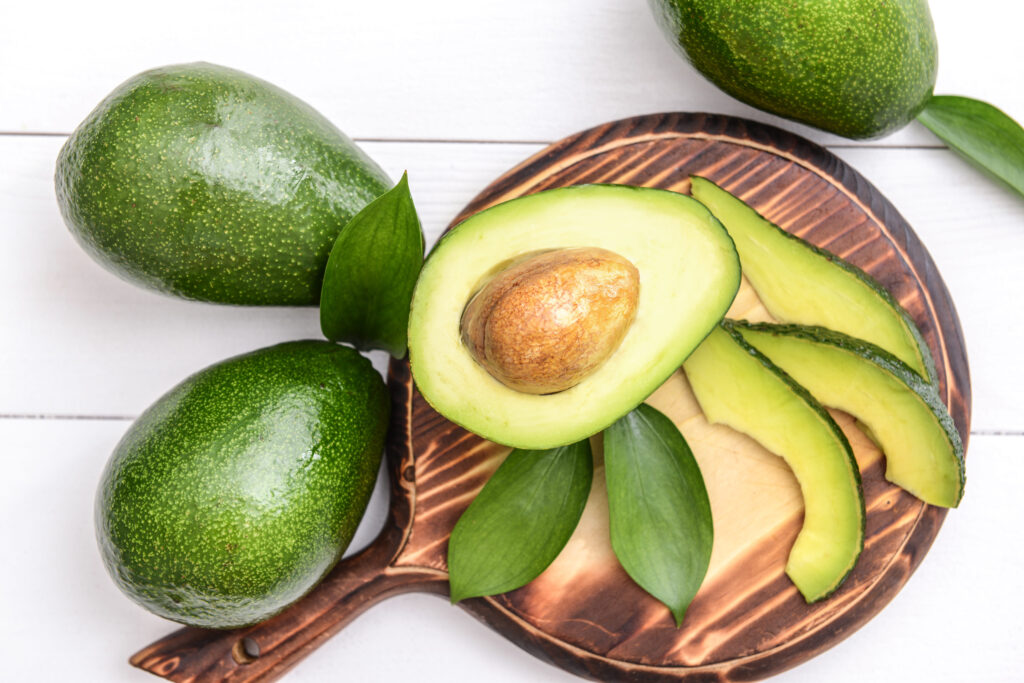
High water content in avocados forms ice crystals when frozen, turning the fruit mushy and brown upon thawing.
Alternative: Mash and freeze with a little lemon or lime juice for guacamole or as a spread.
Milk
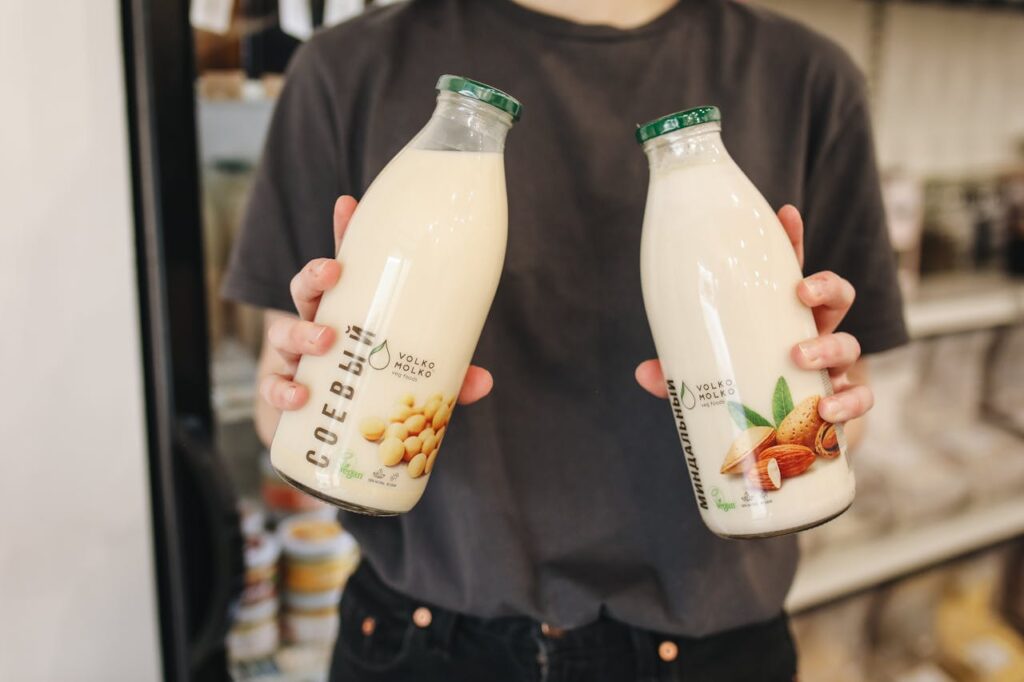
Milk separates and turns grainy after freezing, affecting both texture and flavor. Drinking frozen-thawed milk may require blending to restore consistency.
Alternative: Freeze small portions for cooking; otherwise, refrigerate for daily use.
Cooked Rice and Pasta
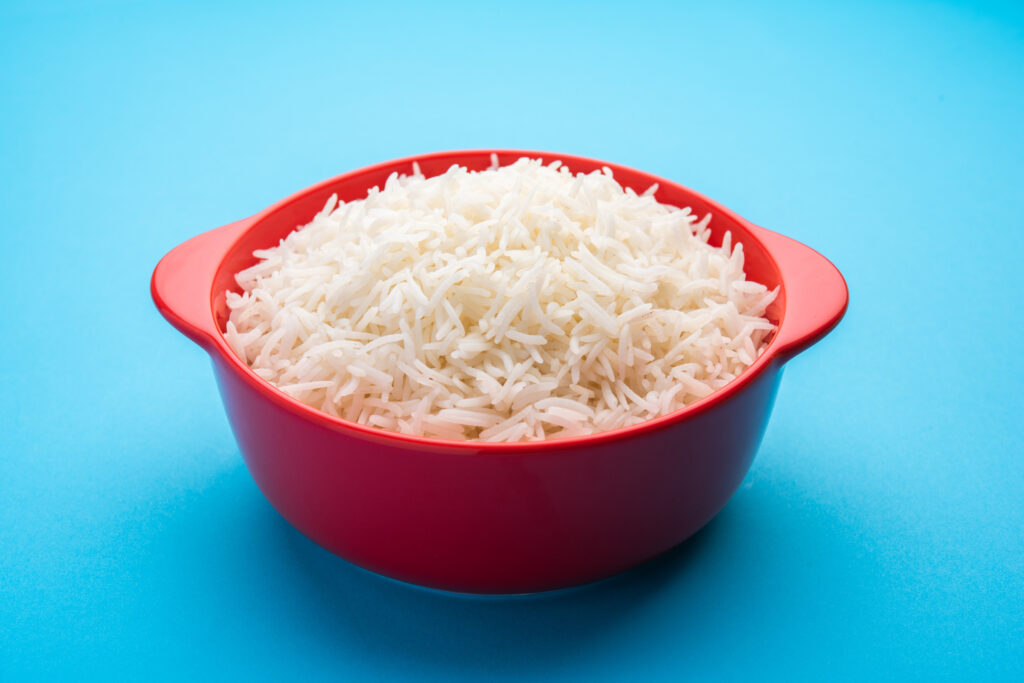
Freezing fully cooked rice or pasta causes a mushy, overcooked texture due to water expansion and starch breakdown.
Alternative: Freeze lightly undercooked grains or pasta in airtight containers; reheat with sauce for better texture.
Raw Potatoes
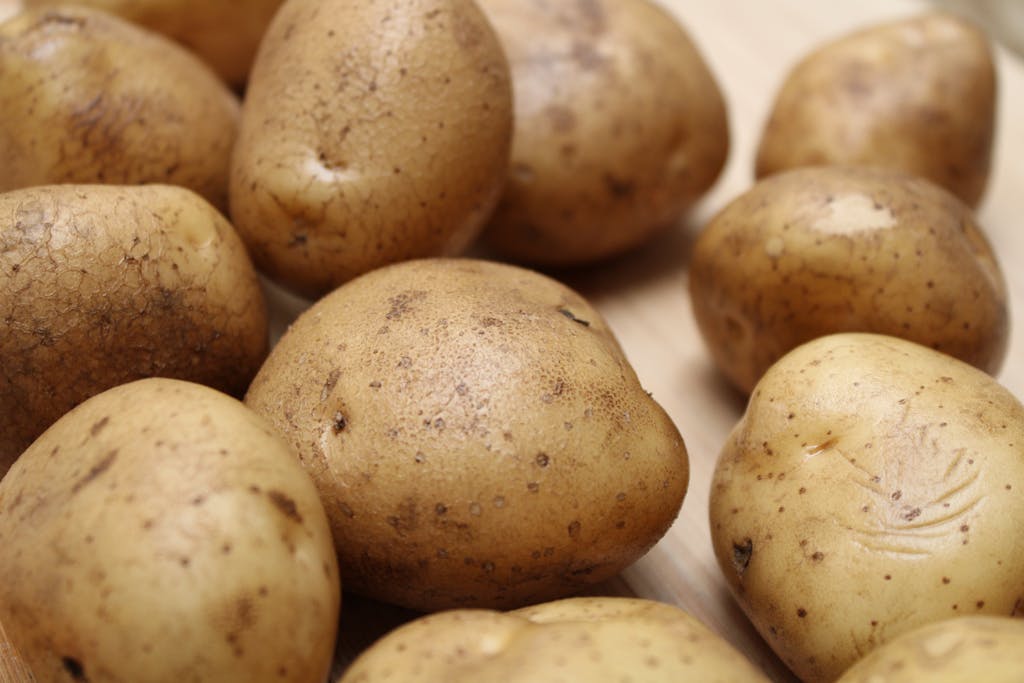
Raw potatoes develop a grainy texture and darkened skin because freezing ruptures their cells.
Alternative: Cook or parboil before freezing for use in soups, stews, or hash dishes.
Whole Eggs
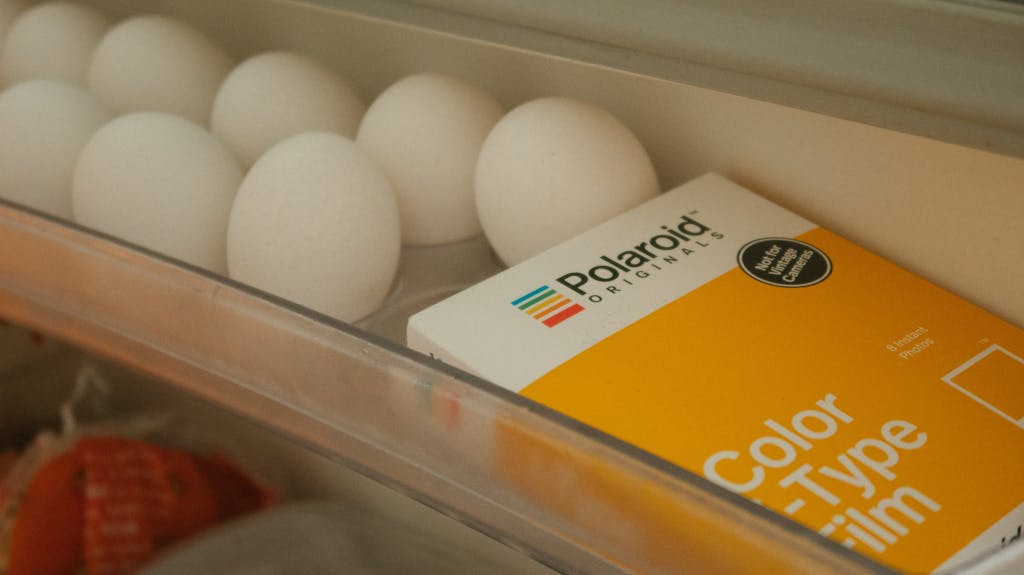
Eggs in shells expand when frozen, often cracking and creating contamination risks. Thawed egg whites become rubbery, and yolks gritty.
Alternative: Beat eggs and freeze in airtight containers for later baking or scrambled dishes.
Soft Cheeses (Brie, Ricotta, Cottage)

Soft, high-moisture cheeses separate and crumble when frozen. They are only suitable for incorporation into cooked dishes after thawing.
Alternative: Use fresh or frozen solely for recipes where texture alteration is acceptable.
Freezing improperly can ruin the texture, taste, and usability of foods. Avoiding these nine items ensures that your meals retain quality, flavor, and nutritional integrity while reducing kitchen waste.