Mediterranean gardens are known for their sun-soaked charm, low water needs, and timeless style. But the trick is to pick plants that actually thrive in heat and with minimal watering. Choosing the wrong greenery can turn your oasis into a wilted, patchy mess, making careful selection essential.
These seven Mediterranean plants combine durability, texture, and visual appeal, giving your garden a resilient backbone while keeping maintenance simple. Each has its own personality, from aromatic herbs to striking succulents, helping you create a garden that is beautiful, practical, and truly drought-tolerant.
Santolina
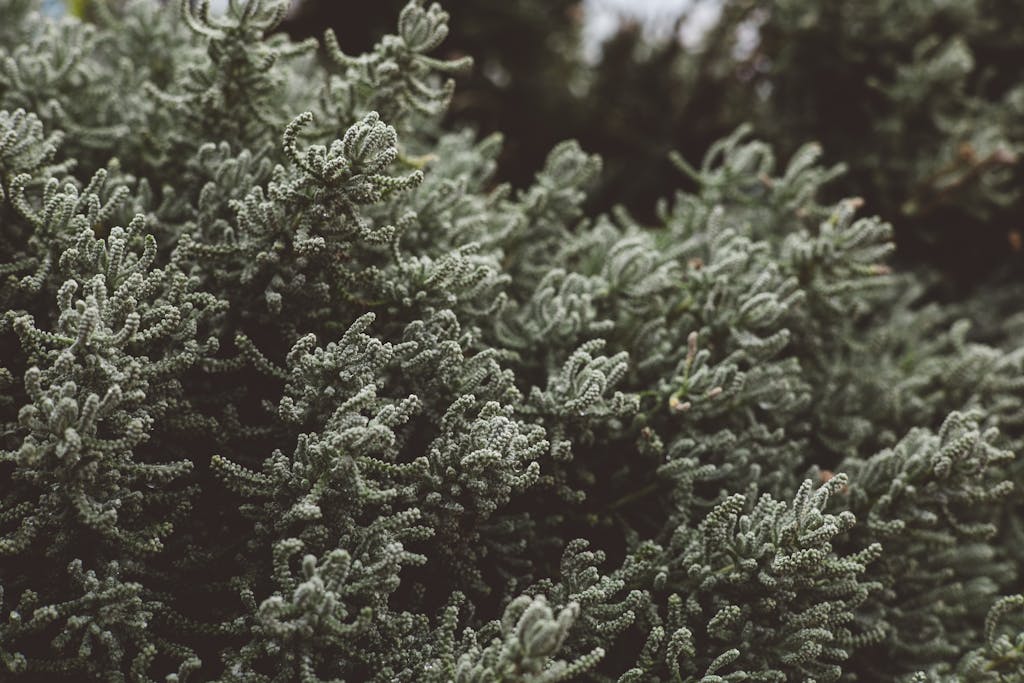
Santolina, or lavender cotton, is a compact, evergreen shrub with aromatic gray-green foliage and small yellow button-like flowers. It is perfect for edging, mass plantings, or rock gardens, offering structure and fragrance with minimal care. Like other Mediterranean plants, it thrives in full sun with dry, well-drained soil. Santolina’s drought tolerance makes it a resilient companion to herbs like rosemary or lavender, and regular trimming keeps the plant dense and neat. Its soft texture and muted color palette create a calming effect that enhances the overall garden composition.
Lavender
Lavender is the quintessential Mediterranean herb, instantly adding fragrance, color, and texture. Its silvery foliage contrasts beautifully with green shrubs, and its purple blooms attract pollinators while deterring pests. Lavender thrives in full sun with well-drained soil, making it ideal for dry climates where other plants struggle. Overwatering or heavy soil can quickly rot the roots, so planting in a raised bed or gravelly area ensures longevity. Regular pruning after flowering keeps plants healthy, encourages more blooms, and prevents a leggy, unruly look that can ruin a clean garden aesthetic.
Rosemary
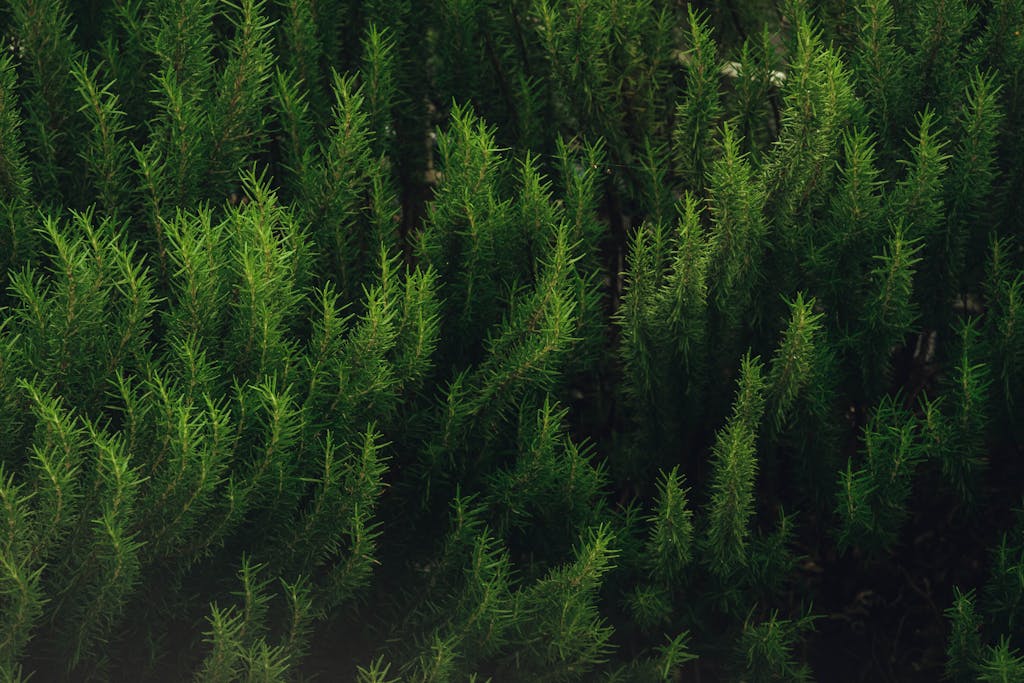
Rosemary offers both ornamental beauty and practical use in the kitchen. Its evergreen, needle-like leaves bring year-round structure, while the woody stems support clusters of tiny blue flowers in spring and summer. Like lavender, rosemary prefers full sun and dry, sandy soil. It is highly drought-tolerant once established, but can suffer in areas with poor drainage. Planting rosemary as a hedge, along pathways, or in containers creates both fragrance and functional greenery. Regular pruning keeps it shapely, preventing sprawling growth that can overshadow smaller companion plants.
Bougainvillea
Bougainvillea is a show-stopper with bold, vibrant bracts that seem to bloom endlessly in warm conditions. This fast-growing vine adds dramatic color and vertical interest, making it perfect for walls, trellises, or pergolas. While tolerant of drought, bougainvillea can become invasive if left unchecked, so early training and pruning are essential. Full sun exposure ensures maximum blooms, and minimal water encourages stronger growth and more prolific flowering. Its ability to thrive in dry soil makes it a favorite for gardens where other plants may wilt, but placement is key to avoid tangling with walkways or structures.
Agave

Agave is a sculptural succulent that brings bold, architectural appeal to Mediterranean gardens. Its thick, fleshy leaves store water, allowing it to survive long dry periods without supplemental irrigation. Agave requires full sun and excellent drainage, making it ideal for xeriscaping or rock gardens. While visually striking, its spines can pose a hazard, so placement away from footpaths is critical. Slow-growing and hardy, agave becomes a low-maintenance anchor plant that provides year-round form and complements nearby flowering herbs or shrubs.
Lamb’s Ear
Lamb’s ear is a soft-textured, silver-leaved perennial that thrives in dry, sunny spots. Its velvety foliage adds contrast to darker green shrubs and flowering plants while remaining remarkably drought-tolerant. Lamb’s ear spreads gently but does not require constant attention, creating natural ground cover in sunny borders. It does best in well-drained soil, as overly wet conditions can cause fungal issues. The plant’s muted silver color and tactile appeal make it a versatile choice for Mediterranean-style gardens, complementing both herbs and larger architectural plants, such as agave.
Olive Trees

Olive trees are iconic in Mediterranean landscapes, providing both shade and sculptural form. They thrive in full sun and tolerate long dry spells once established. Olive trees prefer well-drained soil and minimal water, reflecting their historical use in arid climates. Pruning encourages strong, open growth, prevents overcrowding, and improves air circulation. While slow growing, a mature olive tree adds timeless elegance, producing silvery leaves that contrast beautifully with colorful blooms or gravel pathways.
Conclusion
Mediterranean plants combine style, resilience, and practicality, making them perfect for low-water gardens. Lavender, rosemary, bougainvillea, agave, lamb’s ear, olive trees, and santolina provide a mix of color, texture, and structure while surviving dry spells that would challenge other species. By selecting the right plants and giving them proper sun, soil, and spacing, you can create a Mediterranean garden that feels effortless, lush, and enduring. A thoughtfully curated combination of these species transforms even a small backyard into a fragrant, sun-filled escape.