A great meal can fall apart long before it reaches the table. Sometimes the problem is not the recipe, the pan, or the oven. It is the old kitchen advice we repeat because someone said it with confidence years ago.
Some cooking myths sound harmless, but they quietly change flavor, texture, safety, and even food waste. We rinse meat because it “feels cleaner.” We pour oil into the pasta water because we think it prevents sticking. We judge chicken by color, salt water for speed, and microwave vegetables with suspicion. These habits survive because they feel logical, but good cooking rewards proof over folklore.
Stop Washing Raw Meat Before Cooking
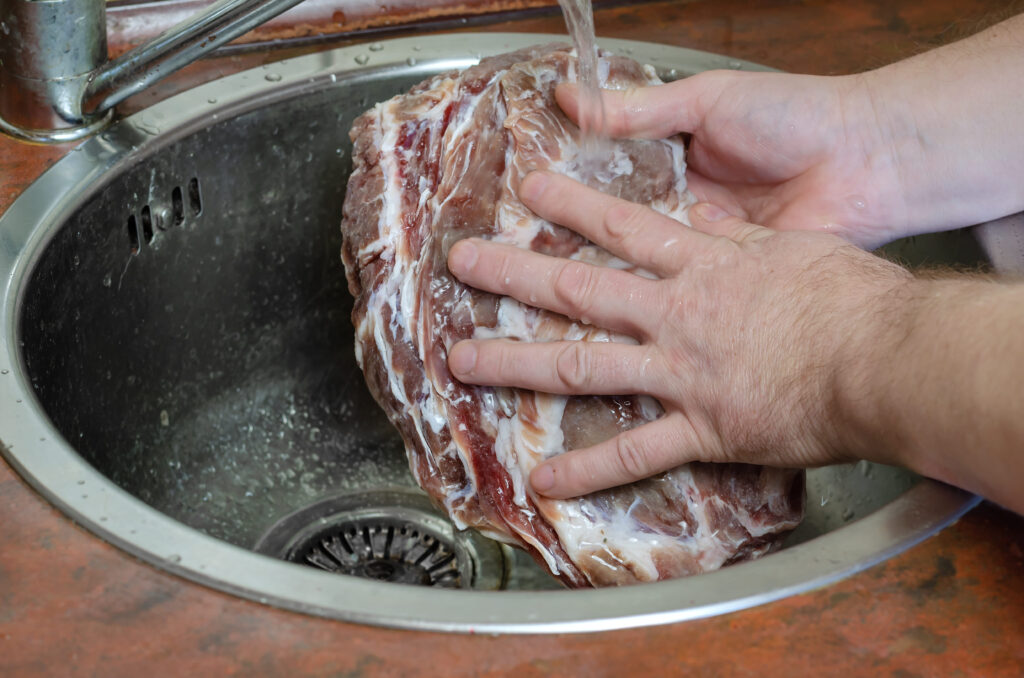
Washing raw meat feels like a cleanliness step, but it creates a mess we cannot always see. Raw poultry, beef, pork, and lamb can harbor bacteria on their surfaces, and running water over them can splash contaminated droplets onto the sink, faucet, counter, utensils, and nearby food. The safer move is simple. Keep raw meat contained, pat it dry with paper towels when needed, wash hands and surfaces well, then cook the meat to the right internal temperature. USDA guidance warns that rinsing meat or poultry increases the risk of cross-contamination, and CDC food safety advice also notes that raw chicken is ready to cook without washing.
Drying meat still matters, but drying is not the same as washing. A dry surface browns better because steam can escape, allowing the pan to form a proper crust. We can place the meat on a tray, blot the surface, season it, and move it straight to a hot pan, oven, grill, or air fryer. That gives us better flavor without turning the sink into a bacteria sprinkler.
Color Does Not Prove Meat Is Safe
The eye is a poor thermometer. Chicken can look white before it is fully safe, and ground beef can turn brown before reaching the temperature needed to reduce harmful bacteria. The USDA notes that color is an unreliable sign of doneness for ground beef, with some patties browning before they reach 160°F.
A food thermometer does not ruin the romance of cooking. It protects the meal. Poultry should reach 165°F, ground meats should reach 160°F, and whole cuts of beef, pork, veal, and lamb should reach 145°F, followed by a three-minute rest. Once we use temperatures instead of guesswork, we stop overcooking everything out of fear and stop undercooking food by trusting color too much.
Searing Meat Does Not Seal In Juices
The phrase “sear it to lock in the juices” sounds powerful, but meat does not seal like an envelope. Searing creates deep browning and savory flavor, but it does not form a waterproof barrier that traps moisture inside. Testing and culinary science reporting continue to show the same pattern. Searing improves taste through browning, not because it locks the meat shut.
That does not make searing useless. It makes it seem misunderstood. We should seek flavor, aroma, color, and texture. A steak with a browned crust feels more satisfying because the surface carries roasted, nutty, meaty notes. Juiciness comes from temperature control, resting, salt timing, meat quality, and avoiding overcooking. A hard sear can help the outside taste better, but a thermometer keeps the inside from turning dry.
Thawing Meat On The Counter Is Not Safe
Counter thawing is one of those habits that feels normal because many households grew up doing it. The problem is that the outside of the meat warms first, even when the center stays frozen. That outer layer can sit in the temperature danger zone long enough for bacteria to grow quickly. USDA food safety guidance says perishable foods should not be thawed on the counter or in hot water, and they should not be left at room temperature for more than two hours.
The safer choices are refrigerator thawing, cold water thawing in a sealed bag, or microwave thawing followed by immediate cooking. Refrigerator thawing takes planning, but it keeps food cold and controlled. Cold water thawing works faster as long as the package stays sealed and the water stays cold. The microwave works in a pinch, but it can partially warm or cook edges, so we should cook the food right away.
Oil In Pasta Water Does Not Stop Sticking
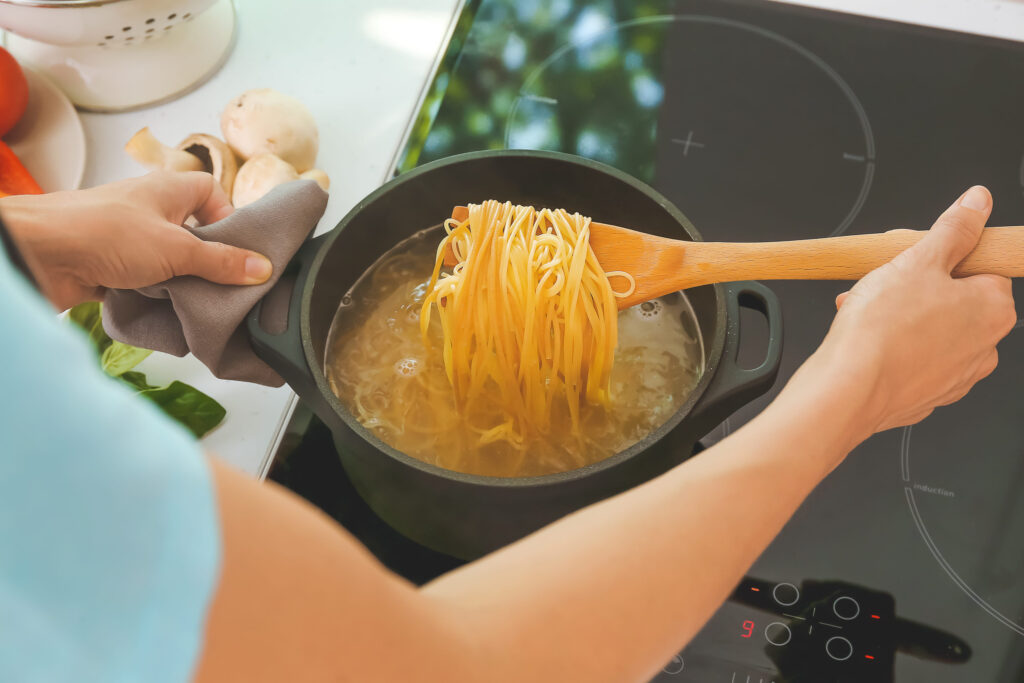
Adding oil to pasta water is one of the most stubborn cooking myths because it feels clever. Oil is slippery, so people assume it will coat the noodles and keep them from sticking together. In the pot, oil mostly floats on top because oil and water do not mix. The real way to prevent sticking is to use boiling salted water and stir the pasta during the first few minutes, when surface starch is most likely to glue noodles together. Barilla’s pasta guidance says oil will not prevent sticky pasta and may interfere with sauce clinging later.
The better pasta habit is more active and less wasteful. Use enough water, add salt for flavor, stir early, and reserve starchy pasta water before draining. That cloudy water helps the sauce cling because starch gives it body. When we finish pasta in the sauce for a minute or two, the noodles absorb flavor instead of sitting under a watery topping.
Salt Does Not Make Water Boil Faster in Any Useful Way
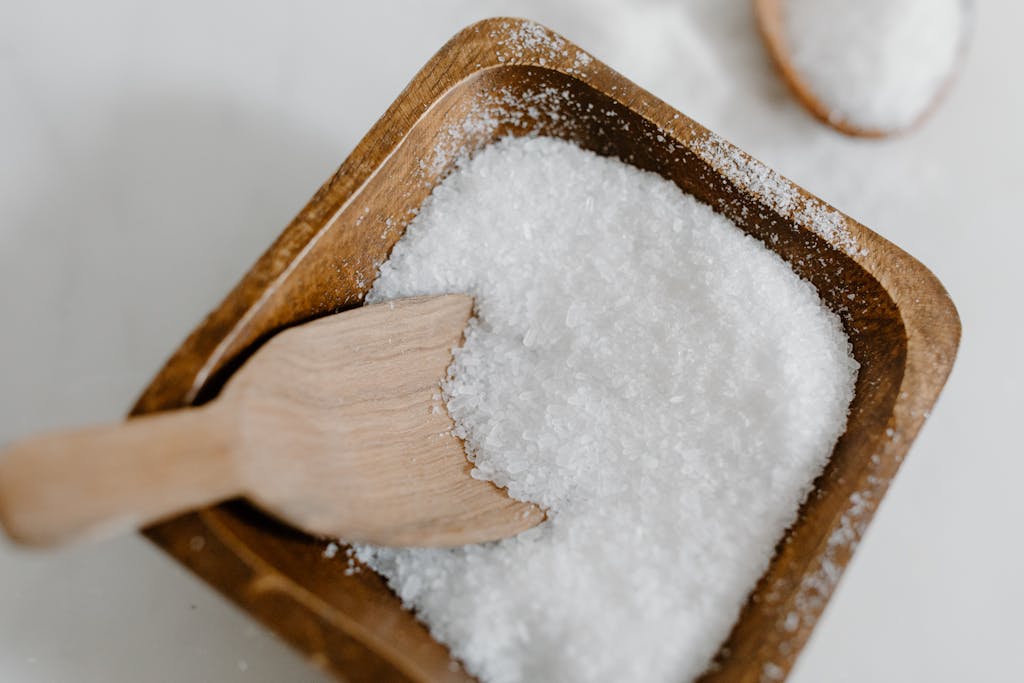
Salt belongs in pasta water, but speed is not the reason. Salt slightly raises water’s boiling point, and typical kitchen amounts do not provide a significant time advantage. The better reason to salt cooking water is seasoning. Pasta, potatoes, grains, and vegetables taste flatter when their interior has no seasoning. Serious Eats explains that dissolved solids, such as salt, raise the boiling point, but the effect at normal cooking levels is minimal.
This myth matters because it changes how we think about flavor. If we salt water only for boiling speed, we may add too little or skip it at the wrong time. If we salt water for seasoning, we treat the ingredient from the inside out. Pasta water should taste seasoned, not aggressively briny. Potatoes should absorb salt as they cook, not wait for all the flavor to come from butter at the end.
Rinsing Hot Pasta Usually Makes Sauce Worse
Rinsing pasta after draining seems tidy, but it washes away the surface starch that helps the sauce hold on. Hot pasta headed for a sauce should usually go straight from the pot to the pan or bowl. The starch left on the noodles helps bind sauce, especially when we add a splash of reserved pasta water. Barilla also advises against rinsing pasta for regular hot pasta dishes.
There is one big exception. Pasta for cold salads can be rinsed to stop cooking and cool the noodles quickly. For hot spaghetti, penne, rigatoni, linguine, or fettuccine, rinsing often makes the meal taste weaker. The sauce slides off, the pasta cools too quickly, and the final dish feels separated rather than silky.
Cooking Vegetables Does Not Destroy All Nutrients
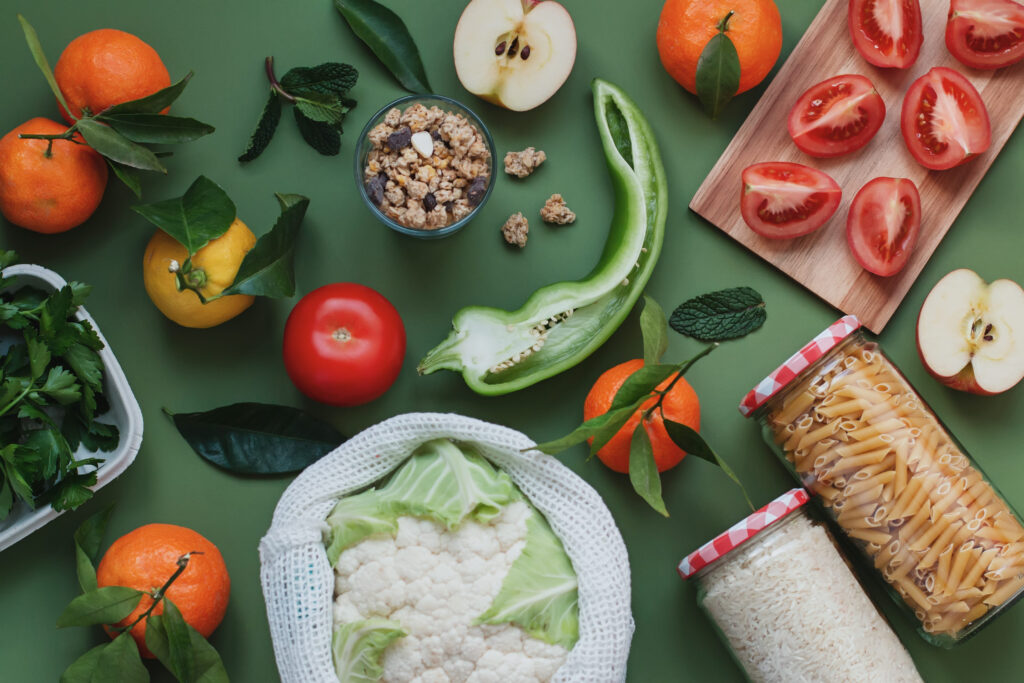
Raw vegetables have value, but cooking does not turn vegetables into empty fiber. Some water-soluble nutrients can decline with heat and water, especially when vegetables are boiled, and the cooking liquid is discarded. At the same time, cooking can make other compounds more readily available to the body, soften tough plant structures, and make vegetables more enjoyable to eat. Harvard Health notes that boiling vegetables can pull nutrients into cooking water, and research comparing cooking methods found that vitamin retention varies by vegetable and method.
The smarter rule is not “raw is best.” The smarter rule is variety. Steam broccoli, roast carrots, sauté greens, eat crunchy salads, simmer tomatoes, and avoid boiling delicate vegetables until they lose color and texture. The best vegetable is often the one we actually enjoy enough to eat regularly. A tender crisp green bean with olive oil and garlic beats a raw vegetable that sits untouched in the fridge until it wilts.
Microwaves Do Not Destroy Food Nutrition
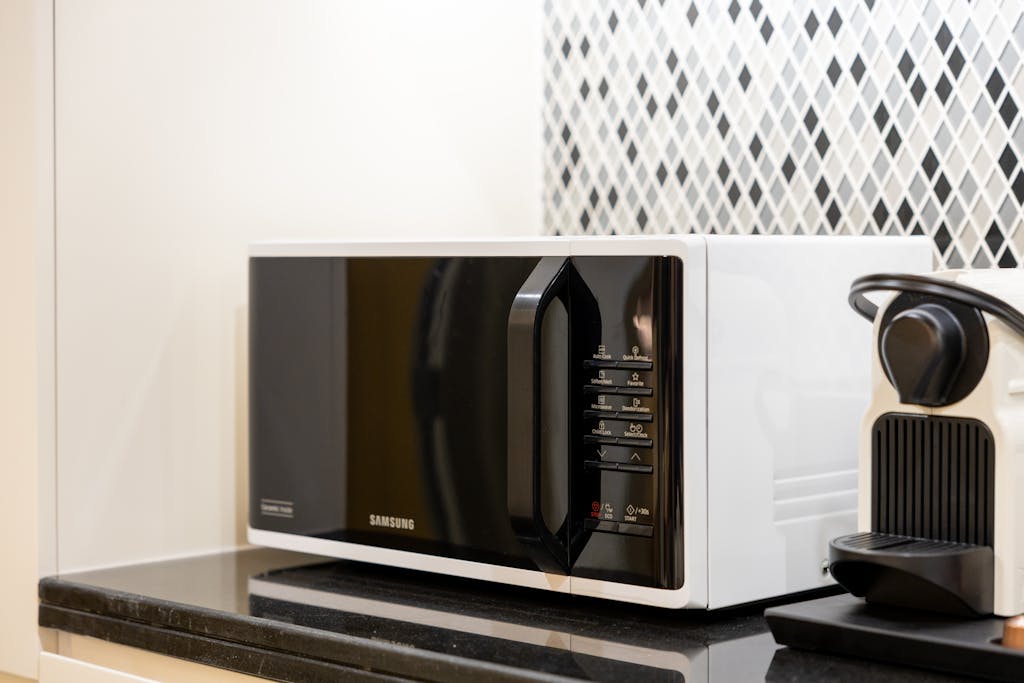
Microwaves have a reputation problem. Some people still treat them like nutrient villains, but the science is kinder than the rumor. Microwave cooking is often fast and uses little water, which can help protect certain nutrients that would otherwise leach into boiling water. Harvard Health explains that microwave cooking can preserve nutrients well because shorter cooking times reduce nutrient loss, especially when little water is used.
The microwave can be a smart tool when used properly. Cover vegetables with a microwave-safe lid or plate, add a small splash of water, cook in short intervals, and stop before the food turns limp. This method can steam vegetables quickly without drowning them. The problem is not the microwave. The problem is overcooking, using unsafe containers, or expecting one appliance to fix every bad habit.
Nonstick Pans Are Not Always the Best Pan
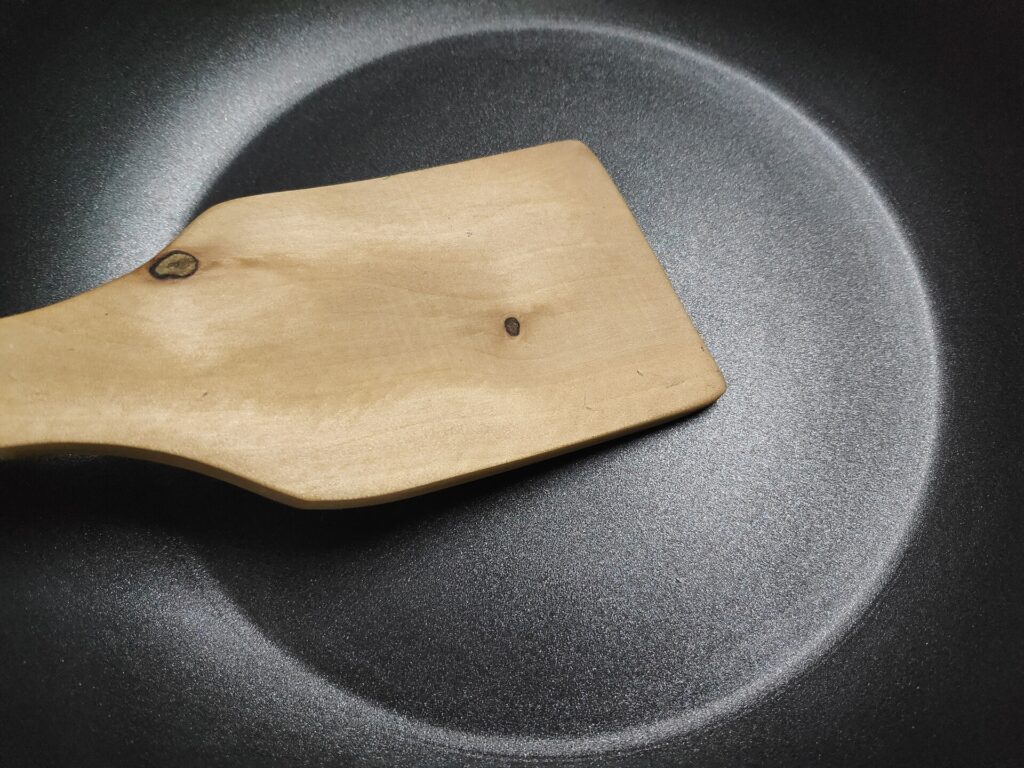
Nonstick pans are useful, especially for eggs, pancakes, delicate fish, and low-oil cooking. The myth is that they are automatically the safest, strongest, and most versatile choice for every job. They are not. Stainless steel, cast iron, carbon steel, enamel, and oven-safe sheet pans each have strengths that nonstick cannot match. A nonstick skillet is a specialist, not the king of the kitchen.
The main rule is to avoid abusing nonstick coatings. Poison Control notes that normal use of Teflon-coated cookware is not considered dangerous, but overheated pans can release fumes that may cause symptoms of polymer fume fever. That means we should avoid preheating an empty nonstick pan over high heat, skip broiling with nonstick unless the manufacturer allows it, use wood or silicone utensils, and replace badly scratched pans. We get better results when we match the pan to the job instead of forcing one surface to do everything.
More Spices Do Not Always Mean More Flavor
A crowded spice cabinet can make us feel powerful, but flavor is not a numbers game. Too many spices can blur a dish, leaving nothing clear. Cumin, smoked paprika, cinnamon, garlic powder, curry powder, oregano, chili flakes, and five-spice can each be wonderful, but using all of them together without a plan creates noise.
Better seasoning starts with intention. We can choose one leading flavor, one supporting flavor, and one bright finishing note. For example, cumin can lead a bean stew, coriander can soften the edges, and lime can wake it up at the end. Freshness matters too. Old ground spices lose aroma over time, so a smaller collection used often usually beats a giant collection that smells like dust.
Sugar Is Not Always a Mistake in Cooking
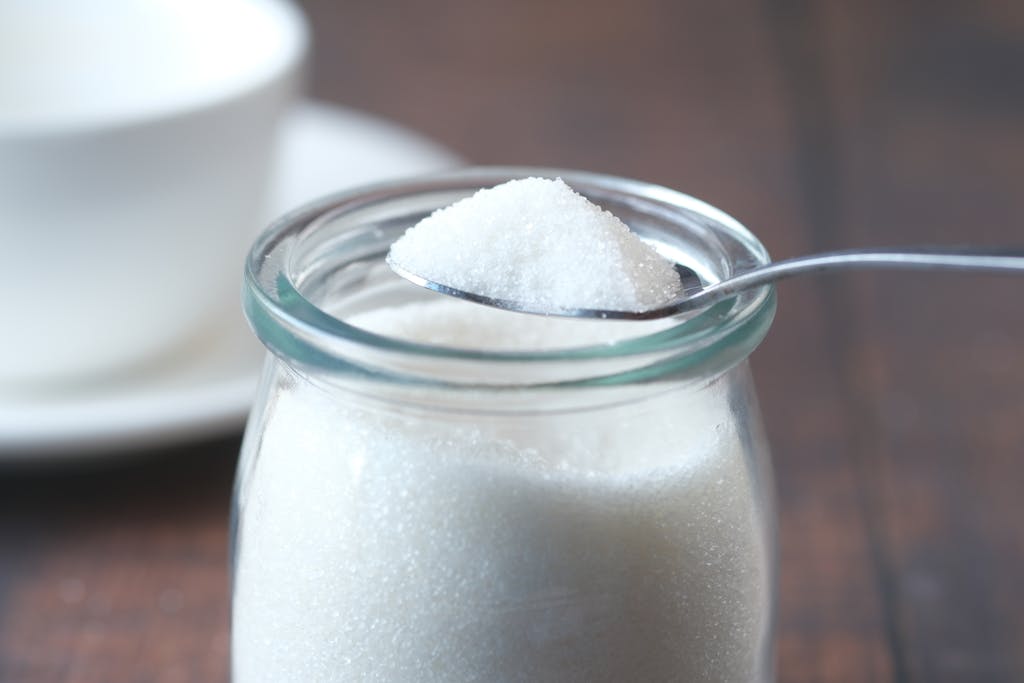
Sugar is often treated like a villain, but in cooking and baking, it has roles beyond sweetness. It balances acidity in tomato sauce, supports browning, helps baked goods retain moisture, and affects tenderness. University of Nebraska extension material on baking ingredients notes that sugar tenderizes dough and batter products, helps browning, and improves moisture retention in sweetened breads.
That does not mean every dish needs sugar. It means the ingredient should be understood before it is removed. A small pinch in a harsh tomato sauce can round the edge without making the sauce taste sweet. In baking, cutting sugar sharply can change texture, spread, color, and shelf life. Good cooking asks a better question than “Is sugar bad?” It asks what the sugar is doing in this recipe.
Eggless Raw Cookie Dough Is Still Risky
Many people think raw cookie dough is only risky because of eggs. That misses the flour problem. Flour is a raw agricultural product, and it can harbor germs that are killed only by baking. CDC guidance warns that uncooked flour and raw eggs can contain germs that can make people sick, and the FDA also warns against tasting raw flour, dough, or batter.
Eggless dough is not automatically safe unless the flour has been properly heat-treated and the recipe is designed for eating raw. This matters for cookie dough, cake batter, pizza dough, homemade playdough, and any recipe where flour has not been cooked. The safe move is easy. Bake the dough, use edible cookie dough recipes with treated flour, and clean surfaces after handling raw flour.
Greasing A Pan Is Not Always Enough
Greasing a pan helps, but it does not guarantee a clean release. Cakes, quick breads, brownies, sticky buns, and delicate bakes often need more protection. Butter alone can leave patches. Oil can pool. Spray can miss corners. A cake can still tear if the base has no barrier.
The better method depends on the recipe. Parchment paper protects the bottom of cakes and brownies. Grease plus flour helps some cakes grip lightly while still releasing. Cocoa powder can replace flour for chocolate cakes, so the outside does not turn pale. Loaf pans often need a parchment sling so we can lift the bread or cake out cleanly. The myth fails because baking is not just about lubrication. It is about structure, sugar, moisture, and timing.
High Heat Is Not The Secret To Better Cooking
Heat creates browning, but more heat does not always mean better food. A screaming-hot pan can burn garlic, split butter, scorch spices, toughen eggs, blacken bread before the cheese melts, and overcook thin meat before the center catches up. Professional-looking cooking often comes from controlled heat, not maximum heat.
We should use high heat for specific jobs, such as searing a steak, blistering vegetables, stir-frying small cuts, or boiling water. Medium heat is better for pancakes, eggs, onions, grilled cheese, and many sauces. Low heat protects custards, chocolate, garlic, and slow-cooked aromatics. Once we stop treating the stove like an on-and-off switch, food becomes more consistent.
Recipes Are Not Always Perfect As Written
A recipe is a map, not a law. Ovens run hot or cold. Pans conduct heat differently. Vegetables vary in water content. Chicken breasts come in wildly different sizes. A tomato sauce made with ripe summer tomatoes will not behave exactly like one made with canned tomatoes or pale winter tomatoes.
We should read recipes with judgment. Cooking times are clues. Visual cues, texture, smell, temperature, and taste matter more. If onions are browning too fast, lower the heat. If a sauce is thin, simmer longer. If the chicken pieces are large, check the temperature rather than relying on the clock. Good cooks follow the recipe closely at first, then respond to the food in front of them.
The Better Kitchen Rule We Should Follow
Most cooking myths survive because they offer certainty. They turn a messy, sensory activity into a neat command. Rinse this. Add oil there. Cook until it looks done. Use high heat. Never microwave. Always sear first.
The better rule is more useful. Ask what the habit is supposed to accomplish, then choose the method that actually gets us there. If we want safer meat, we use temperature. If we want pasta that holds sauce, we stir early and save starchy water. If we want nutritious vegetables, we cook them gently and avoid drowning them. If we want better flavor, we season with purpose instead of repeating inherited shortcuts.
Conclusion
Cooking myths do not just waste time; they make food less safe, less flavorful, less consistent, and harder to enjoy. The best kitchen habits are not the loudest or oldest ones. They are the habits that produce better results every time we cook.
We do not need to turn dinner into a science class. We only need to trade kitchen superstition for practical skill. Use a thermometer. Stir the pasta early. Stop rinsing raw meat. Treat the microwave like a tool, not a threat. Cook vegetables with care. Season with intention. Once these myths leave the kitchen, the food gets cleaner, smarter, and much easier to trust.