Flowers are often seen as symbols of beauty and tranquility, brightening gardens and adorning homes. But not all flowers are harmless. Some, despite their stunning appearances, are capable of delivering swift and deadly consequences. These deadly beauties are armed with potent toxins that can result in various fatal effects, from organ failure to heart attacks. In this article, we delve into 10 such flowers whose deadly secrets lie beneath their alluring exteriors.
Kalmia Latifolia – Mountain Laurel
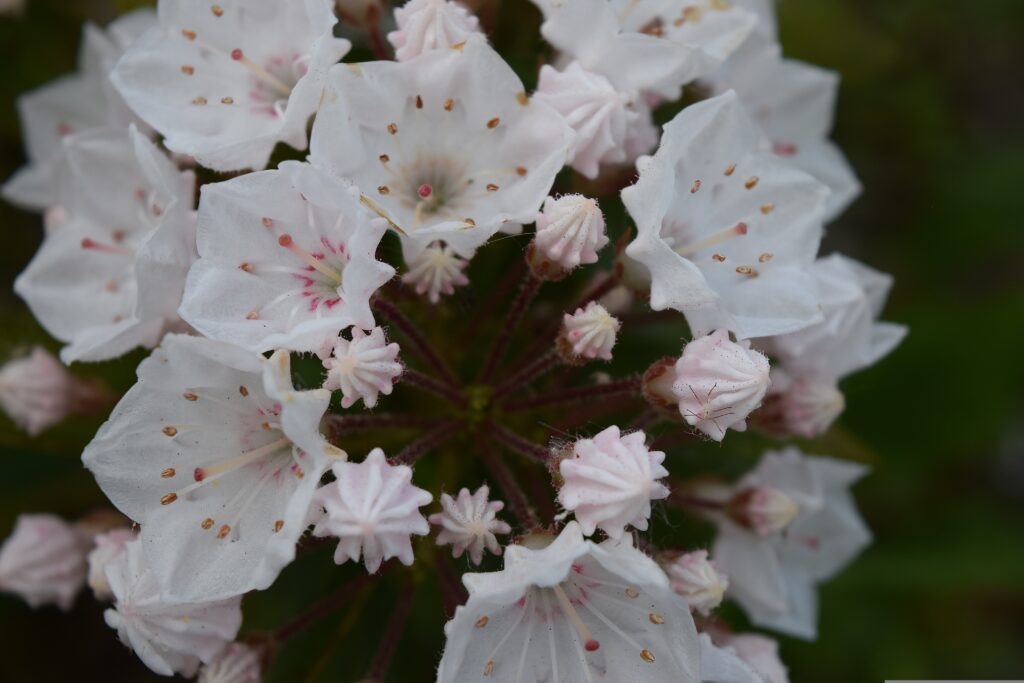
Kalmia latifolia, commonly known as mountain laurel, is a flower found in many gardens across the eastern United States. Despite its delicate pink and white petals, this plant harbors deadly toxins like andromedotoxin. These compounds interfere with the heart’s electrical system, causing arrhythmias that can lead to sudden cardiac death. Even more horrifying is the fact that the toxins are not limited to the plant itself; honey produced by bees that pollinate mountain laurel can carry the same lethal properties. Known as “mad honey,” this substance was used in ancient Greece to kill enemies.
Veratrum
Veratrum, often mistaken for garlic due to its appearance, is a plant found in mountainous regions across the Northern Hemisphere. It produces beautiful white, heart-shaped flowers, but every part of this plant is deadly. The toxins in Veratrum target sodium ion channels in the body, leading to erratic heartbeats, muscle convulsions, and, eventually, heart failure or coma. This potent toxin is believed to have been the cause of death for the ancient ruler Alexander the Great.
Jacobaea Vulgaris – Ragwort
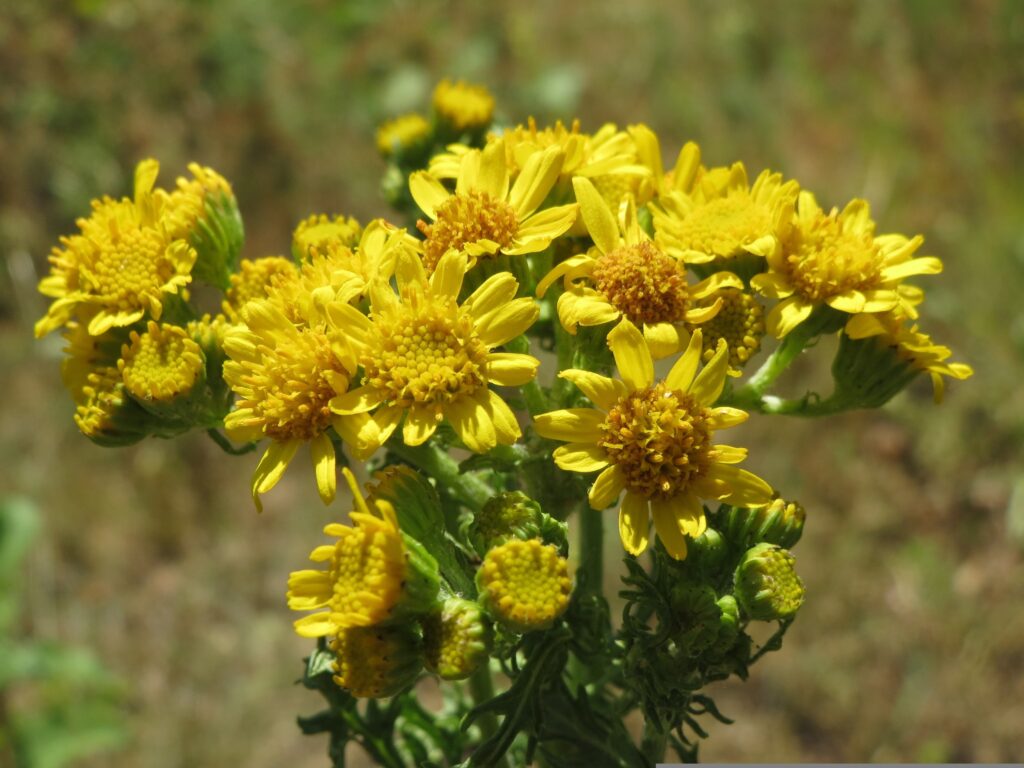
Ragwort may seem like an innocuous wildflower, but its toxic alkaloids are infamous for causing slow and painful death. Commonly found in the UK, ragwort contains toxins that accumulate in the liver over time, leading to cirrhosis. The symptoms of poisoning, including vomiting, abdominal pain, and loss of coordination, worsen as the liver becomes more damaged. Tragically, these toxins can also contaminate honey and milk from animals that consume ragwort, silently poisoning anyone who ingests them.
Laburnum
Laburnum, also known as the golden chain tree, contains a potent toxin called cytisine. This chemical is capable of causing severe poisoning, especially in children who ingest the flowers or seeds. The symptoms include violent vomiting, convulsions, and muscle spasms. Death follows quickly, as the toxin induces a state of deep coma, and without quick medical intervention, it can prove fatal.
Zantedeschia – Calla Lily
The calla lily, botanically known as Zantedeschia, is often seen as a symbol of beauty and purity and is commonly featured in floral arrangements. However, the plant contains calcium oxalate crystals, which are highly toxic if ingested. When consumed, the crystals can cause severe pain, swelling of the throat, and even suffocation. Even a small amount of ingestion can lead to hospitalization, as the swelling can block airways and prevent breathing.
Sanguinaria Canadensis – Bloodroot
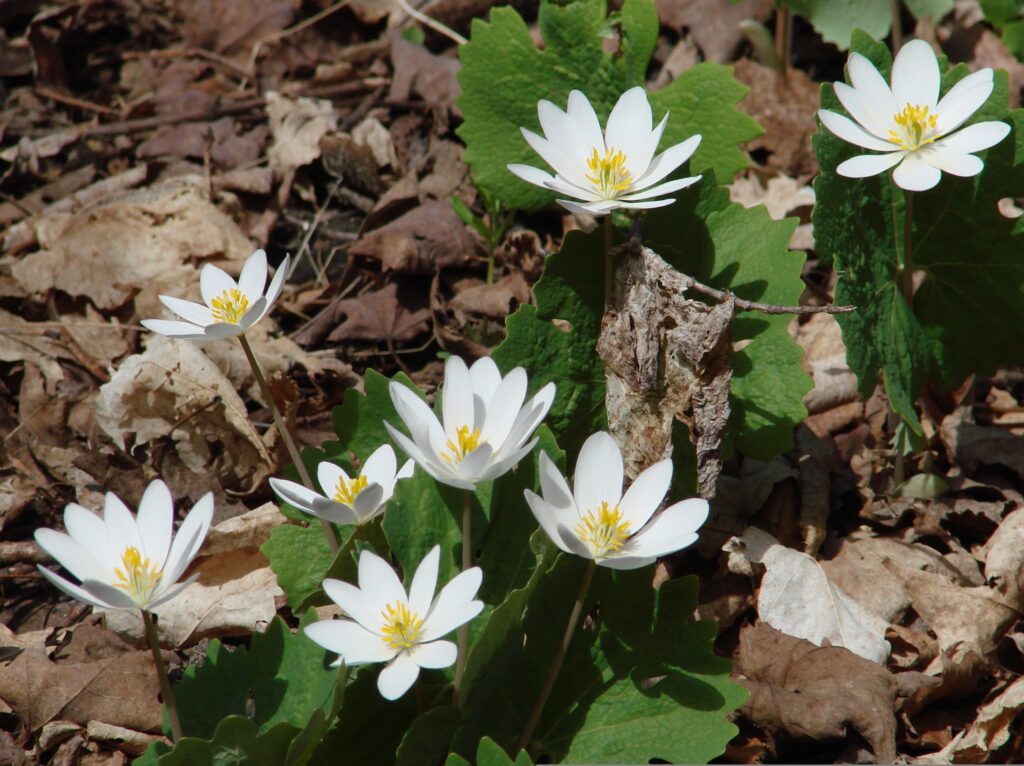
Sanguinaria canadensis, or bloodroot, is a plant with a long history of medicinal use among Native Americans. However, it contains a toxin known as sanguarine, which can cause severe tissue damage. When applied to the skin or ingested, it acts as an escharotic, killing tissue and leaving black scars. Ingesting larger quantities leads to organ failure and can result in a slow, painful death.
Cerbera Odollam
Cerbera odollam, known locally in India as the “suicide tree,” is a potent killer. The plant contains cerberin, a glycoside that causes cardiac arrest. The toxins start working quickly, often causing death within hours of ingestion. Tragically, this plant is often used for suicide or murder, as it leaves no trace in the body, making it nearly impossible to detect the cause of death.
Adenium Obesum – Desert Rose
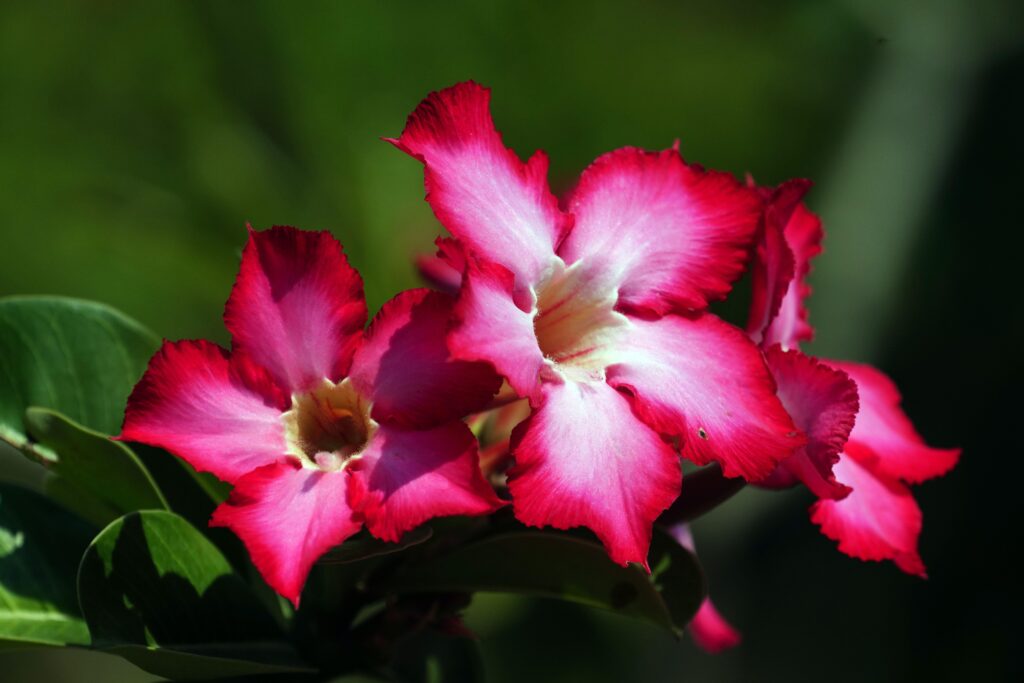
Native to Africa, Adenium obesum, also known as the desert rose, is both beautiful and deadly. The plant contains ouabain, a potent poison that causes respiratory failure at high doses. The toxins are so concentrated that they’ve been used for centuries to poison arrows for hunting. Even a small amount of exposure can lead to serious health problems, including organ failure and death.
Colchicum Autumnale – Naked Lady
Native to the UK, Colchicum autumnale, also known as “naked lady,” is a strikingly beautiful flower. However, it carries colchicine, a poison that causes widespread organ failure. Colchicine disrupts cellular processes, leading to a breakdown of vital body functions. Unlike many poisons, colchicine’s effects can take days or even weeks to fully manifest, resulting in a slow and agonizing death.
Oenanthe Crocata – Hemlock Water Dropwort
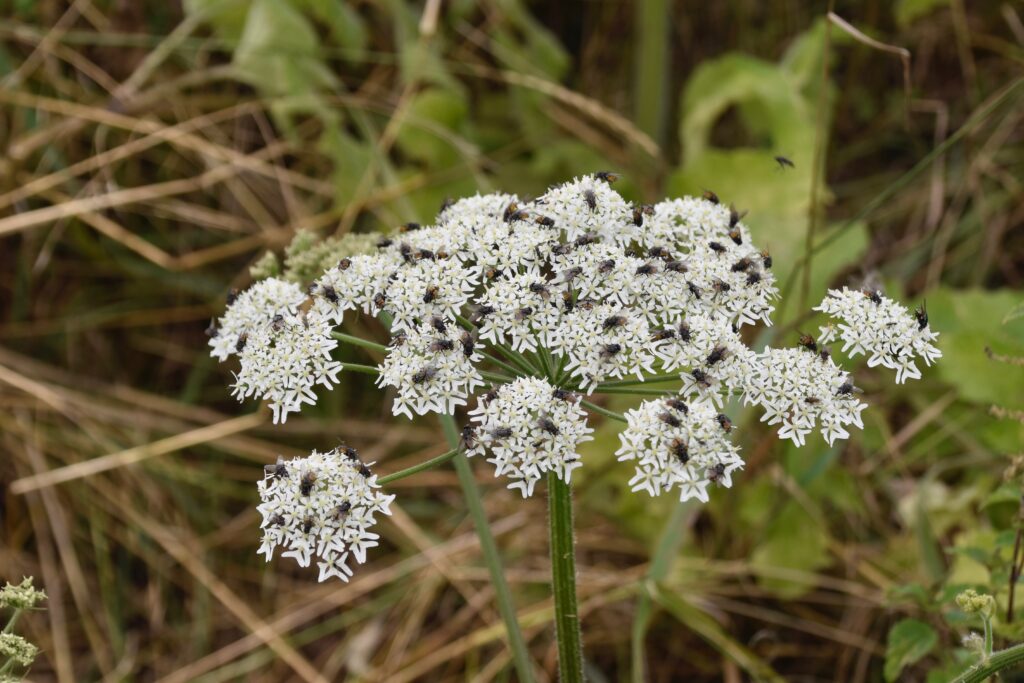
Oenanthe crocata, or hemlock water dropwort, is a plant found in water-rich environments in Europe. Despite its innocent appearance, it’s one of the deadliest plants in the world. The toxin oenanthotoxin causes muscle paralysis and relaxes the muscles around the mouth, forcing victims into a grimace, even as they convulse. The plant has been used since ancient times, with the term “sardonic grin” coined by Homer to describe the twisted smile of victims poisoned by this flower.
Conclusion
While these flowers may appear stunning, their lethal properties are a stark reminder of nature’s darker side. From rapid heart failure to slow organ failure, these flowers are capable of causing horrific deaths. Understanding the dangers posed by these plants is crucial, especially for those who spend time in gardens or forests where these deadly beauties may lurk.