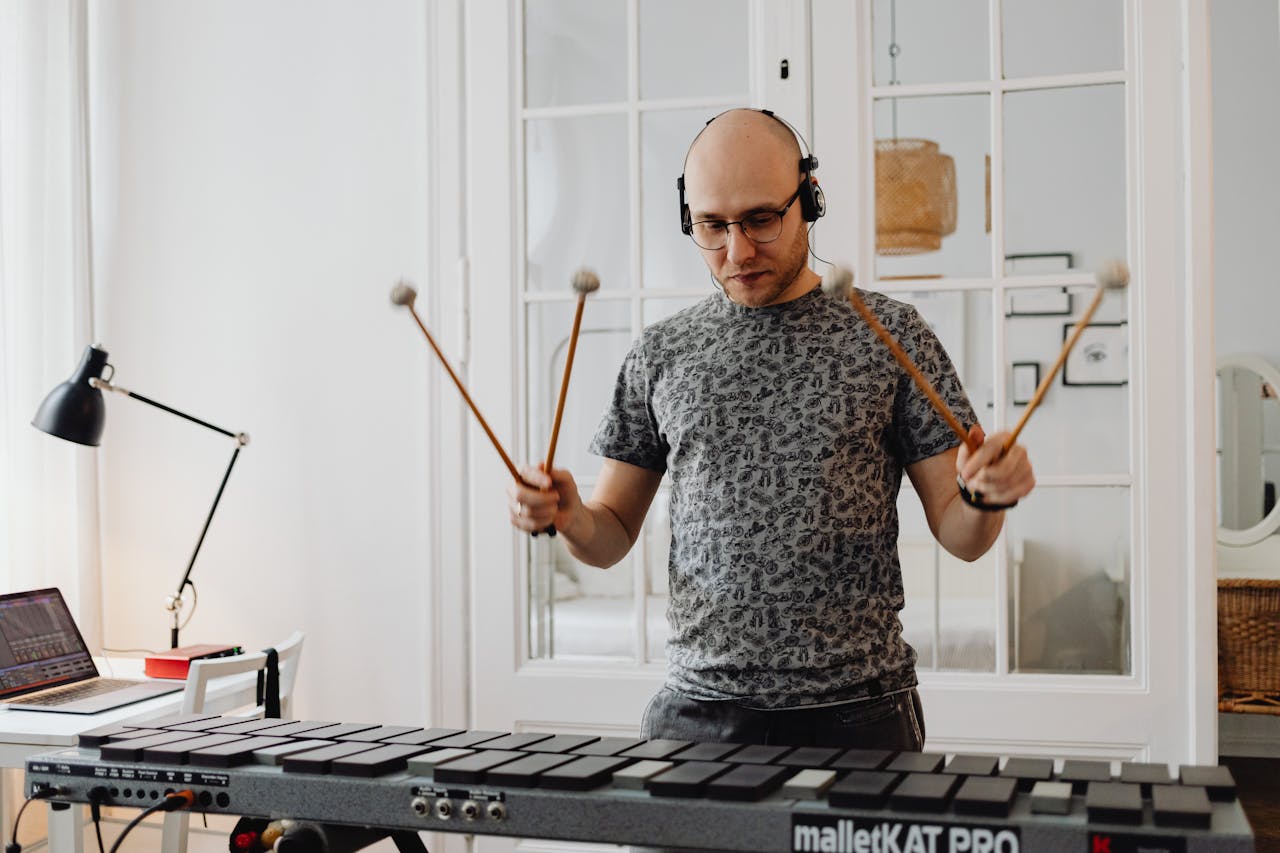
It’s hard to believe, but there was once a time when these gadgets were the pinnacle of innovation. They filled our homes, our backpacks, and even our hearts, making us feel like we were living in the future. Fast forward a few years, and now, they look downright laughable. But as much as we laugh at them today, they were once the epitome of cool, and that says something about how fast technology moves.
In this article, we’ll take a trip back in time to revisit the once “must-have” gadgets that have since lost their cool factor, and reveal why they couldn’t survive the relentless march of progress. Get ready to cringe, reminisce, and maybe even feel a little nostalgic.
Disposable Cameras
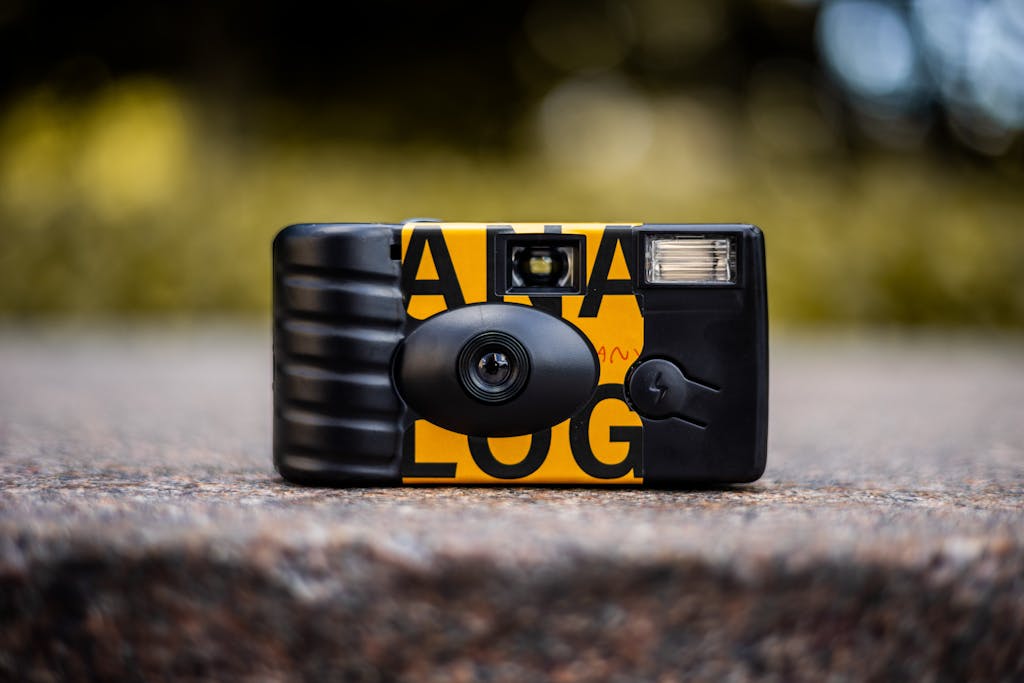
Disposable cameras gave photography a special kind of suspense. We could not check the shot, delete a bad angle, or retake an image twenty times. We pressed the button and trusted the moment. Days later, once the film was developed, we discovered what we captured. That delay gave photographs emotional weight. A good picture felt earned, and even the blurry ones had personality.
Their charm also came from their purpose. Disposable cameras were made for trips, parties, school events, and spontaneous days that felt worth remembering. They were simple, affordable, and unexpectedly freeing because they did not demand perfection.
DVDs
DVDs once looked like the final answer to home entertainment. They were slimmer than VHS tapes, sharper in picture quality, and loaded with bonus material that made movie ownership feel rich and rewarding. Director commentaries, deleted scenes, behind-the-scenes features, alternate endings, and menu screens all added to the sense that a film was more than just something we watched once. It became an object to explore.
Cassette Tapes
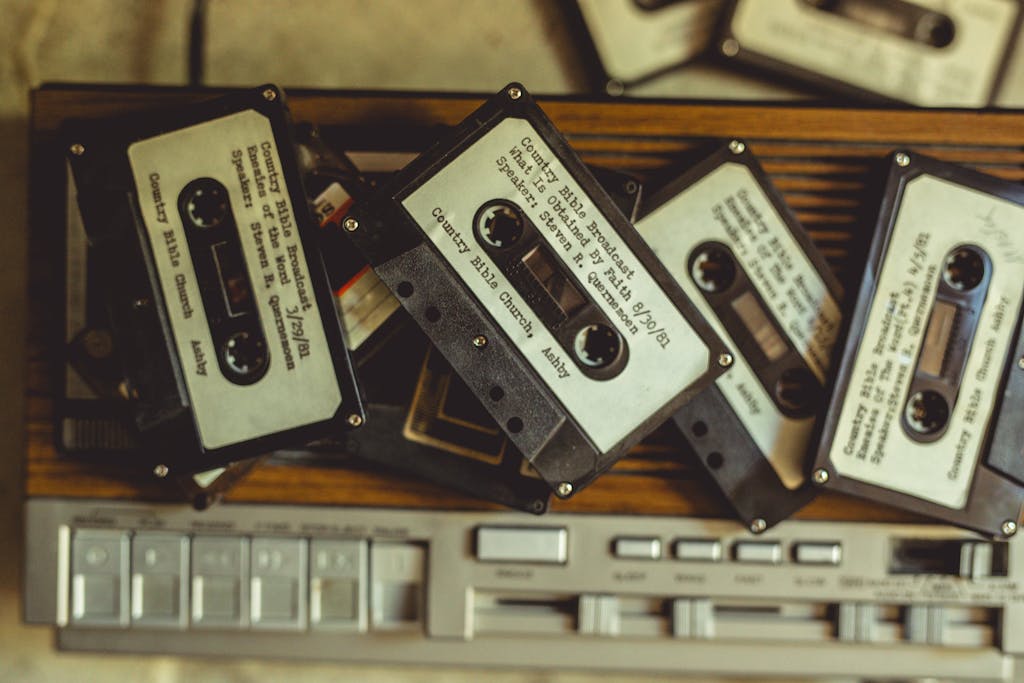
Cassette tapes were never just about music; they were about effort. We had to rewind them, flip them, label them, protect them from heat, and pray the tape inside would not spill out in a tragic ribbon of magnetic ruin. Yet that very inconvenience gave them character. A cassette felt personal in a way that a streaming queue never quite does, especially when it carried a handmade mixtape, a copied album, or a voice recording made for one specific person.
Part of their magic came from the physicality of the listening experience. We could hear the faint hiss before a song started, feel the click as the player engaged, and memorize exactly where a favorite track lived on Side A or Side B. Even their flaws became part of the ritual.
Floppy Disks
Floppy disks now look almost comically limited, but for years, they were serious tools. They carried homework, office documents, game saves, software installations, and sometimes our entire sense of academic survival. We trusted them with essays that took all night to write and projects that could not be recreated if something went wrong. In a world before cloud storage, that tiny square disk felt like security.
Their appeal was partly practical and partly symbolic. A floppy disk represented mobility in an era when moving files was not easy. We could save something on one computer and bring it to another, which felt revolutionary at the time.
VHS Tapes and VCRs
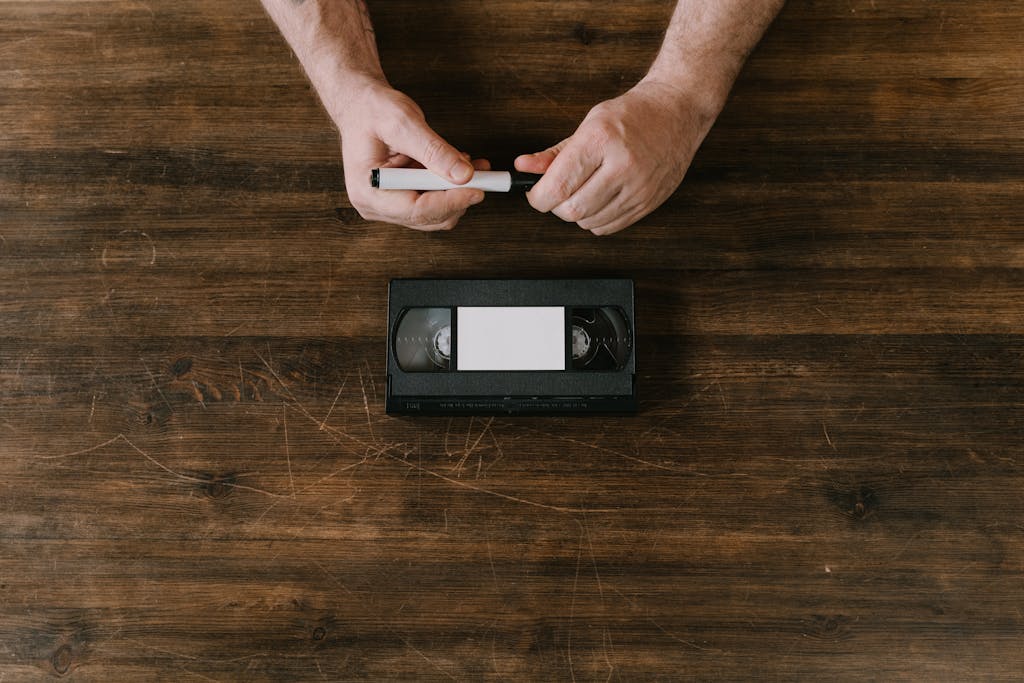
VHS tapes turned movie night into an event. We did not simply choose a film and press play; we inserted a cassette, listened to the machine pull it in, adjusted the tracking if the picture looked rough, and often remembered to rewind when we were done. The whole process demanded attention, and that is exactly why it still lingers in memory. Watching something on VHS felt like participating in a ritual, not just consuming content.
The VCR also changed how households controlled time. Suddenly, we could record television, save favorite shows, and watch them later. That ability was powerful long before on-demand entertainment became normal. But VHS was always bulky, imperfect, and vulnerable to wear. Tapes degraded, storage became a problem, and the picture quality could only impress us for so long.
CD Players
CD players arrived with a cleaner, shinier kind of cool. Where cassettes felt homemade and scrappy, compact discs felt polished and modern. They promised better sound, easier track skipping, and a futuristic gleam that made every album feel a little more premium. Sliding a disc into a stereo or snapping one into a portable player gave us the sense that we had entered a smarter era of music. Of course, CDs also introduced their own headaches. A single scratch could ruin the listening experience, and portable CD players were never as graceful in motion as the ads suggested.
Game Boy
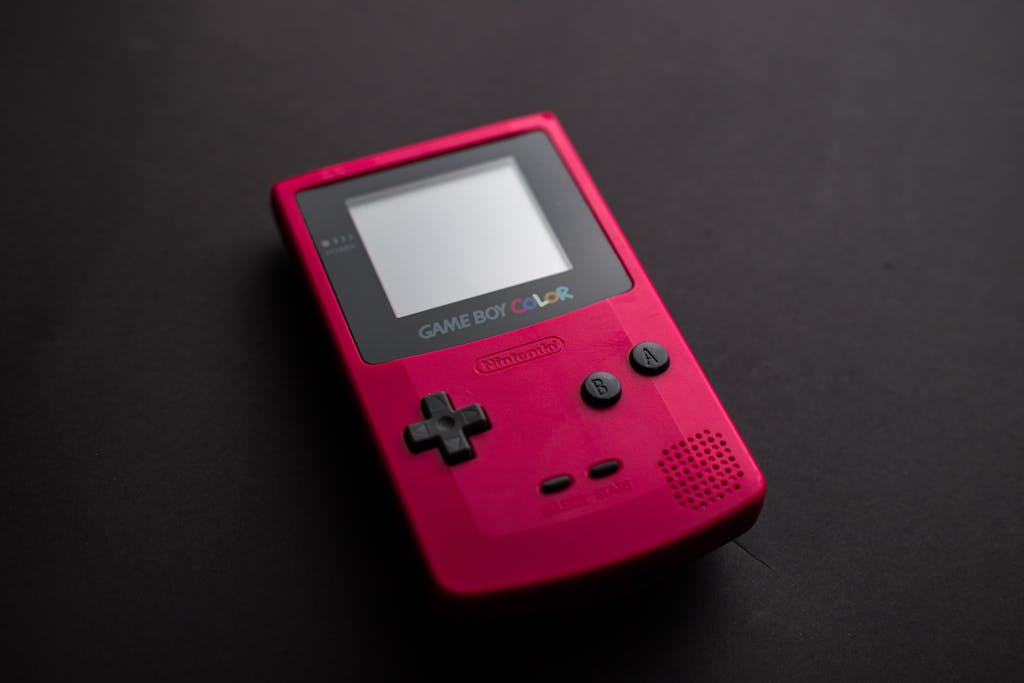
The Game Boy proved that fun did not need to stay in the living room. Before mobile gaming became endless and disposable, this little handheld console gave us structured, dedicated play wherever we happened to be. Long car rides, waiting rooms, school breaks, and lazy afternoons suddenly came with built-in adventure. It was compact enough to travel with and sturdy enough to survive childhood, making it feel nearly indestructible.
Its genius was not flashy power, but dependable simplicity. The screen was modest, the graphics were basic, and yet the experience was unforgettable because the games themselves were so absorbing. Swapping cartridges felt like opening different worlds, and the device itself became a badge of belonging for an entire generation.
Flip Phones
Flip phones mastered the art of cool design. They made opening a phone feel dramatic and ending a call feel final. That snap shut motion became part of their appeal, turning an ordinary action into a small performance. Models like the Razr were not just communication tools; they were fashion objects, sleek enough to feel futuristic and compact enough to slip into a pocket without a fight. They also arrived at a perfect cultural moment. Texting was growing, cameras were improving, and mobile phones were becoming extensions of identity.