Japan’s food culture is diverse, innovative, and deeply rooted in centuries-old traditions. While many of us are familiar with sushi, ramen, and tempura, Japan offers a much wider array of unique and sometimes shocking dishes.
From sea creatures that are still moving on your plate to odd, yet beloved, flavor combinations, Japanese cuisine has an uncanny ability to surprise even the most adventurous eaters.
These 10 strange foods will give you a glimpse into a side of Japan that most people are unfamiliar with, and some might even challenge your sense of what is edible. Let’s explore these bizarre dishes that have become iconic in Japanese culinary culture.
Curry Doughnut

In Japan, the line between sweet and savory foods is often blurred, and kare donatsu, a deep-fried doughnut filled with curry, perfectly encapsulates this trend. This strange but delightful snack combines the crispy, sugary exterior of a doughnut with the rich, spicy filling of Japanese curry. The doughnut’s sweetness offsets the heat of the curry, making it a flavor-packed, unexpected treat.
While kare donatsu might sound bizarre, it’s a popular offering in many Japanese bakeries. It’s a perfect example of how Japanese cuisine innovates by combining two beloved food items into one. For anyone seeking a snack that’s both hearty and unusual, the curry doughnut offers a unique fusion of flavors that’s guaranteed to surprise.
Fish Sperm
Fish sperm, also known as shirako, is one of Japan’s most unusual culinary offerings, yet it’s a dish that many regard as a delicacy. Shirako is the sperm sacs of male fish, such as cod or pufferfish, and is known for its soft, custard-like texture and subtle flavor. It’s commonly served in a variety of ways, including raw, grilled, or in hot pots. Despite its unconventional nature, this dish is celebrated for its creamy richness and is often seen in high-end sushi restaurants or izakayas during the winter months.
While the thought of eating sperm may be off-putting to many, shirako has a long-standing place in Japanese cuisine. In fact, it’s believed to have health benefits, particularly for improving skin elasticity and boosting male vitality. For some, it’s considered a luxurious indulgence, while for others, it’s a dish best left unexplored.
Dancing Squid
Japan is known for adding a theatrical element to its food, and the dancing squid is a prime example of this dining experience. Known as katsu ika odori‑don, this dish features a squid placed on a bowl of rice with soy sauce poured over it. The squid’s muscles react to the soy sauce, making it appear to be still moving, giving the dish its name. Though it’s not alive, the squid’s natural reaction to the sauce creates a surreal experience for diners.
While the sight of a “dancing” squid might make some people uncomfortable, it’s a favorite among those who enjoy the novelty of it all. The dish is often served in specialized restaurants that focus on providing unique, interactive food experiences. For those looking to embrace Japan’s adventurous side, this dish is sure to leave a lasting impression.
Ice Gobies
If you thought eating a “dancing squid” was strange, how about eating fish that’s still alive? Shiro‑uo, or ice gobies, are tiny, translucent fish that are typically served raw and often still squirming on the plate. The fish are so small that they can be eaten whole, and they are usually served with a refreshing vinegar-based sauce. The fish are believed to be best enjoyed fresh, making their wiggling movements part of the dining experience.
Although the idea of consuming live fish may sound extreme, it’s a delicacy in certain parts of Japan, particularly the Kinki region. The texture of shiro‑uo is surprisingly delicate, and they are considered a refreshing treat, especially during the warmer months. The dish has deep ties to Japanese fishing culture, where eating raw fish straight from the water represents an appreciation of freshness and purity.
Insects (Wasps, Hornets, Bees, and Larvae)
Japan has a long history of incorporating insects into its cuisine, particularly in rural areas where they were once a vital source of nutrition. Insects like wasps, hornets, and larvae are still eaten today, either grilled, fried, or pickled. These insects are considered a sustainable protein source, especially in regions where other animal products may be scarce.
One of the more common insects served is inago (grasshoppers), which are often deep-fried in soy sauce and sugar. The result is a crispy, sweet-salty snack that some find delicious, while others might struggle to overcome the idea of eating insects. For those who enjoy trying new and unusual foods, Japan’s insect-based dishes offer an entirely different culinary experience.
Square Watermelons
While square watermelons may not be the strangest-tasting food, their very shape makes them one of Japan’s most curious agricultural innovations. Grown in square molds, these watermelons are designed to fit more efficiently in refrigerators and transport boxes. Although they are not typically eaten at everyday meals, square watermelons are often considered luxury items, sold for a premium price as gifts.
The unique shape of these watermelons makes them stand out in the fruit world, and their high cost is part of the appeal. They are a perfect example of Japan’s knack for blending functionality with creativity. While you may not find them on the shelves of every supermarket, square watermelons are definitely a conversation starter, should you be lucky enough to encounter one.
Novelty Ice Cream Flavors

Japan is a place where you can expect to find some of the most outlandish ice cream flavors, many of which are incomprehensible to those unfamiliar with the country’s adventurous culinary spirit. Flavors such as squid ink, soy sauce, and sweet potato are just a few of the bizarre options you might find at a Japanese ice cream shop. The Japanese penchant for unusual ingredient combinations means no flavor is ever too weird to try.
While it’s easy to find vanilla and chocolate ice cream anywhere in the world, Japan has taken the concept of novelty ice cream to new heights. Some of these unique flavors are seasonal, while others are regular fixtures at quirky food festivals. For anyone looking to push the boundaries of what ice cream can taste like, Japan’s wacky ice cream offerings provide an unforgettable experience.
Horumon
Offal, or horumon, refers to the internal organs of animals, such as beef and pork, and is a popular dish in Japan. Commonly served grilled or stir-fried, horumon is marinated in soy sauce, miso, or other savory seasonings before being cooked. It’s especially popular in casual dining settings like izakayas, where it’s enjoyed alongside a cold beer. The dish is often served with rice or as part of a hot pot meal.
While offal may not be to everyone’s taste, horumon is beloved in Japan, particularly among those who appreciate its bold, rich flavors. It’s a dish that connects diners to Japan’s working-class culinary roots and is a testament to the country’s resourcefulness in using every part of an animal. For those who can get past the unfamiliar texture, horumon offers a hearty and flavorful experience.
Turtle
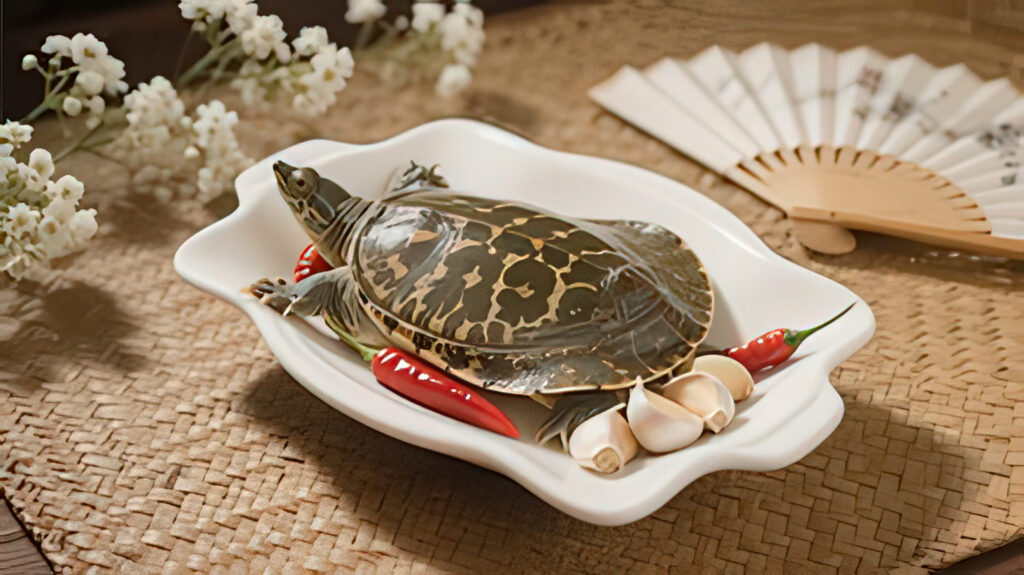
In Japan, suppon, or soft-shelled turtle, is considered a luxurious delicacy. The turtle is slow-cooked in a rich, flavorful broth, and in some cases, its blood is incorporated into the dish for an added layer of richness. The meat is tender and has a unique flavor that’s prized by those who enjoy exotic proteins. Suppon is often consumed for its supposed health benefits, particularly for boosting vitality and improving circulation.
Turtle dishes are expensive and typically served in high-end restaurants or specialty eateries. While the idea of eating turtle may seem off-putting to some, suppon has been enjoyed in Japan for centuries and is seen as a symbol of strength and longevity. If you’re looking for a truly unique culinary experience, Suppon offers a taste of Japan’s more exclusive and sometimes surprising food culture.
Green Caviar
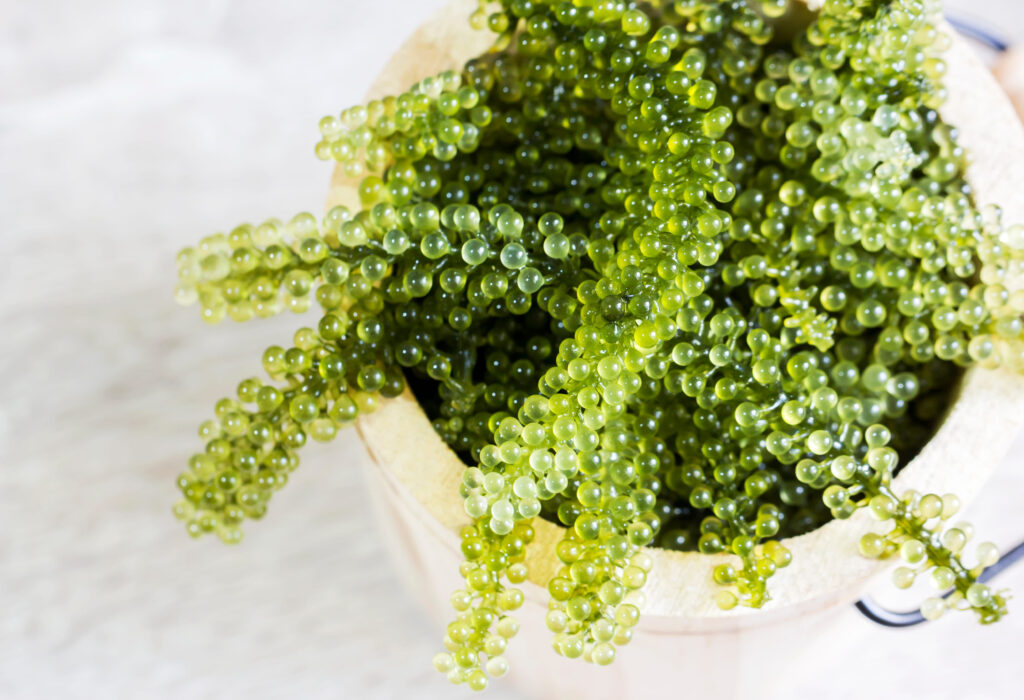
Umi-budo, or sea grapes, are a type of seaweed that resembles tiny, poppable caviar. These small, spherical clusters burst in your mouth, releasing a briny, refreshing ocean flavor. Typically served as an appetizer or side dish, umi-budo is often accompanied by a citrus-based dipping sauce or vinegar. While seaweed may not sound exciting, umi-budo offers an unexpected texture and taste that’s truly one-of-a-kind.
In Japan, these little green gems are appreciated for their light, fresh flavor and are often served in upscale restaurants that specialize in seaweed-based dishes. For those who enjoy seafood or are curious about Japanese sea vegetables, umi-budo is a must-try. The experience of popping these tiny “grapes” in your mouth is surprisingly satisfying, making them a memorable addition to Japan’s already diverse food offerings.