Small towns are supposed to feel like the antidote to chaos. They promise porch lights, familiar faces, shorter commutes, and the kind of peace people in crowded cities dream about. But sometimes that image is more fantasy than fact. The source article highlights seven smaller American communities where crime, economic strain, and social instability have badly shaken the comforting small-town myth, even if the exact ranking can vary depending on the data source.
What makes this story hit harder is the contrast. Danger feels expected in a giant city because the scale is overwhelming and the headlines are constant. In a smaller town, it lands differently. It feels more personal, more visible, and harder to escape because there are fewer places to hide from it, fewer services to absorb it, and fewer resources to fight it.
Bessemer, Alabama
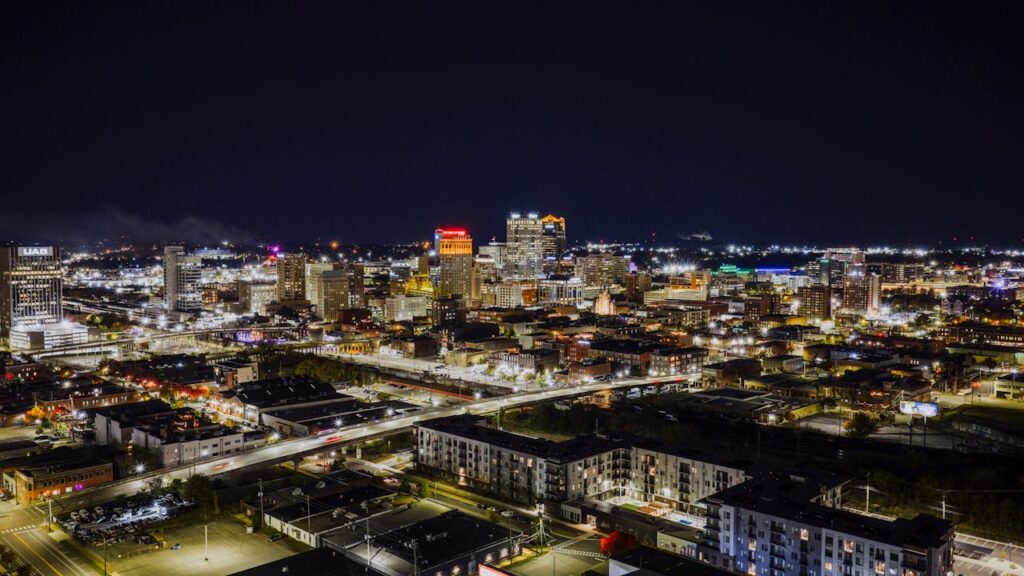
Bessemer carries the kind of history that should have built long-term stability. It was once an industrial place with backbone, the sort of town where working people could imagine a future and believe it would hold. But when jobs dry up, and local systems begin to crack, the damage rarely stays confined to the economy. It spills into the streets, into daily routines, and into the way people move through their own neighborhoods with caution instead of ease.
That is what makes Bessemer so unsettling. The source describes it as a place where violent crime, robberies, and assaults have become part of the local reality rather than rare exceptions. There is something especially grim about a town near a major city that still feels abandoned in the fight for safety. Bessemer is the kind of place that reminds you how quickly a struggling community can go from proud to pressured.
West Monroe, Louisiana
West Monroe sounds like the sort of place that should be easy to romanticize. The name alone feels calm, almost cinematic, like a town built for Friday night football and slow Sunday mornings. But that picture fades fast when crime becomes something residents must consider before even basic errands or ordinary plans. Once fear begins to shape daily life, the charm of a small town fades.
The source points to strained law enforcement resources and a rising sense of insecurity as major parts of the problem. That is often how danger deepens in smaller communities. It is not just the crime itself that wears people down. It is the feeling that response systems are overloaded, that help may be delayed, and that people have begun adjusting their lives around risk rather than freedom. West Monroe becomes memorable for all the wrong reasons because of that shift.
Monroe, Louisiana
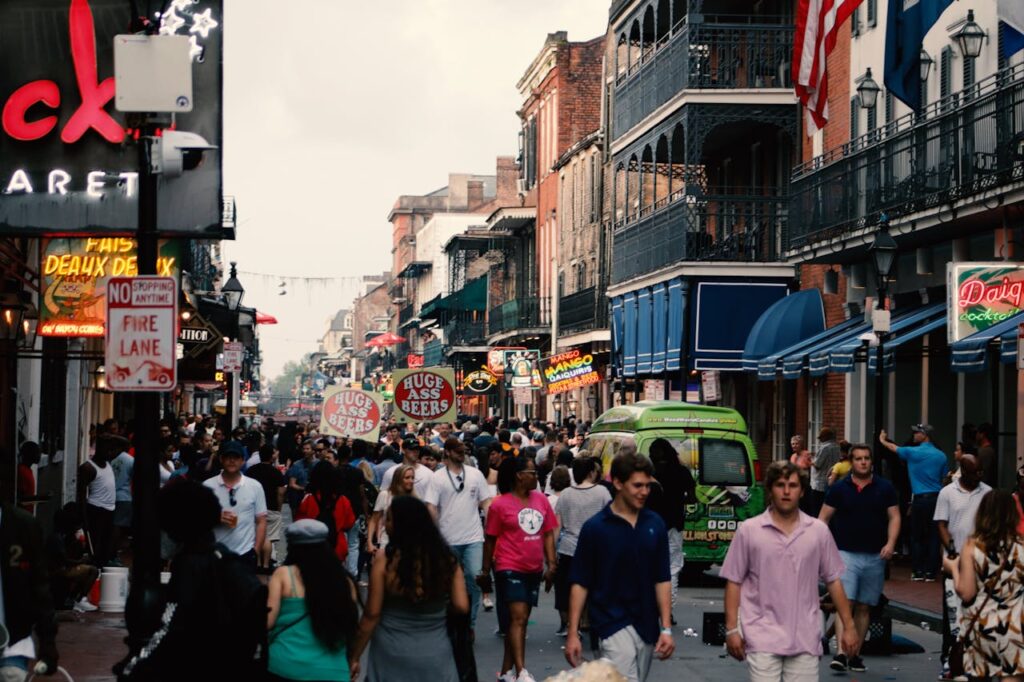
Monroe is another place where the gap between image and reality feels brutally wide. On the surface, a smaller Louisiana town might suggest community ties, familiar streets, and a more grounded pace of life. Yet the source paints Monroe as a place where fear can intrude on even the most routine moments, turning everyday movement into a quiet calculation. That kind of tension changes how a town feels from the inside out.
The deeper problem, as described in the source, is that crime here is tied to longstanding poverty and economic hardship. That matters because crime rarely grows in isolation. It feeds on neglect, on weak opportunity, and on systems that are too strained to interrupt the cycle. Monroe stands as a stark example of what happens when a community carries too much pressure for too long and begins to buckle under the weight.
Marksville, Louisiana
Marksville proves that a tight-knit community is not automatically protected. People often assume that smaller populations create stronger accountability, as if familiarity itself can keep danger at bay. But small towns are not magically insulated from the forces that produce violence. In some cases, limited resources and shrinking support systems can make the problems feel even more concentrated.
The source presents Marksville as one of the sharpest warnings on this list, pointing to alarmingly high violent crime figures and a local system stretched too thin to fully contain the problem. That is the kind of reality that shocks outsiders because it clashes so badly with the traditional idea of small-town safety. Marksville is not frightening because it is large or chaotic. It is frightening because it shows how severe instability can become, even where everyone seems close enough to know each other.
Fairbanks, Alaska
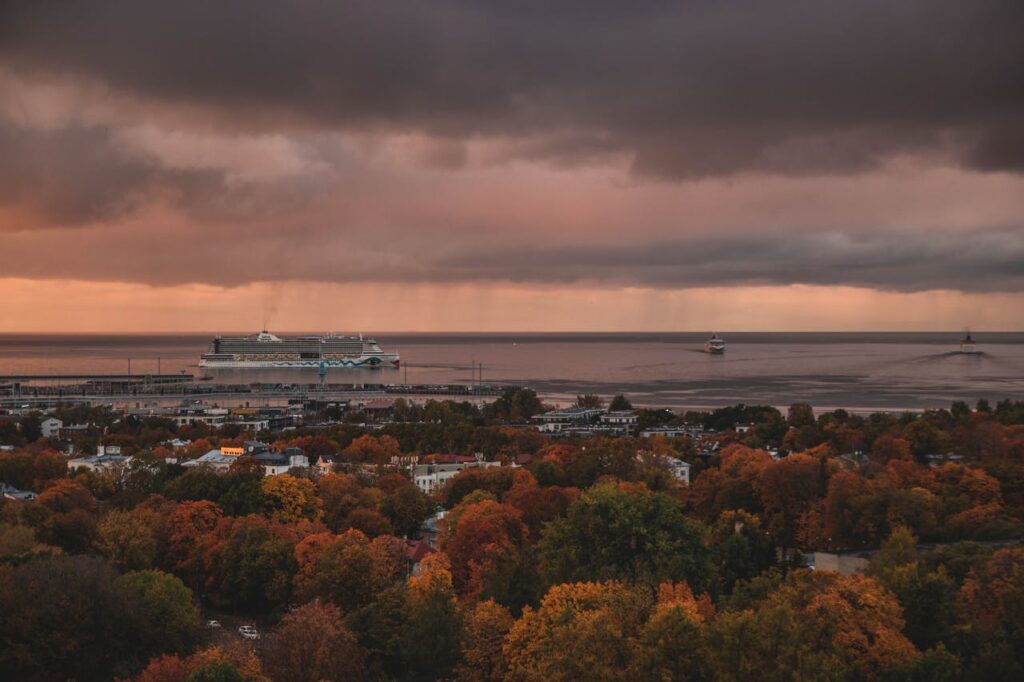
Fairbanks feels different from the others because its danger is shaped by geography more than anything else. Isolation changes how a town functions. Long winters, harsh conditions, and physical distance from bigger support networks create a version of vulnerability that many people in the lower forty-eight do not fully grasp. A place can be beautiful, remote, and deeply difficult all at once.
The source argues that this isolation is part of what makes Fairbanks complicated from a public safety standpoint. When resources are thinner and the environment itself is demanding, enforcement and prevention become harder. The result is a town where the silence and distance that attract some people can also make trouble easier to miss and harder to control. Fairbanks is a reminder that danger does not always arrive with noise. Sometimes it grows in the cold, in the dark, and far from immediate help.
Flint, Michigan
Flint already carries a name that many Americans associate with crisis. The water disaster pushed it into national consciousness, but the source makes clear that public safety concerns extend beyond that chapter. What makes Flint hit differently is that it feels like a case study in what happens when years of neglect pile up layer by layer. Infrastructure fails, trust erodes, opportunity shrinks, and the human cost becomes impossible to ignore.
That wider collapse matters because crime rarely exists apart from the rest of civic life. When a town has been bruised by poor governance, economic pain, and institutional strain, public safety becomes one more front in a much larger battle. Flint is unsettling not simply because crime is a concern there, but because it represents the long shadow cast by systemic neglect. It is the story of what happens when a community is forced to survive too many failures at once.
Pine Bluff, Arkansas
Pine Bluff has spent years appearing in conversations about crime, and the source places it firmly among the most troubling small-town examples. What makes this especially grim is how ordinary life can start to feel like a gamble in a place carrying that reputation. Once people begin treating a trip outside as a calculation of odds, the community has already lost something precious. It has lost the simple confidence that home should provide.
The source ties Pine Bluff’s struggles to familiar but devastating ingredients, including limited opportunity and pressure on public safety systems. That combination can trap a town in a cycle in which fear impedes growth, and weak growth makes fear harder to fix. Pine Bluff becomes more than a single troubled place on a map. It becomes a symbol of how smaller communities can be hit hard when economic and social foundations begin to give way at the same time.