When it comes to skincare, less can sometimes be more, especially for those with sensitive skin. While we all want to achieve that glowing complexion, certain ingredients, if used too often or in the wrong combination, can do more harm than good.
Sensitive skin, after all, requires extra care and attention to avoid irritation, redness, and breakouts. Let’s take a look at 10 skincare ingredients that might seem like miracle workers but could be ticking time bombs for your skin if overused.
Retinoids (Retinol, Retinoid Esters)

Retinoids are heralded as one of the most powerful anti-aging ingredients, stimulating collagen production and increasing cell turnover. However, for sensitive skin, this miracle can quickly turn into a nightmare.
When overused, retinoids can cause dryness, peeling, and irritation. The key is moderation—use them sparingly, and always follow with a hydrating moisturizer to balance the effects.
Vitamin C (Ascorbic Acid)
Vitamin C is a powerhouse for brightening and evening out skin tone, but its acidic nature can be too harsh for those with sensitive skin.
Overuse can lead to redness, irritation, and even burning sensations. If you have sensitive skin, opt for a gentler form of vitamin C, like magnesium ascorbyl phosphate, which is less likely to cause irritation.
Alpha Hydroxy Acids (AHAs)
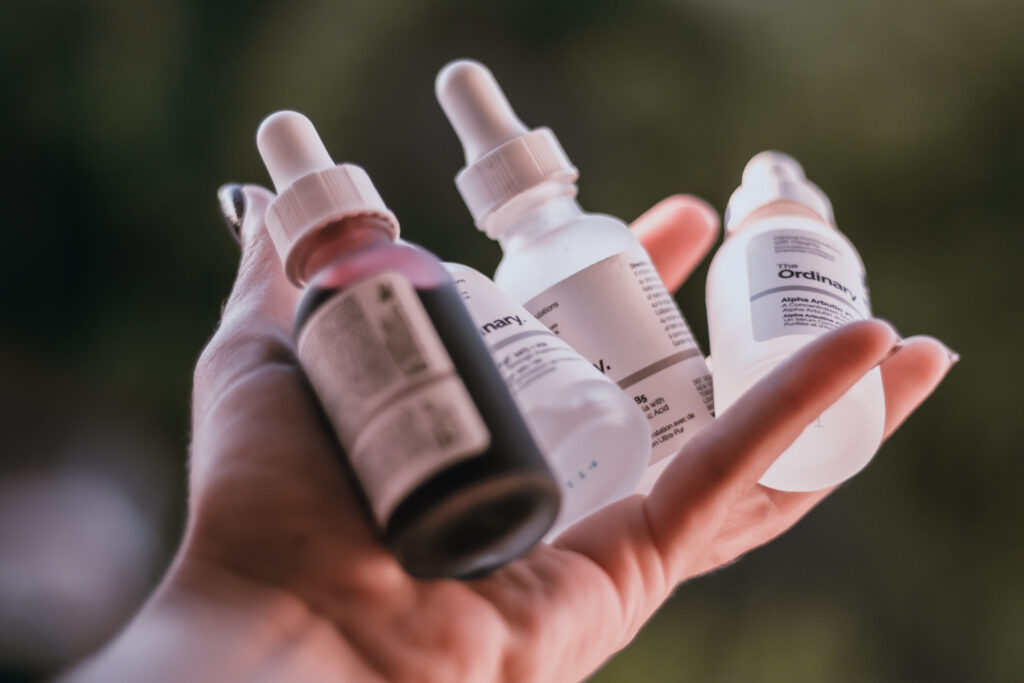
AHAs are excellent exfoliants that help slough off dead skin cells, revealing a brighter complexion underneath. But for sensitive skin, regular use of AHAs like glycolic acid can lead to irritation, redness, and even chemical burns if applied too often.
If you have sensitive skin, look for AHAs in lower concentrations and always use them at night with a broad-spectrum sunscreen during the day.
Beta Hydroxy Acid (Salicylic Acid)
Salicylic acid is known for its acne-fighting properties, as it penetrates deep into pores to break down excess oil and debris.
While great for oily or acne-prone skin, it can be drying and irritating when used frequently on sensitive skin. To avoid over-stripping, use salicylic acid in moderation, and always follow up with a nourishing moisturizer.
Fragrances

Fragrance is one of the most common irritants in skincare, and it’s often hidden under the word “parfum” in ingredient lists.
While it can make your products smell divine, fragrances can trigger allergic reactions, redness, and irritation in those with sensitive skin. Opt for fragrance-free products to keep your skin happy and irritation-free.
Alcohol
Not the kind you’re sipping at a happy hour, but the kind found in many skincare products. Alcohol can help products dry faster and act as a preservative, but it also strips the skin of its natural oils, leading to dryness and irritation.
Sensitive skin can become inflamed or parched when exposed to alcohol-based formulas too frequently. Always choose alcohol-free options or those with fatty alcohols like cetyl alcohol, which are less harsh.
Benzoyl Peroxide
Benzoyl peroxide is another acne-fighting ingredient, known for its ability to kill acne-causing bacteria.
However, for those with sensitive skin, it can cause severe dryness, peeling, and irritation. If you must use it, consider lower concentrations and apply only to affected areas, rather than as an all-over treatment.
Sulfates (Sodium Lauryl Sulfate)
Sulfates are commonly used in cleansers and shampoos to create that satisfying lather, but they can be far too harsh for sensitive skin.
They strip the skin of natural oils, leaving it feeling tight and dry. This can trigger irritation and even exacerbate conditions like eczema. Opt for sulfate-free alternatives to maintain your skin’s moisture balance.
Physical Exfoliants (Scrubs with Abrasive Particles)
While physical exfoliants like scrubs with microbeads or sugar can feel satisfying on the skin, they can cause micro-tears, especially for sensitive skin. Over-exfoliating can damage the skin’s protective barrier, leading to redness and inflammation.
If you love exfoliating, switch to a gentler chemical exfoliant, like lactic acid.
Peptides (When Overused)

Peptides are beneficial for collagen production and skin repair, but using too many peptide-heavy products at once can irritate the skin.
Overloading your skincare routine with too many active ingredients can overwhelm sensitive skin. Stick to a few products with peptides and give them time to work their magic.