When we think of the U.S. military, our minds typically wander to tanks, strategic operations, or the brave soldiers who serve the nation. But here’s a twist that might surprise you: the military has played a crucial role in shaping what’s on your dinner table.
From breakfast staples to late-night snacks, many foods that are now household names were originally developed by the U.S. military. Whether it was a necessity during wartime or a creative solution for soldiers in the field, these foods have transitioned from the barracks to your kitchen. So, let’s take a look at ten foods you never knew had military origins!
Canned Spaghetti
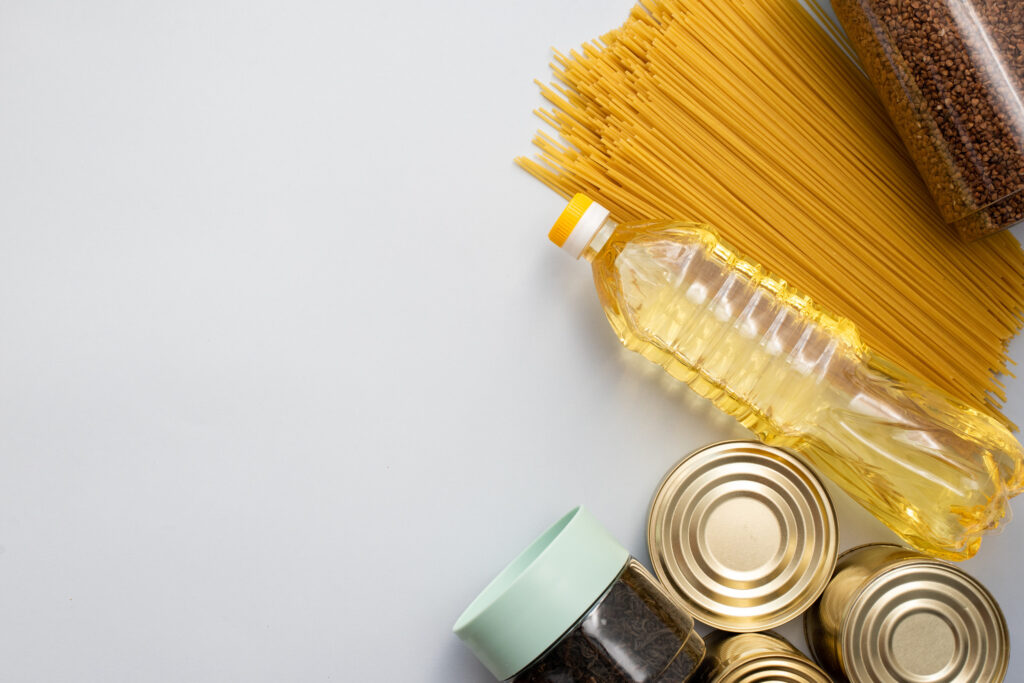
It’s hard to imagine a world without canned spaghetti, especially when it’s a staple for busy days or a quick snack. But before it became a household favorite, the U.S. military was the first to pioneer canned pasta.
During World War II, soldiers needed meals that were lightweight, easy to prepare, and could withstand long storage times. Canned spaghetti emerged as part of this effort. The military’s demand for compact, ready-to-eat meals led to the creation of various canned pasta dishes, paving the way for the SpaghettiOs we know and love today.
Peanut Butter
Peanut butter’s creamy, nutty goodness is an everyday kitchen essential, but its origins trace back to the early 1900s, when the U.S. military needed a high-protein food that could last for months without refrigeration.
The military embraced peanut butter as a nutritious, non-perishable protein source during the Spanish-American War. By the time World War I rolled around, soldiers were eating peanut butter regularly, which then made its way into the civilian market.
Energy Bars

When you think of energy bars today, you probably picture an athlete or adventurer reaching for one during a hike. But did you know these convenient, on-the-go snacks were originally developed for soldiers? During World War II, the military sought a high-calorie, compact food that could sustain troops during long, physically demanding operations.
The resulting energy bar was a game-changer, providing soldiers with a quick source of fuel. Today’s energy bars, like Clif Bar or PowerBar, are just a modern iteration of these military rations.
MREs (Meals Ready to Eat)
MREs have gained a reputation as the quintessential military food. These ready-to-eat meals were developed in the 1960s to provide soldiers with a full, nutritious meal that did not require refrigeration or cooking.
While they might not win any awards for fine dining, MREs have evolved into a go-to source of sustenance in military operations. And, interestingly, many MRE components—like freeze-dried fruits, crackers, and even coffee—have found their way into civilian kitchens, thanks to their convenience and portability.
Powdered Drink Mixes

Whether it’s the classic Kool-Aid or more recent favorites like Gatorade, powdered drink mixes were originally developed by the U.S. military for soldiers in the field. The military needed a way to provide hydration and electrolytes to soldiers in remote areas without relying on bulky, heavy bottles of liquid.
The solution? Powdered drink mixes that could be easily mixed with water. Over time, this innovation was commercialized and became a popular household item for consumers worldwide.
Hot Dogs
Hot dogs are often seen as an all-American food, but the sausage we know and love today was influenced by military needs during the 1800s.
The U.S. military ordered vast amounts of sausage to feed troops during World War I, and as demand for this affordable, high-protein food skyrocketed, the hot dog emerged as a streamlined, portable meal. This humble sausage eventually found its place in American culture at ballparks, barbecues, and casual meals around the nation.
Instant Coffee
Instant coffee might seem like a modern-day convenience, but it was actually invented in the early 1900s with the military in mind. During World War I, soldiers needed a quick, easy way to get their caffeine fix while out in the field.
Instant coffee was born to meet that need. With no brewing required, it was perfect for soldiers on the go. Today, we can thank the military for our beloved instant coffee, which remains a go-to for those busy mornings or camping trips.
Dried Fruit
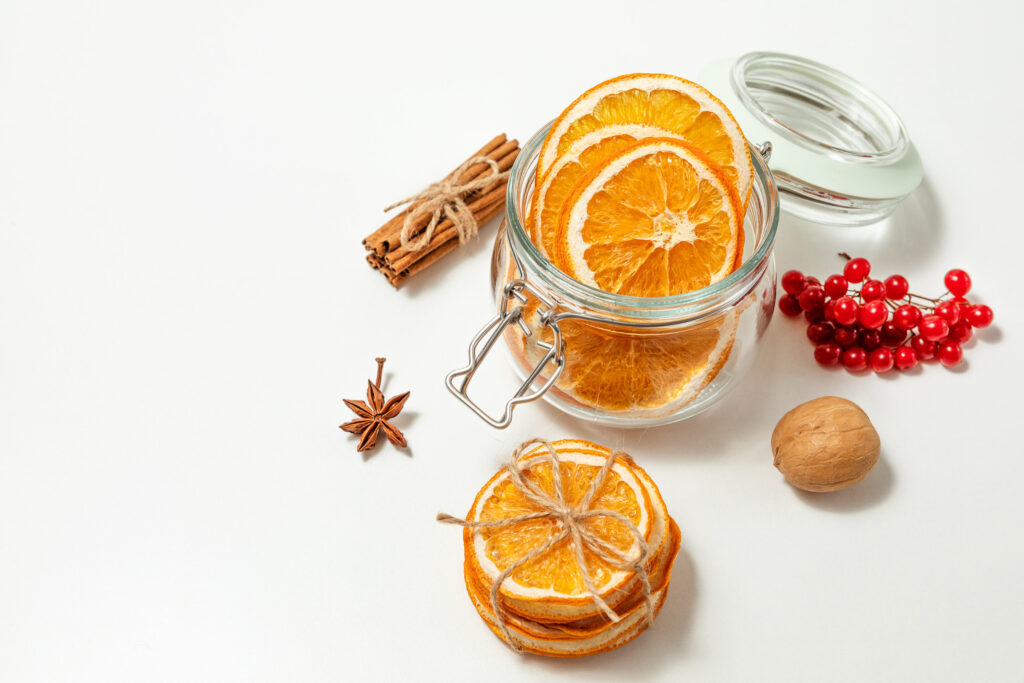
Dried fruit, once considered a quirky snack, has become an everyday treat. But its roots are firmly planted in the military’s need for non-perishable, lightweight food for long journeys.
Dried fruit was first developed by the U.S. military during the early 20th century to provide soldiers with a healthy, portable option. It’s now widely available and a common addition to breakfast bowls, trail mixes, and energy bars.
Popcorn
This beloved snack might seem like the perfect movie companion, but did you know the military played a part in its rise to fame? During the Great Depression, popcorn was a cheap, nutritious food that was easy to store and prepare.
The military adopted popcorn as a nutritious snack for soldiers during World War II, and it soon found its way into civilian homes. Its popularity exploded in the post-war years, and today, it remains a go-to snack worldwide.
Ketchup
Ketchup is an essential condiment in American cuisine, but its origins are tied to the military’s efforts to create versatile, long-lasting food additives.
The U.S. Army wanted a cheap, easily stored condiment for soldiers in the field, and ketchup fit the bill perfectly. By the 1940s, the military was serving ketchup in huge quantities, and it became a staple of both military and civilian kitchens. Today, it’s nearly impossible to imagine a BBQ or a fast-food meal without it.