Fertility has always been a profound concern for civilizations worldwide. In ancient times, cultures believed that pregnancy could be influenced by divine forces, mystical practices, and unusual concoctions.
These historical treatments, while fascinating, often border on the bizarre and, in many cases, are downright unappealing.
Let’s delve into 10 ancient fertility treatments that modern science thankfully left behind.
A Potion of Butter and Breast Milk
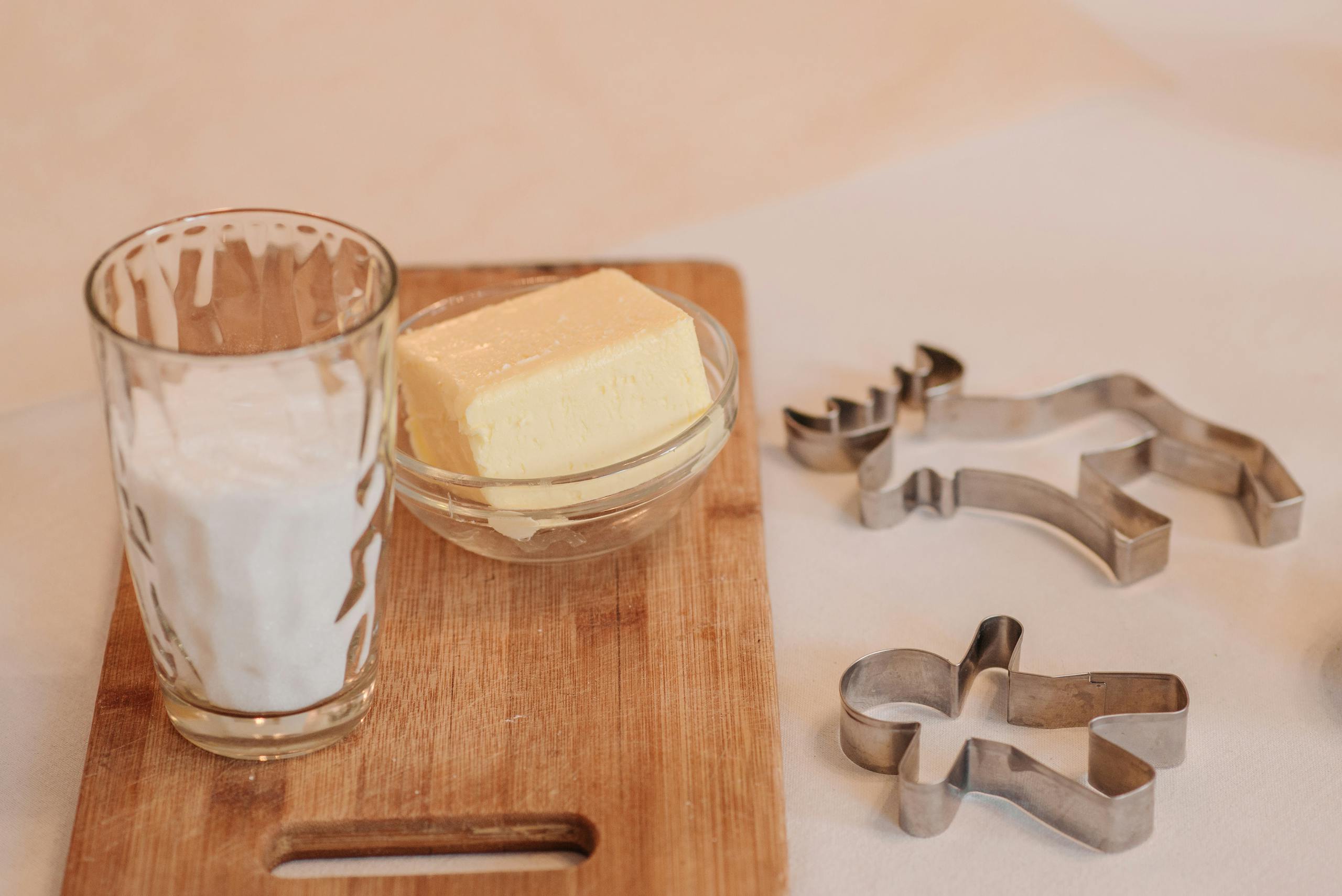
One of the more unsettling fertility “remedies” came from the renowned Greek physician, Hippocrates. In the 4th century BC, Hippocrates suggested a potion made from breast milk from a mother who had given birth to a boy and plant butter.
According to his theory, if a woman who was fasting drank this concoction and subsequently vomited, it would signal impending pregnancy.
This odd mixture was supposed to cleanse the body and “trigger” fertility. Suffice to say, it’s difficult to imagine this remedy yielding successful results for any woman.
Lead and Breast Milk Concoction
Yet another peculiar solution from Hippocrates involved grinding up lead and iron-containing stones. Women struggling with infertility were told to dip the ground-up concoction in breast milk and insert it into their vaginas, hoping the vaginal walls would absorb the minerals, aiding in the retention of sperm.
Lead poisoning, of course, seems to be a rather dangerous side effect of this ancient remedy.
Offering Statues to the Gods in Hot Springs
The Etruscans, an ancient civilization in Italy, believed that fertility was tied to the will of their gods. As a part of their fertility rituals, they would throw small statues of newborns into hot springs, hoping for divine intervention in increasing their chances of conception.
These offerings, left in the thermal waters, symbolized the desire for healing and fertility.
Whipping Women’s Bellies During the Feast of Mars
In ancient Rome, fertility rituals were carried out with rather extreme measures. During the Feast of Mars, priests would run through the streets, carrying whips made from goatskin.
Women struggling with infertility would stand by, and priests would strike them on their bellies with the whips.
The belief was that this act would somehow “jolt” the woman’s reproductive organs into working, ensuring pregnancy. Whether this was due to physical stimulation or just sheer discomfort is up for debate.
Reciting Prayers While Uprooting Plants

In 13th-century England, Gilbertus Anglicus, an English physician, prescribed a fertility treatment that was more spiritual than physical.
He recommended that a man recite the Lord’s Prayer while uprooting specific plants, such as comfrey and daisy, and squeeze their juices.
The man would then inscribe specific magical words on an amulet, wear it, and engage in intercourse. According to Gilbertus, this ritual would bring about conception, either of a boy or a girl.
Virgin Sacrifice for Fertility in the Aztec Empire
Perhaps the most horrifying of all ancient fertility treatments comes from the Aztec civilization. To ensure the favor of Xochiquetzal, their goddess of fertility, the Aztecs practiced human sacrifice.
A virgin was selected to play the role of the goddess, marry a warrior, and then be ritually sacrificed. Her skin was removed and worn by a priest, while blood was drawn from the tongues of disciples as an offering to the goddess.
This horrific ritual was believed to ensure fertility and healthy childbirth for women within the tribe.
Drinking Catnip Wine for Fertility in Medieval England

In medieval England, fertility remedies involved herbal concoctions. One of the more unusual treatments was a wine infused with catnip.
This wine was said to improve a woman’s fertility, and the instructions were simple: pick catnip, boil it in wine, reduce the mixture to a third of its original volume, and drink it on an empty stomach.
The idea was that the drink’s properties would help the woman conceive. Hopefully, no curious cats got to the brew before the intended user!
Consuming Pig Testicles in Wine
A truly strange remedy from medieval times involved using pig testicles. These were dried and ground into powder before being mixed with wine. Women were instructed to drink this concoction for three days to increase their chances of conception.
It’s unclear whether this was meant for the woman or the man in the partnership, but the idea of consuming pig testicles as a fertility booster still leaves us cringing.
Burying Umbilical Cords to Encourage Conception
The Batak people of Indonesia had an unusual fertility treatment that didn’t involve ingestion or potions. Instead, they believed that burying umbilical cords and placentas beneath the home of a woman struggling with infertility would encourage conception.
While there’s no scientific backing for this method, it’s certainly an interesting and rather unsettling cultural practice that persisted for generations.
Drinking Eunuch Urine
Possibly the most distasteful fertility treatment ever prescribed comes from the writings of Pliny the Elder, the Roman scholar.
He suggested that drinking the urine of eunuchs, as well as that of other animals such as horses, bulls, and boars, could help treat infertility.
Pliny believed that the urine of these individuals and animals carried special properties that could enhance sexual arousal and fertility. As unappealing as it sounds, it was considered a medical treatment during his time.
Conclusion
These ancient fertility treatments provide us with a fascinating, albeit disturbing, glimpse into how people once understood and approached fertility.
While many of these methods were based on ritualistic beliefs or rudimentary medical understanding, it’s clear that modern science and medicine have come a long way.
Thankfully, we now have effective, scientifically backed methods for addressing fertility issues, leaving these outdated practices in the past.