Visiting a loved one in the hospital is a gesture of care, but it can quickly go sideways if you aren’t mindful. Hospitals are fragile spaces filled with people who are healing, exhausted, or anxious. Even small missteps, such as staying too long, being loud, or failing to maintain hygiene, can stress a patient and hinder recovery. Every move counts, and your behavior can either comfort or overwhelm.
If your goal is to be a positive presence, it helps to know what to avoid. Here are five things you should never do when visiting a patient, explained in detail to help you navigate the hospital room with respect, sensitivity, and effectiveness.
Below are 5 things you should never do when visiting someone in a hospital:
Show Up Without Checking First
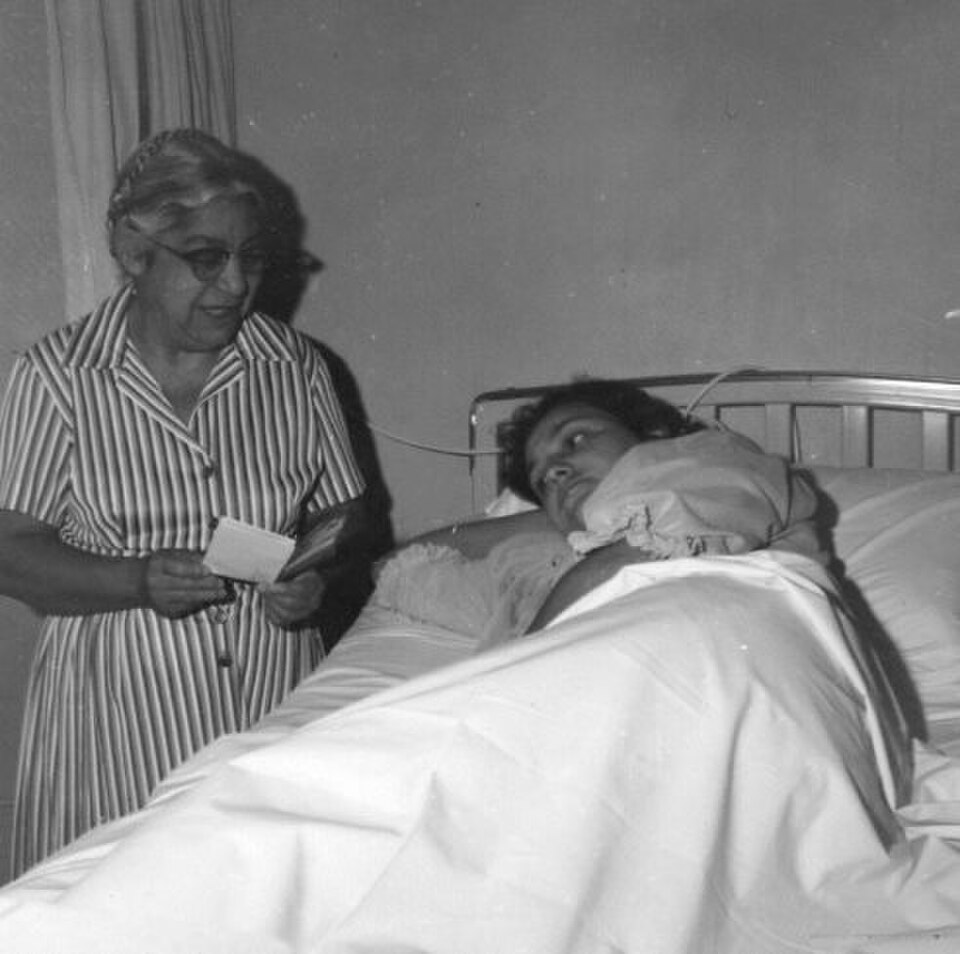
It may feel spontaneous to just “drop in,” but hospitals are unpredictable. Patients have appointments, treatments, and sometimes critical rest periods that you cannot see from the outside. Entering without a heads-up can interrupt vital procedures, disturb rest, or add stress when the patient would rather be alone or with their immediate caregiver.
A simple message before your visit, a quick text or call, goes a long way. Ask if the timing works or check with the nurse if needed. This shows that you respect their schedule, energy, and need for privacy. Even a few minutes of proactive communication shows care in a way that arriving unannounced cannot. Being thoughtful here ensures that your visit uplifts, rather than drains, the patient.
Bring a Crowd Without Permission

The impulse to gather everyone who cares about a patient can feel natural, but an unplanned crowd can do more harm than good. A bustling room is noisy, cramped, and stressful, making it harder for patients to rest and for staff to perform their duties efficiently.
Hospitals enforce visitor limits for reasons beyond space. Infection control, safety, and patient comfort are at the forefront. If you want to rally support, coordinate in advance. Ask how many visitors are appropriate and consider splitting visits into smaller groups. This allows everyone to show care without overwhelming the patient. Remember, too many people at once can make a patient feel like they are on display rather than supported.
Neglect Basic Hygiene
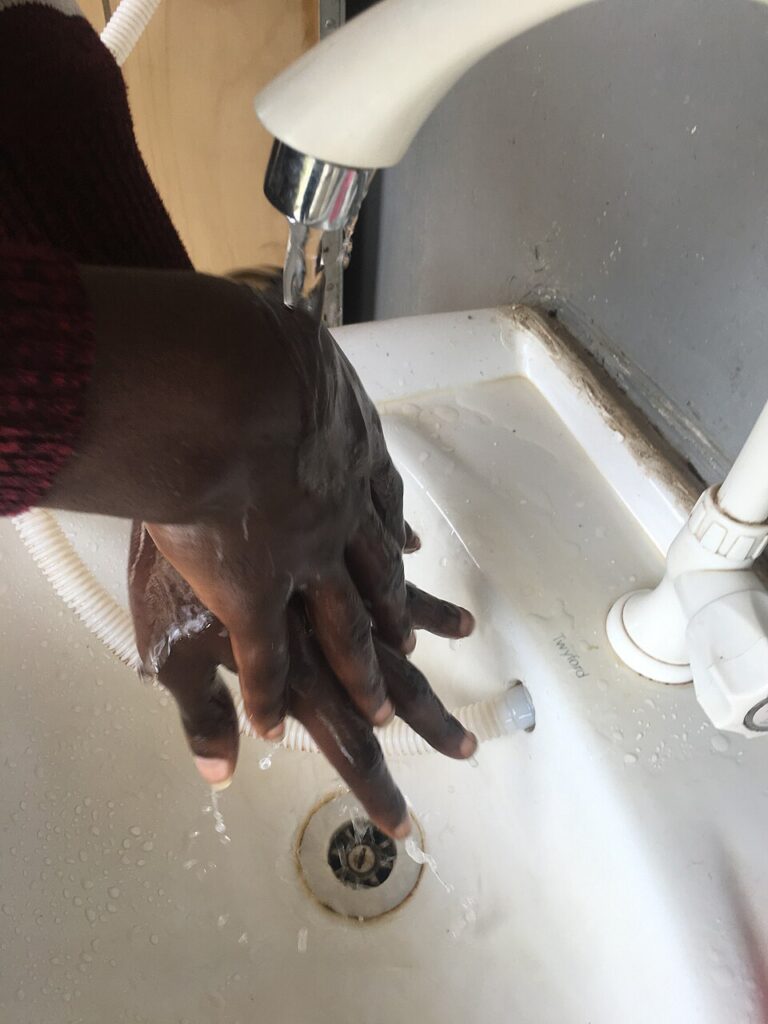
This point cannot be overstated: hospitals are filled with germs. Patients are often more vulnerable than you realize, especially those recovering from surgery, illness, or weakened immunity. Entering with dirty hands, worn shoes, or even strong perfumes can inadvertently introduce bacteria or irritants.
Always wash your hands thoroughly before entering, use sanitizer frequently, and avoid touching the patient unnecessarily. Skip perfumes, colognes, and scented lotions, which can trigger nausea or allergic reactions. Even if your visit is brief, proper hygiene is a critical act of respect. A clean, cautious approach ensures your presence doesn’t become a health risk by accident.
Talk Loudly or Complain About Your Day
It can be tempting to share your own struggles or vent about daily frustrations while visiting, but hospital rooms are not spaces for stress dumping. Loud talking, complaining, or discussing emotionally heavy topics can disrupt the patient’s concentration, sleep, and healing.
Instead, focus your energy on calm, encouraging conversation. Ask questions about their feelings but let them control the pace and depth. Avoid heated debates, political discussions, or negative stories unless they bring them up first. Your goal is to create a space where the patient feels supported and safe, not exhausted by others’ emotional energy. Every word, tone, and gesture contributes to the recovery environment.
Overstay Your Welcome
Even with the best intentions, staying too long is one of the most common mistakes visitors make. Patients may seem alert and friendly, but their energy depletes quickly in hospital settings. Fatigue, medication effects, and emotional strain can make a long visit taxing.
Watch for signs of tiredness: frequent yawning, shallow breathing, fidgeting, or brief, distracted responses. When these appear, it’s time to wrap up. Short, meaningful visits are often more impactful than extended ones. Saying goodbye before fatigue sets in allows the patient to rest, recover, and remember your presence positively. Leaving early doesn’t diminish your care; it reinforces it in a thoughtful, compassionate way.
How to Make Your Hospital Visits Truly Supportive
Hospital visits work best when they are thoughtful, intentional, and patient-centered. Some practical strategies include:
- Coordinate Ahead: Confirm the visit with the patient or nurse to respect their schedule.
- Keep Visits Short: Fifteen to twenty minutes is often ideal; quality over quantity matters.
- Practice Hygiene: Handwashing and sanitized hands protect both you and the patient.
- Be Mindful of Energy: Maintain a calm demeanor, limit complaints, and focus on positivity.
- Follow Patient Cues: Let the patient set the pace and end the visit if they seem tired.
Conclusion
Hospitals are spaces of vulnerability and healing. By being mindful of these behaviors, your visits can provide the comfort, support, and human connection patients need most. Your thoughtfulness leaves a lasting impression, often more meaningful than any flowers or gifts ever could.