This does not mean fruit is the enemy. It means the fruit bowl deserves the same common sense we give every other food choice.
Some picks work better as occasional treats, tiny toppings, or recipe ingredients rather than everyday snack heroes, and the ones below are the fruits that can quietly fool people who think every fruity bite is automatically a win.
Dates Can Become Candy With a Health Halo
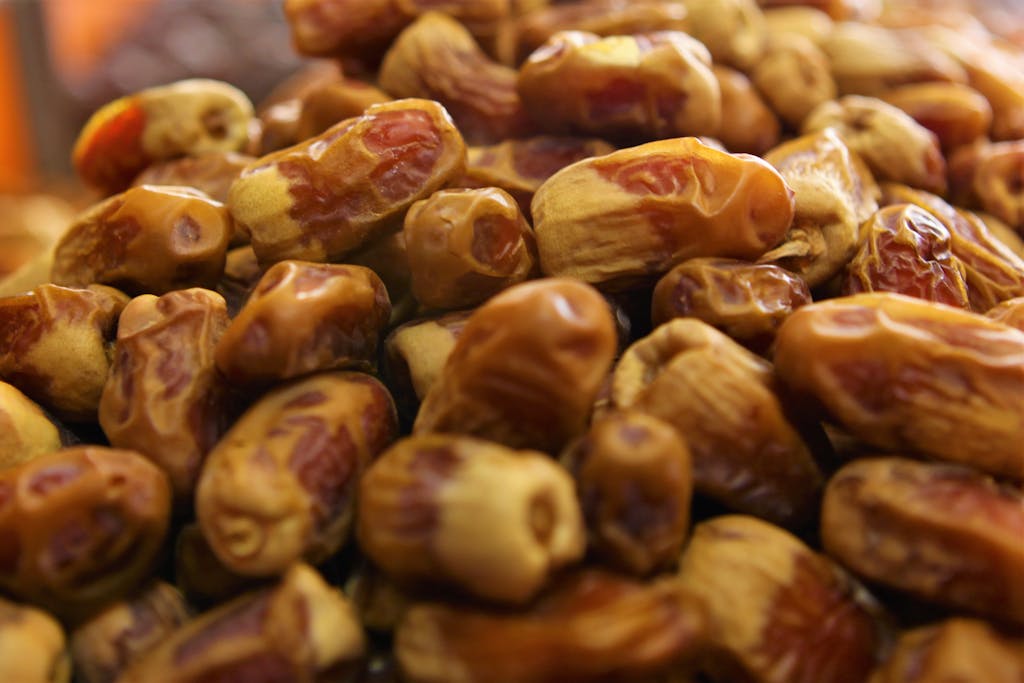
Dates are chewy, rich, and naturally sweet, which is exactly why they show up in so many “clean eating” desserts, energy balls, smoothies, and homemade snack bars.
The problem is that dates are still extremely concentrated, so a small handful can deliver a lot of sugar and calories before your stomach has time to notice. They are not bad, but they are easy to treat like a harmless fruit when they behave more like a natural sweetener.
The smartest way to use dates is as a flavor booster rather than a snack you eat by the pile. One or two chopped into oatmeal, yogurt, or a nut mix can add sweetness without turning the whole meal into a sugar rush.
Once dates become the main ingredient in bars and shakes, the “healthy” label starts doing more work than the nutrition does.
Raisins Are Tiny, Sticky, and Shockingly Easy to Overeat
Raisins look innocent because they are small, portable, and familiar from childhood lunchboxes. Yet drying grapes removes much of the water, leaving behind a sweeter, denser bite that is far less filling than fresh fruit.
A box of raisins can disappear in minutes, but the same amount of sugar in fresh grapes would usually take more chewing and more volume. They also have a sticky texture that clings to teeth, which makes them less ideal as a casual snack throughout the day.
Raisins can still work in small amounts, especially sprinkled into cereal, trail mix, or baked goods. The trouble starts when they become a standalone snack people eat straight from the bag, without thinking about portion size.
Canned Fruit in Heavy Syrup Turns Fruit Into Dessert
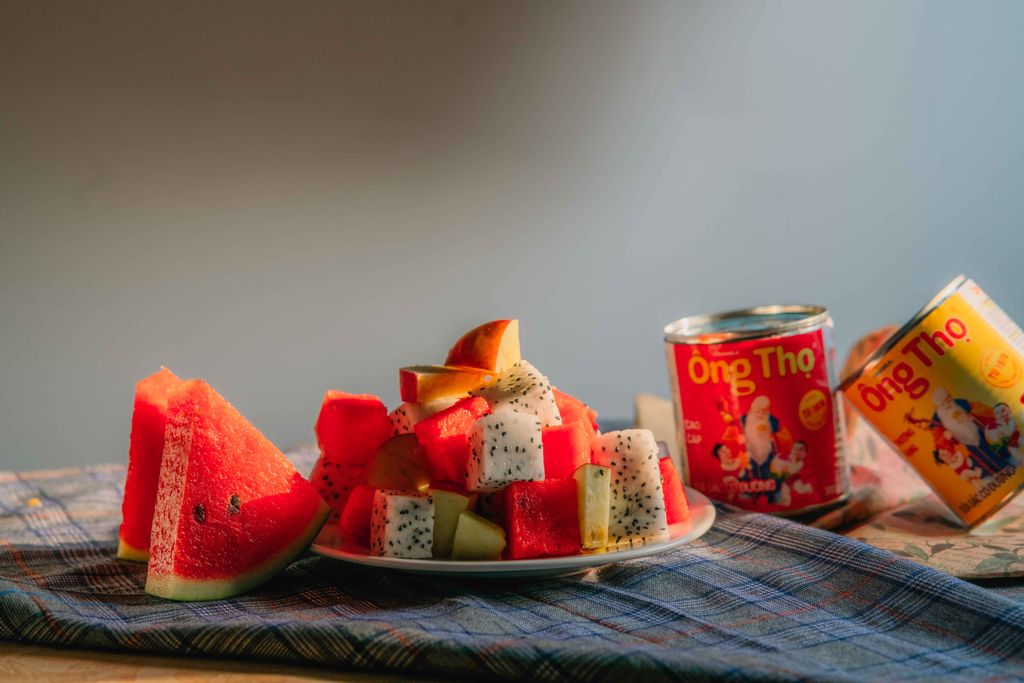
Canned fruit can be useful, affordable, and convenient, especially when fresh produce is expensive or out of season. The issue is the syrup.
Fruit packed in heavy syrup can contain added sugar that changes the entire nutritional story, turning peaches, pears, or fruit cocktail into something much closer to a sweet dessert cup. A better move is choosing canned fruit packed in water, its own juice, or 100% juice. Draining the liquid also helps reduce the sugary hit.
The fruit itself isn’t the villain here, but the syrup often steals the show and leaves shoppers thinking they made a healthier choice than they actually did.
Fruit Juice Can Drain Away the Best Part
Fruit juices sound wholesome because they come from fruit, but it often removes the chewing, fiber, and fullness that make whole fruit work so well.
A glass of juice goes down quickly, and it rarely satisfies hunger the way an orange, apple, or bowl of berries can.
Even 100% juice can feel light while delivering a quick dose of natural sugar. This is why whole fruit is usually the stronger everyday choice. Juice can fit in small portions, but it should not replace the fruit you actually bite, chew, and slowly. Once juice becomes the daily default, it can quietly add sweetness without giving much lasting fullness.
Lychee Is Sweet, Juicy, and Less Filling Than It Looks
Lychee has a delicate floral flavor and a glossy, tropical charm that makes it feel special. It also brings vitamin C, so it would be unfair to call it useless. Still, lychee is very sweet, low in protein, and not especially filling when eaten by the handful, which makes it easy to consume more than planned.
The better approach is to enjoy lychee like a treat fruit, not a main snack. Pairing it with plain yogurt, nuts, or a more fiber-rich fruit can make it more balanced. Eaten alone in large portions, it delivers plenty of sweetness without the same staying power as berries, apples, pears, or oranges.
Honeydew Often Looks Healthier Than It Feels
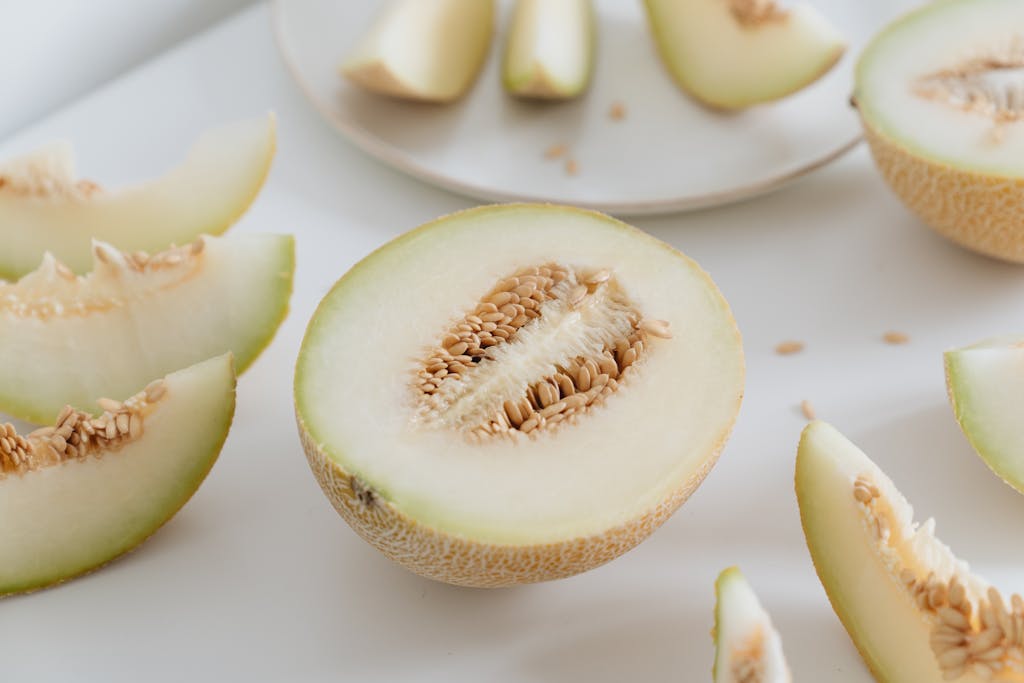
Honeydew is crisp, pale,and refreshing, but it often plays the role of filler in fruit salads for a reason. It contains plenty of water and some vitamin C, yet it is not especially high in fiber compared with many other fruits.
That means it can taste refreshing in the moment and still leave you looking for another snack soon after. This does not make honeydew a bad fruit. It simply means it works best as part of a bigger plate rather than the main event.
Add it to cottage cheese, Greek yogurt, or a bowl with berries and nuts, and it becomes more satisfying than a lonely pile of green cubes.
Watermelon Is Refreshing But Not Very Filling
Watermelon is perfect on a hot day because it is juicy, bright, and deeply refreshing. Its high water content is part of its appeal, but it can also be less filling than people expect.
You can eat several slices and still feel like you mostly had sweet water. Watermelon works beautifully as a summer side, a post-walk refreshment, or a lighter dessert. The mistake is expecting it to keep you full for hours.
Pairing it with protein or fat, like feta, yogurt, or nuts, makes the snack feel more complete and helps prevent the quick return of hunger.
Dried Mango Can Be a Sugar Trap in a Pretty Package
Fresh mango is fragrant, satisfying, and packed with tropical flavor. Dried mango is a different story because the drying process concentrates the sweetness into chewy strips that are dangerously easy to snack on.
Many packaged versions also contain added sugar, turning an already sweet fruit into something closer to candy. Unsweetened dried mango is the better choice, but portion size still matters.
A few pieces can add flavor to a snack mix or lunchbox, but eating them straight from a large bag can get out of hand quickly. Fresh mango gives more volume, more juiciness, and a better chance of feeling satisfied.
Jackfruit Is Not the Protein Hero People Think It Is
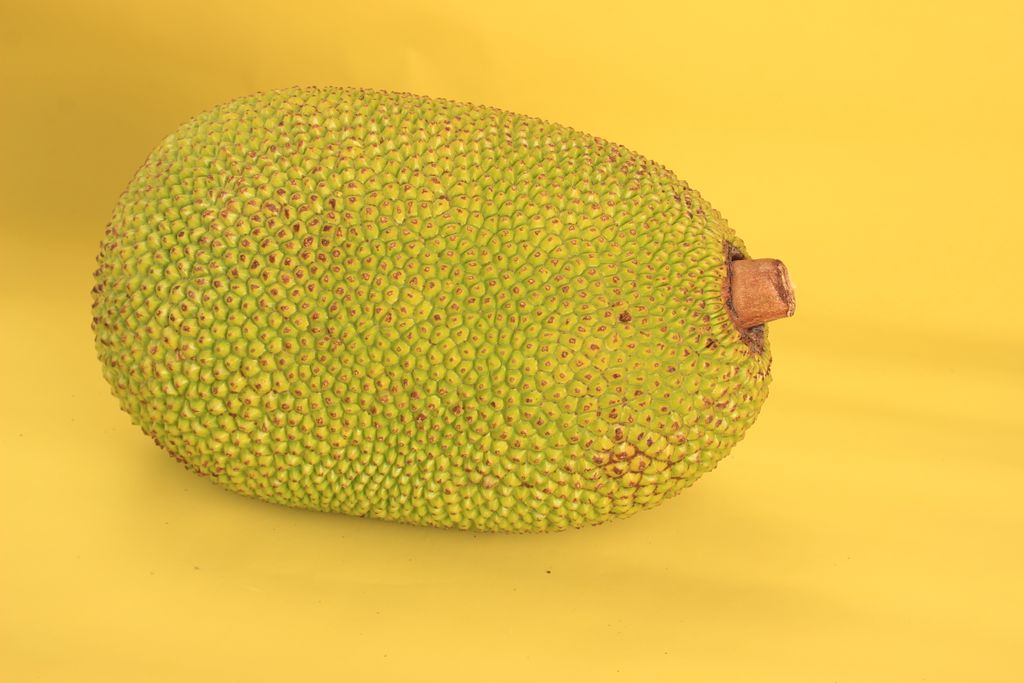
Jackfruit became popular because its texture can mimic pulled meat in tacos, sandwiches, and barbecue-style dishes.
That texture is useful, especially for plant-based cooking, but it does not mean jackfruit has the protein profile of beans, lentils, tofu, tempeh, or meat. It is mostly a carbohydrate-rich fruit with a fun texture, not a complete meal replacement on its own.
The fix is simple. Use jackfruit for texture and flavor, then add a real protein source to the plate. Black beans, chickpeas, Greek yogurt sauce, eggs, tofu, or lean meat can help round out the meal so the dish does more than look convincing.
Pomegranate Juice Loses the Crunch That Makes the Fruit Better
Pomegranate arils can be a lovely addition to salads, yogurt bowls, and grain bowls, bringing crunch, color, tartness, and a little fiber. Pomegranate juice, however, is much easier to overdrink and far less filling.
The juice may keep some plant compounds, but it removes the chewing experience that helps the whole fruit feel satisfying. This is one of those cases where the whole version usually wins for everyday eating.
A sprinkle of arils can make a meal feel bright and special without flooding it with liquid sugar. A large bottle of juice, even when it looks fancy, is much easier to treat like a health drink and drink too much of.
Starfruit Is Not Safe for Everyone

Starfruit is beautiful on a plate, especially when sliced into little golden stars. For many healthy adults, it may be eaten in normal food amounts, but it comes with a serious warning for people with kidney disease.
Compounds in starfruit can build up in the body when the kidneys cannot clear them well, which makes this fruit risky for certain people. That safety concern matters more than its appearance or novelty.
Anyone with kidney disease, dialysis treatment, or kidney-related medical restrictions should avoid starfruit unless a qualified medical professional says otherwise. Sometimes, the least healthy fruit choice is not the one with the most sugar, but the one that carries the wrong risk for the wrong person.