What if the secret to turning your ordinary days into extraordinary ones doesn’t involve spending hours scrolling through expensive apps or buying yet another subscription? In a world where every new trend demands your attention and your wallet, the best way to escape is to reclaim your free time with something simple and free.
The best part? Cheap hobbies not only help you unwind, but they can also boost your mental health, spark creativity, and even improve your relationships.
In this article, we discuss 12 cheap hobbies anyone can start today , no special equipment required, no professional-grade gear needed, just pure enjoyment. These hobbies will turn your downtime into something that adds value to your life, without the price tag.
Gardening
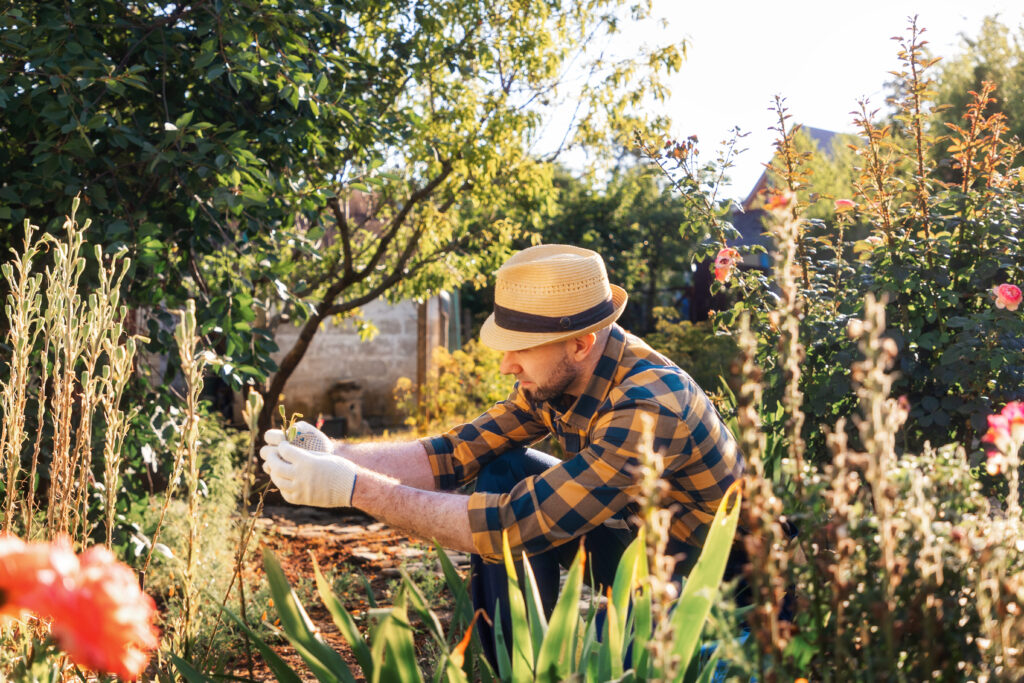
Gardening has a reputation for requiring yards, raised beds, and a trunk full of tools, but that is the deluxe version, not the beginner one. A pot, a recycled container, a balcony rail, or a small patch of soil is enough to start learning how light, water, and patience work together. That helps explain why gardening feels so grounding. It gives us visible evidence that steady, small actions can still create something alive and beautiful.
Journaling
Journaling looks almost too simple to count as a hobby, which is exactly why it works. That makes journaling ideal for people who say they are “not creative,” because it does not ask for polish; it only asks for honesty. We can keep a daily page, a gratitude log, a dream journal, a prayer journal, or a notebook full of half-finished ideas. The notebook becomes a low-cost private room where mental clutter finally has somewhere to go.
Reading

Reading remains one of the strongest answers to the question, “What hobby can we start for almost nothing?” That means we do not need to buy stacks of new hardcovers to make reading part of daily life. We can start with a library card, a public-domain classic, or a borrowed audiobook for a walk. The real appeal is not just cost, it is portability, mental reset, and the way reading fills dead time with something that actually leaves us sharper than before.
Drawing and Sketching
Sketching is one of the cheapest creative hobbies because it starts with a pencil, a pen, or even the back of an envelope. The deeper value is that drawing teaches us to notice shape, contrast, gesture, and tiny details we normally walk past. We do not have to produce gallery-ready work for that benefit to show up. We only need to sit still long enough to really look at something, which is rarer than people like to admit.
Chess, Cards, and Jigsaw Puzzles
Games that ask for memory, strategy, pattern recognition, and patience tend to age well because they keep offering a fresh problem without requiring constant spending. We do not have to make grand claims to see the appeal. A deck of cards, a chessboard, or a secondhand puzzle can turn an ordinary night into a focused, screen-light challenge. Better still, these hobbies can be done alone or with company, making them unusually flexible.
Crochet and Knitting
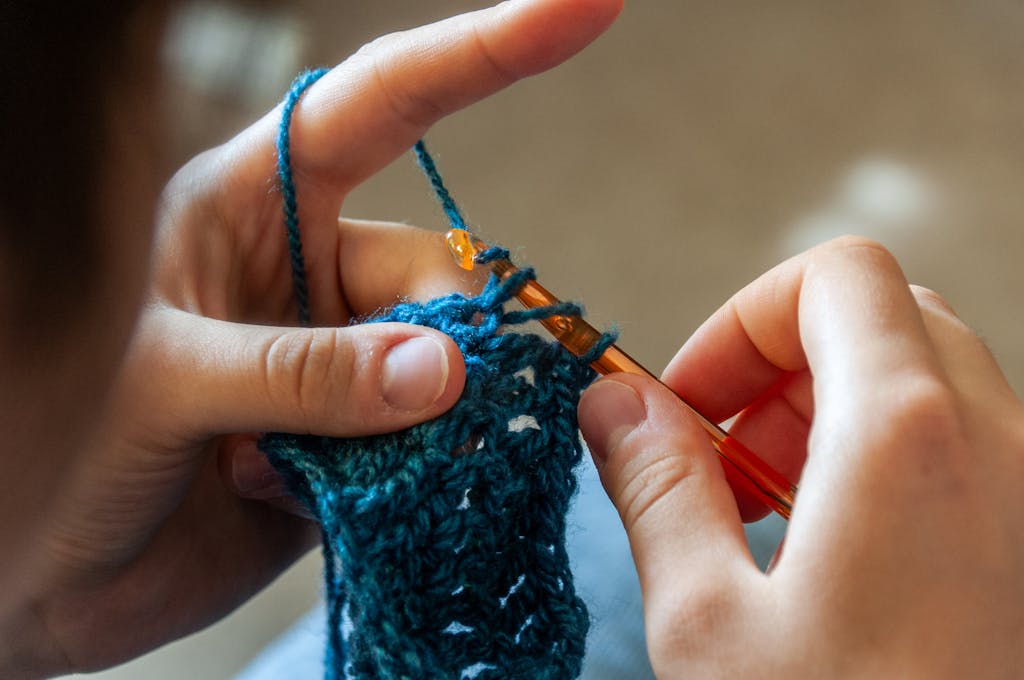
Crochet and knitting are excellent, inexpensive hobbies for adults who want their downtime to create something tangible. They slow the hands down, occupy restless energy, and leave us with scarves, dishcloths, simple gifts, or just the satisfaction of watching a shape emerge row by row. There is also a practical pleasure here that many hobbies lack; we are not simply consuming content, we are making an object. That shift alone can make evenings feel less slippery and less wasted.
Cooking
Cooking deserves a place on any serious list of cheap hobbies because it uses a task we already have to do and turns it into a skill we can deepen for years. We do not need restaurant-grade knives, luxury ingredients, or a social media kitchen to make it enjoyable. We can pick one cuisine, one technique, one bread recipe, one soup formula, or one weekly challenge and build from there. The hobby becomes more interesting when we stop treating dinner like a chore and start treating it like practice. Few hobbies are this useful, this shareable, and this easy to fold into normal life.
Language Learning
Language learning feels premium because people associate it with tuition, software subscriptions, and flights abroad. That means the real barrier is usually not money but consistency. Ten focused minutes a day with free lessons, flashcards, songs, and short listening practice can carry us much further than people expect. It is one of the best cheap hobbies for adults who want a hobby with a long horizon, because there is always another phrase, another conversation, another level of confidence to reach.
Tabletop Role-Playing Games
Role-playing games look expensive from the outside because the internet loves to showcase elaborate miniatures, custom maps, and shelves of books. In practice, this hobby gives us story, laughter, teamwork, improvisation, and a standing reason to see friends, all without the cost structure people assume. A few printed sheets, shared rules, and imagination go a very long way here. For adults who miss play but do not miss pointless spending, this is a smart hobby to revisit.
Birdwatching

Birdwatching changes the texture of a walk because suddenly the world is full of movement, calls, color, and patterns we used to ignore. We no longer need to be “the kind of person” who already knows every warbler and finch by sight. We can begin by noticing pigeons, doves, crows, weavers, or sunbirds in our own area and letting curiosity grow from there. The hobby is cheap because the real equipment is attention.
Walking and Hiking
When people overcomplicate hobbies, walking is the answer that quietly embarrasses them all. Walking also scales beautifully. We can do it with a podcast, in silence, around the block, on a trail, during lunch, or at sunrise when the neighborhood still feels half asleep. As cheap hobbies go, this one is brutally hard to beat because it asks for so little and gives back so much.
Smartphone Photography
Photography can become expensive very quickly if we confuse the hobby with gear acquisition. But the more honest version starts with the camera already in our pocket, with a daily challenge: shadows, doors, food, clouds, reflections, faces, texture, symmetry, or street details. It also sharpens observation in a way that spills into the rest of life. We begin by taking pictures, then we realize we have trained ourselves to pay closer attention.