Home upgrades have a way of sounding smarter than they really are. A sparkling pool, a fully automated smart system, or a dramatic landscaping makeover can make a house look more impressive on paper, but looks do not always translate into value. Some renovations drain your wallet, demand endless upkeep, and still fail to impress future buyers. In many cases, the upgrades that seem the most exciting turn out to be the ones that create the biggest regrets.
That is why it pays to look past the luxury label and ask a harder question, is this upgrade actually worth the cost? From features that raise maintenance bills to additions that limit a home’s flexibility, some popular improvements simply do not deliver the return homeowners expect. Before you pour money into your next big project, it helps to know which upgrades can quietly become expensive mistakes.
Swimming Pools
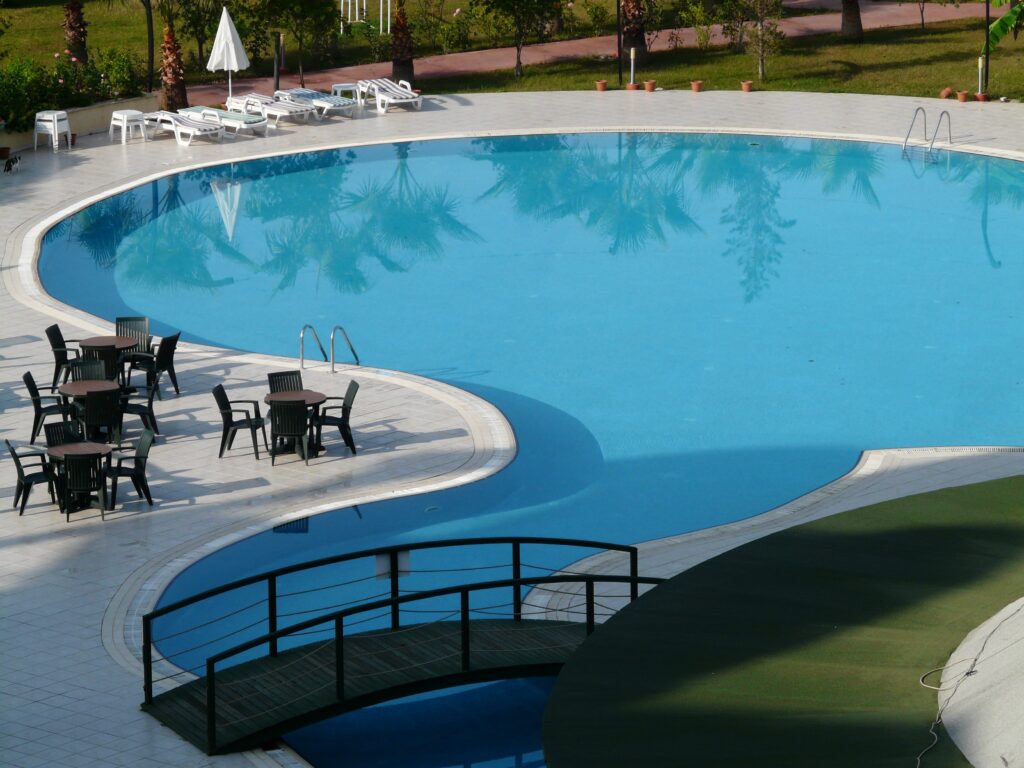
A swimming pool might seem like the ultimate backyard luxury, but it’s a costly addition that often doesn’t yield a good return on investment. Besides the hefty upfront installation cost, maintenance is a continual drain, covering cleaning, chemicals, repairs, and heating and pumping energy bills. And for buyers, a pool can be a dealbreaker, especially for families with young children or those who don’t want the upkeep. Instead of splashing out on a pool, consider upgrading your outdoor living space with a more versatile, low-maintenance feature, such as a deck or a fire pit.
Extensive Landscaping with Exotic Plants

While a lush, beautifully landscaped yard can boost curb appeal, extravagant landscaping projects often fall short in terms of long-term value. Exotic plants or elaborate garden designs can be difficult to maintain, especially in areas with harsh climates. These fancy additions may also attract pests or require excessive watering, further driving up costs. Simple landscaping that complements the local climate and requires minimal upkeep can be just as striking while offering far better return on investment.
Garage Conversions
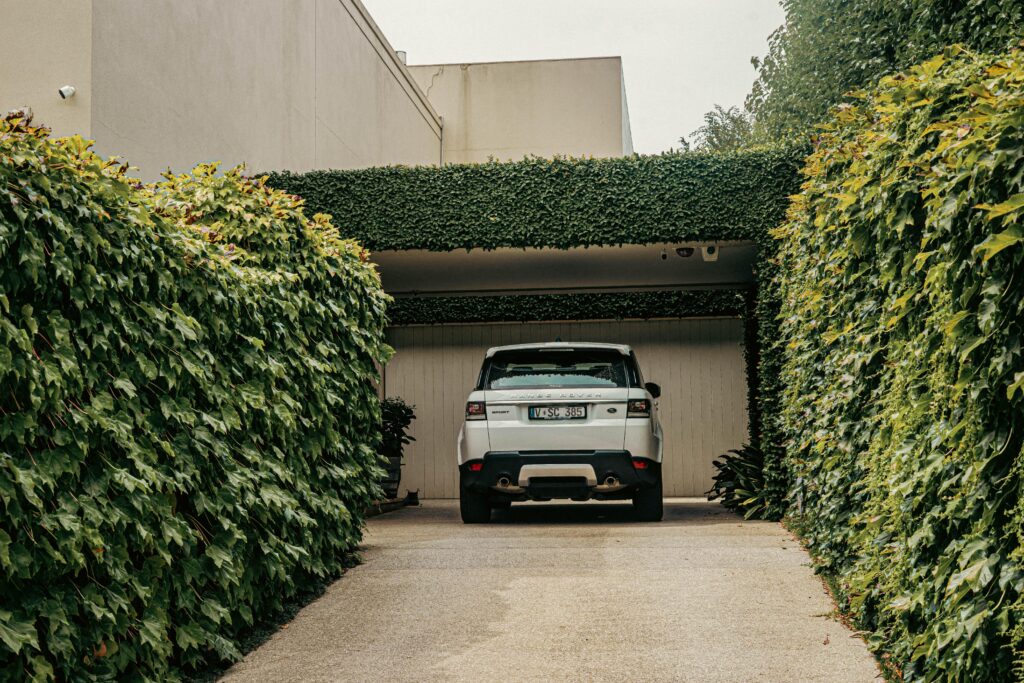
Converting a garage into living space might seem like a clever way to add square footage to your home. However, it’s an upgrade that can backfire. Losing a functional garage diminishes your home’s storage capacity and its appeal to potential buyers who might prioritize parking or space for hobbies like working on cars. Instead of converting the garage, consider transforming a basement or attic into usable living space if you need more room without sacrificing valuable functionality.
High-Tech Smart Home Systems
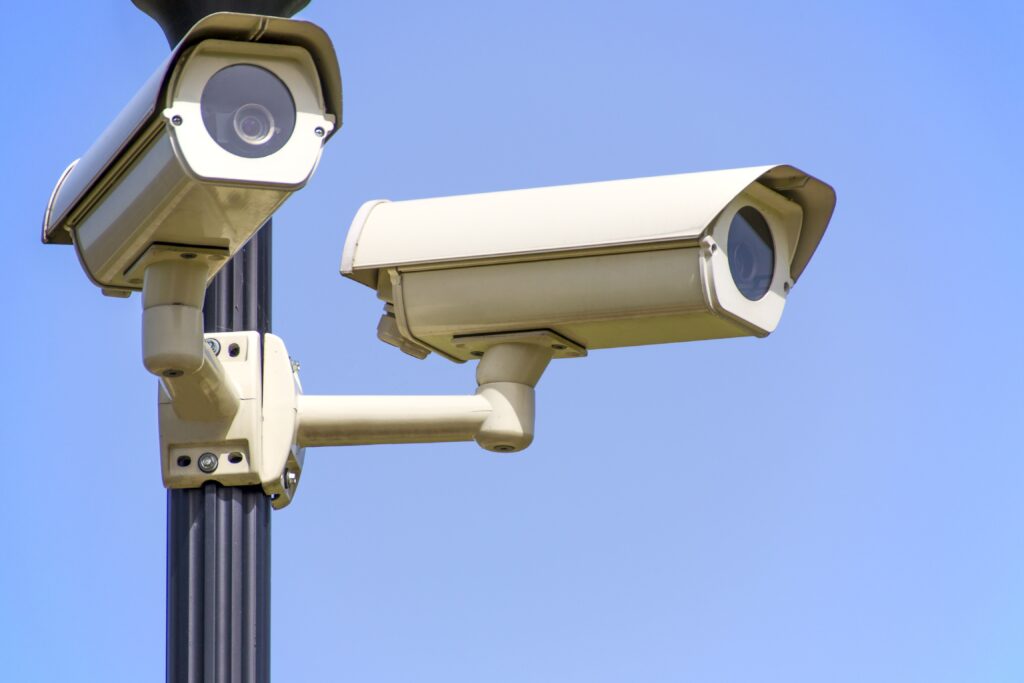
Smart home technology can certainly make life more convenient, but it’s not always a wise investment, especially if the system is expensive or complicated. With rapid technological advancements, smart systems quickly become outdated, requiring expensive upgrades. Additionally, not every buyer will appreciate or know how to use these systems, making them a less-than-desirable selling point. Rather than splurging on a home full of smart gadgets, focus on ensuring your home is comfortable and efficient with simple, long-lasting upgrades like energy-efficient appliances.
Built-In Features

Built-in features like expensive fish tanks, high-end pizza ovens, or motorized blinds may look impressive initially, but they tend to limit your home’s flexibility and space. These features require constant maintenance and can be hard to personalize or replace when trends change. For example, while an outdoor pizza oven sounds fun, it may not be practical for every homeowner. Instead, consider portable, multi-purpose options that offer more customization and less hassle down the road.
In the end, it’s important to carefully assess home upgrades to ensure they provide lasting value. Instead of sinking money into trendy features that may not stand the test of time, focus on improvements that offer practical benefits, minimal maintenance, and broad appeal to future buyers.