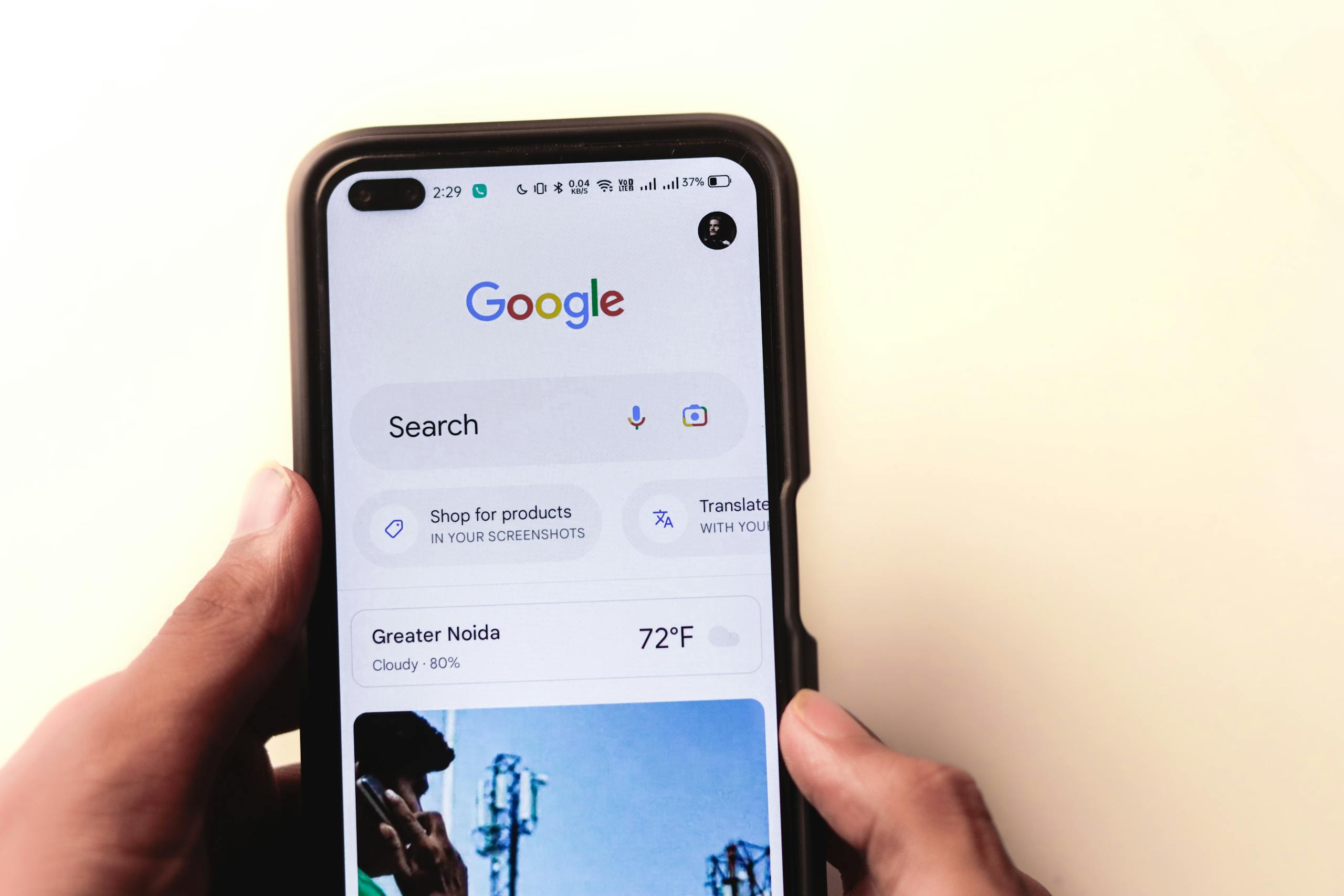
We’re all familiar with the idea of public places being full of germs, but did you know that many everyday items you interact with regularly harbor more bacteria than you might expect? From your trusty reusable shopping bag to your smartphone, there are countless things we touch every day that deserve more attention when it comes to cleaning. Here are the top ten germiest items you might not realize need regular disinfecting.
Yoga Mats

Yoga mats can harbor a surprisingly large number of germs. They’re regularly exposed to sweat, dirt, and bacteria from both your skin and the floor beneath you. If left uncleaned, they can become an ideal breeding ground for bacteria and fungi, particularly in the warm, damp environment created during a yoga session. To avoid this, wipe down your mat after every use with a disinfectant spray or a vinegar solution. Deep clean it with soap and water every few weeks, and let it dry fully before rolling it up.
Reusable Shopping Bags
While eco-friendly and great for reducing plastic waste, reusable shopping bags can become breeding grounds for germs if not cleaned regularly. Think about it: these bags often come into contact with raw meats, fresh produce, and other groceries that can leave behind bacteria. If you toss them in your car or leave them damp, you’re essentially creating a perfect environment for bacteria to thrive. To avoid this, wash your reusable bags regularly. Most fabric bags can be machine-washed, or you can wipe down plastic ones with a disinfecting wipe after each use.
Water Bottles

We all know it’s important to stay hydrated, but how often do you clean the bottle you drink from? Water bottles, especially those with narrow mouths, can trap moisture and make the perfect home for bacteria, mold, and even fungi. Add in frequent mouth contact, and it’s a breeding ground for germs. Regularly wash your water bottle with warm water and soap. If it’s hard to clean inside, invest in a bottle brush to reach those hard-to-get spots, or use a cleaning tablet specifically designed for water bottles to ensure it’s properly sanitized.
Public Touchscreens
Whether you’re using a public touchscreen at a café, a self-checkout kiosk, or a gym machine, these surfaces are frequently touched by a wide variety of people. Every touch leaves behind a trail of germs and bacteria. It’s easy to forget, but these high-touch surfaces are often overlooked during cleaning. Carry hand sanitizer and sanitize your hands after using public screens to reduce the spread of germs.
Credit and Debit Cards

While most of us carry our credit and debit cards everywhere, we rarely think about how many hands they come into contact with, including ours and countless others, when we swipe them at stores. These cards are constantly exposed to germs, especially on the magnetic strip and the chip, which makes contact with dirty ATM and payment terminals. A simple way to reduce the germ buildup is to wipe your cards down with a disinfecting wipe regularly, especially after a trip to the store.
Contact Lenses and Cases
If you wear contact lenses, you’re probably aware that the lenses themselves can accumulate dirt and bacteria. However, it’s easy to overlook the importance of regularly disinfecting your contact lens case. The case itself is often a hotspot for germs if it’s not properly cleaned. Be sure to disinfect your lens case daily by rinsing it with fresh solution (never water), and replace it every 3 months to reduce the risk of eye infections.
Makeup Brushes and Sponges

Your makeup tools, like brushes and sponges, come into direct contact with your skin every day, so they can pick up oils, dirt, and bacteria. When you use these tools on your face, you’re potentially spreading germs and bacteria all over your skin. Regularly wash your brushes and sponges with gentle soap or a specialized cleaner to keep them free from dirt and bacteria. Aim to wash them at least once a week, and replace them every few months to keep your skin safe.
Tattoo Ink and Permanent Makeup Tools
Tattoo and permanent makeup tools come into close contact with your skin, often breaking the surface and creating potential entry points for bacteria. The ink itself can also be contaminated if not handled properly. To keep your skin healthy, always make sure your tattoo artist uses sterilized tools and fresh ink. Afterward, follow proper aftercare instructions, including keeping the area clean and avoiding unnecessary touching or exposure to dirty surfaces.
Kitchen Cutting Boards
Cutting boards are among the dirtiest surfaces in the kitchen, especially when used for raw meat, poultry, and fish. Bacteria can easily survive in the cracks of the board and transfer to food. To properly disinfect your cutting board, wash it with hot soapy water after each use, especially if you’ve cut raw meat. For deeper cleaning, use a bleach solution or white vinegar to sanitize it regularly, and replace it once it shows signs of wear, such as cracks.
Cell Phones
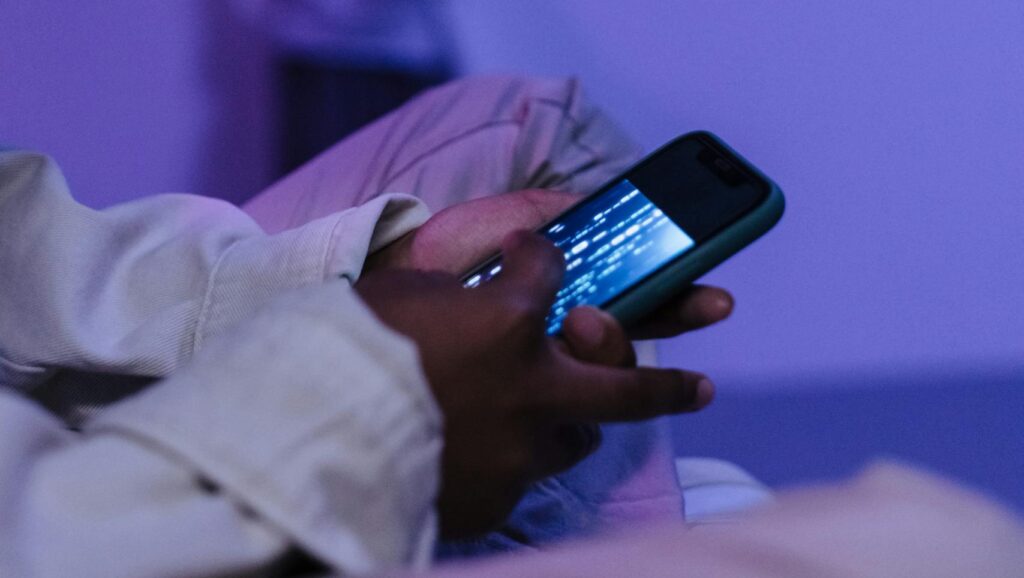
Your cell phone is with you all the time; it goes with you to the bathroom, the kitchen, the office, and even the gym. With all that exposure, it’s no surprise that it’s covered in germs. Studies have shown that cell phones harbor more bacteria than many public restroom surfaces. Clean your phone regularly with a microfiber cloth, and use a disinfectant wipe to kill germs, but avoid harsh cleaners that could damage the screen. Consider using a phone case that can be washed, and try to limit your phone use in germ-heavy environments.
Conclusion
It’s easy to overlook the buildup of germs on everyday items, but with a few simple cleaning habits, you can significantly reduce the risk of contamination. Regularly disinfecting and cleaning these items will help you maintain a healthier lifestyle and avoid unnecessary exposure to germs. By making these simple changes, you’ll keep not just your items but also your health in top shape.