Your kitchen countertops are prime real estate; they’re the workspace where meals come to life and family gatherings take place. But did you know that some items you’ve probably been leaving out there are actually doing more harm than good?
From health risks to unsightly messes, certain items should never be stored on your kitchen counter. In this article, we reveal the 12 things you need to move off your countertops today, along with why their presence could be undermining the cleanliness, safety, and overall vibe of your kitchen.
Perishable Fruits and Vegetables

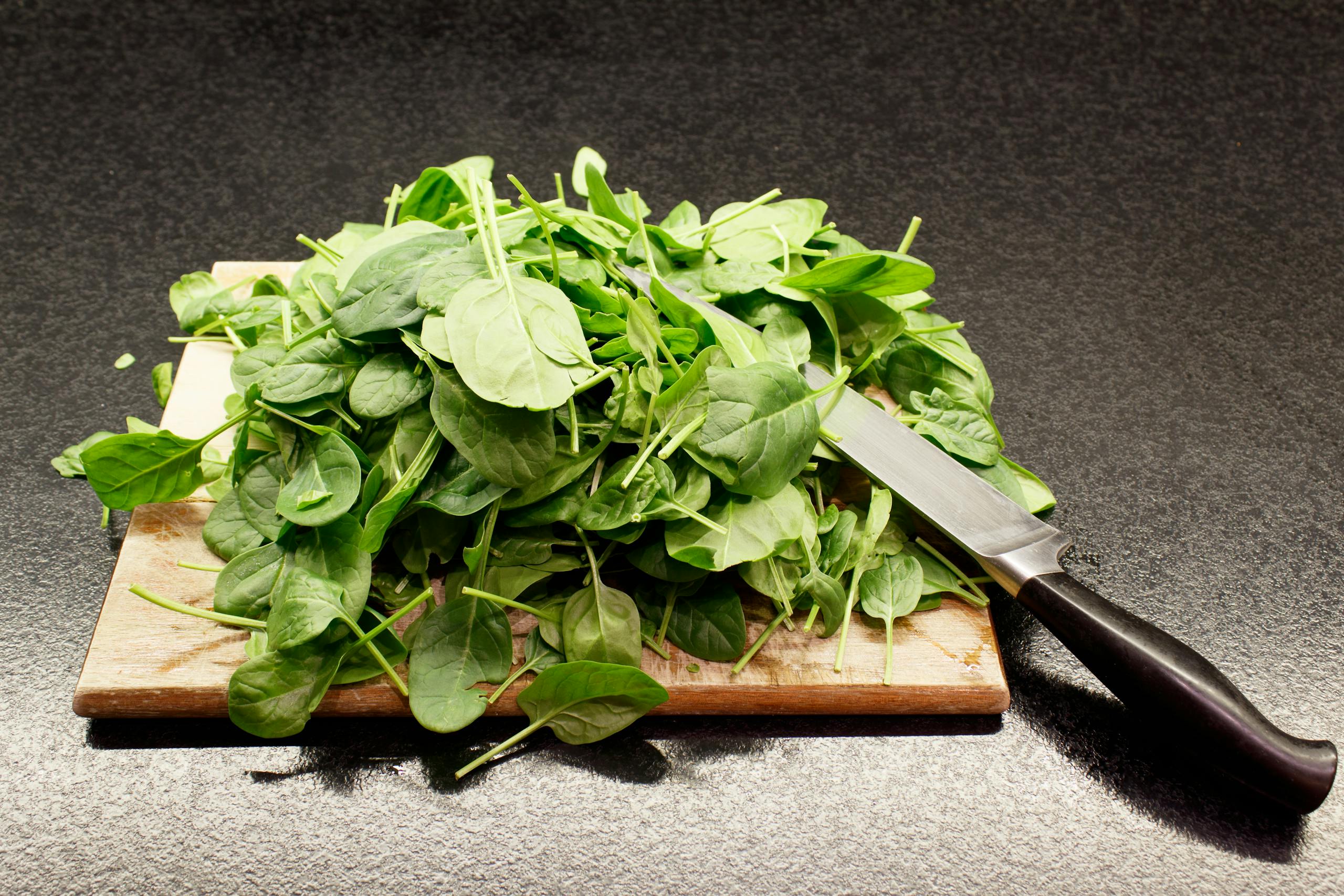
Certain fruits and vegetables spoil more quickly when kept at room temperature. While root vegetables like potatoes and onions thrive in a cool, dark place, other perishable produce, such as berries, apples, and leafy greens, should be stored in the fridge. For fruits and vegetables that need to be stored at room temperature, make sure your countertop isn’t too warm or exposed to direct sunlight. Using proper storage techniques for your fresh produce helps it stay fresh longer.
Pet Food and Bowls
Leaving pet food or bowls on the kitchen countertop can attract pests, including ants, rodents, and cockroaches. These pests not only pose a nuisance but can also spread bacteria and contaminate your food preparation areas. To keep your kitchen hygienic, always feed your pets at floor level and store their food in airtight containers. Keeping pet food and bowls off the countertop will also help reduce the spread of allergens and maintain a cleaner kitchen.
Cooking Oils
Cooking oils are highly susceptible to degradation when exposed to heat and light. If left on the countertop for too long, oils can become rancid, losing their taste and nutritional value. Additionally, oils can stain countertops and cause permanent damage, particularly if your surfaces are porous. For the best preservation of your oils, store them in a cool, dark cabinet away from direct sunlight. This will help prevent spoilage and keep your oils fresh.
Raw Meat

When it comes to food safety, raw meat is a major culprit in cross-contamination. Meat, especially poultry and seafood, can harbor harmful bacteria such as Salmonella and E. coli. Leaving raw meat on the countertop increases the risk of these pathogens spreading to other foods, utensils, or kitchen surfaces. To safely defrost or store meat, always use a refrigerator or a designated cooler. Be sure to follow recommended guidelines for handling and cooking raw meat to avoid foodborne illnesses.
Medications
Medications, including over-the-counter drugs, vitamins, and supplements, require a cool and dry environment to maintain their effectiveness. Countertops near heat sources like stoves or sinks often fluctuate in temperature and humidity, which can degrade the quality of your medications. Storing them on the countertop exposes them to conditions that could compromise their potency and shelf life. It’s best to store your medications in a designated medicine cabinet or cool, dry area.
Spices
Spices are essential to cooking, but they lose their potency and flavor when exposed to heat and light. Storing spices on the countertop, especially near a stove or window, accelerates their degradation. To preserve the freshness of your spices and seasonings, store them in a cool, dark place, such as a pantry or kitchen cabinet. Proper storage helps your spices retain their flavor longer, making your dishes taste even better.
Cell Phones, Keys, and Cash
While it’s tempting to toss your phone, keys, or mail on the countertop after a busy day, doing so can bring unwanted germs into your kitchen. Cell phones and keys can harbor bacteria and often come into contact with high-touch surfaces, such as doorknobs and public transportation. Even cash, which may carry more germs than you realize, can contaminate your countertop. To maintain a clean, hygienic kitchen, designate a separate area, such as a catch-all tray, for these items.
Cutting Boards and Knives

Cutting boards and knives should never be left on the countertop after use. Not only can they be breeding grounds for bacteria, especially if used for raw meat, but they can also pose a safety risk if left within easy reach of children or pets. Instead of storing them on the countertop, keep them in a drawer or designated storage area to keep your kitchen safe and clean. Remember to regularly clean your cutting boards with a disinfecting solution to prevent bacterial growth.
Coffee Makers
Coffee makers are essential to your morning routine, but they can quickly become breeding grounds for bacteria if not properly maintained. When left on the countertop, coffee makers can accumulate old coffee grounds, moisture, and spills, creating a perfect environment for mold and bacteria growth. Regularly clean your coffee maker and store it in a cabinet or a designated area when not in use to prevent any contamination and keep your kitchen tidy.
Kitchen Towels
Kitchen towels are indispensable tools for wiping spills, cleaning surfaces, and drying dishes, but they can also harbor bacteria, especially if they’re left out on the countertop. When towels are used to clean raw meat or other food messes, they can spread harmful bacteria on the kitchen countertops, utensils, and even other foods. To minimize this risk, store your towels in a designated drawer or holder and regularly wash them to prevent bacterial buildup.
Trash Cans

Although it seems convenient to leave your trash can close by on the countertop, this is a safety and hygiene concern. Trash cans are filled with bacteria, food scraps, and even hazardous materials that can contaminate your food prep areas. It’s best to store your trash can in a designated area away from food preparation surfaces. If possible, invest in a hands-free trash can to reduce germ exposure and keep your kitchen cleaner.
Blender and Other Small Appliances
Small appliances like blenders, toasters, and mixers may be convenient to leave out for quick access, but they can take up valuable counter space and contribute to kitchen clutter. These appliances also collect dust, crumbs, and food particles, especially when not regularly cleaned. Store them in cabinets or on shelves to keep your countertops clear. This creates a more organized and hygienic kitchen environment while also giving you more room to work.