Imagine transforming your garage into the home gym of your dreams, only to realize a few weeks in that it’s a chaotic, underused space. You’re not alone; many have tried and failed to turn their garages into fitness havens.
The problem? Poor planning, lack of organization, and choosing the wrong equipment. But don’t worry; this guide is here to help you avoid those common pitfalls. Keep reading to learn how to turn your garage into a well-structured, functional gym that motivates you to hit your fitness goals.
Assessing the Space
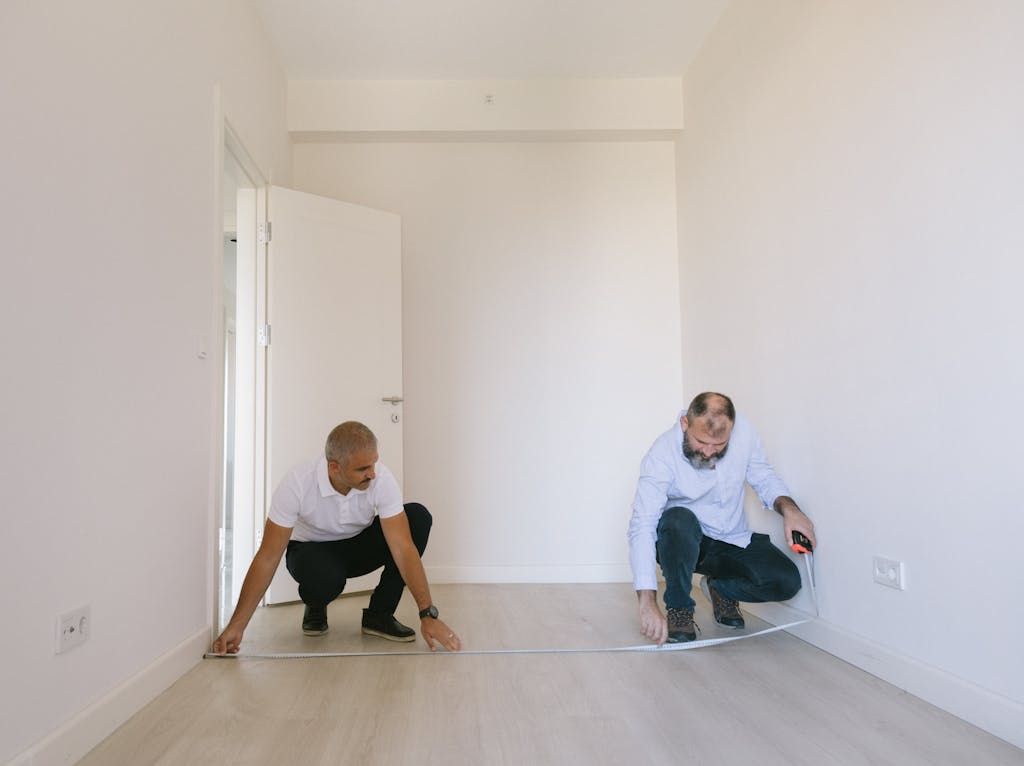
Before diving into the transformation process, assess the size, structure, and layout of your garage. A well-thought-out plan will ensure your garage gym is both functional and comfortable.
- Measure the Dimensions: Start by measuring the floor space, ceiling height, and wall space. Note any obstacles, such as windows, doors, or storage, that may affect the layout.
- Consider Ventilation: Proper airflow is crucial for an effective workout. Ensure your garage has good ventilation, either through windows, a fan, or even an HVAC system if needed.
- Safety Check: Evaluate the flooring and overall structural integrity. If there are cracks in the concrete or uneven surfaces, it may be necessary to make repairs or level the floor.
Maximizing Space
One of the biggest challenges in a home gym is keeping the space organized and clutter-free. Here are a few ways to maximize storage without compromising your workout area.
- Wall-Mounted Storage Racks: These racks are perfect for storing weights, resistance bands, and other smaller equipment. By using vertical space, you free up more floor area for movement.
- Shelving Units: Use sturdy shelves to store accessories such as yoga mats, jump ropes, and foam rollers. Make sure they are easy to access but not in the way of your workout area.
- Ceiling Hooks and Overhead Storage: If your garage has higher ceilings, use overhead space to store items like bikes or light workout equipment you don’t need daily.
- Compact Cabinets: Consider compact, lockable cabinets to store small but valuable items such as supplements, towels, or medicine balls.
Flooring

Choosing the right flooring is one of the most important decisions when setting up a home gym. Proper flooring not only protects your equipment and the garage floor but also reduces noise and provides a comfortable surface for workouts.
- Rubber Tiles or Mats: Rubber is durable and provides excellent shock absorption. Interlocking rubber tiles are easy to install and can be customized to fit any area.
- Foam Flooring: Foam tiles are lightweight and provide a softer surface, ideal for yoga or Pilates. However, they may not be as durable as rubber tiles, so they are better for lighter exercises.
- Hardwood or Vinyl Flooring: If you prefer a more polished look, consider vinyl or hardwood flooring for a sleek, professional appearance. However, you will need protective mats for high-impact exercises.
Essential Equipment for Your Home Gym
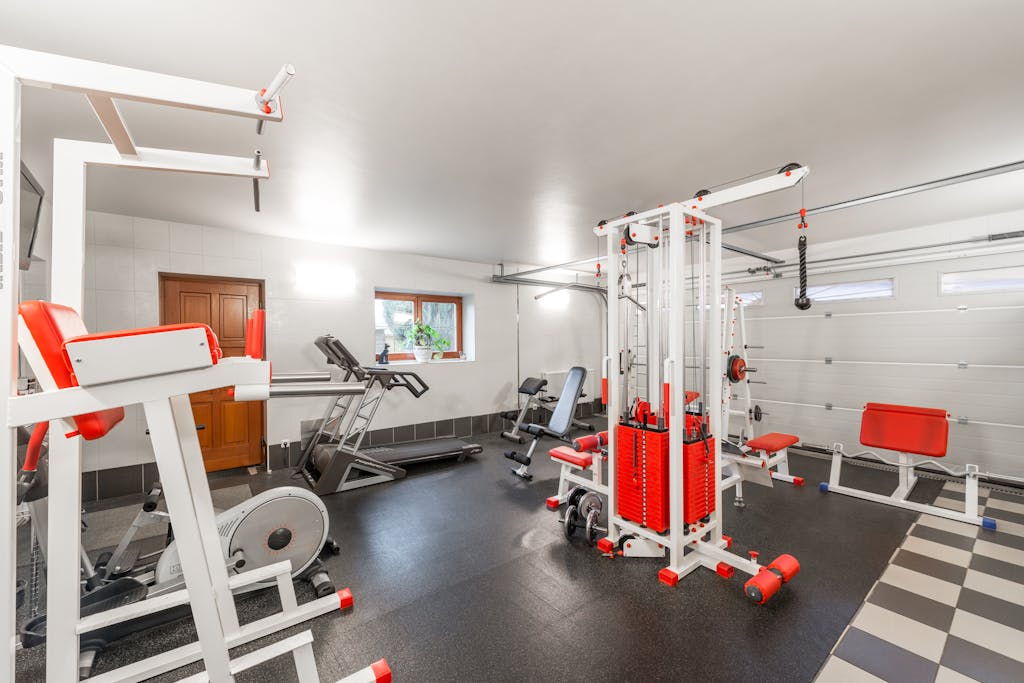
The equipment you choose for your home gym should align with your fitness goals, available space, and budget. Start with the essentials and expand your collection as you progress.
- Cardio Machines: Depending on your preference, include machines like a treadmill, a stationary bike, or an elliptical. These machines are ideal for warming up and improving cardiovascular health.
- Free Weights: Dumbbells, kettlebells, and barbells are essential for strength training. Opt for adjustable sets to save space while still getting a variety of weight options.
- Resistance Bands: These versatile tools are perfect for stretching, toning, and building strength. They are compact and easy to store, making them a must-have for any home gym.
- Functional Fitness Equipment: Medicine balls, battle ropes, jump ropes, and kettlebells add variety to your workout routine. These tools are great for full-body exercises and intense workouts.
- Storage for Equipment: Ensure you have storage solutions for your weights and accessories. A weight rack or wall hooks can keep things neat and organized.
Lighting and Ambiance
Lighting plays a critical role in creating an environment that motivates you to work out. Here’s how you can set the right mood:
- Natural Light: If possible, allow as much natural light as you can. Bright, natural lighting can enhance energy and focus.
- Adjustable LED Lights: Install dimmable LED lights for versatility. Bright lights can help you stay alert during intense workouts, while softer lighting is ideal for stretching or yoga.
- Mirrors: Adding mirrors can open up the space and help correct form. They also make the space feel larger and more engaging, giving you a full view of your exercises.
Temperature Control

A comfortable workout environment is key to maintaining consistency and performance. Garages can get very hot or cold, depending on the season, so controlling the temperature is essential.
- Fans or Portable Air Conditioners: A fan is a simple, cost-effective solution to keep the air circulating. If your garage gets very hot, invest in a portable air conditioner to keep the temperature in check.
- Space Heaters: If you live in a colder climate, a space heater can help maintain a comfortable temperature. Make sure it is placed safely away from equipment and potential hazards.
Creating a Motivating Environment
The right environment can inspire you to stick to your fitness goals. Consider these ideas to make your garage gym a space that excites and motivates you:
- Personalized Decor: Add motivational quotes, posters, or wall decals to keep you inspired. Consider adding some artwork or pictures of your fitness heroes.
- Sound System: A good playlist can make all the difference in motivating you to push through tough workouts. Install a Bluetooth speaker or sound system for an immersive experience.
- TV or Screen for Virtual Workouts: If you enjoy following workout videos or virtual classes, mount a screen or TV on the wall. This feature can help keep you on track and provide guidance during exercises.
Budget-Friendly Tips
Building a home gym doesn’t have to be expensive. Here are a few tips for keeping costs down:
- Buy Used Equipment: Check out second-hand stores, online marketplaces, or local gym sales for used equipment. You can find great deals on machines and weights that still have plenty of life left.
- Start Small: Focus on basic equipment that offers the most versatility. Dumbbells, a yoga mat, and resistance bands are inexpensive but effective tools.
- DIY Projects: Create your own equipment, such as a medicine ball or a plyometric box, using affordable materials.