Poor sleep does not just make you tired. After 40, it can start showing up in your face, mood, memory, weight, and heart health. One bad night is normal. But when poor sleep becomes a pattern, the body may feel older faster than it should.
Adults generally need at least 7 hours of sleep each night, and the CDC defines short sleep duration as getting less than that. Poor sleep is also linked with a higher risk of anxiety, depression, obesity, heart disease, and injury.
It Can Make Your Skin Look More Tired
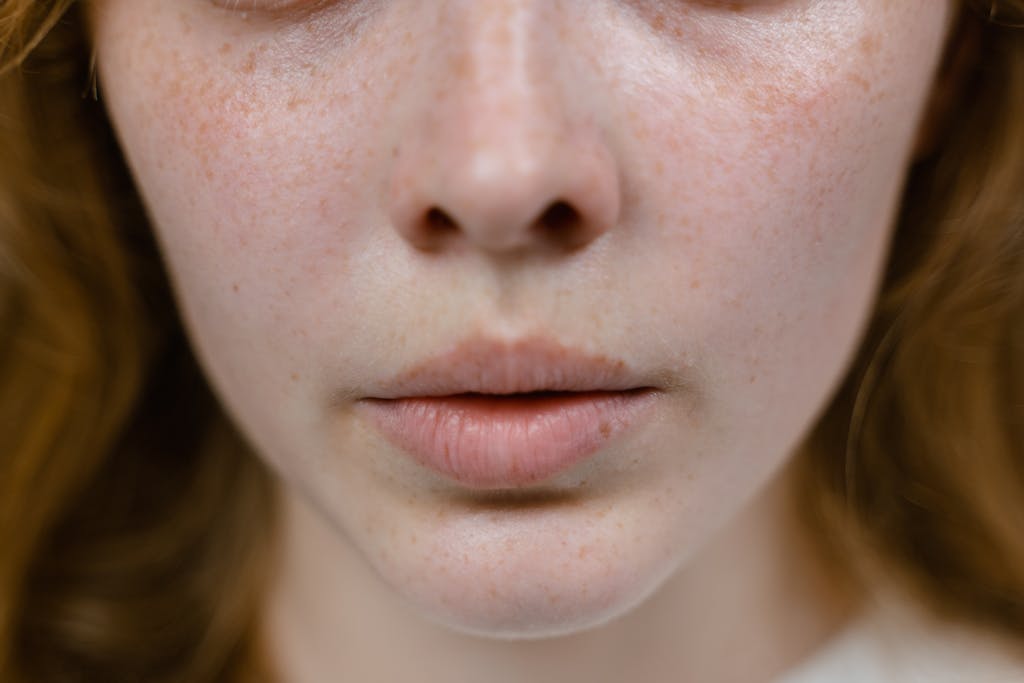
Sleep is when the body repairs itself. When you do not sleep well, your skin may look dull, dry, puffy, or older than usual. Dark circles can appear more pronounced, and fine lines may seem more noticeable.
This does not mean one late night will ruin your face. But repeated poor sleep can raise stress levels, and higher stress can affect collagen, the protein that helps keep skin firm and smooth.
It Can Make Weight Harder to Control
Poor sleep can make hunger feel louder. You may crave more sugar, snacks, or late-night food because your tired body wants quick energy. That can make weight control harder after 40, when many people already notice slower changes in their bodies.
Sleep loss can also affect hormones and metabolism. Research has linked short sleep with obesity and impaired glucose control, which can make the body feel less steady and harder to manage over time.
It Can Weaken Your Memory and Focus
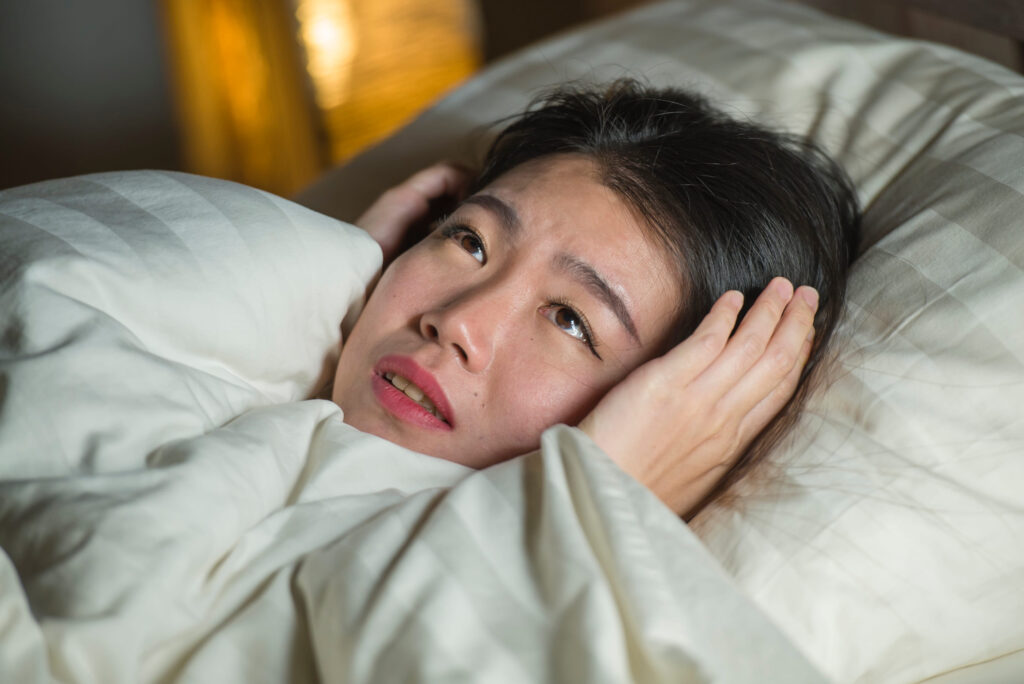
Bad sleep can make the brain feel foggy. You may forget names, lose your train of thought, or feel slower at work. After 40, many people blame age first, but poor sleep may be part of the problem.
Your brain needs sleep to reset. When sleep is poor, thinking clearly can become harder. The American Heart Association has also linked suboptimal sleep with a higher risk of cognitive decline, depression, obesity, high blood pressure, high blood sugar, and high cholesterol.
It Can Put More Pressure on Your Heart
The heart does not get a vacation when sleep is poor. Short or broken sleep can place more stress on the body and may affect blood pressure, inflammation, and heart health. That matters more after 40 because heart risks often become more serious with age.
The American Heart Association recommends 7 to 9 hours of sleep for adults to support better cardiovascular health. Sleep is not just rest. It is part of the body’s protection of the heart.
It Can Make the Body Feel More Inflamed and Worn Down
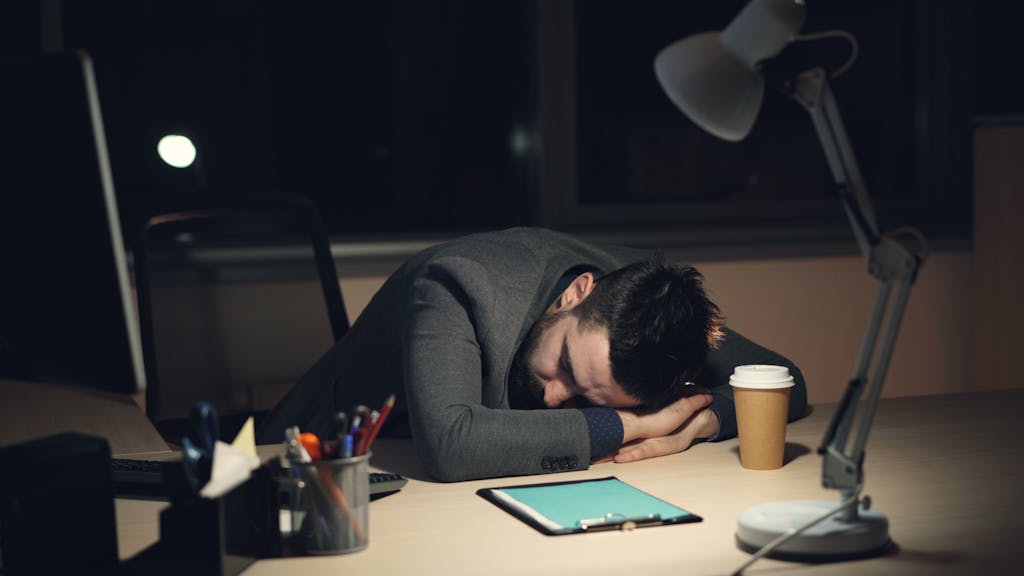
Poor sleep can make the body feel heavy, achy, and slow. You may wake up feeling like you never fully rested. That worn-down feeling can affect exercise, mood, patience, and daily energy.
Sleep deprivation has been linked with changes in the immune system and inflammation. Over time, that can make the body feel less resilient and more aged than it should.
Key Takeaway
Poor sleep after 40 can affect more than your energy. It can touch your skin, weight, memory, heart, immune system, and mood. That is why sleep should not be treated like leftover time at the end of the day.
A better bedtime, less screen time at night, a cooler room, regular wake-up time, and fewer late caffeine drinks can help. If poor sleep continues, loud snoring, gasping, pain, anxiety, or constant waking may be signs to talk with a health professional. There are a few secrets to finally getting a good night’s sleep