Humans are living longer than ever, yet the secrets to true longevity remain complex and sometimes surprising. New research shows that while plant-based diets carry clear health benefits, older adults, especially women, may increase their odds of reaching 100 by strategically incorporating certain animal proteins into their meals. The science is nuanced, and understanding it could change the way you think about your diet, protein intake, and the foods you consider “healthy.”
For decades, nutrition research has focused on young adults, often touting vegetarian and plant-heavy diets for reducing the risk of cardiovascular disease, diabetes, and obesity. However, emerging data from centenarian studies suggest that as we age, our bodies require a careful balance of nutrients that may not always come from plants alone. Muscle maintenance, calorie sufficiency, and nutrient density become critical, and in some cases, modest consumption of high-quality animal protein may make the difference between reaching 80, 90, or 100.
How Meat Can Influence Longevity in Older Women

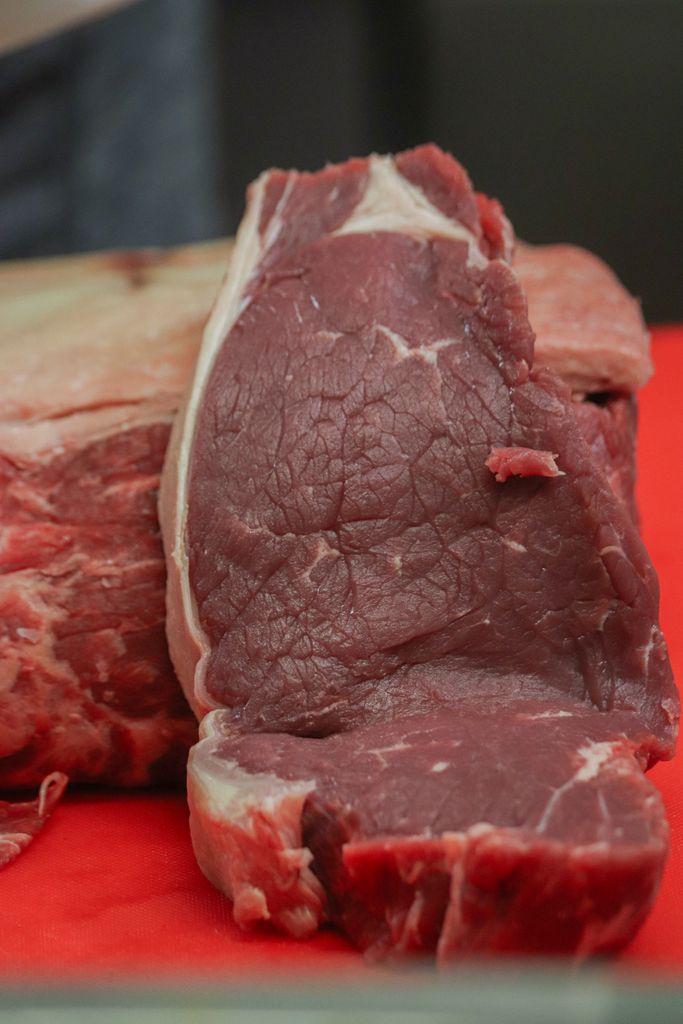
A groundbreaking study from China examined over 5,000 adults aged 80 and older, revealing that women who regularly consumed meat were more likely to become centenarians compared to their vegetarian peers. Interestingly, this correlation was strongest among underweight participants, suggesting that caloric intake and nutrient density play a crucial role in extreme longevity. Meat provides essential amino acids that help preserve muscle mass, strength, and overall functional capacity, which are vital for maintaining independence in advanced age.
This doesn’t imply that all meat is equal. The study highlighted the importance of lean, minimally processed cuts rich in bioavailable protein and micronutrients such as iron, zinc, and vitamin B12. For older adults, these nutrients support muscle function, cognitive health, and metabolic efficiency. Pairing modest meat consumption with a high intake of vegetables, legumes, and whole grains creates a hybrid approach that may outperform strictly plant-based diets in later life.
The Role of Protein Timing and Daily Intake
Beyond the type of protein, timing matters. Research increasingly shows that distributing protein evenly across meals can maximise muscle protein synthesis, particularly in older adults. Many vegetarians and vegans inadvertently consume most of their protein at dinner, which limits its effectiveness in maintaining muscle mass throughout the day. Centenarians frequently consume protein at every meal, including dairy, eggs, or small servings of fish or poultry, to optimise nutrient absorption and preserve lean tissue.
Ensuring adequate protein intake early in the day supports energy levels, improves glucose regulation, and may reduce the risk of sarcopenia, a common cause of frailty and falls among the elderly. Strategic protein consumption, therefore, is not just a dietary preference but a functional necessity for healthy ageing.
Gut Microbiome Diversity and Diet Quality
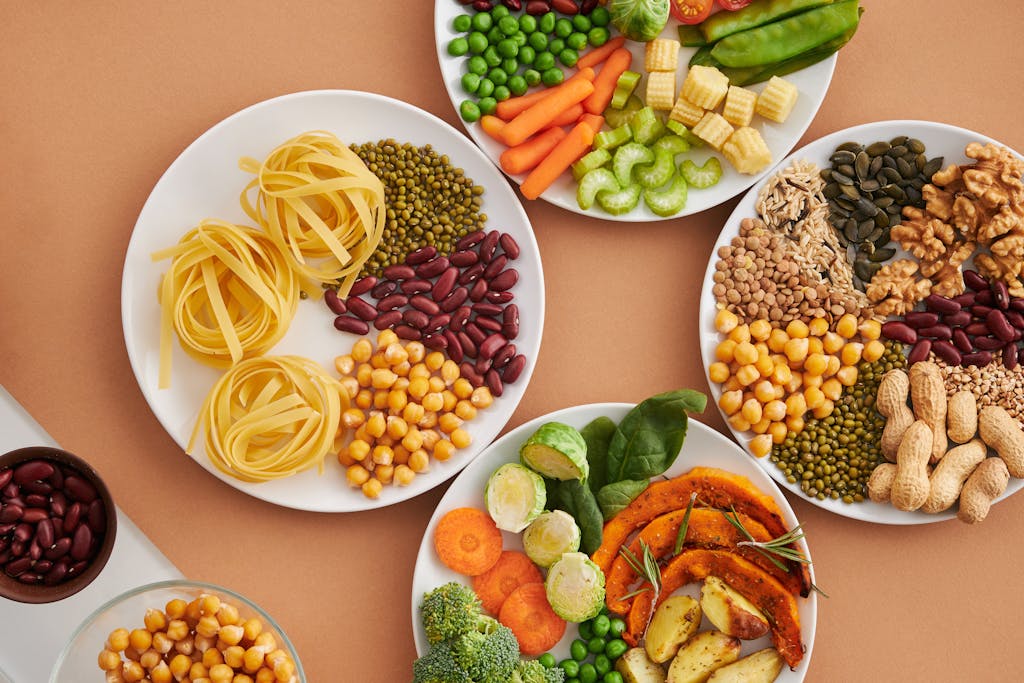
Another unique angle affecting longevity is the gut microbiome. Studies show that microbiome diversity in older adults correlates with better immune function, lower inflammation, and healthier metabolic markers. Diets that are excessively restrictive or low in certain nutrients can diminish microbial diversity.
A combination of fibre-rich plants and moderate animal proteins fosters a diverse microbiome, supporting resilience against age-related diseases. Foods like yoghurt, fermented vegetables, eggs, and high-quality fish can complement plant intake while preserving gut health.
How Caloric Sufficiency Overrides Dogmatic Diets
Many vegetarian older adults struggle with undernutrition because plant-based diets can be lower in calorie density. Being underweight is strongly associated with reduced survival among adults over 80.
Meat, dairy, and eggs provide compact, nutrient-dense calories that can help prevent the unintended consequences of malnutrition. This may explain why centenarians often report balanced diets that include both plant and animal sources, tailored to their appetite and metabolic needs.
Beyond Meat: Holistic Lifestyle Factors That Support Longevity
Diet is just one factor in extreme longevity. Centenarians also prioritise sleep, regular physical activity, social engagement, and stress management. Combining these lifestyle factors with a nutrient-rich, balanced diet, rather than strictly adhering to vegetarianism, maximises the likelihood of reaching 100.
Personalised nutrition, in which diet is adjusted based on age, body composition, and activity level, may be the single most important strategy for long-term health.
Practical Takeaways for Older Adults

Older adults seeking longevity should focus on variety, nutrient density, and protein adequacy. Including moderate portions of high-quality animal protein alongside vegetables, fruits, legumes, and whole grains provides the vitamins, minerals, and amino acids essential for muscle and bone health. Monitoring body weight, ensuring proper hydration, and eating evenly across the day support functional capacity and metabolic resilience.
By combining these practices with lifestyle behaviours that support mental and social well-being, older adults can emulate the eating patterns observed among centenarians worldwide. The key insight: longevity is not guaranteed by avoiding meat entirely but by optimising nutrient intake to meet the physiological needs of ageing bodies.